

Rajni Lal
565 posts

Rajni Lal
@SDM_doc
Geriatrician | Periop Care Physician | POPS | ANZCA POM geriatric rep| Shared Decision Making | Frailty | Social prescribing 💪🏽
Sydney, New South Wales Katılım Kasım 2019
531 Takip Edilen397 Takipçiler

Rajni Lal retweetledi

⏱️ Time to surgery matters — and this study proves it.
In Chile’s public health system, a new protocol for immediate admission to surgical hospitals after a hip fracture cut time to surgery by 5 days.
Why does that matter?
🔹 Faster surgery = less time spent in hospital beds
🔹 21% drop in total hospital stay
🔹 70% reduction in direct hospital costs
🔹 Fewer risky transfers between hospitals
By prioritising fast-track surgical care and recovery times, overall patient outcomes can be significantly improved.
🔗 Read more: doi.org/10.1016/j.tjfa…
#ANZHFR #HipFractureCare
English
Rajni Lal retweetledi

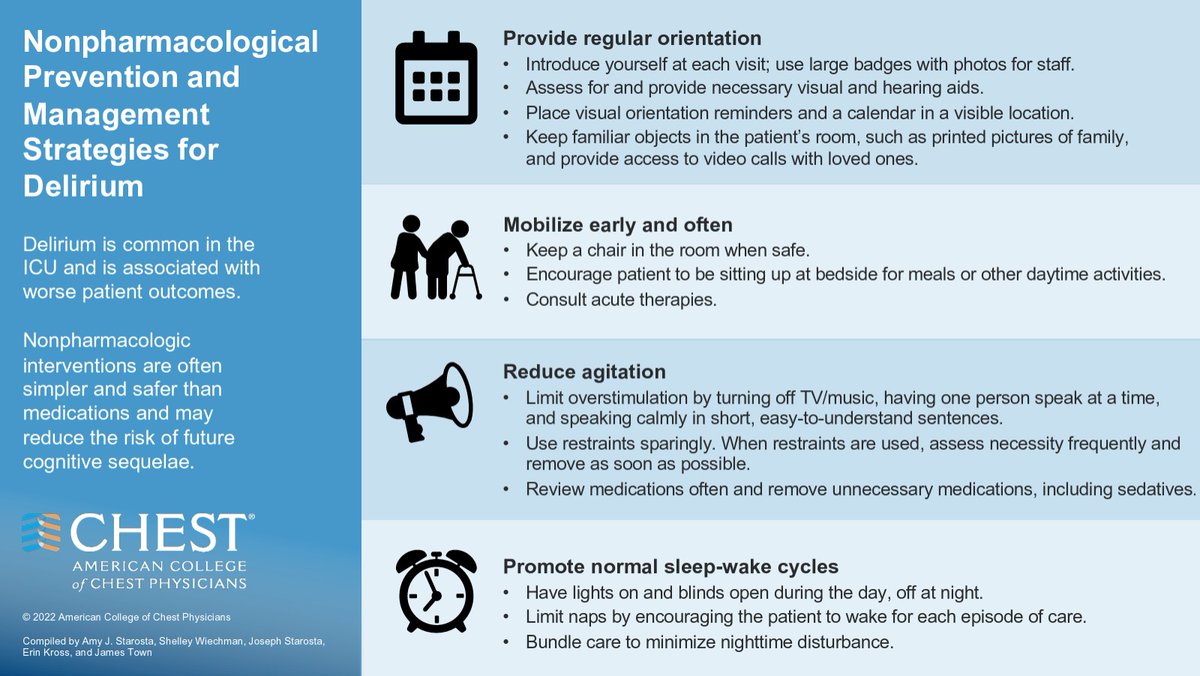
Infographic on #delirium prevention and management from the American College of Chest Physicians
English
Rajni Lal retweetledi
Deprescribing of sedatives was associated with a 62% reduction in odds of an adverse drug event, whereas new sedative use at discharge was associated with an increased risk of falls. #geriatrics agsjournals.onlinelibrary.wiley.com/doi/10.1111/jg…
English
Rajni Lal retweetledi

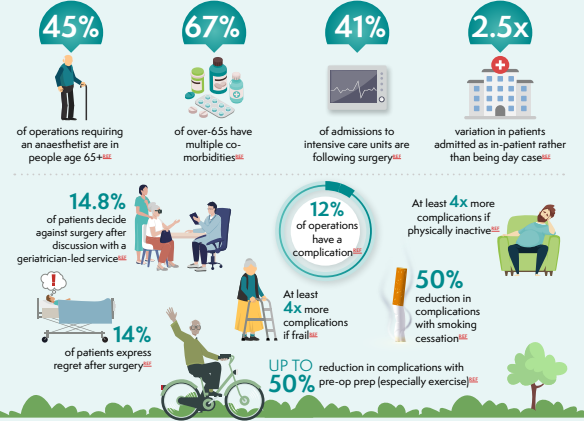
At our CPOC Advisory Group Webinar CPOC Deputy Director @scarlettmcnally reinforces the clear evidence for perioperative care.
➡️Preoperative optimisation reduces complications by up 50%
➡️ 3% of patients account for 45% of hospital costs
➡️12% of operations have complications
English
Rajni Lal retweetledi
Frailty Matters—Why Isn't It Guiding Clinical Decisions? #geriatrics agsjournals.onlinelibrary.wiley.com/doi/10.1111/jg…

English
Rajni Lal retweetledi
New Research: Delirium in Hip Fracture Patients Associated with Doubled Mortality Risk
I'm pleased to share our new study on delirium and hip fracture, led by @rosespenfold.
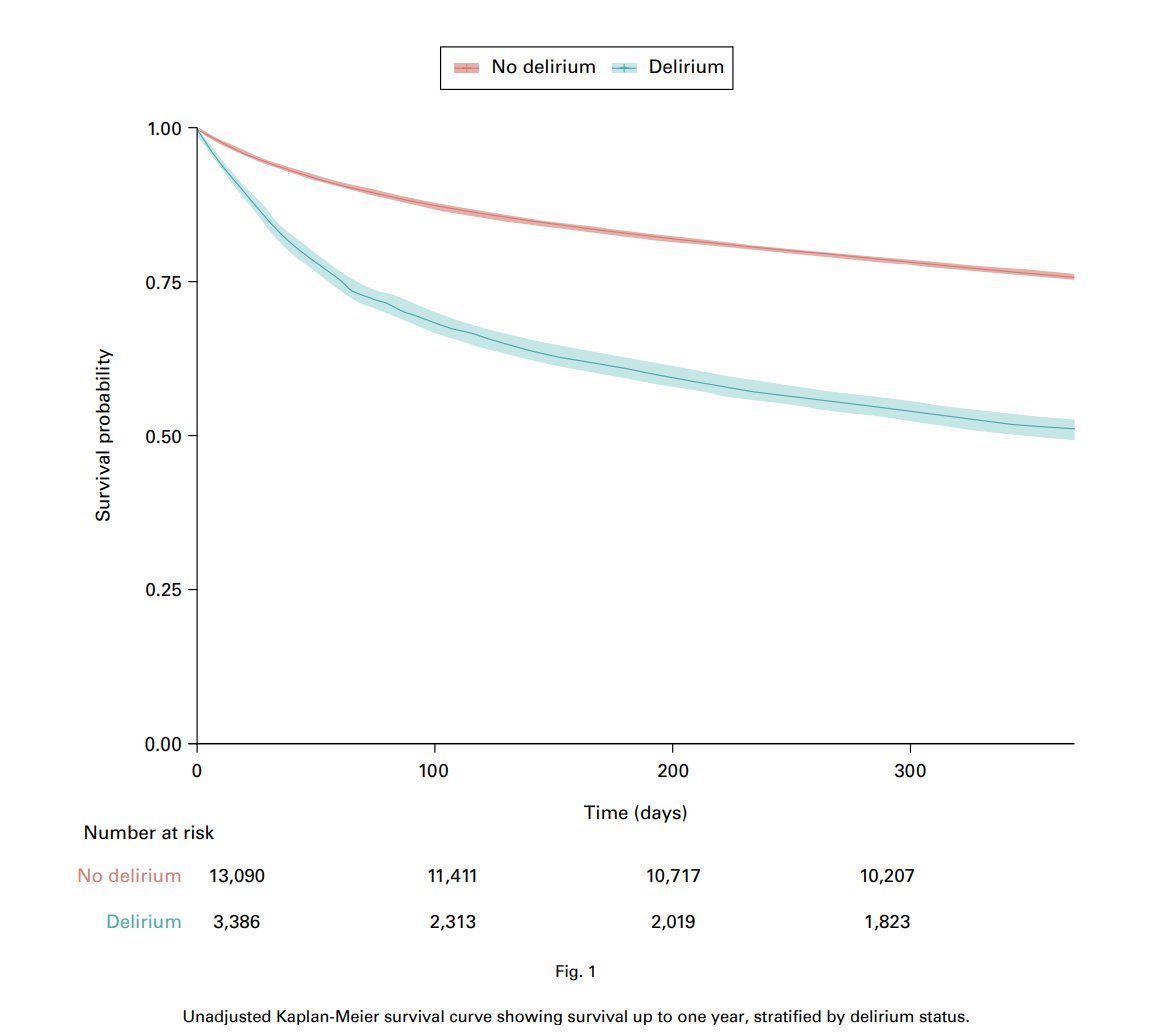
91% of all hip fracture patients attending Scottish hospitals had a 4AT delirium assessment tool performed at presentation (N=16,476 ). N=3,386 (21%) had delirium.
Key findings:
- Delirium was associated with important adverse outcomes including 2-fold higher mortality risks as an inpatient and at one year, and a lower likelihood of returning home following hospital admission.
Key implications:
- Delirium assessment on initial presentation is feasible at national scale.
- Delirium assessment should be performed on presentation of hip fracture.
- Hip fracture care without delirium assessment is deficient care.
***Background***
Previous studies have focused primarily on postoperative delirium. This is the first large scale study using routine data to examine delirium ascertained directly with a real-time clinical assessment at the time of hospital admission.
***Methods***
We analysed data from the Scottish Hip Fracture Audit, which covers over 99% of people aged 50+ years hospitalized with acute hip fracture in Scotland.
Delirium assessment: 4AT (the4AT.com), which is embedded into routine care and performed by clinical staff.
***Results***
Delirium was present 21% of patients.
Patients with delirium were older (mean age 85 vs. 78 years), more likely to be in care homes, and had higher ASA grades.
After adjusting for age, sex, pre-fracture residence, and ASA grade, patients with delirium had a 2-fold increased risk of inpatient mortality (adjusted OR 2.26, 95% CI 1.79 to 2.84).The same pattern was observed for one-year mortality (adjusted OR 2.05, 95% CI 1.83 to 2.29).
Patients with delirium were less likely to return to their original residence within 30 days (adjusted OR 0.27, 95% CI 0.24 to 0.30)
***Conclusions***
Delirium at hip fracture presentation is a powerful prognostic indicator that can inform shared decision-making with patients and families. Identifying delirium early allows clinicians to address potentially reversible causes and implement appropriate management strategies. Recognition of delirium can help in planning post-acute care needs.
Another crucial implication is that we have definitively demonstrated that delirium testing using a validated tool is *feasible in routine practice* in this population.
Hip fracture patients must have delirium assessments, and these must be done pre-operatively as well as post-operatively.
***Call to action***
Let's move forward and make good delirium care the norm in hip fracture patients.
Let's make system-wide groupthink that it is okay to neglect delirium a thing of the past.
Study: boneandjoint.org.uk/article/10.130…
#delirium #hipfracture
English
Rajni Lal retweetledi

Big day today!! Our @NIHR_ARC_YH eFI2 study published in @Age_and_Ageing academic.oup.com/ageing/article…
National implementation will support proactive care for older people to maximise independence leeds.ac.uk/main-index/new… Fab team @AUASResearch @CAPS_UCL @LeedsBRC @HDR_UK @GeriSoc
English
Rajni Lal retweetledi

The national rollout of specialist frailty services across all 30 of Scotland’s A&E departments is set to reduce the length of hospital stays and eventually bring down waiting lists, says Scotland’s Health Secretary.
@neilcgray @NHSResearchScot @RCollEM
healthandcare.scot/stories/4087/n…
English
@MagdaSbai @GSTTnhs @POPS_GSTT Love this. All the best to @POPS_GSTT hope you win…totally deserve it.
English

Amazing that the POPS team @GSTTnhs have been shortlisted for outstanding contribution by a team or department at The Medical Educators Award 2025! Transdisciplinary quality education is a lynchpin in improving the care of older surgical patients. @POPS_GSTT
Medical Education Leaders UK@MedEdLeaders
We are thrilled to share our shortlisted nominees for our Medical Educator Awards 2025 🤩 These nominees stand out as committed to education and training and from the wonderful testimonials they are clearly deeply valued by those around them. #ValuingMedEd
English
Rajni Lal retweetledi
Rajni Lal retweetledi

Maybe you want to know more about our #siptilsend journey! Have a look at our 5 W’s! 🌍💙
SipTilSend@SipTilSend
The 5 W’s of #SipTilSend 📣 What? 📣 Why? 📣 Where? 📣 When? 📣 Who?
English
Australian & New Zealand Hip Fracture Registry@ANZHFR
🦴A new study using #ANZHFR registry data, co-authored by our very own @DrLaraHarvey, explores how different types of anaesthetics impact post-surgical delirium in older adults undergoing acute hip fracture surgery. 🏥🧠 📖 Read more: journals.sagepub.com/doi/full/10.11… #HipFracture #Anaesthesia #Delirium
QAM
English
Absolutely delighted to be awarded an @NIHRresearch Professorship focusing on maximising independence for older people. Huge thanks to @LeedsMedHealth, @BTHFT, UK and international colleagues for their amazing support! Exciting times! medicinehealth.leeds.ac.uk/faculty-/news/… @NIHR_ARC_YH @HDR_UK
English
Perfect! We don’t have to create our own now! Thanks so much. 💪🏽 #Prehab
Centre for Perioperative Care@CPOC_News
Exercising before surgery can boost recovery post op. True for everyone but particularly for older patients. @thebodycoach Joe Wicks talks to @JKDhesi - Deputy Director of @CPOC_News - about the importance of fitness before surgery. 👇 ow.ly/gZnM50UhSc1 @GeriSoc @GSTTnhs
English
What an amazing week for our Periop Team @Blacktown Hosp. Team work. 💪🏽🌟 @PuneetRanote @WestSydHealth @SipTilSend @ANZCA @anzsgm_poc @DrDanetteW #Frailty#SDM @RACSurgeons @jenhelenmar


English
DOACs can be safely interrupted for elective procedures without bridging. Don’t forget to resume them post-procedure! #PeriSIG24 @ANZCA @jdfvan6


English
The ANZCA POM SIG kicks off tomorrow in Melb! 🚀 Incredible speakers, global insights, and big ideas to elevate periop care. Ready to be inspired! 💪🏽😎#PeriSIG24 #SDM @ANZCA @CPOC_News @anzsgm_poc @WestSydHealth @isdmsociety @PeriOpQI @DrDanetteW @jdfvan6
English
Listening to @RachelMAitken talk about TOPS. Fantastic work being done at RMH. @anzsgm_poc

English
Rajni Lal retweetledi

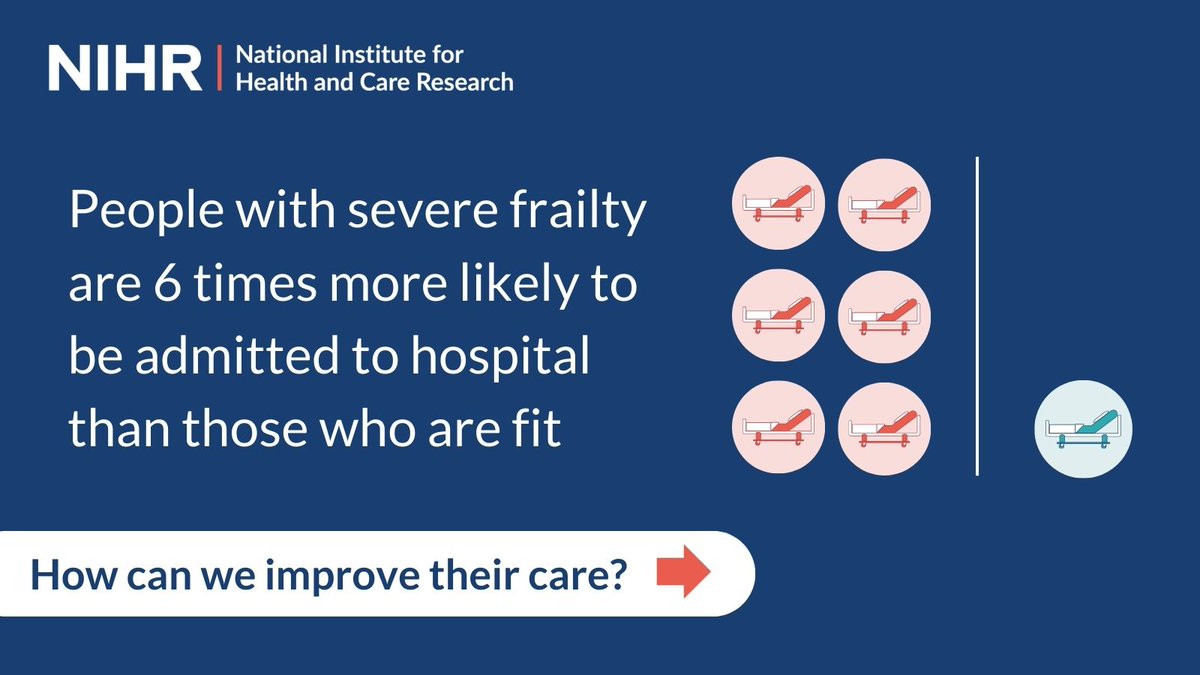
Frailty impacts healthcare use and costs. Can we improve support and care in the community and in hospital?
🔗 Discover the latest research on this topic: evidence.nihr.ac.uk/collection/fra…
@sheffielddoc @steesdementia @brunning_adam #NIHRevidence
English