
Sigismund Nielsen
8.6K posts


Sigismund Nielsen
@SN_Economics
MSc Economics and Finance (Cand. Polit.), B.A. Economics, B.A. Political Science | U of C and KU Alumni | All opinions are my own | Not financial advice.
Calgary, Alberta Katılım Ocak 2021
615 Takip Edilen1.1K Takipçiler

On my last Air Canada flight everyone was forced to watch an Indigenous Land Acknowledgment before takeoff.
Welcome to Canada in 2026.
English

The Loonie is FLYING in the wrong direction
No wonder travel to the U.S. is down 20%

English
Sigismund Nielsen retweetledi

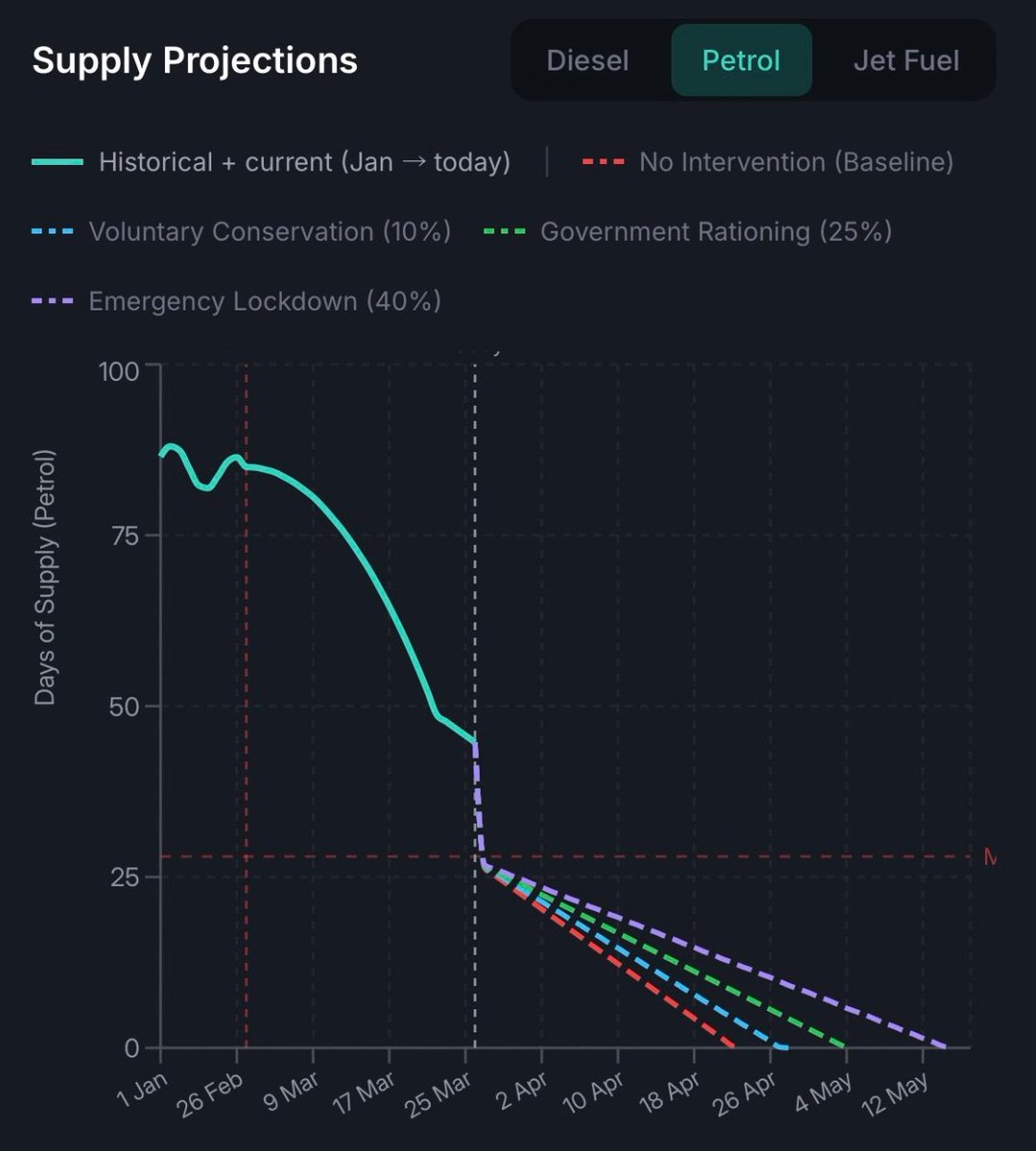
New Zealand,a first-world country,is now staring down the possibility of running out of fuel in just a few weeks.
No strategic reserves to fall back on. Refineries shut down.
Domestic energy production crippled. And deep-sea oil exploration banned.
All of it the result of short-sighted, self-inflicted policy decisions under Jacinda Ardern.
Decisions that traded energy security for political optics.
What we’re seeing now isn’t bad luck; it’s the predictable consequence of reckless leadership.
English


@KirkLubimov He needs to study up on his BNA act, sections 91 and 92, and he needs to understand what the term “seperation of powers” means. This is laughable.
English

Mark Carney says Confederation works because Alberta will be decarbonizing their oil.
"We are looking to move towards low emission oil with Alberta...it's the long term commercial thing to do.
The world wants low risk, low cost, low carbon energy sources.
Our strategy with Alberta has been to go right to heart of the issue which is the pipeline but what else comes with the pipeline? Pathways, a carbon market that works...having everything on the table showing the consideration works."
No, he is using the pipeline as a tool to strong arm in his ideological policies. This is exactly why the Confederation doesn't work.
Our economy shouldn't be held hostage.
English
@JillSweden1 @nejatian A blind goat could do better than the liberals. Name a single metric that has improved under the liberals? Go ahead, I will wait.
English

@SN_Economics @nejatian Oh and Poilievre will do it. Give he a break.
English

Canada needs to build a pipeline. Fast.
When the West faced an old shortage during World War II, the US built the Big Inch Pipeline. 1,200 miles of pipeline built in months.
Crews laid 9 miles per day of pipeline - with 1942 technology.
Northern Gateway has been in review since 2006 (20+ years). Northern Gateway is about half the length of Big Inch. We have much better technology than we used to.
Let's just build!
English
Sigismund Nielsen retweetledi

Sigismund Nielsen retweetledi

🚨BREAKING: Austria, Germany, the Netherlands, Denmark and Greece have formed a 'deportation coalition'
They say they want plans to have migrant deportation return centres developed before the end of 2026
Something is finally happening!

English
Sigismund Nielsen retweetledi
🚨The planned industrial carbon tax will be a total disaster for the economy.
It will decrease Canada's GDP by 1.3%, decrease incomes and cost over 50k jobs.
Alberta will be hit the hardest with a 2% drop in GDP and over 10k jobs will be lost.
It's part of the signed MOU.

English
@antifragile_01 @LynAldenContact I see what you did there 😂
English


Sigismund Nielsen retweetledi

The vote for and against the EU deportation bill, by country:
For-Against-Abstained
Austria 11-7-1
Belgium 5-12-3 BAD!
Bulgaria 11-3-1
Cyprus 3-1-1
Croatia 7-3
Czechia 20-1 AWESOME!
Denmark 9-5-1
Estonia 4-3
Finland 4-8-1 BAD!
France 41-26-5
Germany 50-37
Greece 10-7
Hungary 17-0 AWESOME!
Ireland 3-5 BAD!
Italy 39-29
Latvia 7-1 VERY GOOD!
Lithuania 5-2-2
Luxembourg 1-4 BAD!
Malta 5-0 AWESOME!
Netherlands 16-11-1
Poland 44-3-1 AWESOME!
Portugal 9-7-1
Romania 17-2-2 VERY GOOD!
Slovakia 9-4
Slovenia 5-3
Spain 30-23
Sweden 7-4-7
English
Is this the Canadian version of the “learing center”?
Andy Lee@RealAndyLeeShow
Canadian taxpayers paid $25 million to “enhance the adoption of gender-responsive and inclusive nature-based solutions for climate change adaptation in the Guinean forests of West Africa.”
English
Sigismund Nielsen retweetledi

$IXHL has reactivated its approved share repurchase program, which has been active over the past 2 trading days. This reflects the BoD's view that Incannex's market valuation doesn't reflect the strength of its balance sheet, progress, & potential.
PR: bit.ly/3NPVIgH

English
Sigismund Nielsen retweetledi

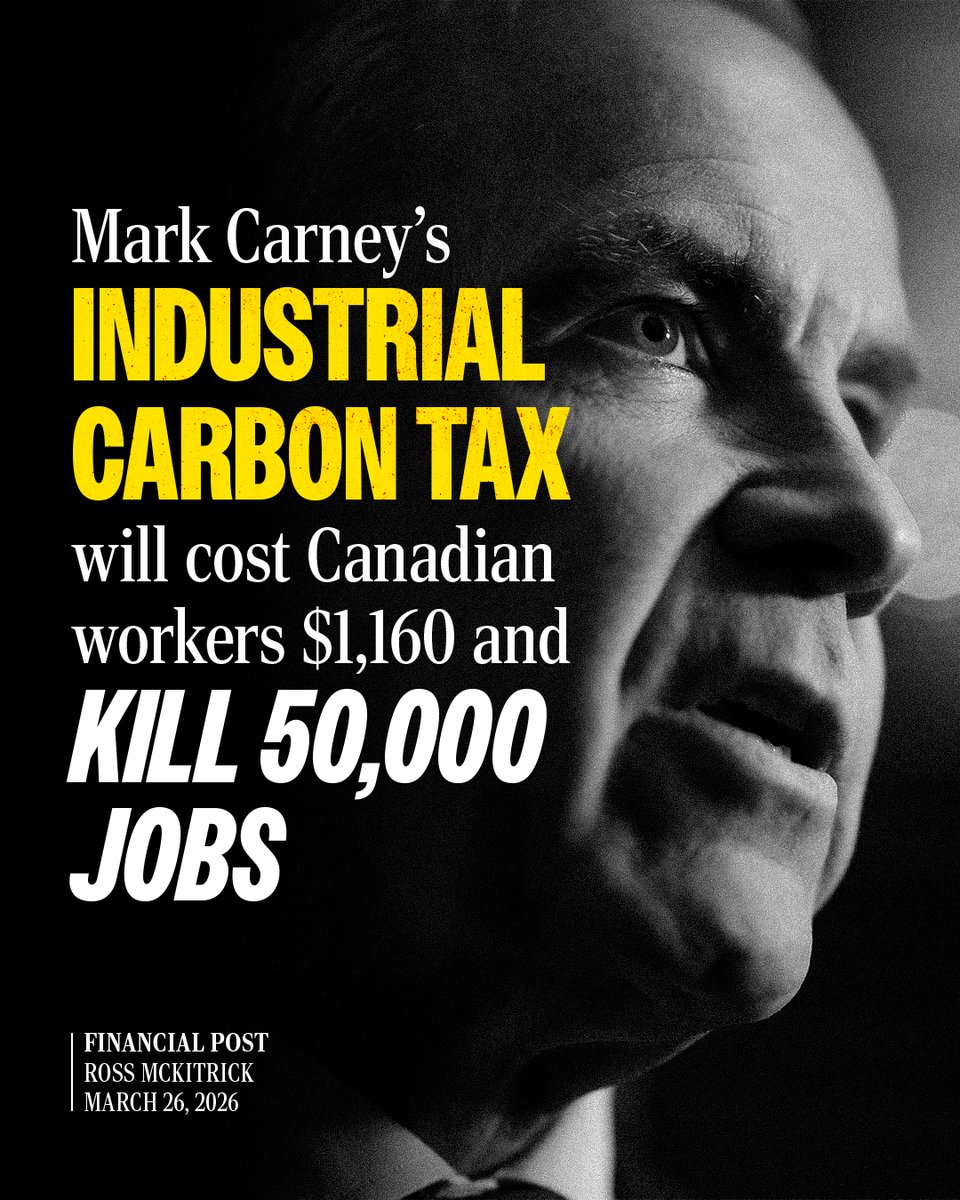
Mark Carney's industrial carbon tax on everyone who feeds, fuels, and builds will cost 50,000 jobs and every Canadian worker $1,160.
Anti-development Liberal taxes are driving food prices up, businesses south, and paycheques down.
Scrap these job-killing Liberal taxes that raise prices and punish work.
English
Sigismund Nielsen retweetledi

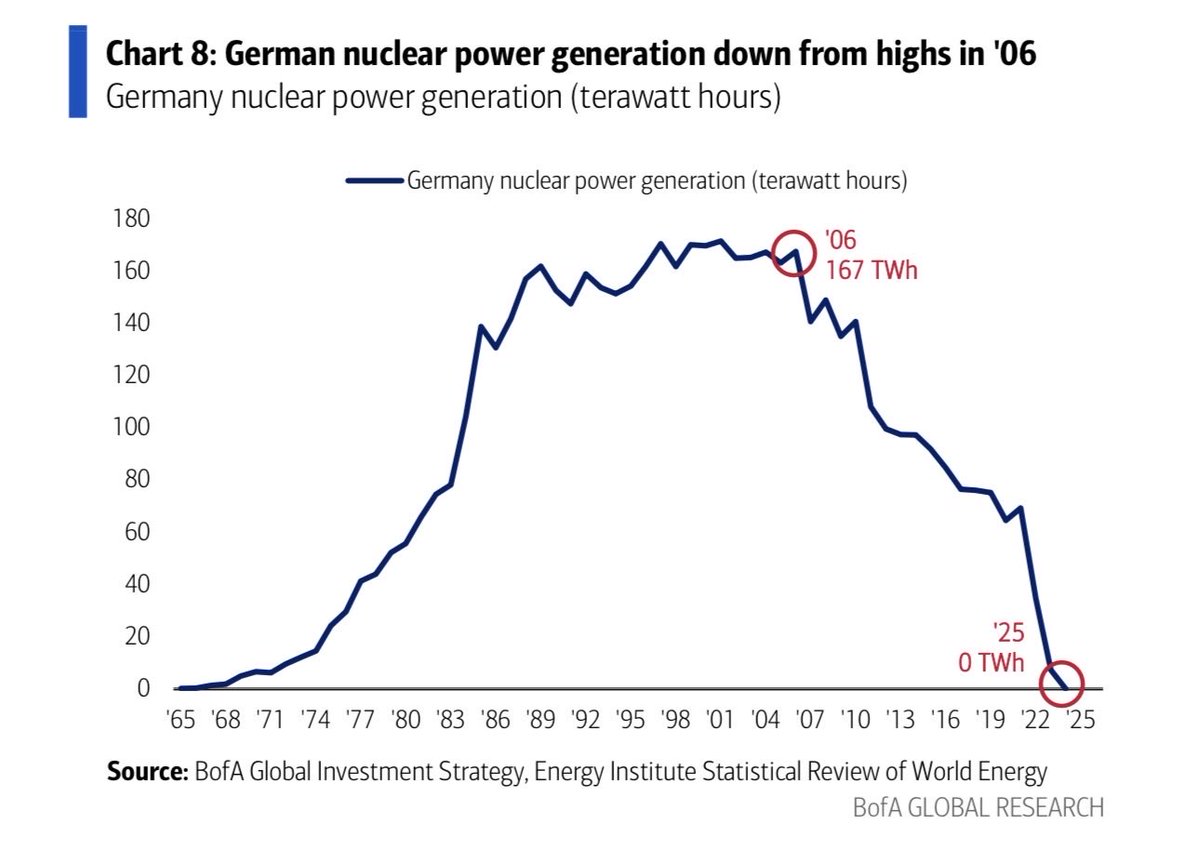
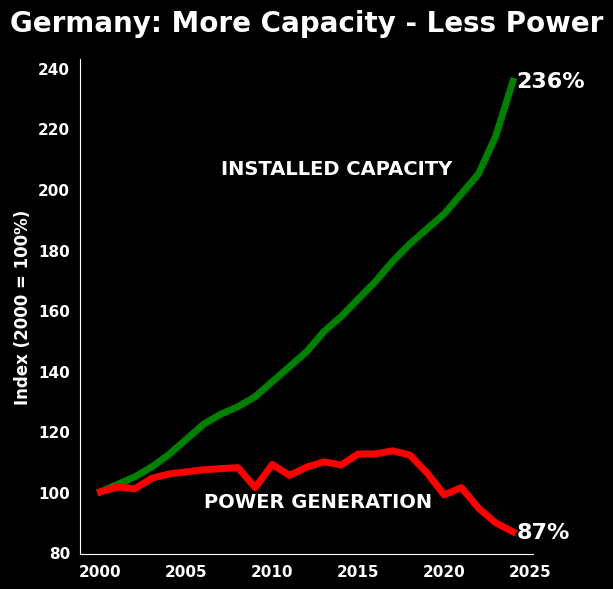
Over the past 25 years, Germany has pursued an energy transition by phasing out nuclear power and expanding solar and wind—at a cost of around €500 billion in subsidies.
The result: installed capacity has more than doubled, yet electricity generation has declined. The reason is structural. Reliable, dispatchable power was replaced by weather-dependent sources.
The consequences are severe: rising energy costs, falling competitiveness, and growing pressure on energy-intensive industries.
The key question remains: How do you run an industrial economy on a system that produces less when it matters most?
English