When I visited the Recycling plant in Milwaukee I learned that most recyclables are sorted and bundled into large, heavy cubes then sent for reuse. 2 of the 3 R’s in one place! #apeswaste@franklinlorax
Although we put both plastic and food scraps into landfills willingly, plastic takes much more time to break down than food scraps. It can even take upwards to hundreds of years to break down certain plastic products. #apeswaste@franklinlorax
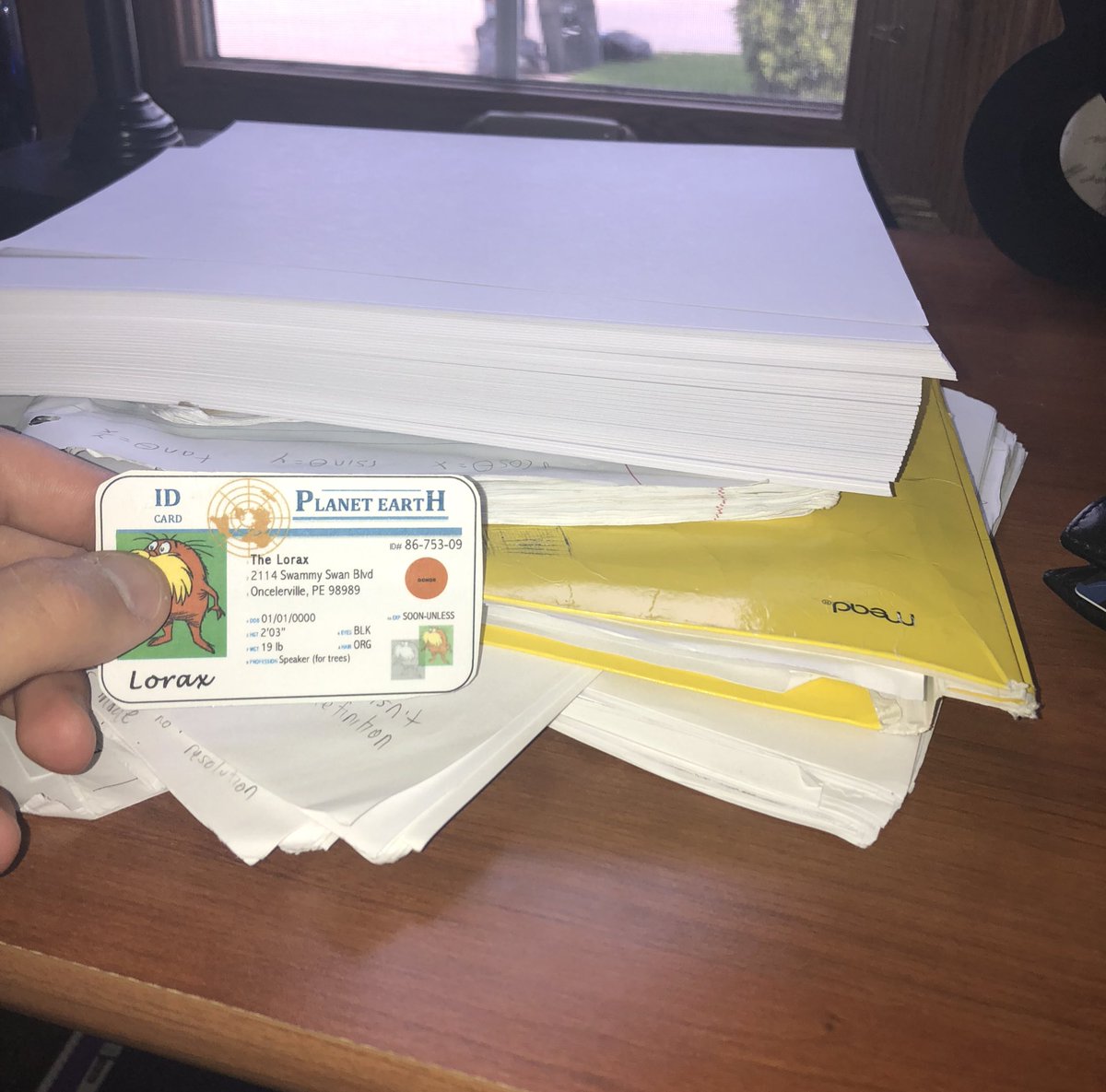
Although most of our school work is now online, a lot of our teachers still hand out paper assignments. Today, paper counts for over 41% of our landfills and the US only recycles 25% of our paper consumption. @franklinlorax#apeswaste
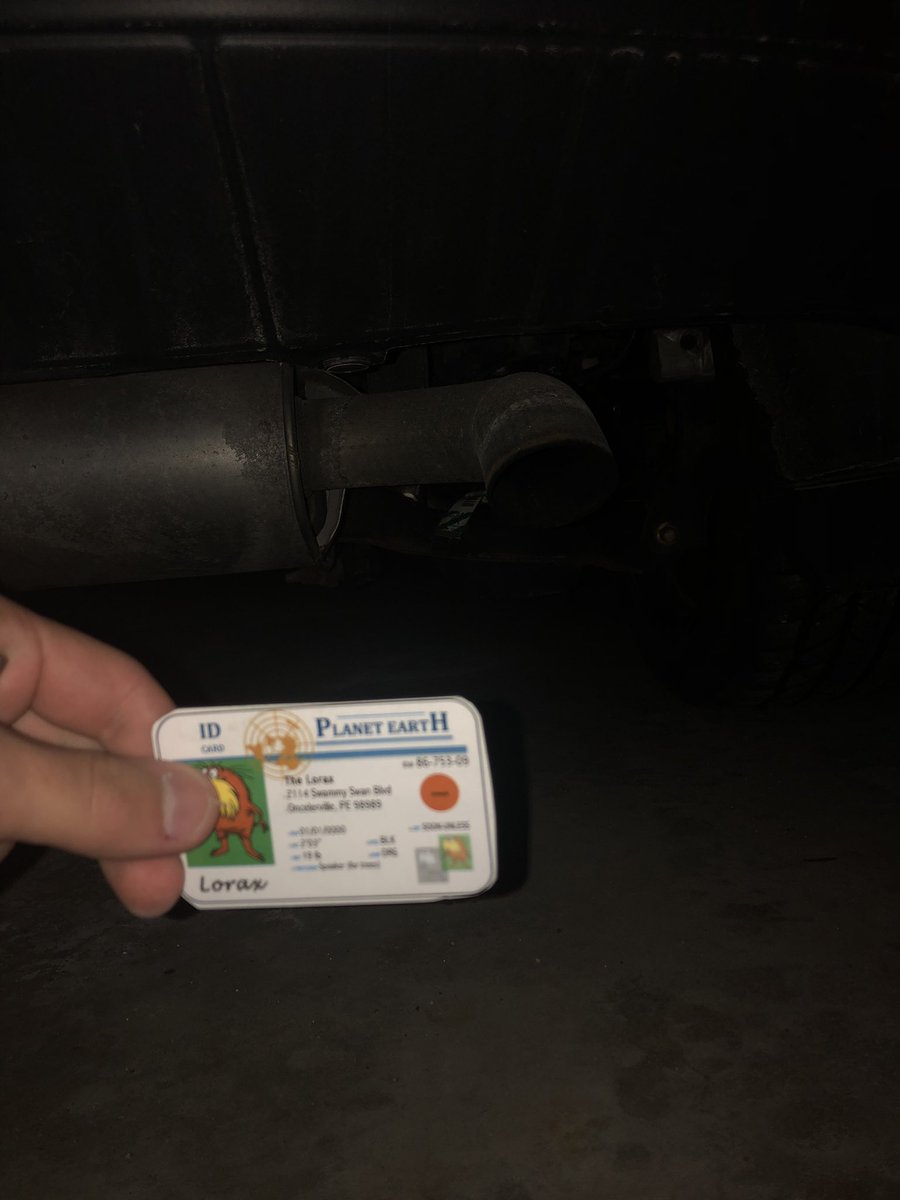
In a typical high school parking lot you see a lot cars from students driving themselves. This means a lot of CO2 and other harmful emissions will be released. Carpooling is a great solution that helps reduce the amount released and helps save our planet. @franklinlorax#apesair
Lead can be found in batteries. That’s why disposal of technology can be difficult. We don’t want more lead getting into our atmosphere. @franklinlorax#apesair
Cars release many harmful gases into the atmosphere, including CO2. These emissions increase greenhouse gases that scientists say are leading to global warming because it prevents heat from escaping the atomsphere. @franklinlorax#apesair
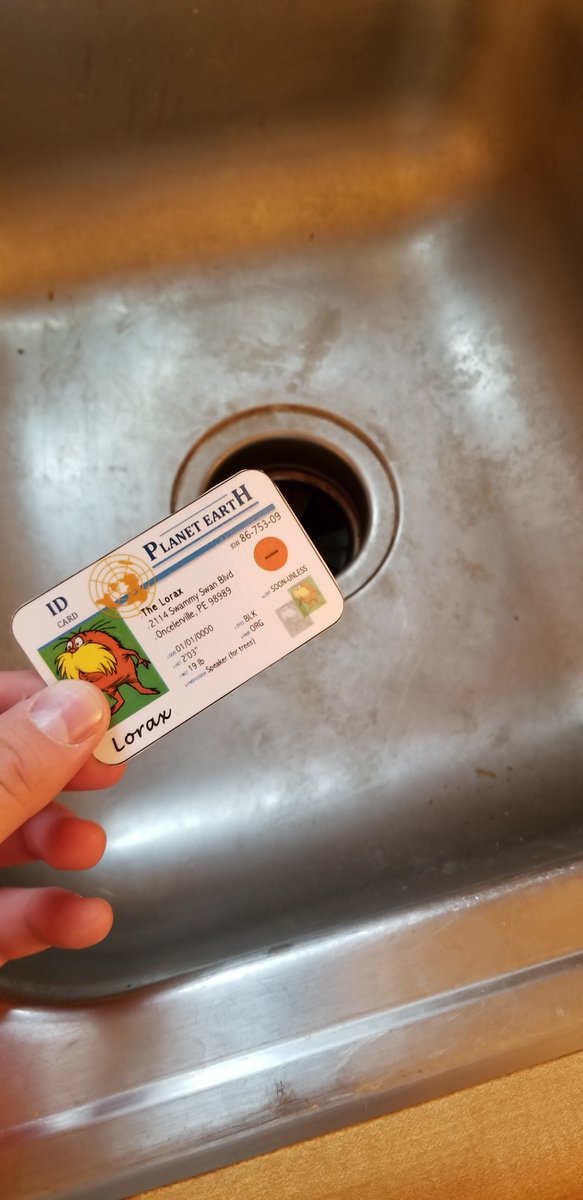
This is my sink. It's Pretty cool. But it would be way cooler if it had an anaerobic digester, to turn all of our food scraps into energy!
@franklinlorax#APESENERGY
Visiting Sendik’s in Franklin taught us a ton about how stores that have large amounts of food waste have been using the ‘Grind2Energy’ resource to produce energy that then goes to the grid. Check out this video of the grinding in action! @franklinlorax#APESEnergy
On a windy day like today, I sure wish I had a wind turbine in my yard. Wind turbines don’t require combustion of fossil fuels such as coal meaning that I won’t pollute harmful emissions that lead to acid rain or greenhouse gases. @franklinlorax#APESEnergy
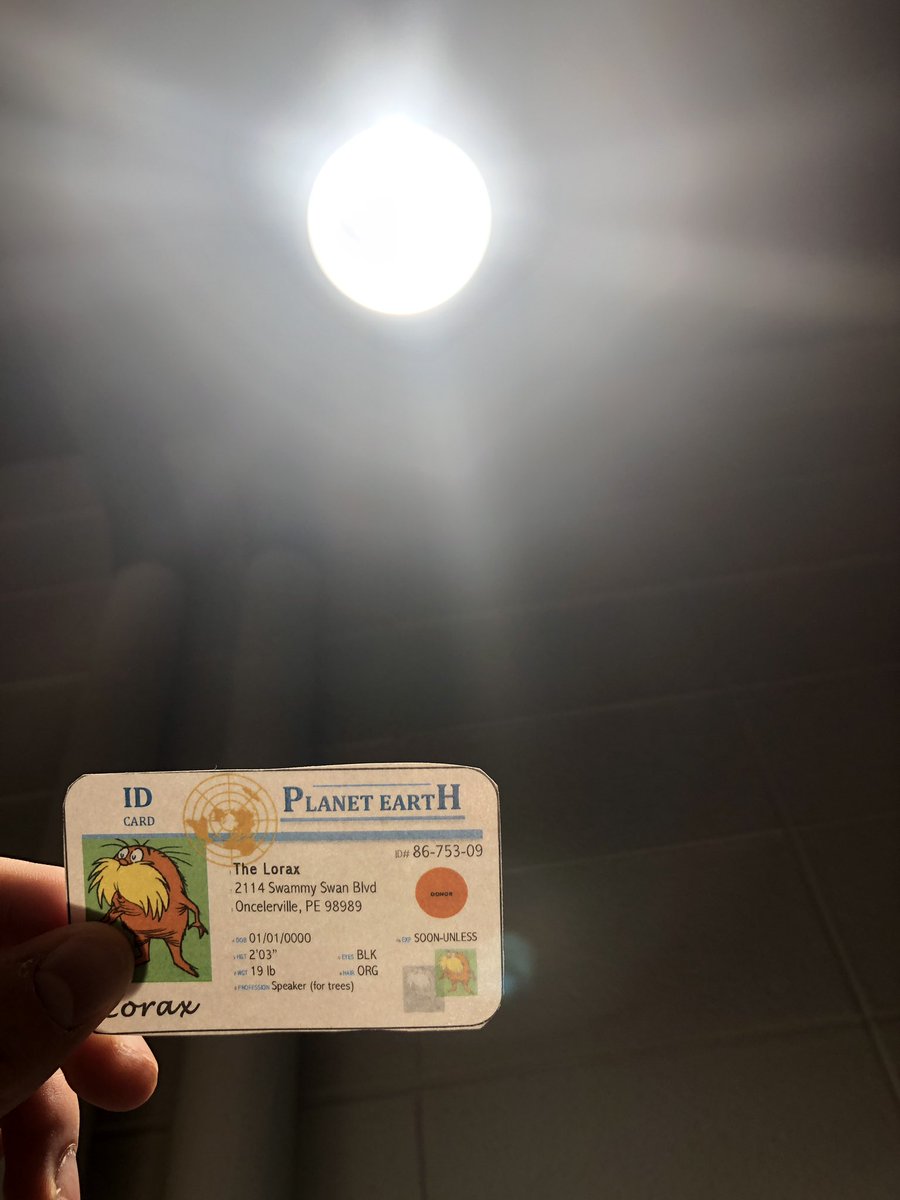
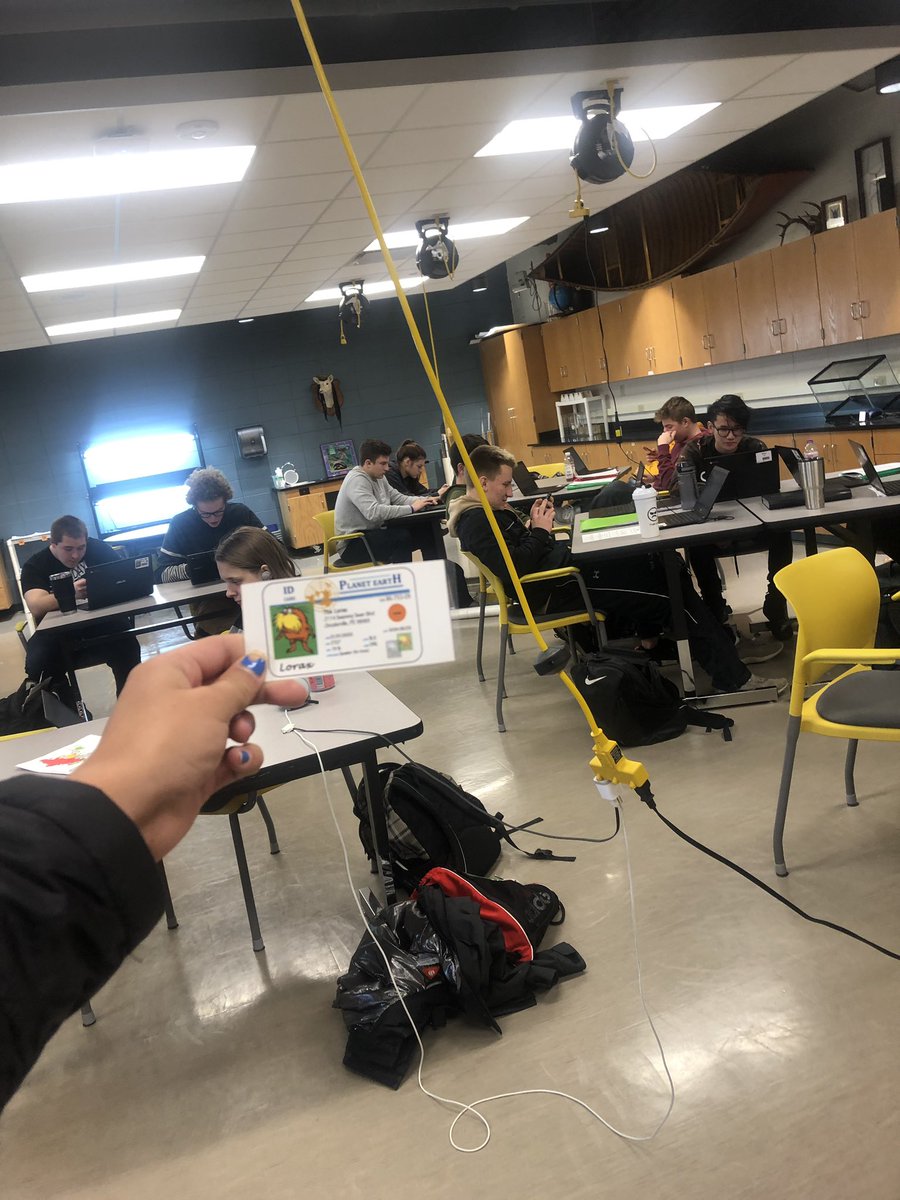
Lights like this one in Mr. Gain’s classroom, are powered through coal! Without this sedimentary rock, the lights we use on a Daily basis would not exist. @franklinlorax#apesenergy
@baumgardtjoey@franklinlorax Very good example of how clear cutting can have an affect on biodiversity. Maybe instead we should do selective cutting methods to help save the species living in those forests! #apesland@franklinlorax
this paper most likely came from clear cut trees that could have had a very important species living there, which could have prevented the growth and development of a city such as franklin @franklinlorax#apesland
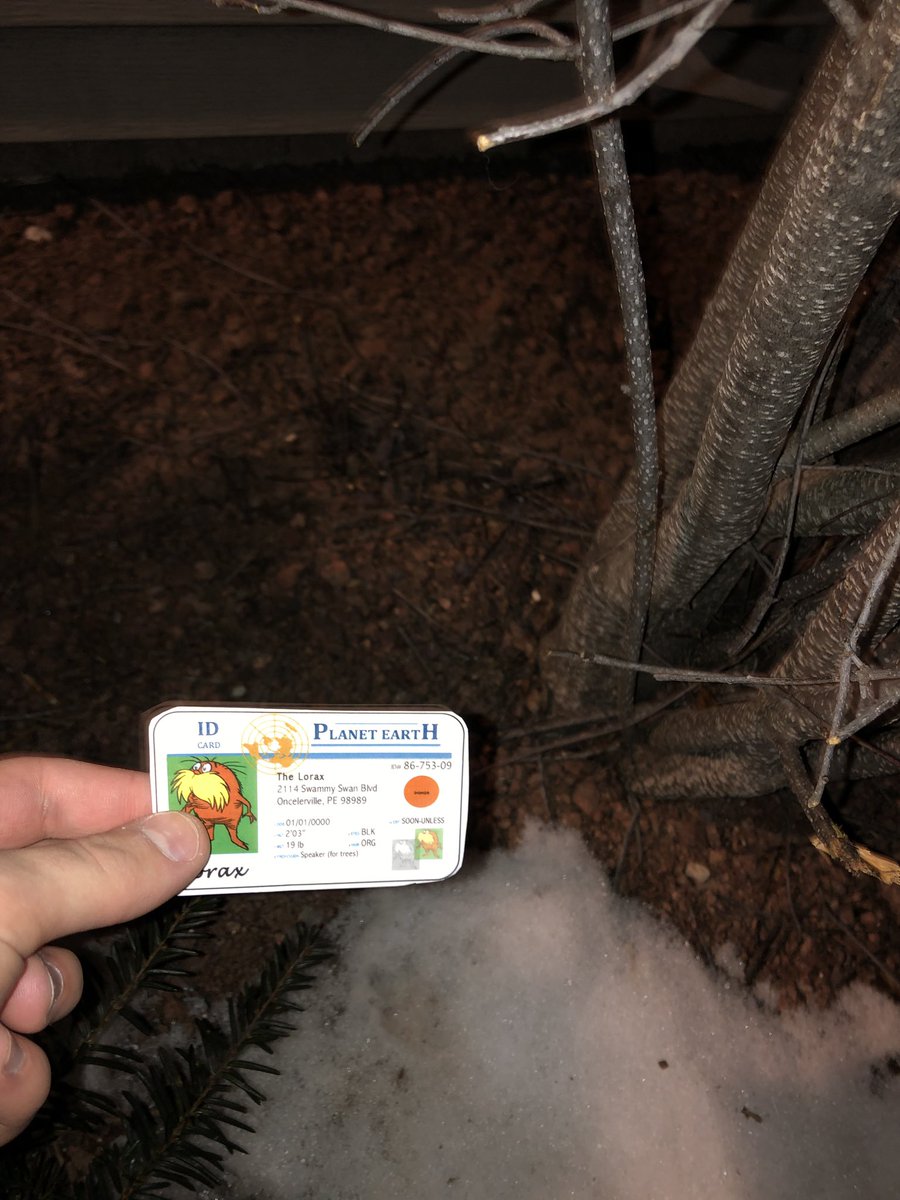
In our apes lab, we learned that particle size has an effect on porosity, permeability, and water retention. With such big rocks, like the ones in my backyard, we would expect a high porosity and high permeability however a low water retention. #apesland@franklinlorax
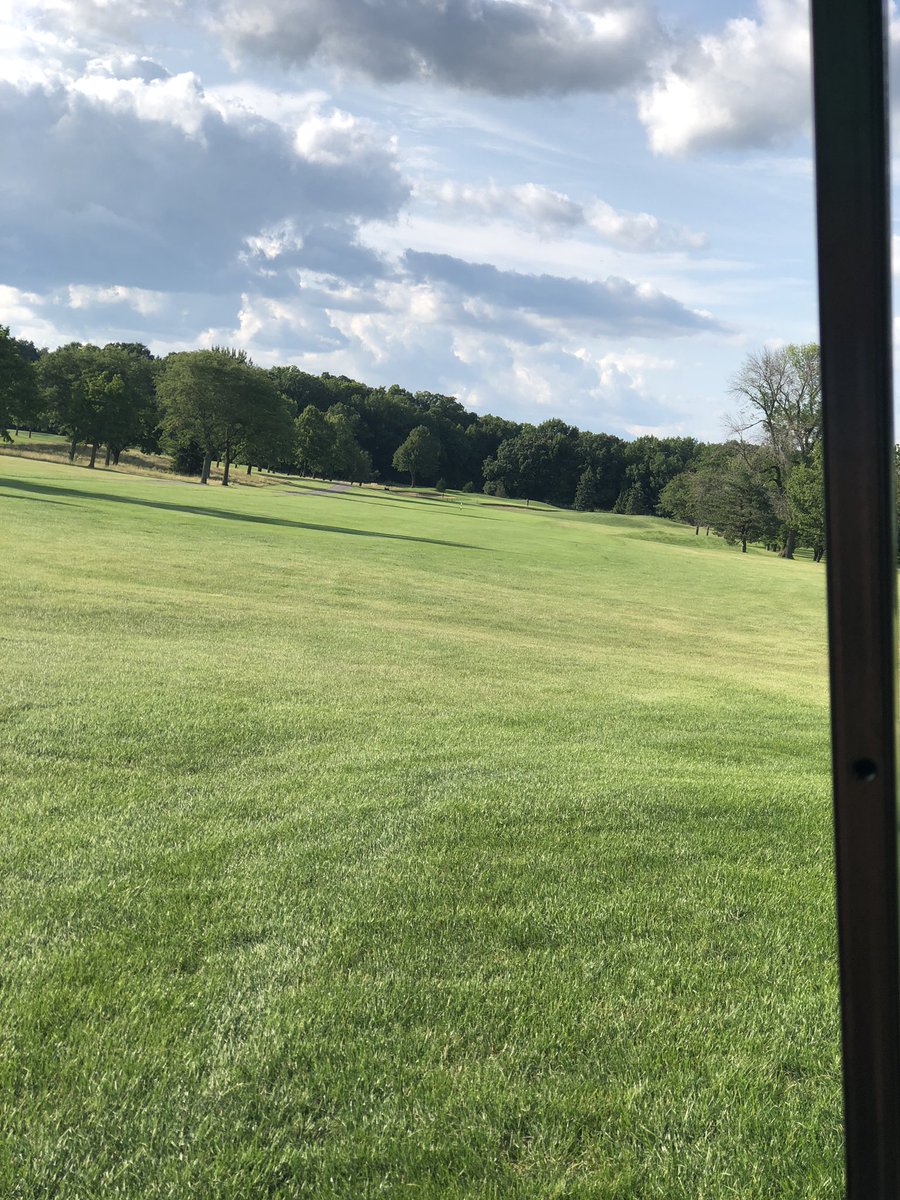
The way we treat the land, and soil we live on is important in making the grass as green as Oakwood golf course in this picture. @franklinlorax#apesland
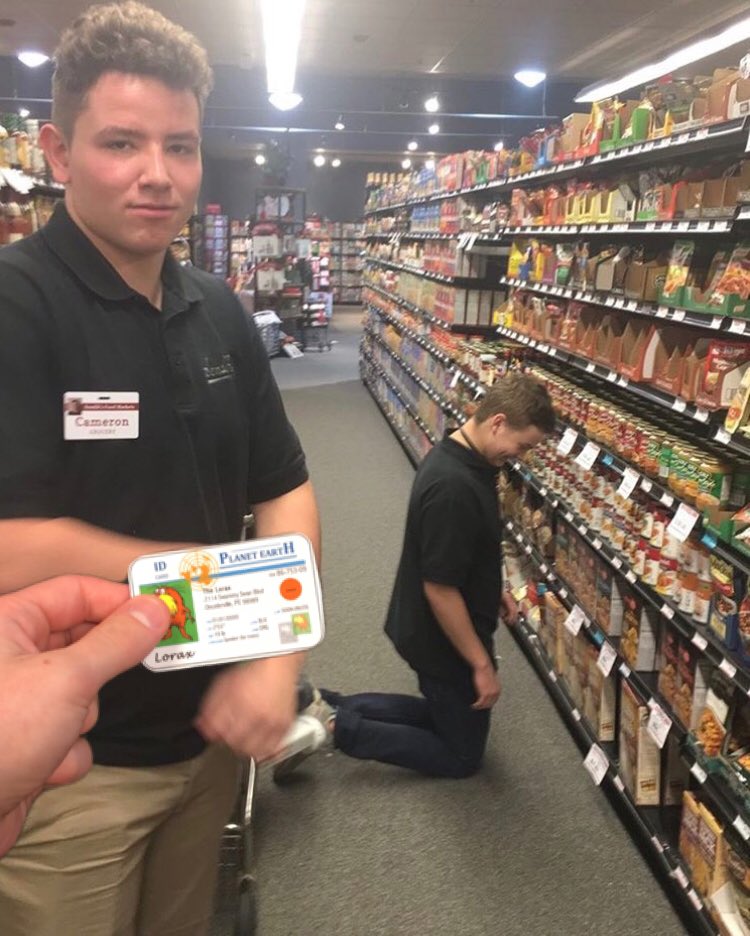
In Franklin, our local grocery stores provide us with a variety of food that contains different quantities of nutrients. It is important that when we shop we buy the right balance of carbs, fats, and proteins! #apespop@franklinlorax
The APES classroom has a carrying capacity of around 36 people with the supply of certain resources such as chairs. With more people over 36 in the room, there would be a limited supply of resources. #apespop@franklinlorax
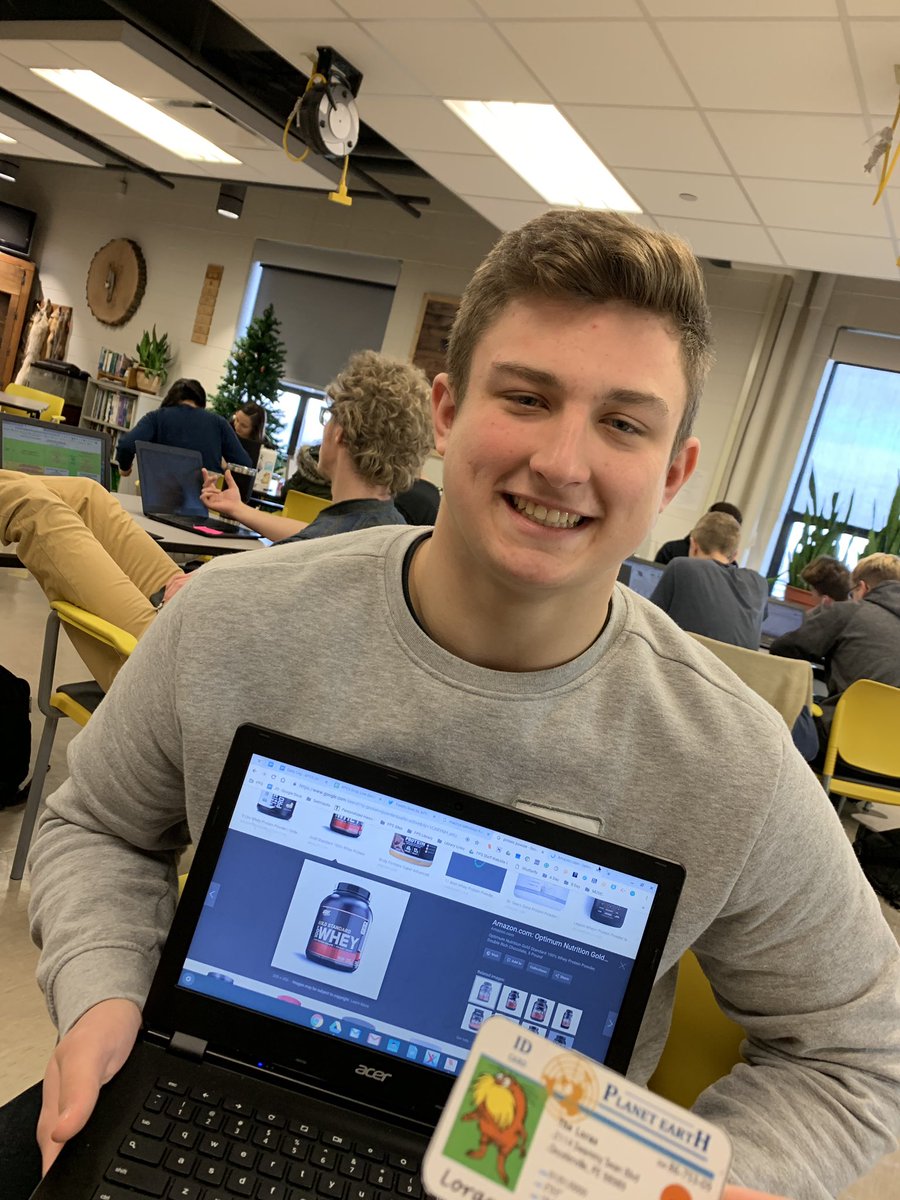
John makes sure he balances and calculates his MACROS-macronutrients everyday. He adds relatively large amounts of proteins, carbohydrates, and fats in order to watch his physique. 🏋🏼♂️🤼♂️ #apespop@franklinlorax
Jared is an k-strategists and focuses on the quality of his newborn rather than the quantity. (Although he would like to be a r-strategists) #apeseco@franklinlorax