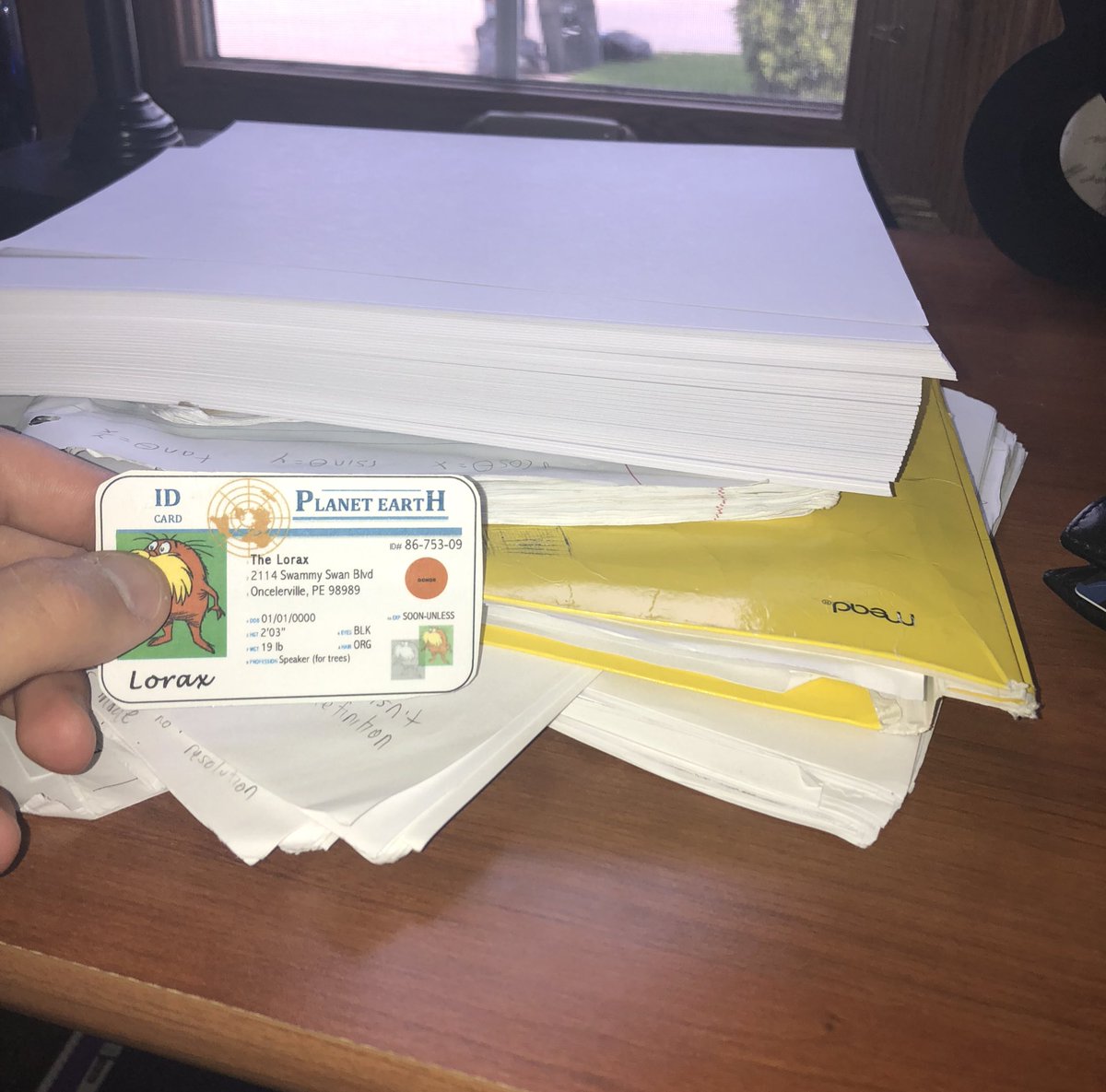
Although most of our school work is now online, a lot of our teachers still hand out paper assignments. Today, paper counts for over 41% of our landfills and the US only recycles 25% of our paper consumption. @franklinlorax#apeswaste
In e-waste, there are harmful chemicals that need to be recycled properly. Otherwise lead, cadmium and lithium can make there way in our ground water in landfills. #apeswaste@franklinlorax
When I visited the Recycling plant in Milwaukee I learned that most recyclables are sorted and bundled into large, heavy cubes then sent for reuse. 2 of the 3 R’s in one place! #apeswaste@franklinlorax
Although we put both plastic and food scraps into landfills willingly, plastic takes much more time to break down than food scraps. It can even take upwards to hundreds of years to break down certain plastic products. #apeswaste@franklinlorax
Radon is coming up from the soil all around us, and is mostly prevalent in basements. These radioactive particles damage the cells lining your lungs. Make sure to get your air quality checked! #apesair@franklinlorax
With the recen low pressure system that’s move through wisconsin we were left with some snow on the ground. Snow has a very high albedo compared to black top which soaks in most of the suns light. #apesair@franklinlorax
In a typical high school parking lot you see a lot cars from students driving themselves. This means a lot of CO2 and other harmful emissions will be released. Carpooling is a great solution that helps reduce the amount released and helps save our planet. @franklinlorax#apesair
When these guys workout they breathe much harder then they would sitting in class causing more co2 to enter the atmosphere and less o2. Thankfully we have plants that take in the co2 and release o2 which allows a perfect balance #apesair@franklinlorax
On a windy day like today, I sure wish I had a wind turbine in my yard. Wind turbines don’t require combustion of fossil fuels such as coal meaning that I won’t pollute harmful emissions that lead to acid rain or greenhouse gases. @franklinlorax#APESEnergy
Visiting Sendik’s in Franklin taught us a ton about how stores that have large amounts of food waste have been using the ‘Grind2Energy’ resource to produce energy that then goes to the grid. Check out this video of the grinding in action! @franklinlorax#APESEnergy
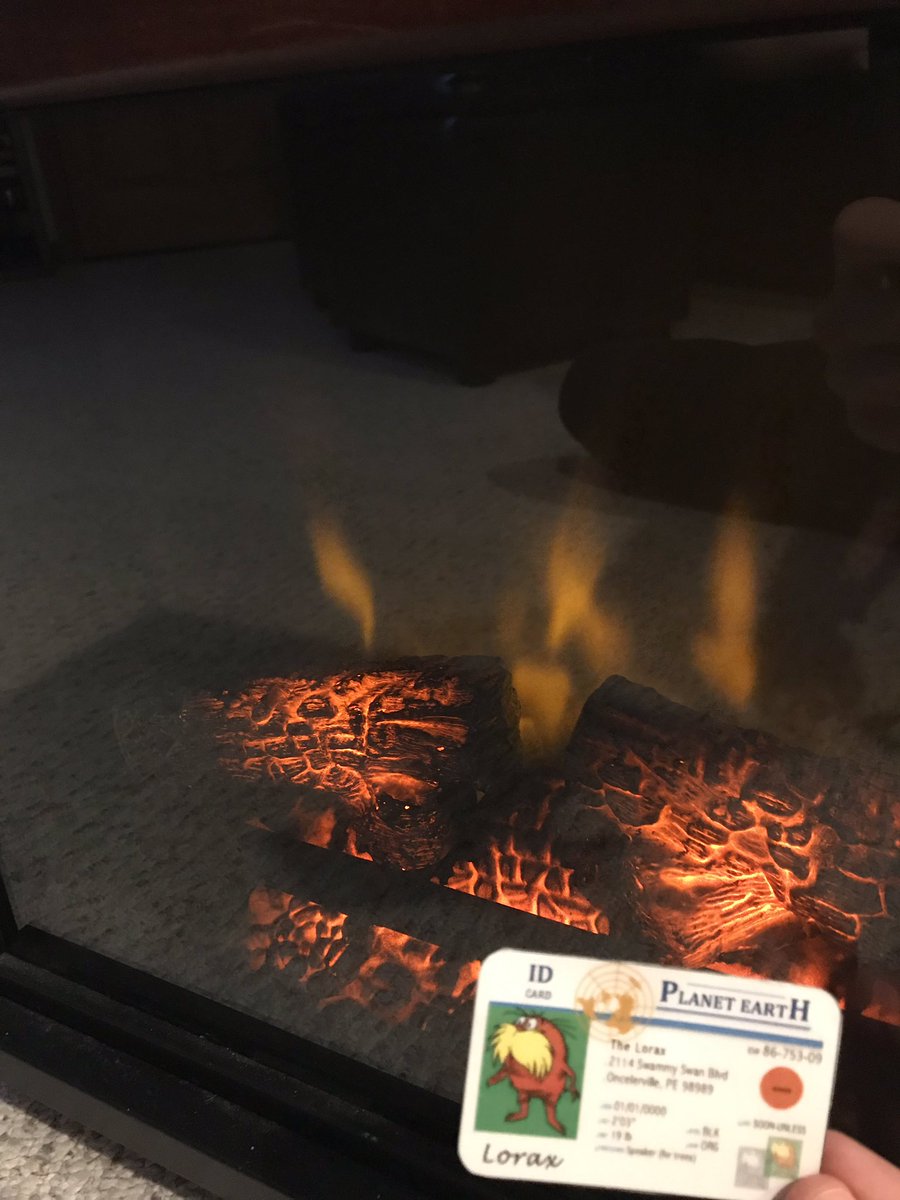
Burning wood for fuel may seem easy but it actually has a lot of negative effects on the environment. For example it causes more soil erosion, as well as it removes oxygen producers from the environment. #apesenergy@franklinlorax
@CW507015apes@franklinlorax Great insight. There are plenty of strategies used in order to help with different situations, just like this one. Another example could be the terracing method. All great ways of farming. #apesland@franklinlorax
Farmers in Wisconsin need to use various strategies and crop layouts in order to avoid losing their great crop to things like outbreak and erosion! Here is a corn field in upper wisconsin that uses some of the strategies that thousands of farmers use! @franklinlorax#APESLand
@baumgardtjoey@SR506342apes@franklinlorax Great insight. There are places all over the world affected by clear cutting. It is an issue that could be argued either way, but saving some the organisms lost from it can help with the biodiversity. #apesland@franklinlorax
this paper most likely came from clear cut trees that could have had a very important species living there, which could have prevented the growth and development of a city such as franklin @franklinlorax#apesland
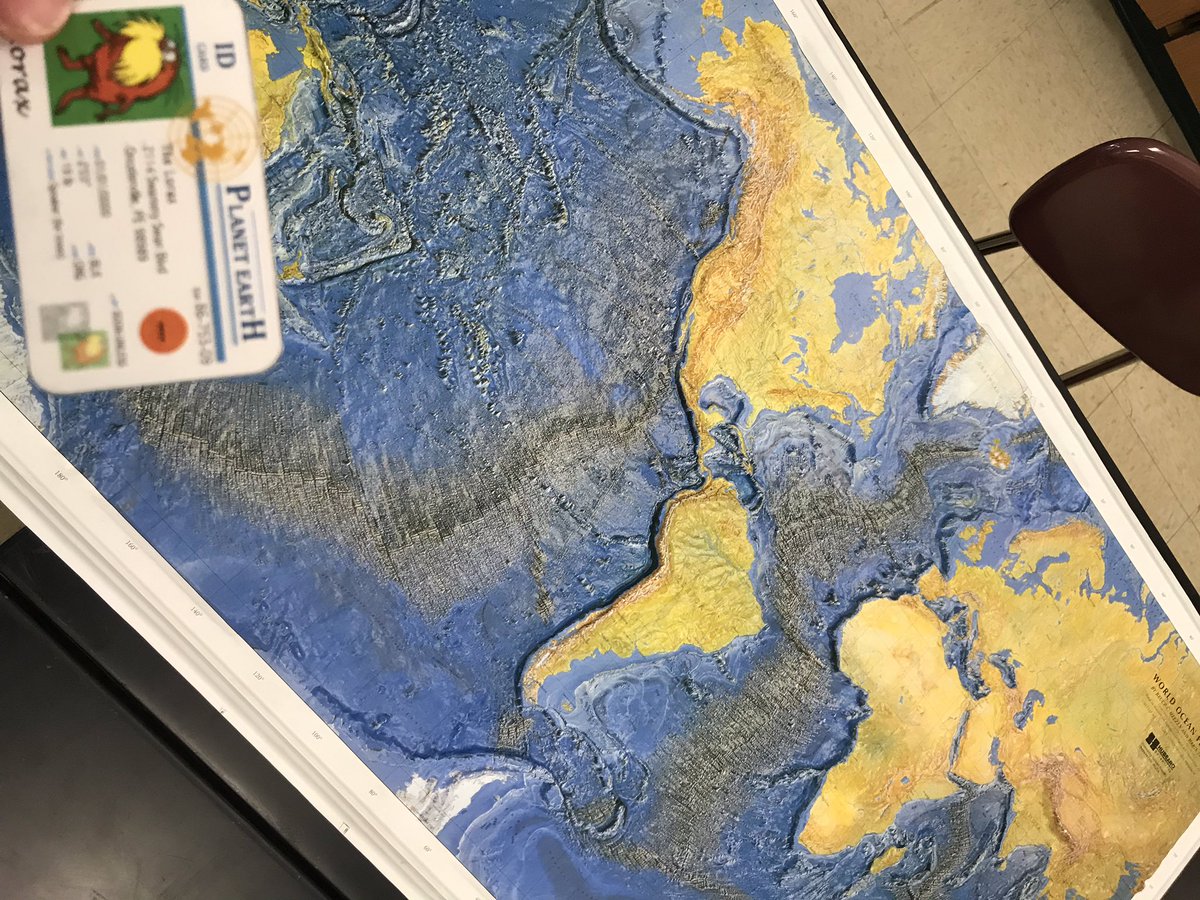
this map is a great example of a topographical map of the world, showing the mountains, valleys and depths of the ocean. these variations can be created by different kinds of fault lines #APESLand@franklinlorax