Save the Rhino Trust

284 posts

Save the Rhino Trust banner
Save the Rhino Trust

Save the Rhino Trust

@SRTNamibia

Helping secure a future for the world's last truly wild black rhino population.

Namibia Katılım Haziran 2016
135 Takip Edilen752 Takipçiler
Save the Rhino Trust
Save the Rhino Trust@SRTNamibia·
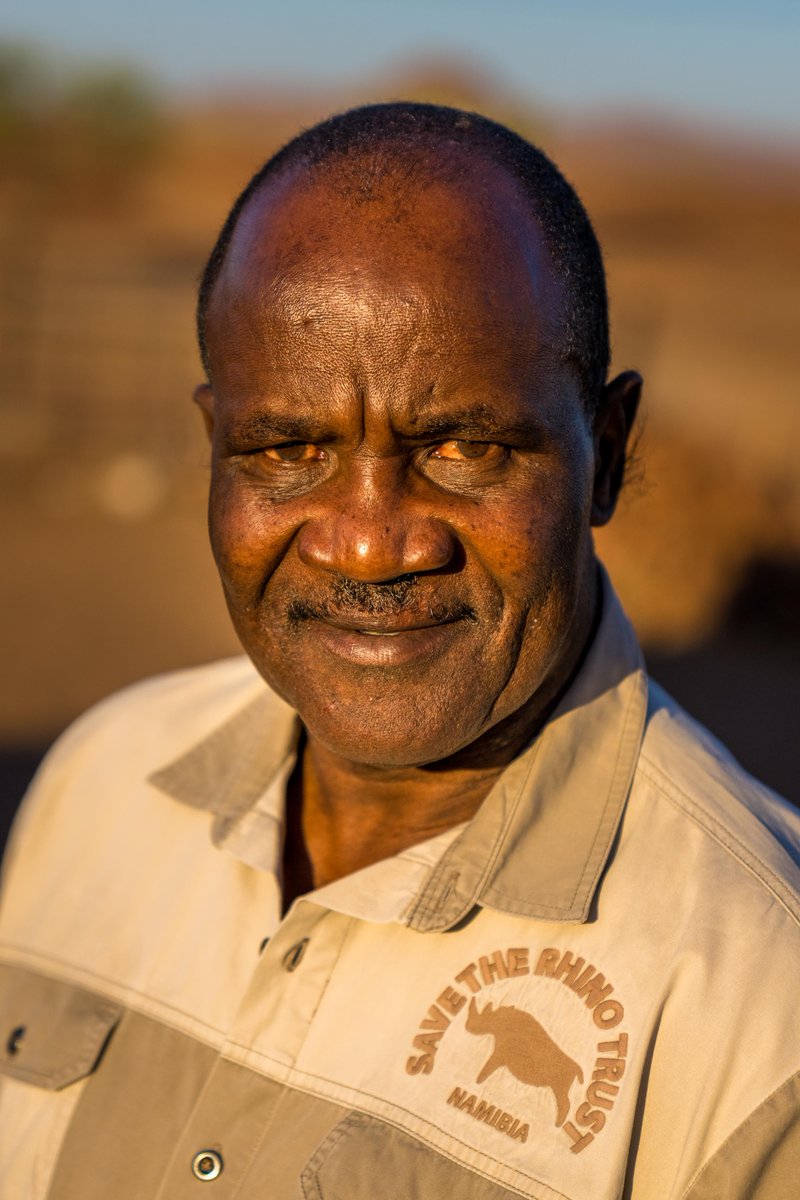
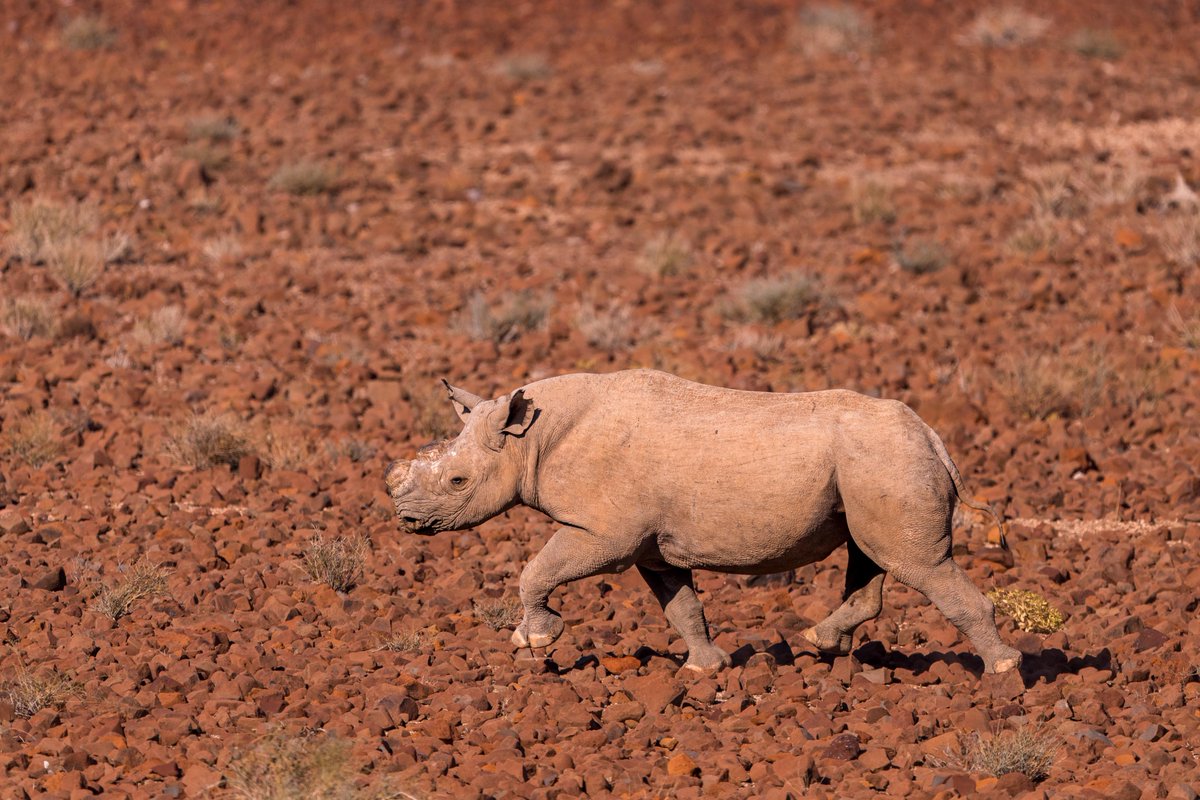
Participatory Rhino Monitoring has been the foundation of Save the Rhino Trust Namibia’s work for more than four decades. Across the Kunene and northern Erongo regions, tracker teams patrol vast landscapes on foot, supported by vehicle patrols. Photo credit: Marcus Westberg
Save the Rhino Trust tweet media
English
0
0
0
5
Save the Rhino Trust
Save the Rhino Trust@SRTNamibia·
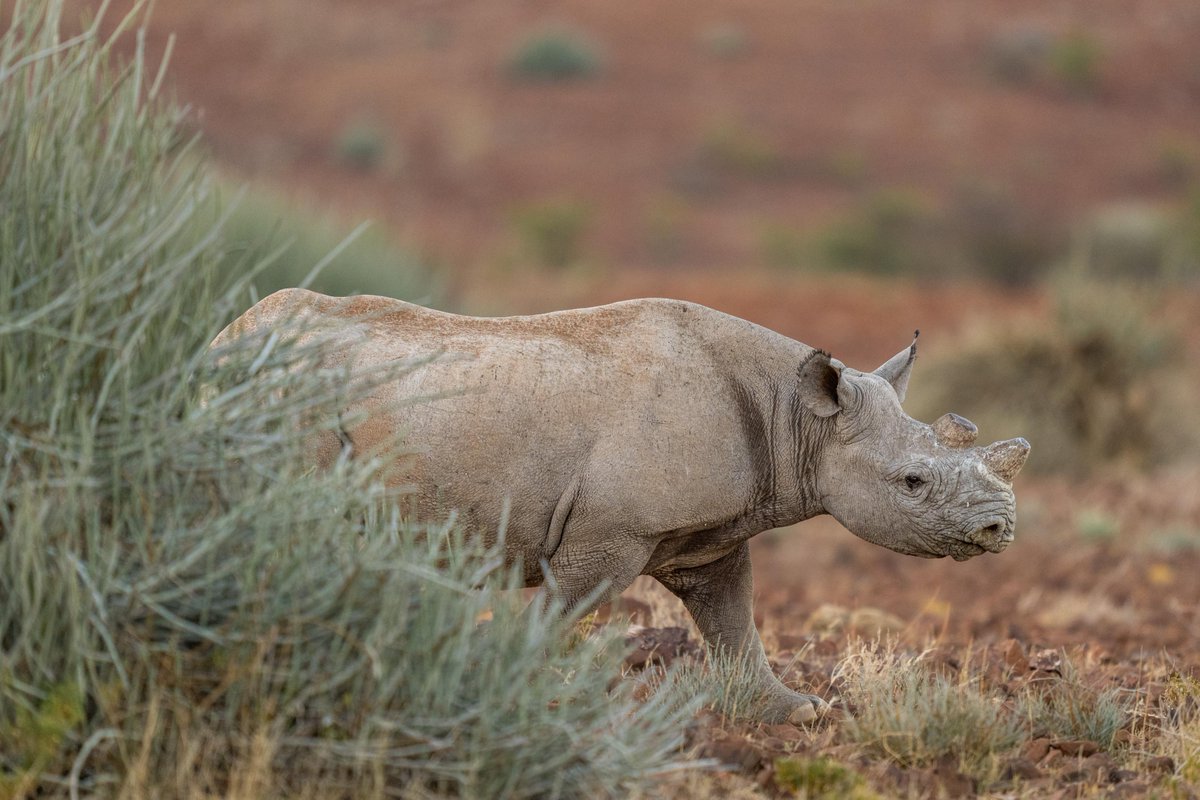
Diceros bicornis. The black rhino’s name tells its story. Diceros comes from the Greek di and ceros, meaning two horns, while bicornis comes from the Latin bi and cornis, also meaning two horns. A name rooted in form, strength and ancient lineage. Photo credit: Marcus Westberg
Save the Rhino Trust tweet media
English
0
0
1
26
Save the Rhino Trust
Save the Rhino Trust@SRTNamibia·
Dehorning is a proactive way to protect rhinos, reducing the reward for poachers and giving these iconic animals a better chance to survive. It forms part of a strategic, integrated approach to anti-poaching. Photo credit: @Marcus Westberg
Save the Rhino Trust tweet media
English
0
0
0
13
Save the Rhino Trust
Save the Rhino Trust@SRTNamibia·
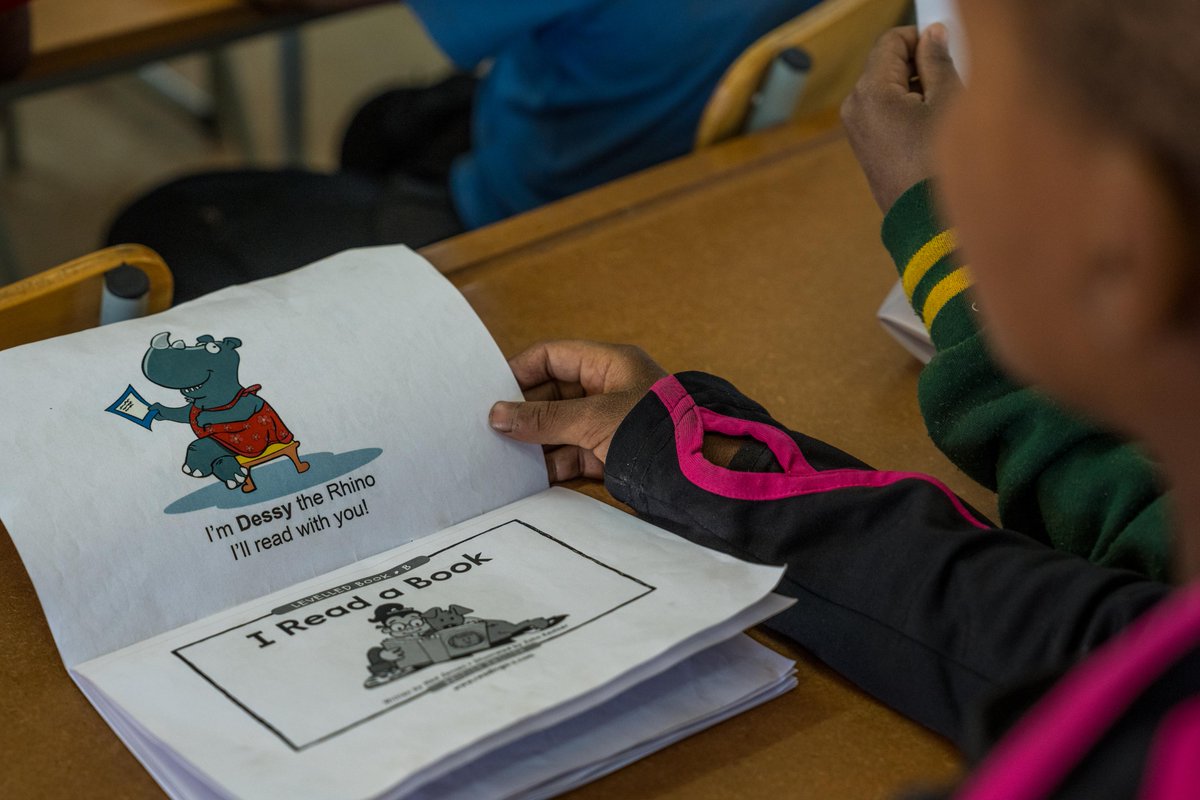
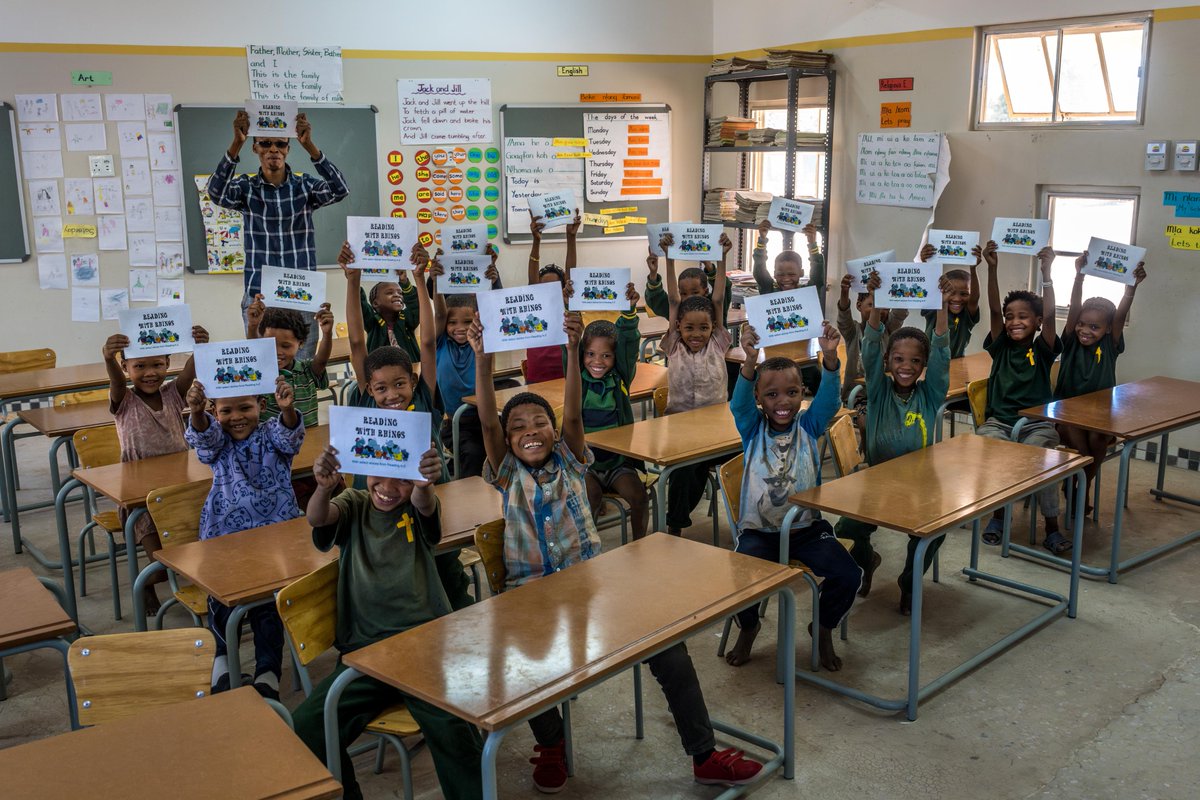
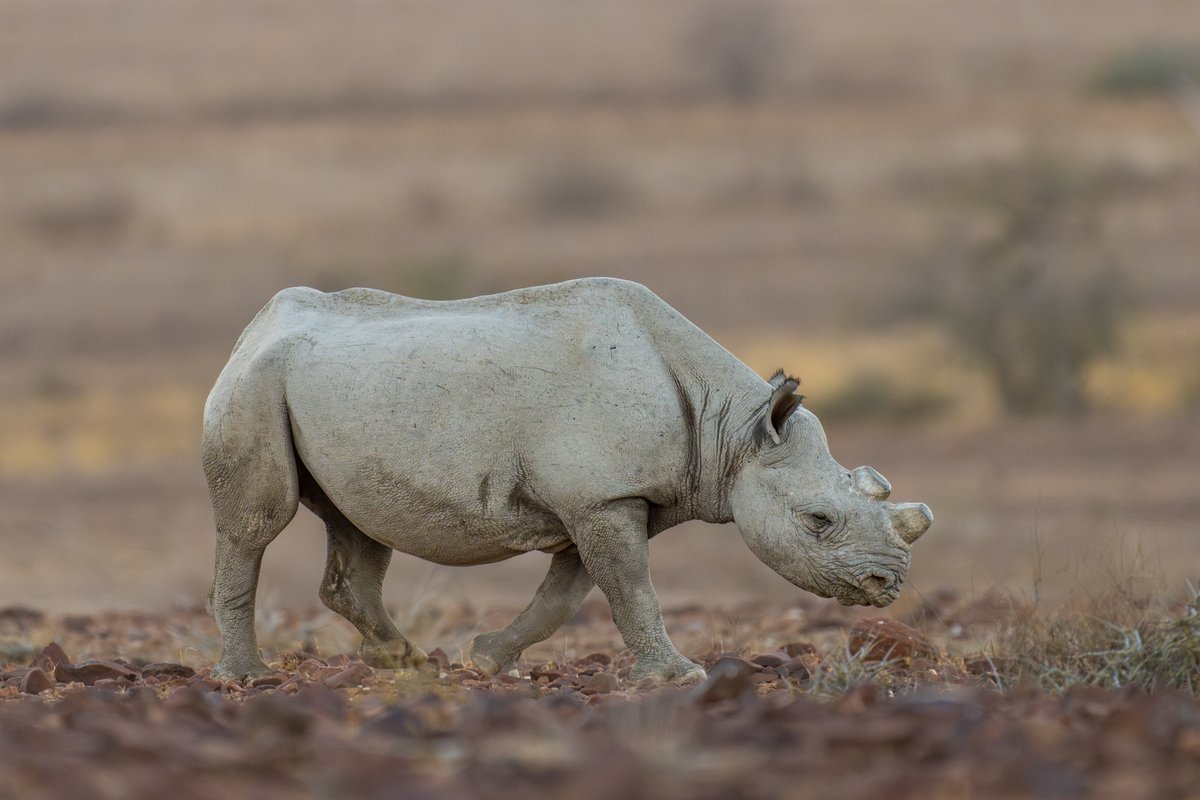
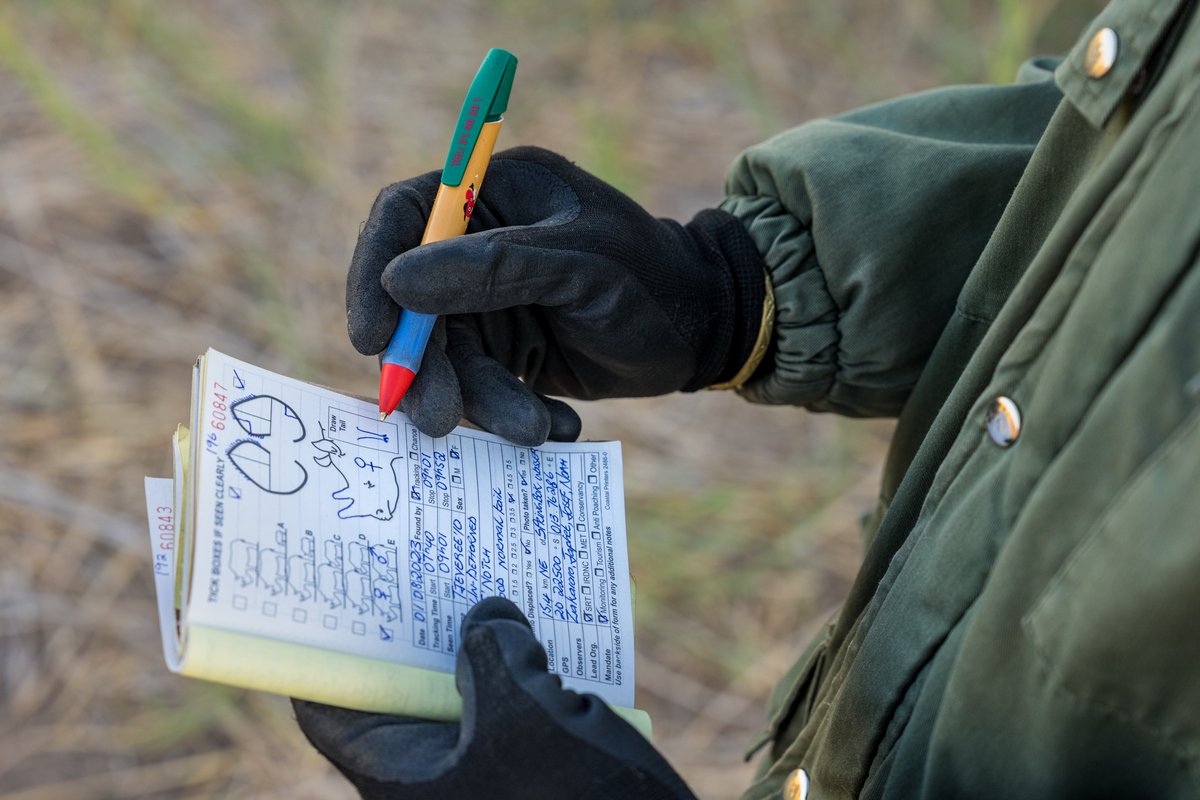
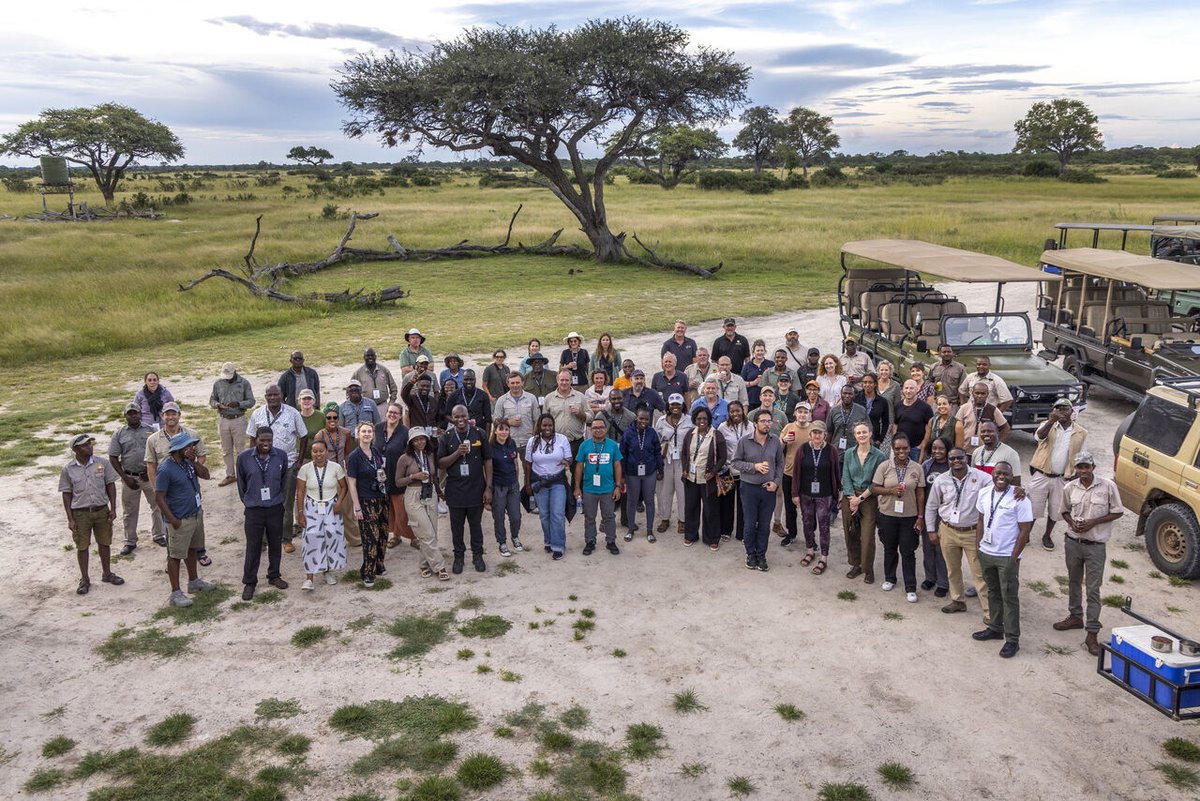
Our Programmes and Partnership Assistant recently represented the organisation at the biennial Tusk Conservation Symposium. The symposium brought together over 70 delegates from TUSK project partners, creating space for knowledge exchange and strengthening networks. #SRT #TUSK
Save the Rhino Trust tweet mediaSave the Rhino Trust tweet mediaSave the Rhino Trust tweet mediaSave the Rhino Trust tweet media
English
0
0
0
18
Save the Rhino Trust
Save the Rhino Trust@SRTNamibia·
Save the Rhino Trust Namibia has collected vital data on black rhinos across the Kunene, tracking numbers, movements and trends. This information guides conservation decisions and extends to understanding the human role in protecting these animals. Photo credit: Marcus Westberg
Save the Rhino Trust tweet media
English
0
0
1
17
Save the Rhino Trust
Save the Rhino Trust@SRTNamibia·
A footprint in the desert sand. A legacy millions of years old. This World Wildlife Day, we stand in protecting Namibia’s desert adapted black rhino. Their survival depends on vigilance, partnership and hope. Together, we keep them roaming free. Photographer: @marcus westberg
Save the Rhino Trust tweet media
English
0
1
1
49
Save the Rhino Trust
Save the Rhino Trust@SRTNamibia·
Save the Rhino Trust Namibia uses a Mule Patrol Unit. Combining the speed of horses with the sure-footed endurance of donkeys, these mules carry trackers, binoculars, GPS units, and cameras across rocky passes far beyond vehicle access. Photo credit: Marcus Westberg
Save the Rhino Trust tweet mediaSave the Rhino Trust tweet media
English
0
0
1
22
Save the Rhino Trust
Save the Rhino Trust@SRTNamibia·
It is vast, rugged and unforgiving. Yet it is here that some of Namibia’s most important conservation work takes place, where skilled local trackers move quietly across riverbeds and mountains, protecting black rhinos. Photo credit: Marcus Westberg
Save the Rhino Trust tweet media
English
0
0
1
80
Save the Rhino Trust
Save the Rhino Trust@SRTNamibia·
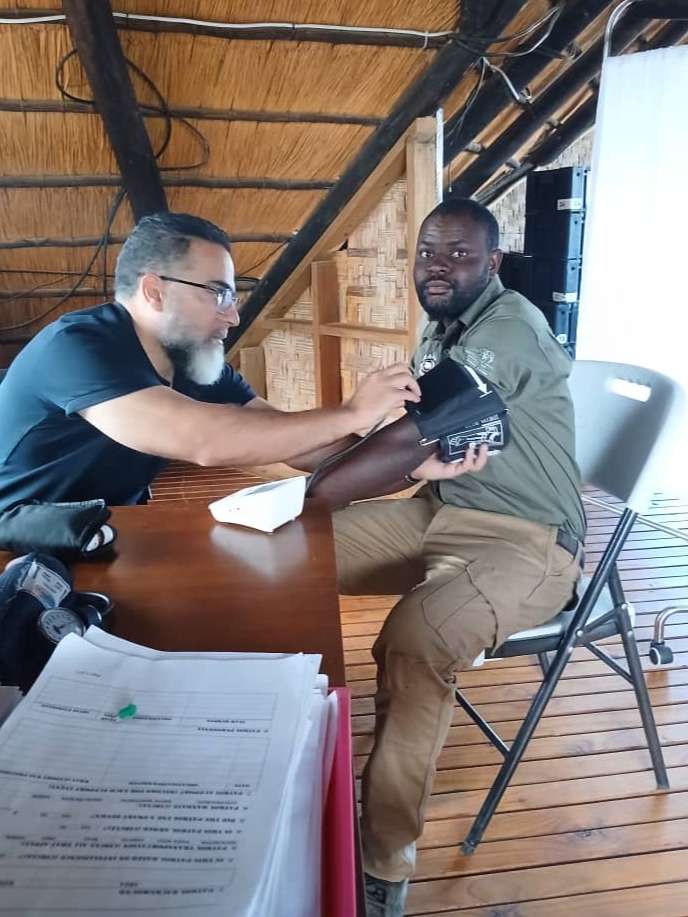
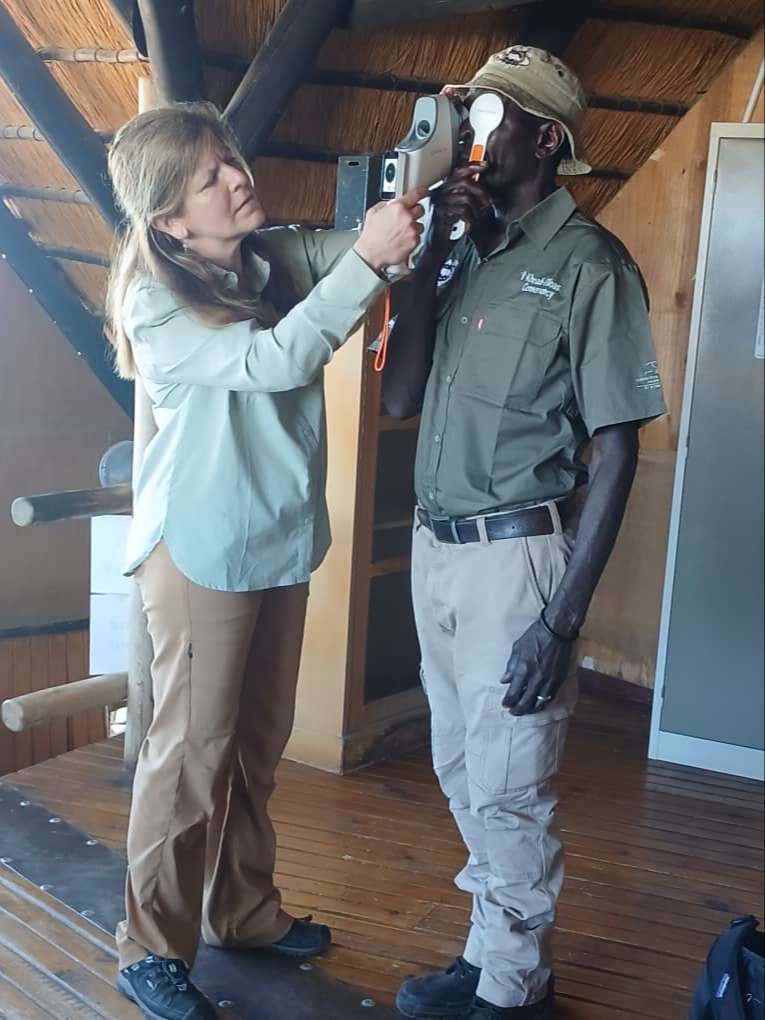
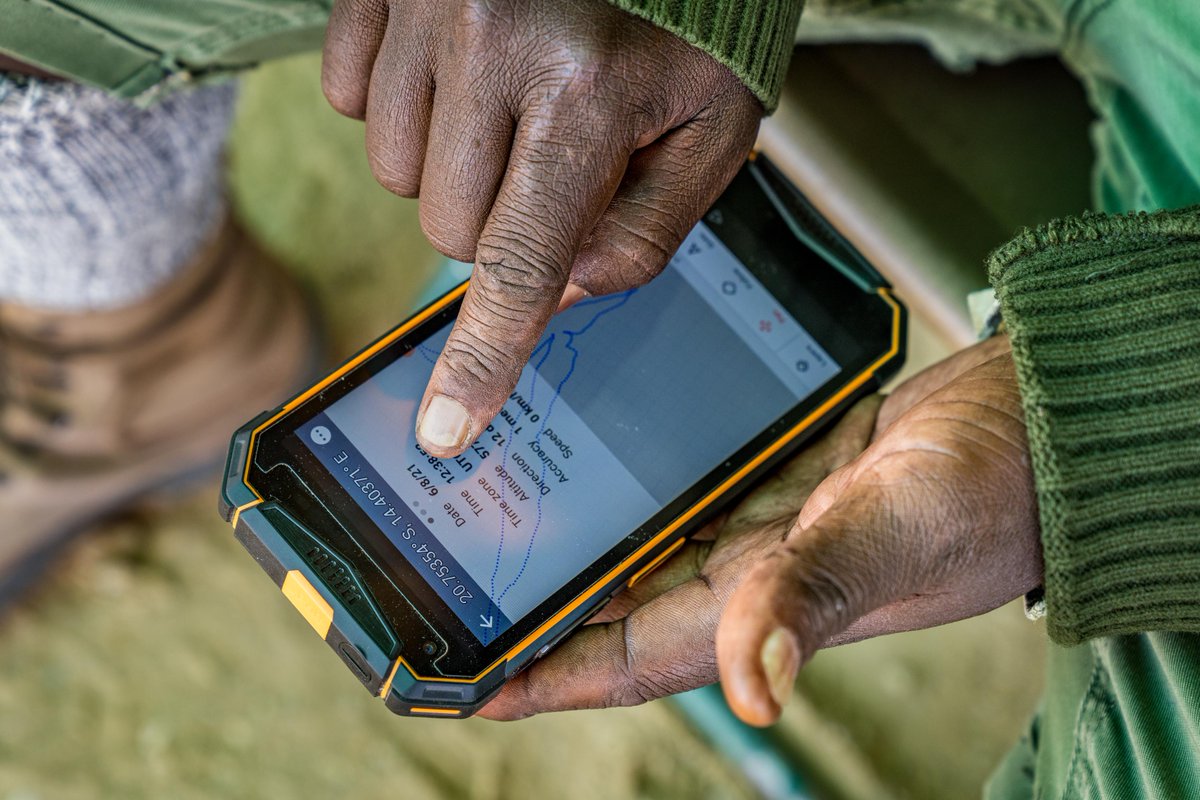
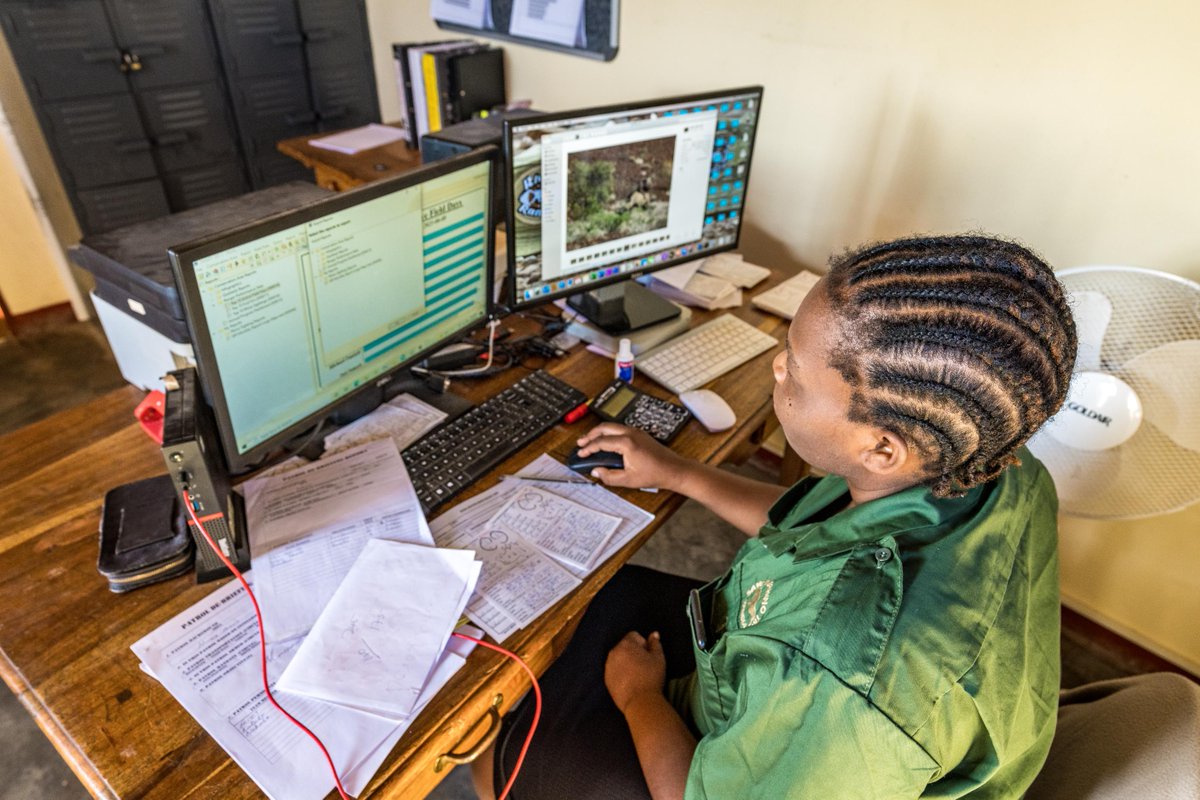
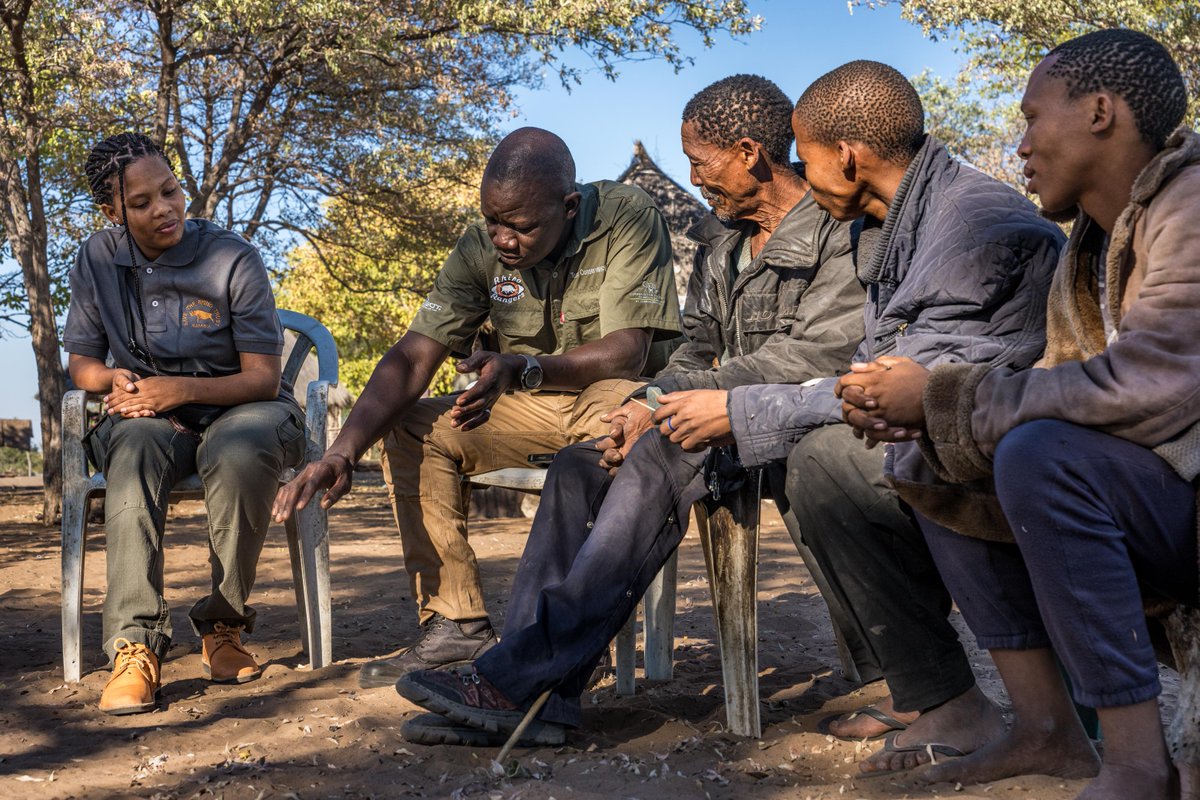
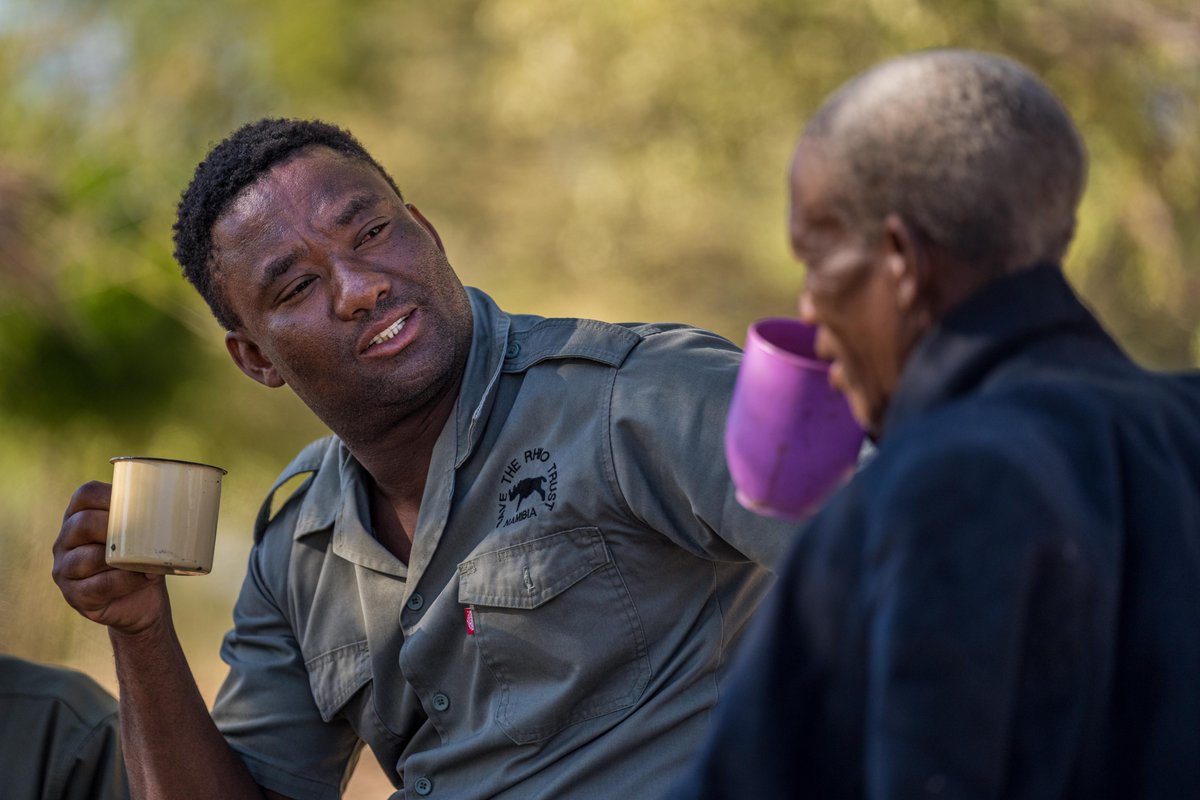
This week, Save the Rhino Trust hosted welfare sessions for Conservancy Rhino Rangers, focusing on the well-being of our frontliners. Over 60 rangers engaged in discussions on mental health, GBV, gender roles & substance abuse — strengthening those who protect Namibia’s wildlife.
Save the Rhino Trust tweet mediaSave the Rhino Trust tweet mediaSave the Rhino Trust tweet mediaSave the Rhino Trust tweet media
English
0
0
0
12
Save the Rhino Trust
Save the Rhino Trust@SRTNamibia·
Black rhinos are critically endangered, with fewer than 6000 left in the wild. Namibia is home to the largest of all black rhino subspecies, perfectly adapted to survive in harsh, arid landscapes. These animals roam freely in open wilderness, far from zoos or breeding facilities.
Save the Rhino Trust tweet media
English
0
0
0
35
Save the Rhino Trust
Save the Rhino Trust@SRTNamibia·
SRT is turning conservation into a shared win! By combining eco-tourism with black rhino protection in northwestern Namibia, we ensure these iconic animals thrive while local communities benefit from jobs, skills, and a stronger connection to their land.
Save the Rhino Trust tweet media
English
0
0
0
18
Save the Rhino Trust
Save the Rhino Trust@SRTNamibia·
Community development is at the heart of SRT’s work. By partnering with Traditional Authorities, SRT empowers rhino rangers, game guards, and custodians to monitor rhinos, maintain vital data, and run awareness programmes for visitors and young people across Namibia.
Save the Rhino Trust tweet mediaSave the Rhino Trust tweet media
English
0
0
0
8
Save the Rhino Trust
Save the Rhino Trust@SRTNamibia·
SRT was founded in 1982 to protect the last black rhinos of Kunene and Erongo. What began with Blythe Loutit, a Land Rover and the sale of her artwork grew into community patrols. SRT later built the world’s longest-running photographic and life-history database of black rhinos.
Save the Rhino Trust tweet media
English
0
0
1
32
Save the Rhino Trust
Save the Rhino Trust@SRTNamibia·
Once widespread across Namibia, desert-adapted black rhinos now roam freely across communal lands in the Kunene region. These iconic animals are not actually black. Their name may set them apart from white rhinos or come from the dark soil that coats their skin after wallowing.
Save the Rhino Trust tweet media
English
0
0
0
12
Save the Rhino Trust
Save the Rhino Trust@SRTNamibia·
Real conservation. Real results. Buy a Rhino Guardianship Certificate and fund the rangers protecting Namibia’s black rhinos. Get yours at wadappt.io.
English
0
0
0
5