
Sabitlenmiş Tweet
Fields
2.1K posts


Fields
@SamFields1989
Professional dad | Dog lover | Engineering enthusiast | SpaceX & Tesla nerd | Amateur photographer & Rock/Blues/Metal survivor
PT Katılım Kasım 2019
1K Takip Edilen103 Takipçiler



Fields retweetledi

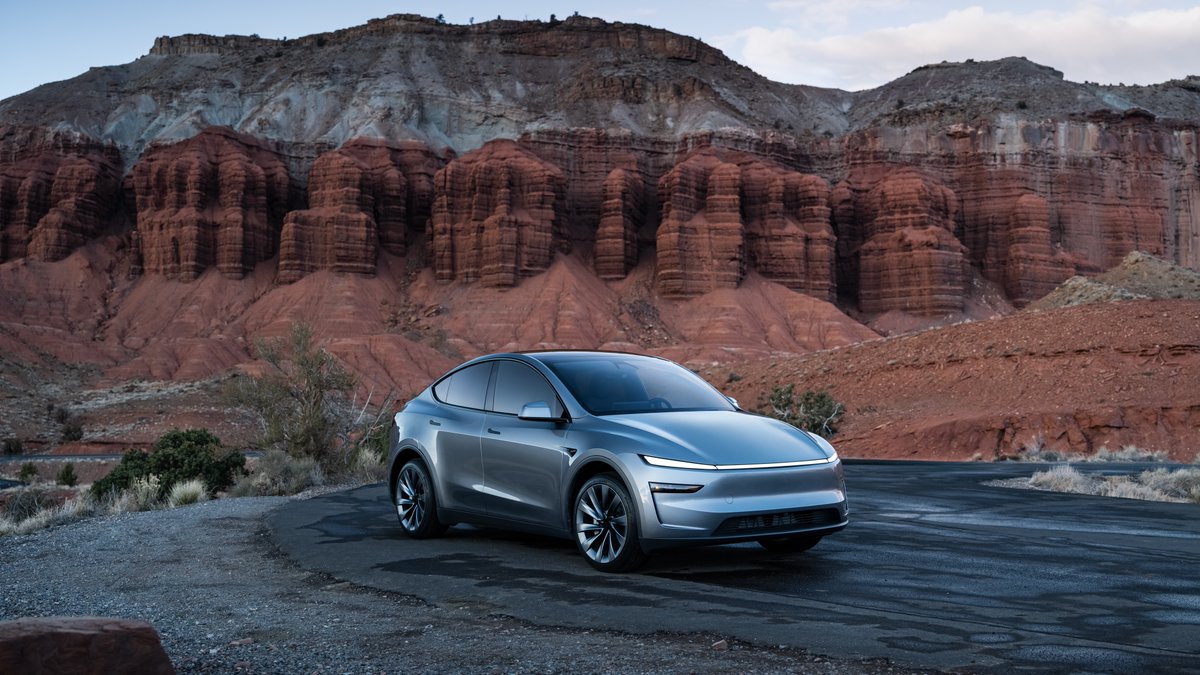
The NHTSA has just officially announced that the 2026 @Tesla Model Y is the first vehicle model to pass the agency’s new advanced driver assistance system tests.
2026 Tesla Model Y vehicles, manufactured on or after Nov. 12, 2025, successfully met the new criteria for four newly integrated advanced safety tests:
• Pedestrian automatic emergency braking
• Lane keeping assistance
• Blind spot warning
• Blind spot intervention
“Today’s announcement marks a significant step forward in our efforts to provide consumers with the most comprehensive safety ratings ever,” said NHTSA Administrator Jonathan Morrison. “By successfully passing these new tests, the 2026 Tesla Model Y demonstrates the lifesaving potential of driver assistance technologies and sets a high bar for the industry. We hope to see many more manufacturers develop vehicles that can meet these requirements.”

English
Fields retweetledi

Fields retweetledi

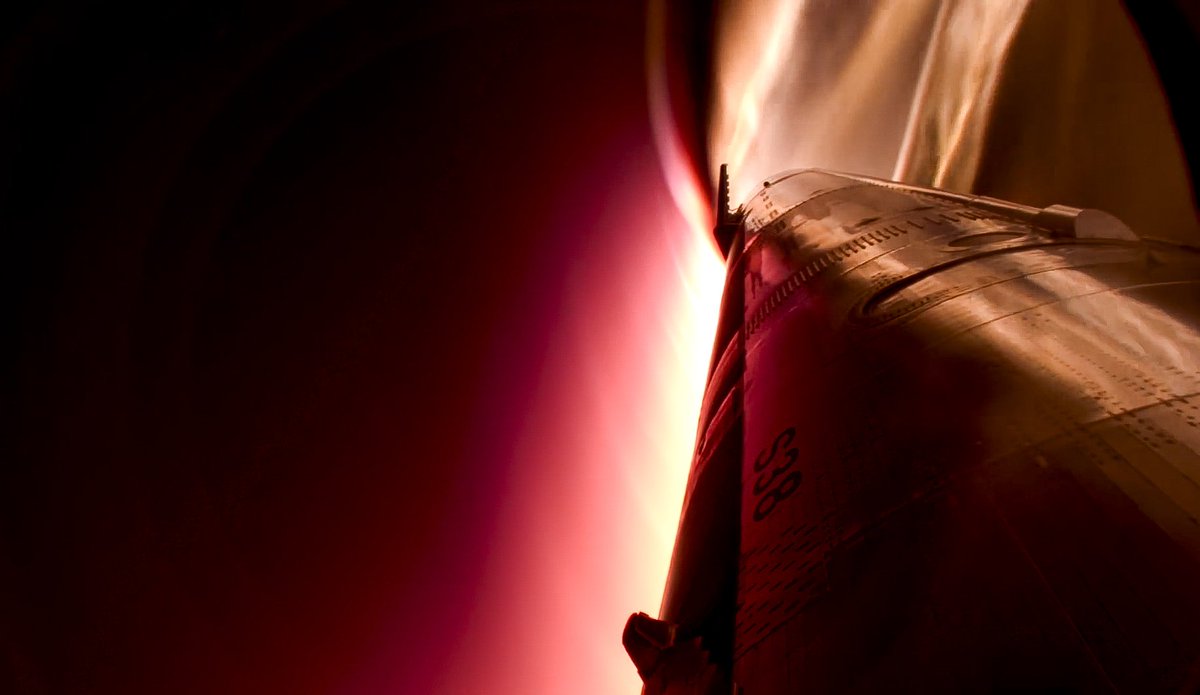
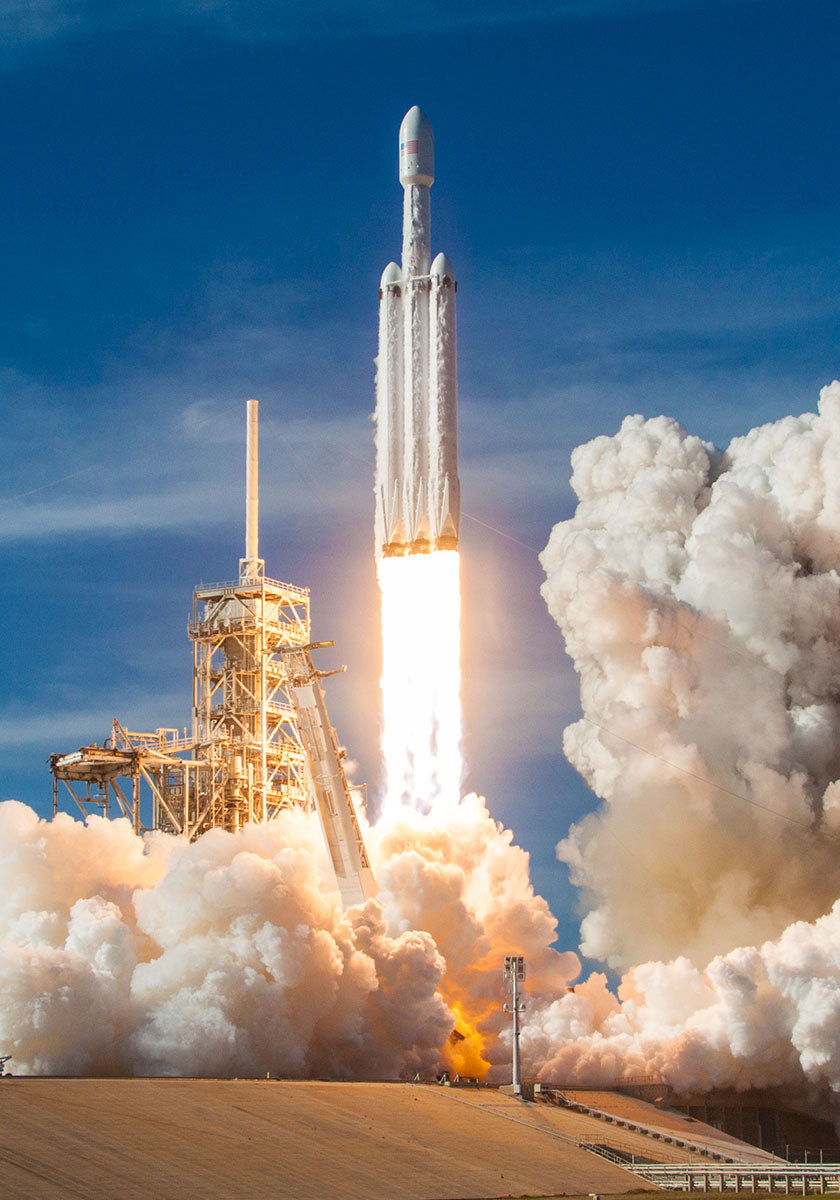
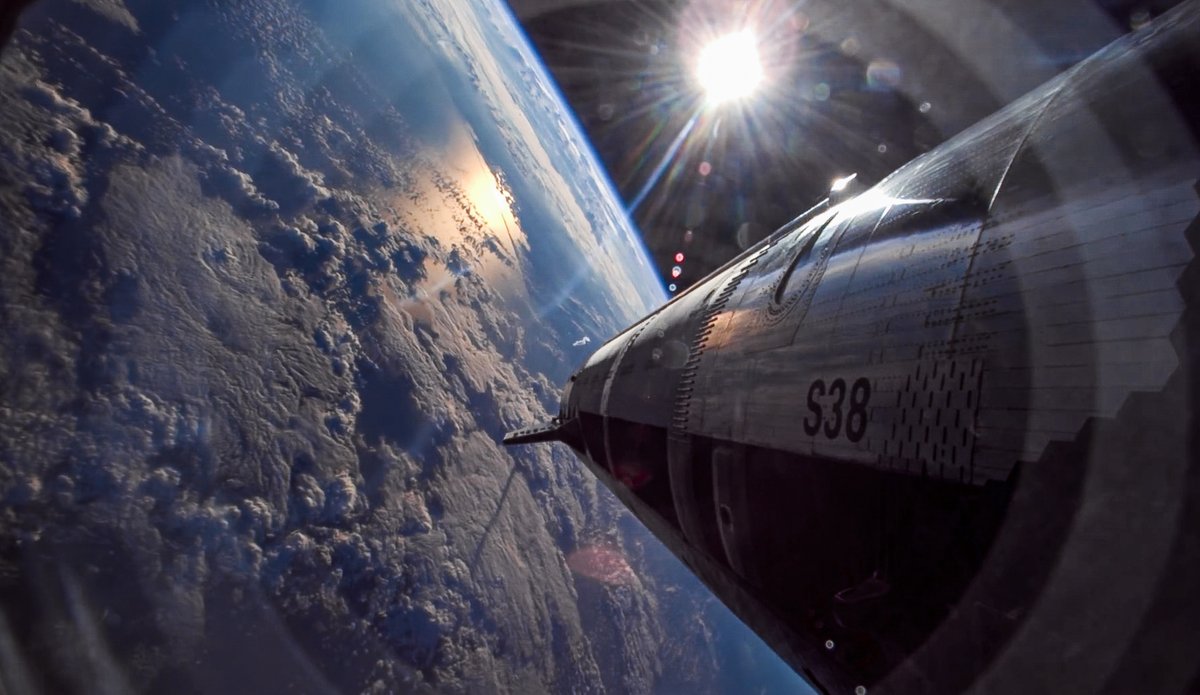
NASA: "We expect a 6-minute blackout during re-entry due to plasma."
SpaceX: "Watch this in 4K."
English

🚨 NASA WARNS ARTEMIS II FACES A HIDDEN THREAT — FLAMMABLE ASTRONAUT FARTS COULD BUILD UP INSIDE ORION
A science expert just said something on television that NASA doesn’t usually say out loud…
Astronauts fart in space.
And inside the Orion spacecraft… space farts don’t just disappear.
Those fumes can actually be flammable.
• Farts release methane + hydrogen in a sealed capsule
• Both gases can build up in a confined environment
• NASA studied astronaut diets for YEARS to reduce how much they fart
• Apollo recordings caught crews complaining about how brutal it got inside
Now Artemis II is about to test this again.
Yes, Orion has air scrubbers… but in a small capsule, with multiple astronauts, for days…
It doesn’t just go away.
It builds.
And in space, there’s nowhere to escape it.
How bad do you think it actually gets inside that capsule?
English
Fields retweetledi

AS 60 MELHORES
1. As lágrimas do Chuck Norris curam o câncer. O problema é que ele é tão macho que não chora nunca. Nunca!
2. Chuck Norris não dorme. Ele espera.
3. Chuck Norris não faz flexões. Ele empurra a Terra para baixo.
4. Chuck Norris contou até o infinito. Duas vezes.
5. Quando o Bicho-Papão vai dormir, ele checa embaixo da cama e no armário pra ver se tem Chuck Norris.
6. Chuck Norris morreu há 20 anos. A Morte só não teve coragem de contar pra ele.
7. Chuck Norris não lê livros. Ele os encara até conseguir toda a informação que precisa.
8. Chuck Norris pode dividir por zero.
9. A Grande Muralha da China foi construída pra impedir Chuck Norris de entrar. Falhou miseravelmente.
10. Debaixo da barba de Chuck Norris não tem queixo. Tem outro punho.
11. Chuck Norris não usa relógio. Ele decide que horas são.
12. Chuck Norris jogou roleta russa com um revólver totalmente carregado e ganhou.
13. Quando Chuck Norris urina, o jato perfura titânio.
14. Chuck Norris tem um tapete de urso-polar. O urso não está morto… só com medo de se mexer.
15. Chuck Norris perdeu a virgindade antes do próprio pai.
16. Não existe teoria da evolução. Só existe uma lista de criaturas que Chuck Norris permitiu que vivessem.
17. Chuck Norris não dá descarga. Ele assusta a privada.
18. Quando Deus disse “Faça-se a luz!”, Chuck Norris respondeu: “Diga ‘por favor’”.
19. Chuck Norris não fica molhado. A água fica Chuck Norris.
20. Chuck Norris pediu um Big Mac no Burger King e foi atendido imediatamente.
21. O Triângulo das Bermudas era um quadrado até Chuck Norris dar um roundhouse kick num dos cantos.
22. Chuck Norris não tem medo do escuro. O escuro tem medo de Chuck Norris.
23. Chuck Norris inventou o preto. (O rosa foi invenção do Tom Cruise.)
24. Chuck Norris não usa toalha. A água escorre dele com medo.
25. Armas não matam pessoas. Chuck Norris mata pessoas.
26. Chuck Norris não se molha no banho. Ele faz a água se lavar.
27. Quando Chuck Norris entra numa sala, ele não acende a luz. Ele apaga a escuridão.
28. Chuck Norris levou uma facada no olho. A faca ficou cega.
29. Chuck Norris não compra manteiga. Ele dá roundhouse kick nas vacas e elas viram manteiga.
30. Chuck Norris inventou a cesariana dando um roundhouse kick pra sair da barriga da mãe.
31. O espaço sideral existe porque tem medo de ficar no mesmo planeta que Chuck Norris.
32. Chuck Norris não liga pro número errado. Quem atende o telefone errado é que se ferra.
33. Chuck Norris faz as cebolas chorarem.
34. Chuck Norris pode criar fogo esfregando dois cubos de gelo.
35. Quando Chuck Norris olha no espelho, o espelho baixa o olhar.
36. Chuck Norris chutou a velocidade da luz e voltou no tempo.
37. O diário de Chuck Norris chama-se Guinness Book dos Recordes.
38. Chuck Norris não tem casa. Ele escolhe uma e os donos se mudam.
39. Chuck Norris não precisa de clones. Ele olha no espelho e deixa o reflexo andar.
40. Galinhas tinham dentes até uma morder Chuck Norris.
41. Chuck Norris não toma mel. Ele come a abelha.
42. Chuck Norris ganhou do espelho no par ou ímpar escolhendo ímpar.
43. Chuck Norris não treme na barra. É a barra que treme quando vê Chuck Norris.
44. O leão tem Chuck Norris tatuado nas costas.
45. Chuck Norris visitou as Ilhas Virgens. Agora elas se chamam só “Ilhas”.
46. Chuck Norris usa óculos escuros para proteger o Sol dos olhos dele.
47. Os melhores desinfetantes matam 99,9% dos germes. Chuck Norris mata 100% de tudo que quiser.
48. Chuck Norris não liga o chuveiro. Ele fica encarando até o chuveiro começar a chorar.
49. Chuck Norris chutou um cavalo no queixo e nasceram as girafas.
50. Chuck Norris jogou uma granada e matou 50 pessoas. Depois a granada explodiu.
51. Chuck Norris tem 12 luas. Uma delas se chama Terra.
52. Chuck Norris não acredita em duendes. (Eles acreditam nele.)
53. Chuck Norris pode baixar hardware.
54. Quando Chuck Norris faz carinho num tigre, o tigre anda de costas.
55. Chuck Norris não usa óculos escuros para proteger os olhos. Usa para proteger o Sol.
56. Chuck Norris já esteve em Marte. Por isso não tem sinais de vida lá.
57. Chuck Norris pode tocar no MC Hammer.
58. Chuck Norris inventou o sexo, as drogas e o rock n’ roll. Nessa ordem.
59. Chuck Norris não passa a mão na barba. A barba passa a mão nele.
60. Se Chuck Norris se atrasar, o tempo anda mais devagar pra esperar ele.
GIF
Português
Fields retweetledi
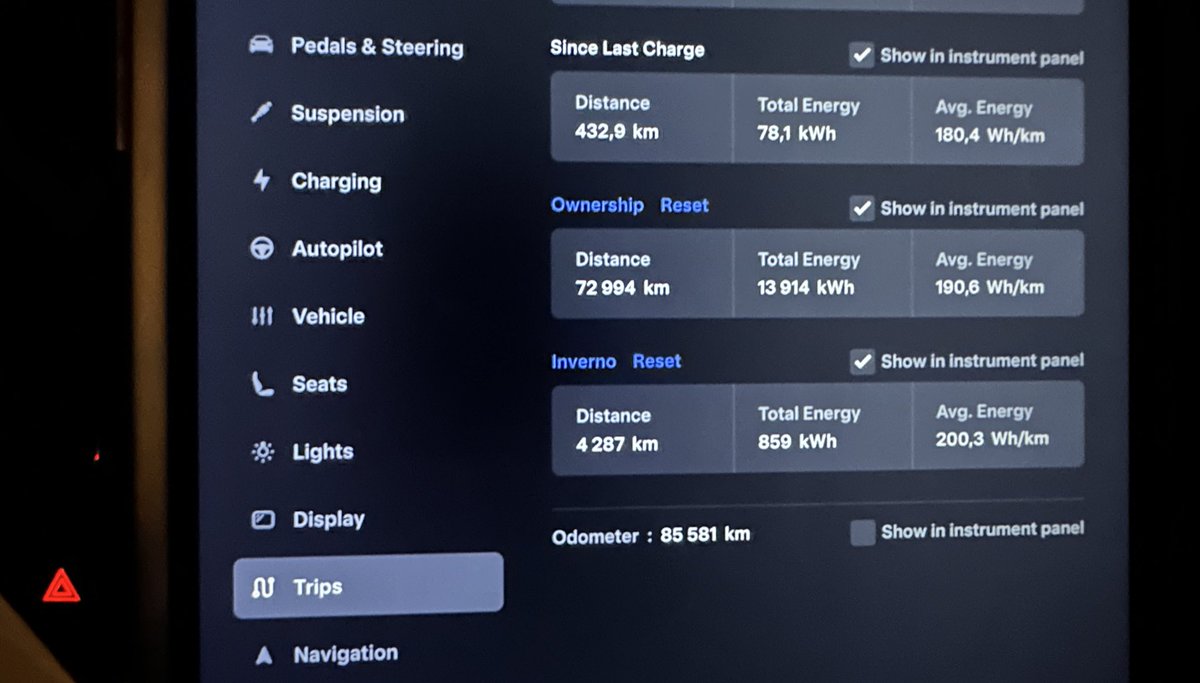
Fazer 1000 km por 0€ 💶
Esta semana fiz Covilha - Albufeira- Covilhã sem gastar 1 cêntimo em energia. Como foi possível? A resposta é rede Tesla Supercharger.
Com a abertura do Supercharger de Castelo Branco a nossa rotina de viagem para o Algarve mudou e já não há a necessidade de carregar no nosso ponto de descanso/almoço em Évora.
O nosso X faz o percurso pelo interior de Supercharger em Supercharger e ter carregamento grátis na rede Tesla é para nós uma vantagem que corta gastos importantes. Apostar cedo numa marca como a Tesla quando muitos diziam que eram carros de modas que iriam ser esquecidos ou que iriam dar problemas rapidamente, mostrou o oposto e vamos colhendo os frutos.
Gastos da viagem?! Perto de 12€ em portagens da passagem na A2 😁
Tal como nos mercados, estudar e ter convicção traz frutos mais tarde
Bons km



Português
Fields retweetledi
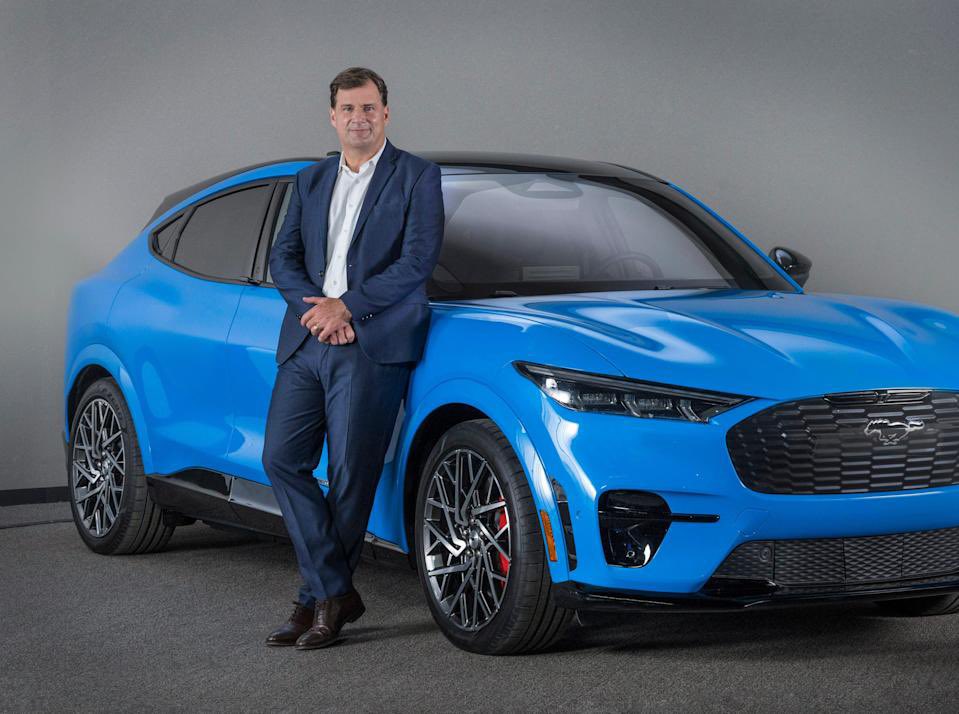
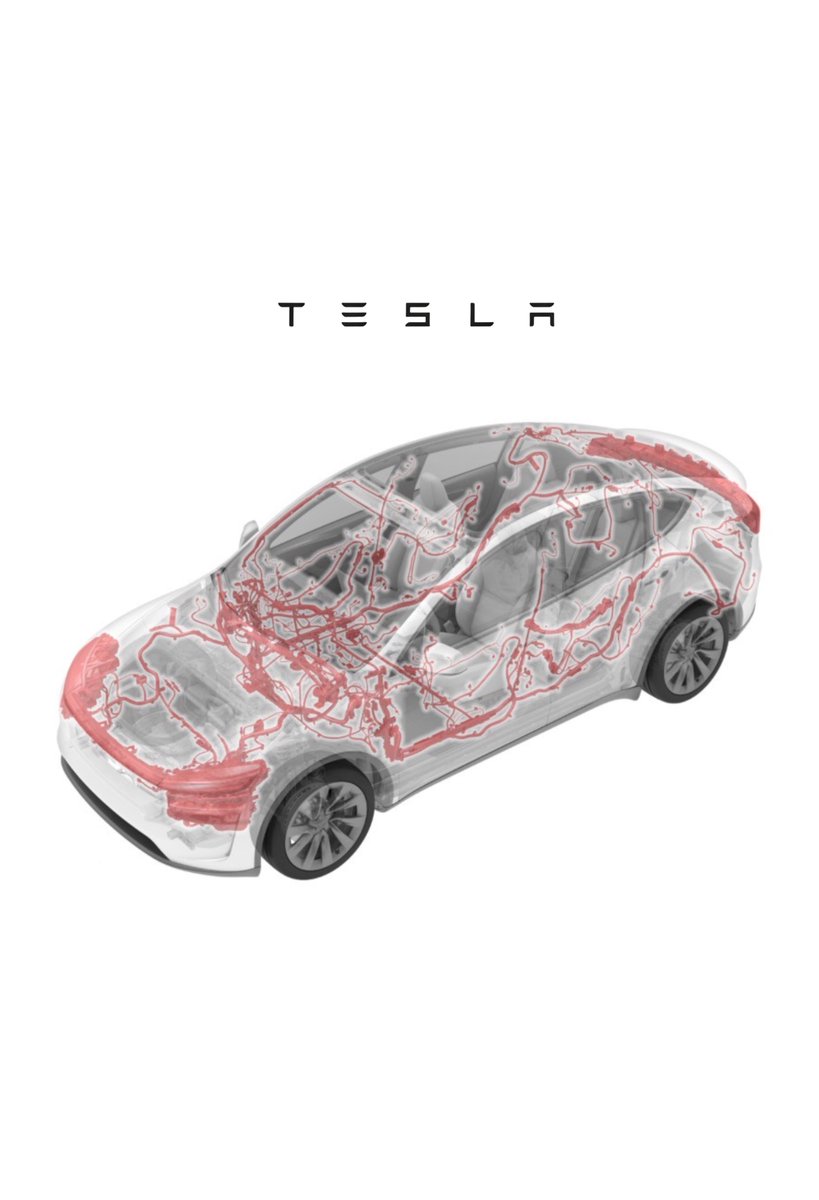
Ford CEO Jim Farley, in a new interview, says he realized Ford had been doing EVs all wrong after his team ripped apart a Tesla:
“When we ripped apart a Tesla, I was just absolutely flabbergasted. The Mach-E's wiring harness was 70 pounds heavier and 1.6 kilometers longer. We didn't know what was going on in [Tesla engineers' ] minds. But now we understand. They had no prejudice. We had prejudice. We'd gone to our supply-chain person and said, "Buy another wiring harness." [Tesla] said, "Let's design the vehicle for the lowest, smallest battery." Totally different approach.”
English
Fields retweetledi

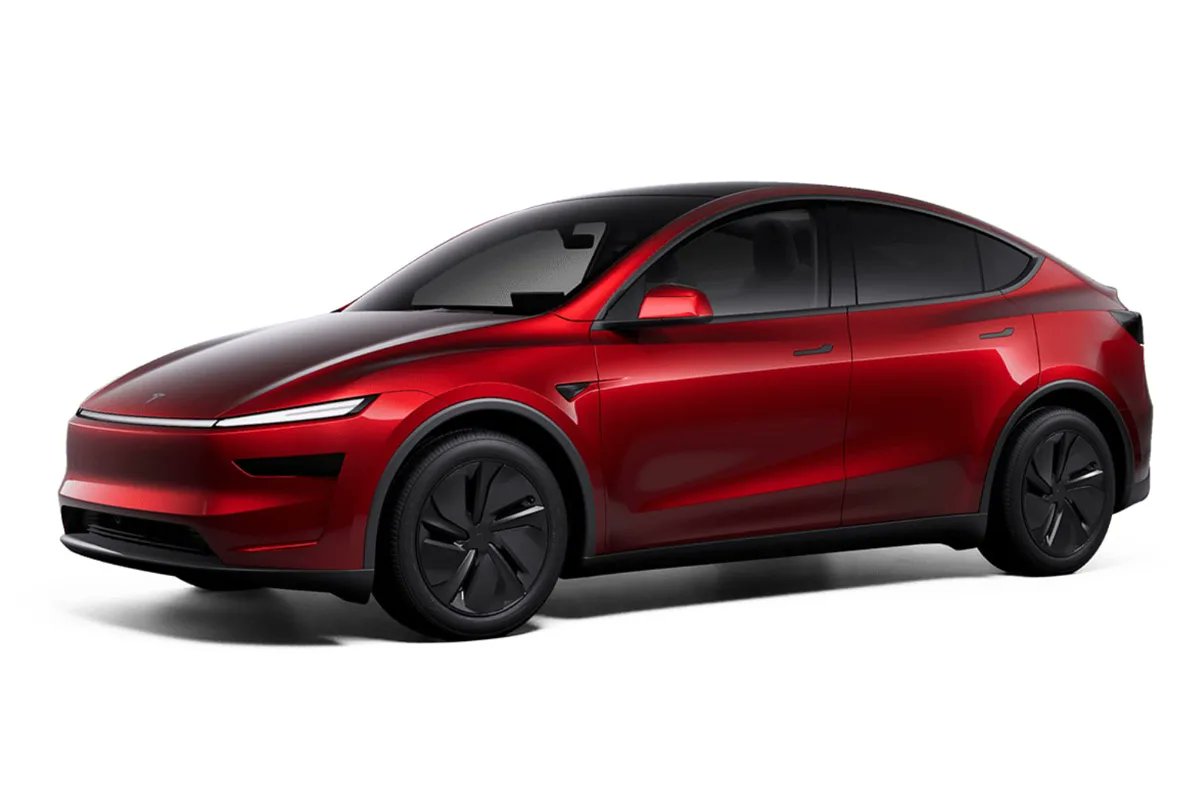
I just got back from a 4 hour demo drive in a new Tesla Model Y Premium and I’m still kind of buzzing.
I've watched the videos. I’ve read the stories. I thought I understood what FSD was. I did not, not even close!
Because when you’re actually in it and you let it do its thing, it’s not a “cool feature.” It feels like you just stepped a few years into the future!
I tried everything. FSD, regen braking, the acceleration, Summon, self parking, super charging and switching between driving and FSD on the fly. And man… FSD was the part that messed with my brain in the best way!
It handled city streets like a pro! It rolled through parking lots, found spots, and self parked. It went right through construction zones with workers out there directing traffic with flags, and it just… did the right thing. Smooth, not sketchy at all! I kept waiting for the moment I’d have to grab the wheel and save it.
I never had to take over! Didn't even have one moment where I felt like I might need to!
Then the built in Grok planned a scenic route that was actually fun, not just “fastest route” boring. And while it was driving, I played with Grok in Assistant mode and Unhinged mode and I’m not gonna lie, I was laughing out loud because it felt like having a smart, slightly chaotic co pilot that still stays useful.
Regen braking was another shock. It takes like five minutes and your brain clicks and you start thinking, why does every car not feel like this? The acceleration is stupid quick! Summon was straight up wild to see in person! Watching that car drive through the parking lot to meet me with no one on board was crazy!
I’m telling you, experiencing it is completely different than hearing about it!
If you’ve been on the fence, go do a demo drive. Give it time. Try it on real streets, real parking lots, real situations.
Because after today, I get it!
I’m ready to buy.. NOW!
What do you want to try most, FSD, regen braking, Summon, or just feeling that acceleration?
@elonmusk - this is truly the future! I am amazed!
English
Fields retweetledi
Fields retweetledi

5 dias sem luz na zona centro. (Energia voltou)⚡
A minha casa? Nunca parou.
Powerwall + painéis bem dimensionados fizeram TODA a diferença durante a Kristin. Aguentaram ventos record.
O meu instalador está a receber muitos pedidos após a tempestade.
Deixo aqui o formulário para quem quer orçamento, ele responde a todos:
forms.gle/mNxsQssM153w4J…

Português
Fields retweetledi
BREAKING: Tesla has officially started FSD Unsupervised Robotaxi rides for the general public in Austin with no safety monitors in the car, marking a historic milestone for the company.
Congrats @Tesla team!
TSLA99T@Tsla99T
I am in a robotaxi without safety monitor
English
Fields retweetledi

Welcome to the Artemis Accords, Portugal! 🇵🇹
One of America's oldest allies has joined this growing coalition of nations committed to safe, transparent, and peaceful exploration of space.
This 60th signing strengthens the Artemis alliance, ignites more opportunities for transatlantic collaboration, and helps build the orbital and lunar economy.
English
Fields retweetledi
Arquitetura 400V vs 800V - A Tesla está a ficar para trás?!
Sabes por que é que os modelos S3XY da Tesla continuam agarrados à arquitetura de 400V? 👀
Resposta TLDR: Eficiência acima de especificações 👍
Num panorama dos veículos elétricos que evolui a velocidade estonteante, os concorrentes chineses estão numa corrida desenfreada para as arquiteturas de 800V, de modo a conseguirem carregamentos ultra-rápidos. A decisão da Tesla de manter o padrão de 400V nos seus Model 3 e Model Y de grande volume pode parecer contraintuitiva.
No entanto, esta escolha não é sinal de estagnação. É antes o reflexo de uma filosofia muito própria: “primeiro a eficiência”.
Enquanto outros apostam na força bruta de tensões mais elevadas para carregamentos mais rápidos, a Tesla concentra-se em reduzir a quantidade de energia necessária para mover o carro.
Ao aperfeiçoar a aerodinâmica e a gestão da bateria, a Tesla consegue consumos de energia líderes da indústria — tão baixos quanto 11,9 kWh/100 km no Model Y. Como o carro é tão eficiente, consegue funcionar muito bem com baterias de menor capacidade.
Resultado: a necessidade de velocidades de carregamento extremas de 800V diminui bastante… simplesmente porque há muito menos energia para repor para voltar à estrada.
Além disso, a fidelidade da Tesla aos 400V é sustentada pelo seu enorme e exclusivo fosso de infraestrutura: a rede Supercharger. Com mais de 50.000 postos V3 e V4 em todo o mundo, a Tesla já otimizou o sistema atual ao ponto de oferecer uma experiência de utilizador que já rivaliza com o abastecimento de gasolina.
Um Model 3 consegue adicionar 250 km de autonomia em apenas 15 minutos. Isto cria um ecossistema fechado em que a utilidade marginal de passar para 800V — o que talvez poupasse apenas uns poucos minutos por sessão — não justifica a disrupção gigantesca e o custo colossal de remodelar por completo uma rede já tão madura.
Do ponto de vista financeiro, a decisão é uma verdadeira aula de controlo de custos e escalabilidade na produção. Passar uma plataforma de grande volume para 800V exige uma reconstrução total do sistema elétrico do veículo, incluindo a substituição dos inversores baseados em silício por módulos muito mais caros de Carboneto de Silício (SiC).
Como o próprio Elon Musk já referiu, o aumento do custo de materiais e as milhares de milhões necessárias para adaptar as linhas de produção ultrapassam em muito os benefícios incrementais para um carro médio de utilização diária.
A Tesla reserva por isso as arquiteturas de alta tensão exclusivamente para os veículos que realmente as exigem do ponto de vista físico, como é o caso do Cybertruck. Fica assim criada uma clara diferenciação estratégica:�400V continua a ser o padrão para mobilidade elétrica acessível em massa, enquanto 800V é utilizado apenas onde faz sentido para elevada performance e utilidade.
Note-se que inicialmente eu mesmo questionei esta direção da Tesla mas após ver carros como Porsche Taycan, KIA EV6 ou Hyundai Ioniq5 as dúvidas foram-se dissipando, nada como entender e dissecar o hype da realidade. Ainda por cima em alturas de inverno onde muitos VE perdem muita da eficiência

Ming@tslaming
$TSLA 🇨🇳 Do you know why Tesla’s S3XY still stick with the 400V architecture? 👀 TL;DR answer: Efficiency over Specs 👍 In a rapidly evolving EV landscape, Chinese competitors are racing toward 800V architectures to achieve lightning-fast charging. Tesla’s decision to retain the 400V standard for its mass-market Model 3 and Model Y might seem counterintuitive. However, this choice is not a sign of stagnation. It is a reflection of a distinct "efficiency first" philosophy. While others focus on brute-forcing faster charging speeds through higher voltage, Tesla focuses on reducing the energy required to move the car. By perfecting aerodynamics and battery management, Tesla achieves industry-leading energy consumption—as low as 11.9 kWh/100km on the Model Y. Because the car is so efficient, it operates well with smaller battery packs. Consequently, the need for extreme 800V charging speeds is diminished simply because there is less energy to replenish to get you back on the road. Furthermore, Tesla’s adherence to 400V is underpinned by its massive, exclusive infrastructure moat: the Supercharger network. With over 50,000 V3 and V4 stalls globally, Tesla has optimized its existing system to deliver a user experience that already rivals gasoline refueling. A Model 3 can add 250 kilometers of range in just 15 minutes. This creates a closed-loop ecosystem where the marginal utility of upgrading to 800V—which might save only a few minutes per session—does not justify the massive disruption and cost required to overhaul this mature network. Financially, the decision is a masterclass in cost control and manufacturing scalability. Transitioning a mass-market platform to 800V requires a complete reconstruction of the vehicle's electrical system, including switching from silicon-based inverters to expensive Silicon Carbide (SiC) modules. As Elon Musk has noted, the bill-of-materials increase and the billions required to retrofit production lines far outweigh the incremental benefits for an average commuter car. Tesla instead reserves high-voltage architectures strictly for vehicles that physically demand it, such as the Cybertruck. This creates a clear strategic divergence: 400V remains the standard for cost-effective mass transit, while 800V is deployed only for high-performance utility.
Português

grok imagine: close-up view from behind of a fierce fantasy warrior woman in a snowy environment, long platinum blonde hair styled in an elaborate Viking-inspired braid with metallic bronze rings and beads threaded through the strands, intricate black tribal tattoos covering her upper back and shoulders resembling swirling patterns and runes, holding a large ancient sword over her shoulder with the ornate pommel and hilt dusted in snow, gently falling snowflakes in the air, cold atmospheric lighting, cinematic fantasy style, highly detailed, realistic textures, moody winter vibe.
English
Fields retweetledi
Things you don’t need to worry about when buying a Tesla:
• Oil changes (forever)
• Oil filter, air filter, or fuel filter replacements
• Spark plugs or ignition coils
• Transmission fluid changes (Tesla has a simple single-speed gearbox)
• Exhaust system repairs (mufflers, catalytic converters, oxygen sensors)
• Radiator, water pump, or coolant flushes
• Timing belt/chain replacement
• Fuel pump or fuel injector cleaning/replacement
• Serpentine belt or accessory belt replacements
• Head gasket failures
• Replacing 12V batteries (newer Teslas have lithium batteries)
• Transmission faults or failures
• Emissions testing & failing smog checks
• Overheating from coolant leaks or failed thermostats
• Stopping at gas stations
• Gas price fluctuations (the best)
• Multiple brake pad/rotor replacements (regenerative braking enables brakes to last onwards of 100k-200k miles for some people)
• NO MORE CHECK ENGINE LIGHTS.
• Driving past 3 gas stations because “it’s 10 ¢ cheaper 2 miles away”
• Catalytic converter theft (yes that’s a thing)
• Not dealing with aggressive dealerships and service.
+ many more.
All the maintenance a Tesla really needs is:
• Tire Rotations (if applicable)
• Cabin Air filter replacements
• Brake fluid changes if needed after MANY years
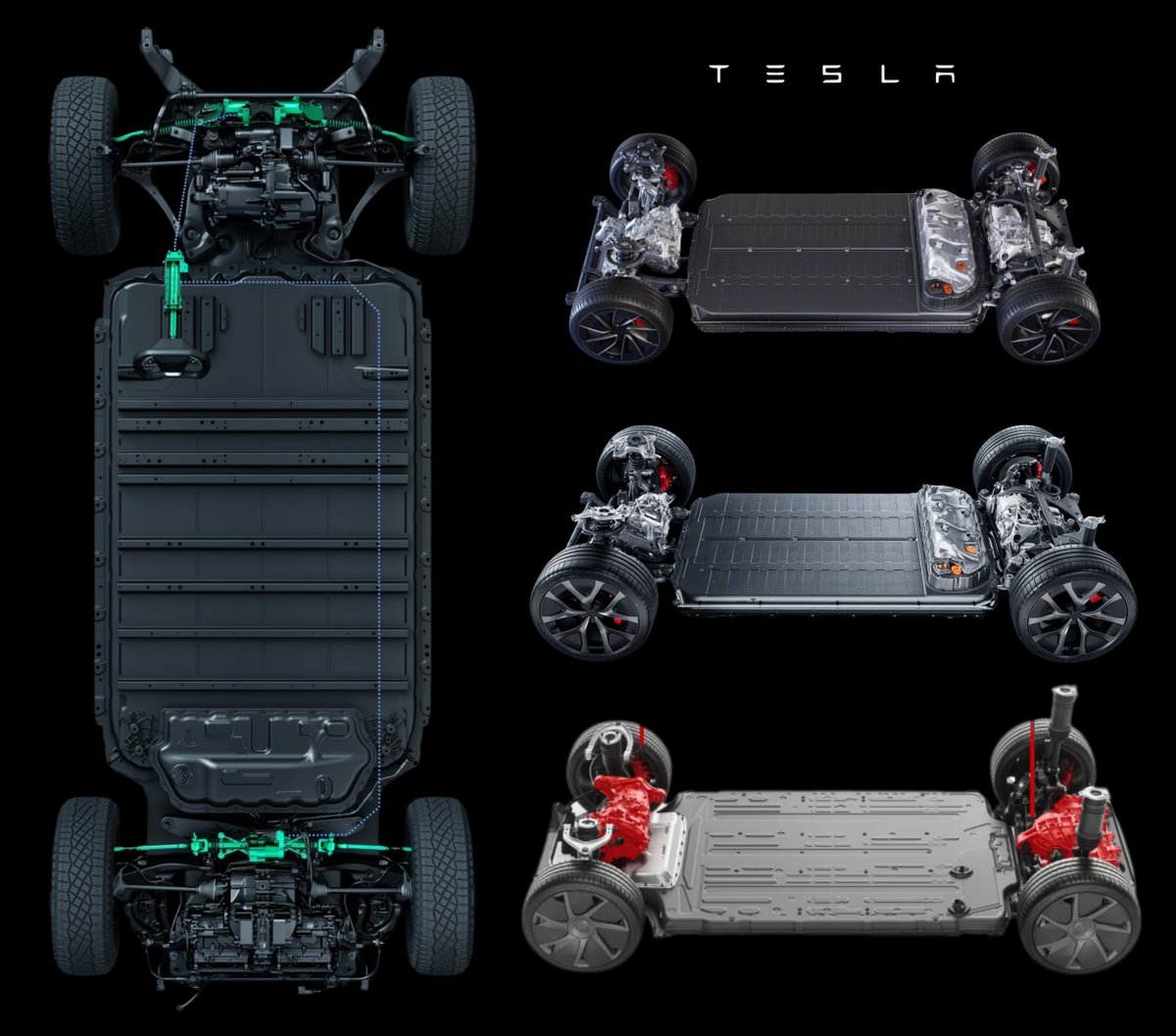
Unlike a gas car that has 2,000-3,000 moving parts in its powertrain, a Tesla has only 20-50 moving parts.
That’s literally 100 times fewer moving parts than a normal gas vehicle. It’s the main reason Teslas (and EVs in general) are so reliable and need almost zero maintenance.
English
Fields retweetledi
