
Sabitlenmiş Tweet
Same as last time
3.9K posts


Same as last time
@SameLast88857
I'm harvesting your IQ Ty
BC Katılım Temmuz 2024
318 Takip Edilen171 Takipçiler
@DrRitaDed You have reached your flag minimum, you got this honey
English

I'm thinking of moving to Canada.
Seems like the perfect country for someone like me.

English


@ShadowofEzra So magical unicorn rainbow storage container drone operators next then?
English

Canada says it is preparing the entire country for a major global war that could erupt very soon.
She warns that Canada will need a different military with entirely new capabilities to survive the coming global war.
"We have to get ready for large-scale conflicts."
English
@Mad_Larkin40k @LionelMedia He said Toronto though not your government, besides wtf did we burn to be inundated with welfare recipients and fast food workers. Why do you get all the engineers and doctors?
English

a bunch of conflicts started in poor nations that ended up completely destroyed so you cunts could have this subway...
so now that subway has all those people from the countries you destroyed and you are crying... 'go back to your country'
but hey... you kind of burned their countries down :P
English

A Toronto subway in the 60s. What do you see missing?
English


Hungarians voted for change and a renewed commitment to democratic institutions after years of erosion under Viktor Orbán.
A powerful and positive signal to democracies around the world that citizens can reclaim institutions and restore respect for rights.
English

I think my most spun album all time is STP Purple.. But Foo Fighters first one is close too.
English


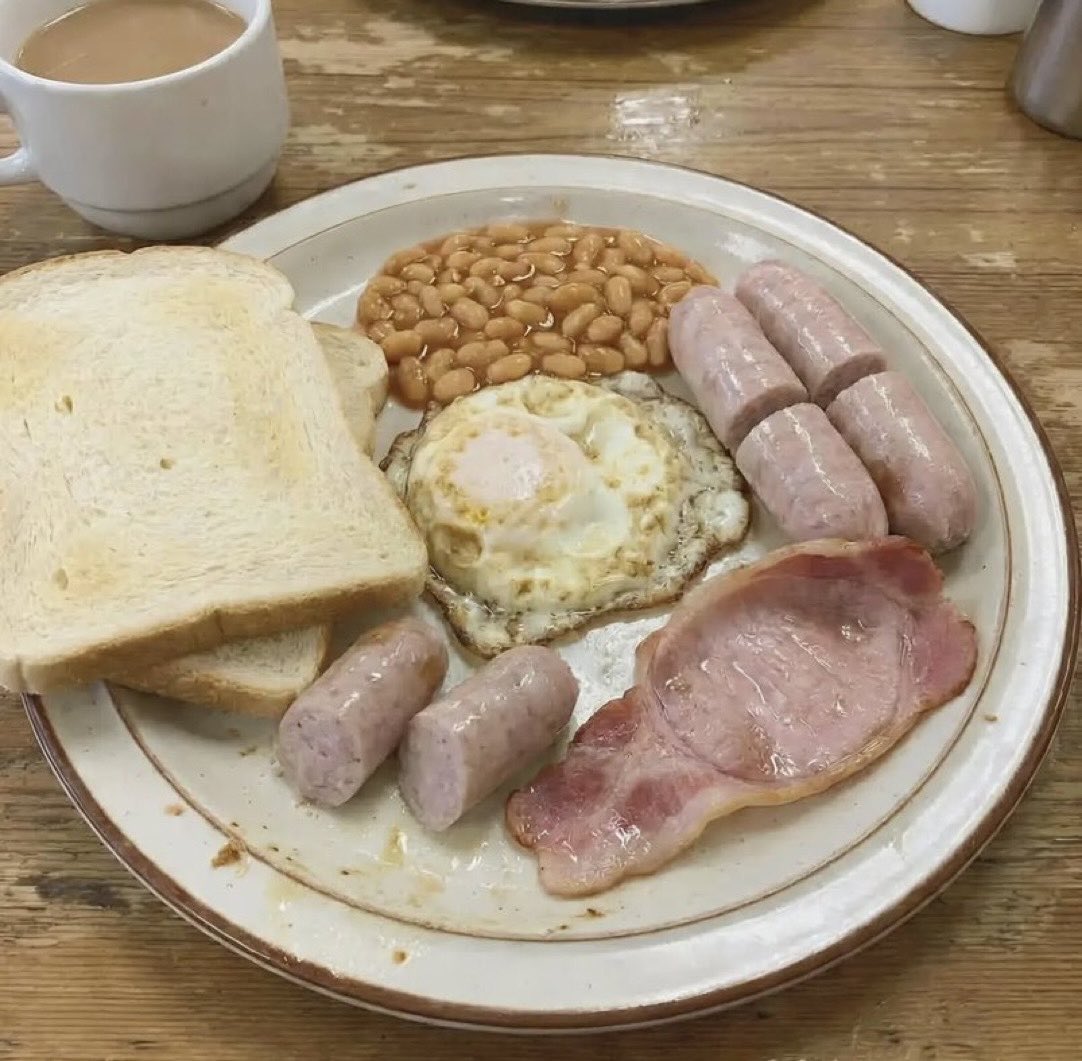
@furmsies Fking great pizza though your missing out again Capt.
cause your
feelings.
I ain't unfollowing bro until you make me a better pizza first.
Your free to make me that sandwich anytime btw
English

So has anyone heard of Paul's Pizza in Airdrie, Alberta?
The owner is a racist bigot who uses prejudice to promote his business.
Today he is mocking missing and murdered indigenous woman.
His business Facebook page is full of right wing hate.
Scum of the earth.

English
@FortySacks Victoria is the land of pretentious, self indulgent, hypocritical, pumpkin spiced faux concerned retards. Port is cool though for islanders.
English

You can tell a Vancouverite or a Victorian made this, because west coasters are the most insufferable, pretentious, fake polite corpo-therapy speakers in Canada on top of being the most elitist. Every truly kind person I met in BC was from up island, the interior or elsewhere.
Oh Canaduh@CanaduhOh
Is this an accurate way to describe Canadians based on where they’re from?
English
@TheRemanded @TWafflle Awesome do it
and we'll hit a car show next year with our classic whips haha.
And as always ty for your amazing work Remanded your a class above.
English

@SameLast88857 @TWafflle Same, less electronics the better. Such a headache.
English

@TheRemanded @TWafflle Funny you say that, I'm looking at buying a 72 Dodge Monaco just so I can work on it myself. I'm horrible with electronics and willing to pay the gas at this point
lol.
English
@SameLast88857 @TWafflle No problem, always find another way to deal with issues especially when things break. 20+ years of it, I do appreciate the very rare odd time taking it to a garage for someone else to fix, but never enjoy the bill at the end.
English
@bruce_barrett Most small french women are psychos. Not all bad with the right type of crazy though.
I wonder what type she is 😁
English



This type of reckless driving should result in the death penalty.
English
@LisaAlesci @0hour1 Ain't you clinically retarded if your IQ is under 60?
English


@TheRemanded @TWafflle Oh shoot
good idea with the brake line hose, awesome ty Remanded. I love gleaning tips and tricks on vehicles.
Cheers!
English
Pex 1000 hose, cut a length off, placed one end in, other in the vacuum and made suction.
Since the rubber insert for the spark plug socket doesn’t reach the white of the plug, I wrapped some tape around the spark plug socket, twisted it so the sticky side was on the outside with play in order to wrap and grab the spark plug in the hole.
Followed up with a thinner break line hose to get into the combustion chamber to make sure no debris was left.
She’s fired up and sounds good.
English