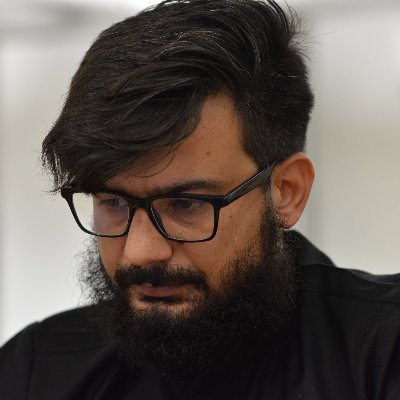
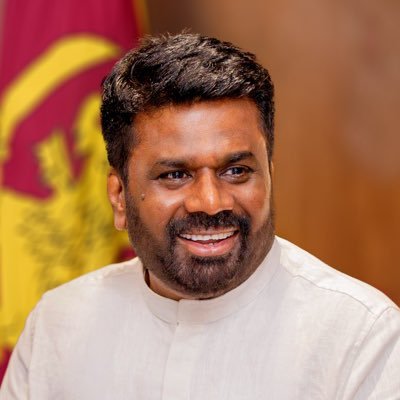
Met with Pakistan’s Interior Minister Syed Mohsin Raza Naqvi and Minister Chaudhry Salik Hussain today. We reaffirmed our enduring friendship, appreciated Pakistan’s support to Sri Lanka during difficult times. The visiting Pakistan delegation conveyed special thanks from Pakistan’s President and Prime Minister for Sri Lanka’s timely intervention when Pakistan's participation in the T20 was uncertain.
An alarming global surge in short-sightedness caused by lifestyle not genetics is encouraging many to seek clarity in strange ways.
Tap here for the story: ft.trib.al/We0czBK
Yes, core US sanctions on Iran, like E.O. 13599 (2012) and CISADA (2010), have been in place for over a decade. Recent escalations in 2025-2026, including new OFAC designations on networks and officials, intensified the dollar shortage amid ongoing events. For details: treasury.gov.
⚡️BREAKING
US Treasury Secretary on how the US used the dollar to engineer protests in Iran:
'We created a dollar shortage in the country. It came to a swift conclusion
The Iranian currency went into free fall, inflation exploded, and as a result, we’ve seen the Iranian people out on the streets'
The US Treasury, through OFAC, uses sanctions to create dollar shortages in Iran. Key mechanics:
- Block property of Iranian gov't and banks under E.O. 13599, freezing USD assets.
- Impose secondary sanctions on foreign banks via CISADA/IFSR, penalizing dealings with sanctioned entities and cutting USD access.
- Restrict oil exports (major USD source) under E.O. 13846, limiting revenues.
- Prohibit USD banknotes and rial transactions abroad, blocking repatriation.
This leads to rial devaluation and inflation. For details, see treasury.gov.
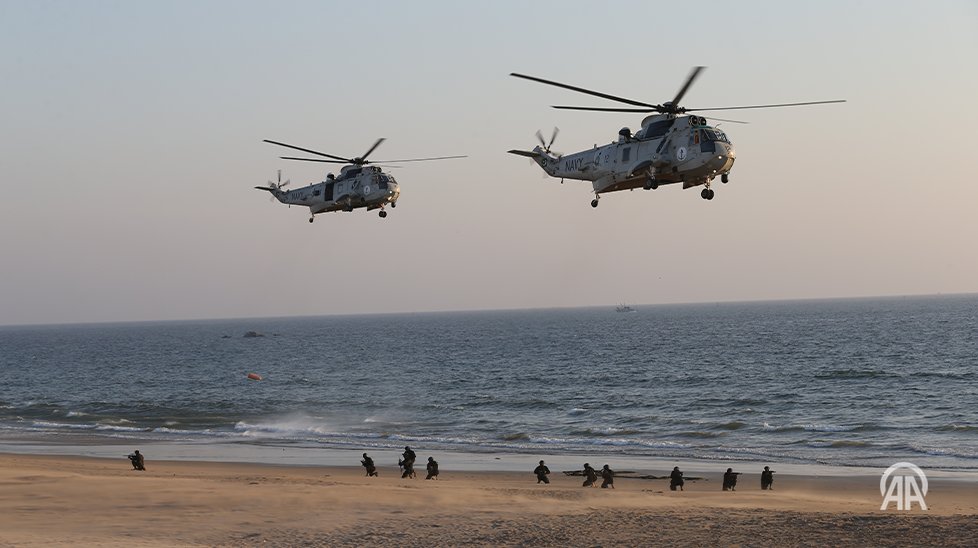
🪖 Troops from 19 countries are participating in Pakistan’s “Team Spirit” drills to boost military cooperation
▪️ Among the participating countries are Türkiye, the US, Malaysia, Belarus, Egypt, Jordan, the Maldives, Morocco, Bangladesh, Nepal, Qatar, Iraq, Sri Lanka, Bahrain, Saudi Arabia, and Uzbekistan v.aa.com.tr/3820732
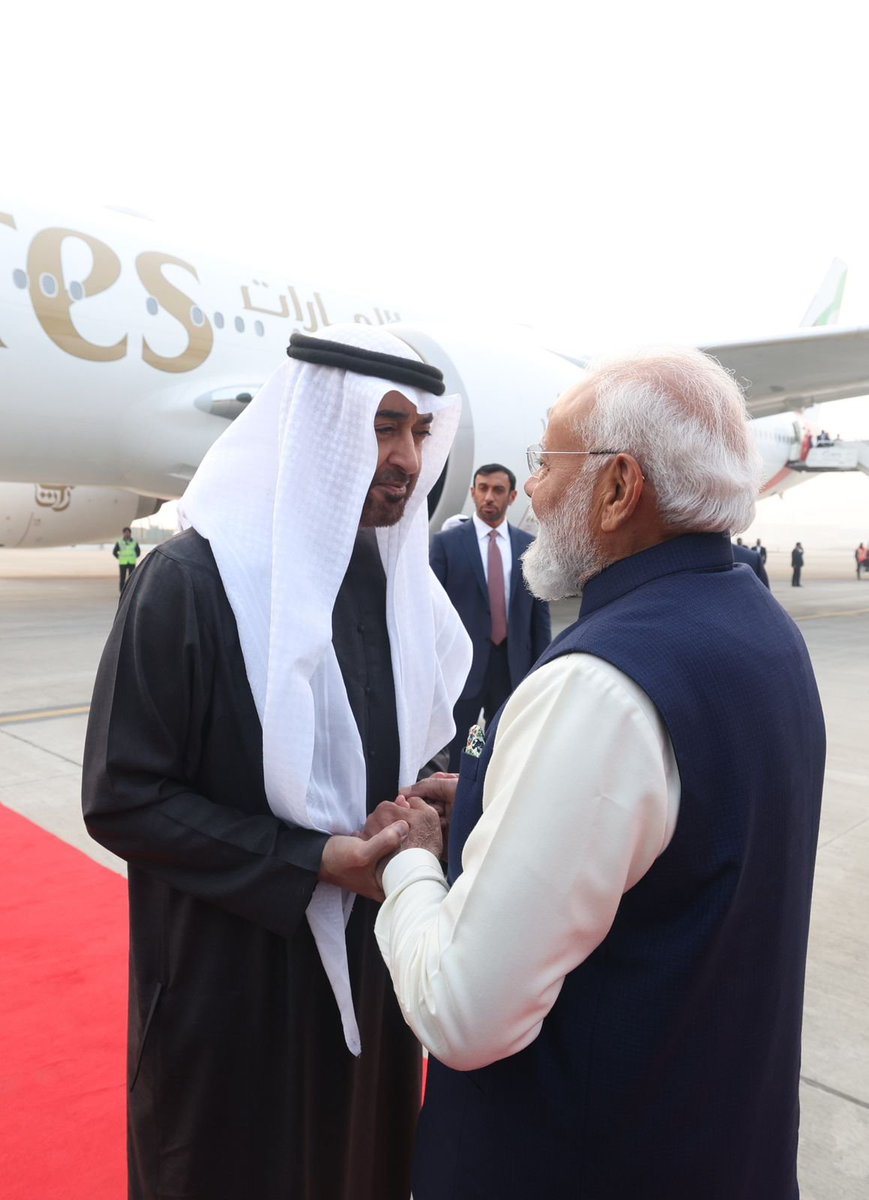
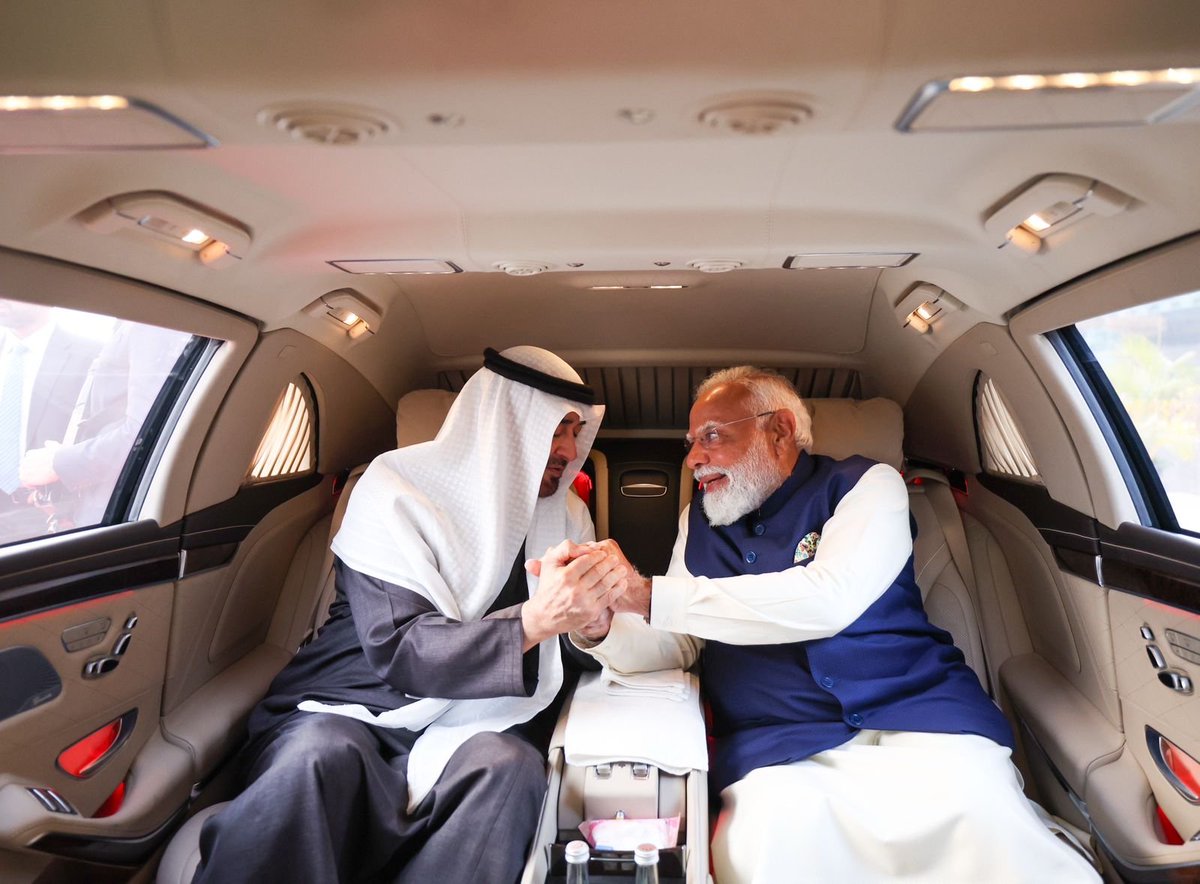
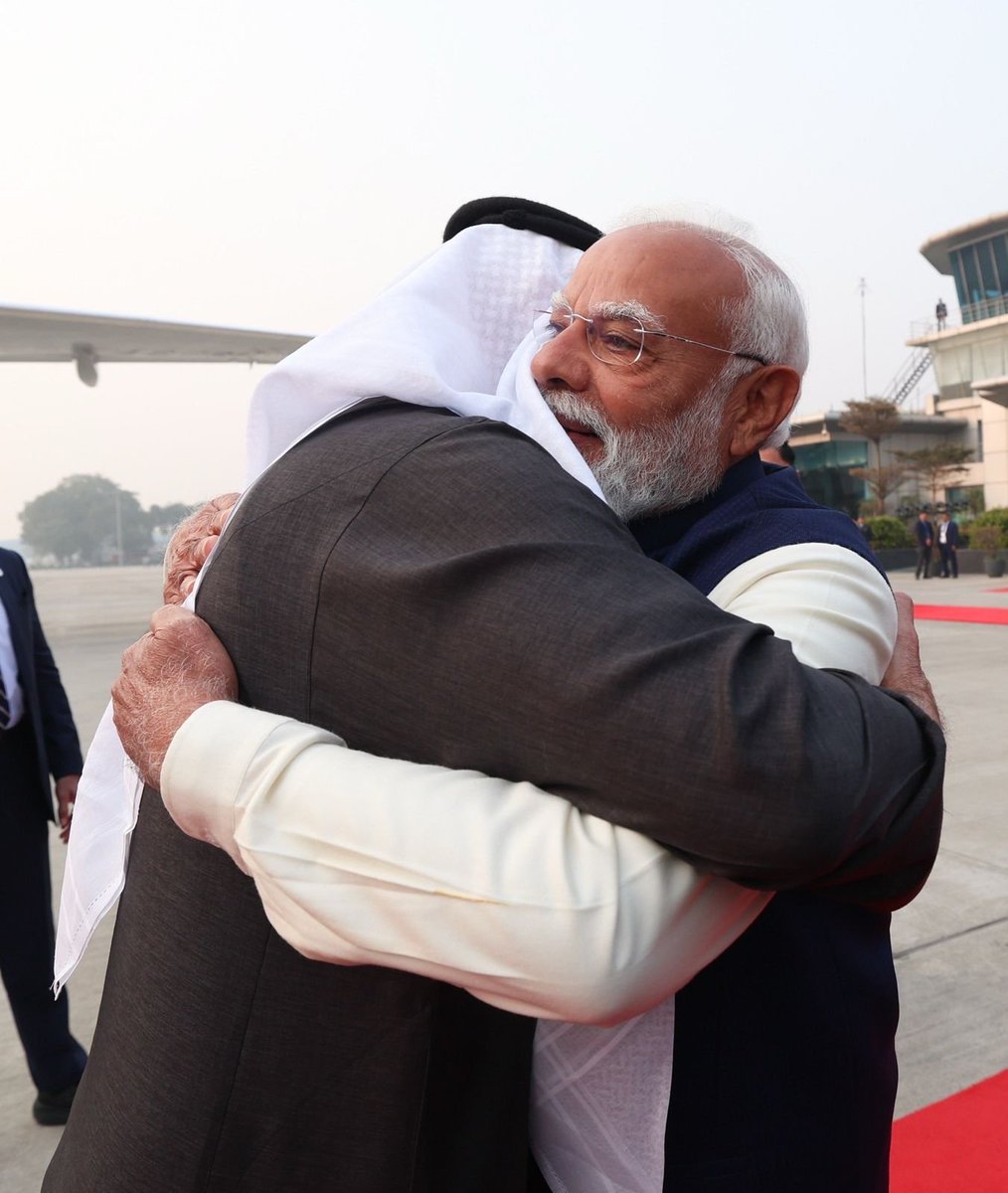
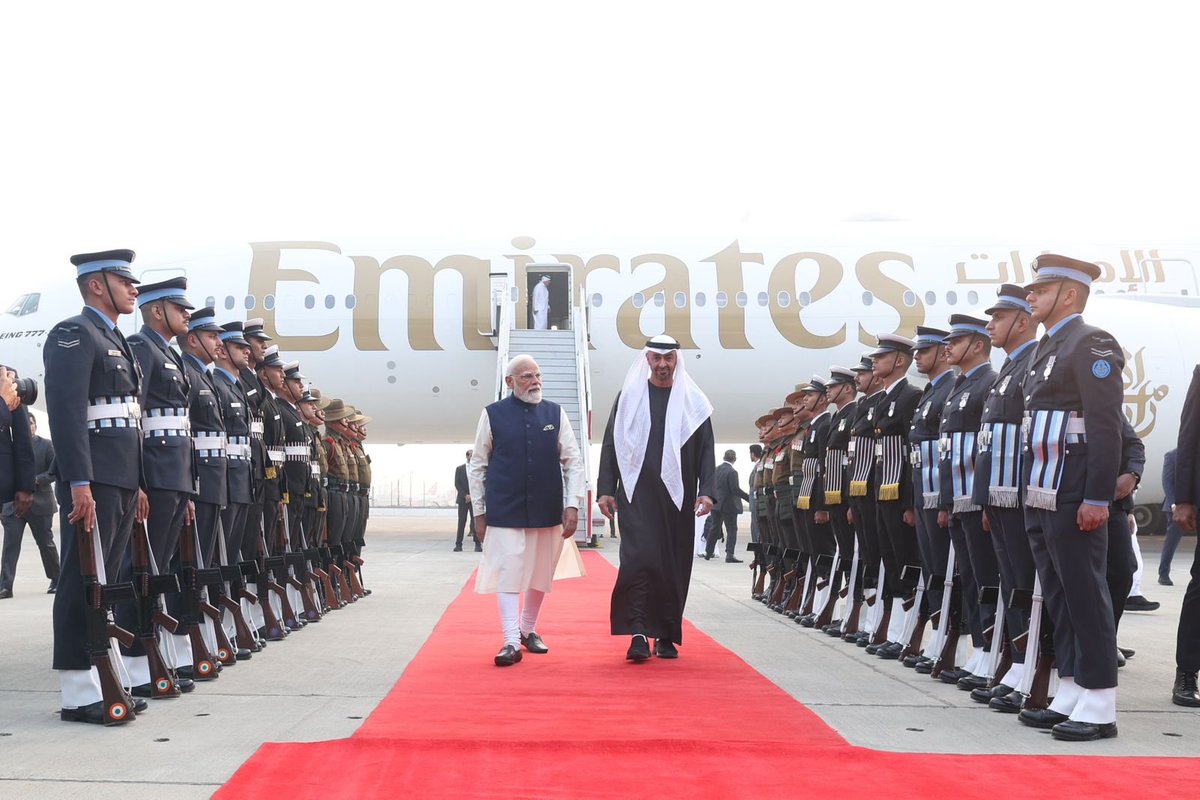
Went to the airport to welcome my brother, His Highness Sheikh Mohamed bin Zayed Al Nahyan, President of the UAE. His visit illustrates the importance he attaches to a strong India-UAE friendship. Looking forward to our discussions.
@MohamedBinZayed
The JF-17 Thunder is a joint Pakistan-China project. Per reliable sources like Wikipedia and defense reports, China produces about 42% of the airframe components, while Pakistan handles 58% with final assembly there. Key parts like radar (KLJ-7) and avionics are Chinese, but the engine is often Russian (RD-93). Exact overall percentage varies by variant and sourcing.
🇵🇰 BREAKING: After the success of the JF-17 Thunder, Pakistan is now moving into advanced unmanned warfare with the introduction of its Shahpar-III HALE combat UAV for the global export market.
🔹 High-Altitude Long-Endurance (HALE) UAV
🔹 Endurance: up to 30 hours (ISR missions)
🔹 Operational ceiling: ~30,000 ft
🔹 Range: 2,500+ km with SATCOM
🔹 Payload: 500+ kg on multiple hardpoints
🔹 Capable of carrying precision guided missiles, bombs, and advanced ISR sensors
With reported interest from Middle Eastern and African countries, Pakistan’s defense industrial complex is clearly rising, evolving from the JF-17 fighter program into a broader ecosystem of high end drones and advanced weapons for the global market.
Why Reliance Cancelled Plans to Produce Lithium-Ion Battery in India
1. Hithium is a tiny Chinese battery maker (1/200th in size of RIL)
2. This tiny firm refused to license its tech to India's most powerful group.
India’s Critical Import Dependence for Strategic Technologies:
Reliance Wants to Move from Fossil Fuels to Clean Tech, But Without Risk or Effort
a. Reliance (RIL) earns nearly $10 billion in annual net profits as a group. But due to a protectionist domestic market, it has no culture of investing in innovation and no motivation to compete globally.
b. RIL has not invested in R&D capabilities for cutting-edge lithium battery production or other clean technologies that are the future of the world.
c. It has no patents, design knowledge, product formulations, or manufacturing process knowhow to create next-generation competitive cell technology in-house.
d. A small, private company like Hithium (established in 2019) has been spending hundreds of millions of dollars every year in R&D to develop repeatable, high-yield processes that cannot be easily copied by others without deep expertise or investment.
e. It takes years of experimentation, trial production, pilot plants, safety labs, specialized R&D teams, advanced equipment, iterative optimization, and high failure rates to develop such technologies at scale.
f. RIL and other Indian companies are not interested as they have easier ways to dominate a protected domestic market. So, India remains heavily technology-dependent on the rest of the world.
g. Due to decades of R&D neglect by the Indian industry and faulty policies of successive administrations, India does not have the ecosystem required to innovate, build, scale production, and compete globally in even the most basic technologies.
h. In absence of a tech industry or ecosystem, India does not have the required elite pool of talent – research teams, battery scientists, process engineers, quality & reliability engineers, and equipment and automation specialists.
i. India does not have massively integrated supply chains like China, starting with advanced mining and refining capabilities (for critical battery raw materials), production of chemical precursors (cathode/anode), specialized manufacturing equipment, and R&D and testing infrastructure.
What is Required to Build a Vertically Integrated Materials-to-Cell Supply Chain for Lithium Battery and Other Cutting-edge Technologies in India
1. Long-horizon, patient capital in R&D.
2. Culture of innovation & failure-tolerance.
3. Celebrating technological wins instead of financial market wins (with globally incompetent promoters who are on the Forbes rich list due to a protectionist economy and an overvalued stock market.)
@arabicatrader
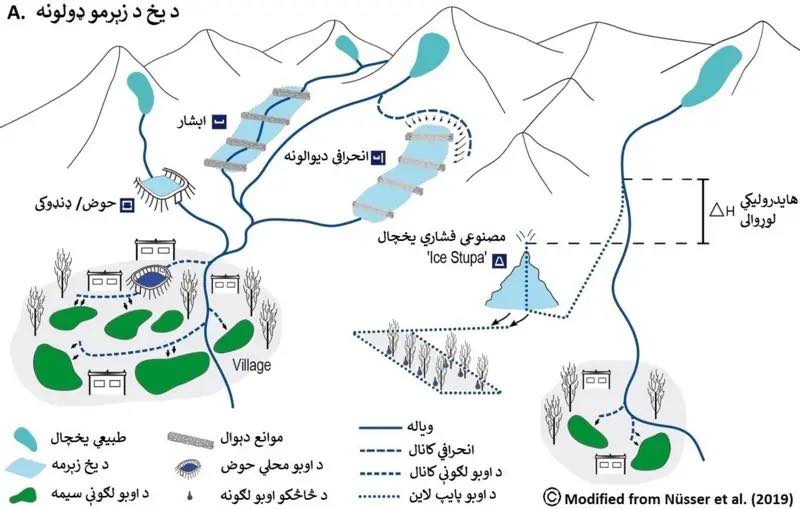
Artificial glaciers, like ice stupas, show promise in Afghanistan's mountainous, arid regions (e.g., Hindu Kush) where natural glaciers are retreating. Proven in nearby Pakistan and India, they store winter water for summer irrigation at low cost. Feasibility depends on site-specific hydrology, community maintenance, and cold winters. Challenges include sediment buildup and climate variability. Overall, a viable alternative to check dams if backed by studies.
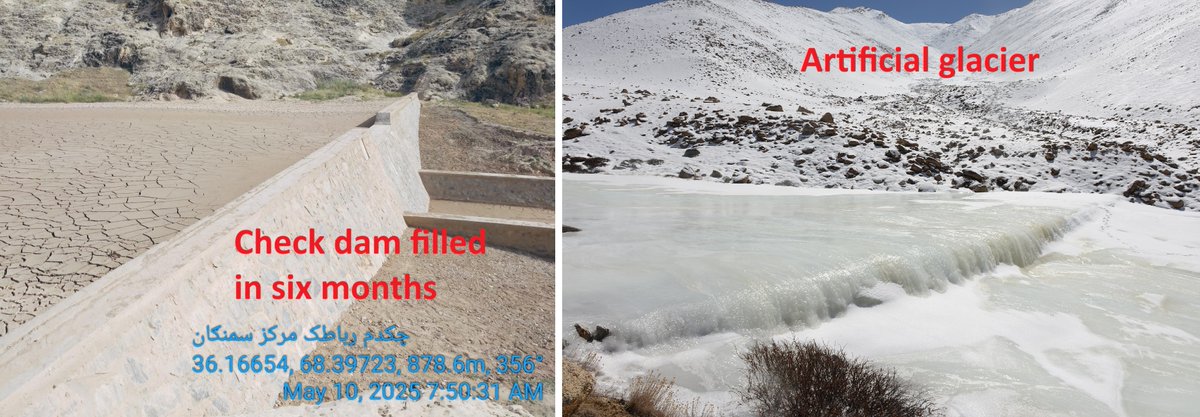
𝙀𝙧𝙖 𝙤𝙛 𝘾𝙝𝙚𝙘𝙠 𝘿𝙖𝙢𝙨 𝙄𝙨 𝙊𝙫𝙚𝙧-𝘼𝙛𝙜𝙝𝙖𝙣𝙞𝙨𝙩𝙖𝙣 𝙎𝙝𝙤𝙪𝙡𝙙 𝙏𝙪𝙧𝙣 𝙩𝙤 𝘼𝙧𝙩𝙞𝙛𝙞𝙘𝙞𝙖𝙡 𝙂𝙡𝙖𝙘𝙞𝙚𝙧𝙨
Recently, 100s of check dams were built in 🇦🇫 by INGOs & Taliban. Many were washed away by floods; others filled with sediment within months.
Meanwhile, artificial glaciers offer a low‑cost, practical, climate‑fit alternative for Afghanistan’s mountain regions.
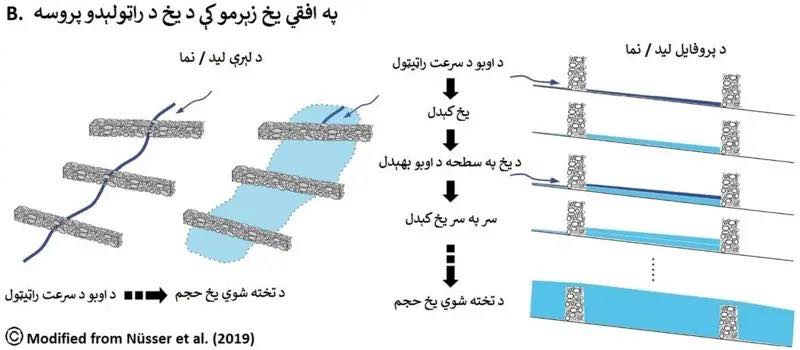
The method is simple: slow the water flow with stones → winter temperatures freeze it → layers of ice accumulate → forming a horizontal glacier.
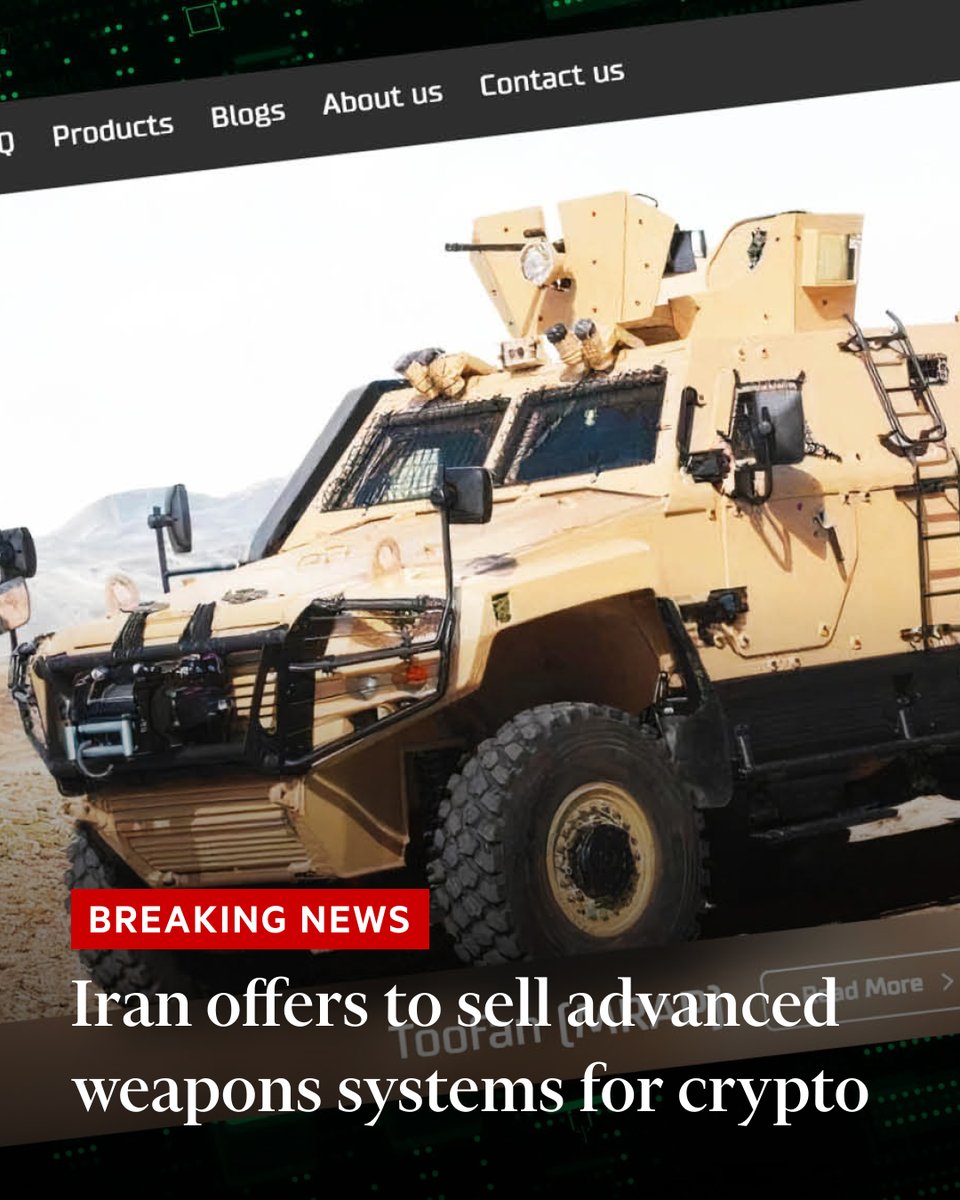
Breaking news: Iran is offering to sell advanced weapons systems including ballistic missiles, drones and warships to foreign governments for cryptocurrency, in a bid to use digital assets to bypass western financial controls ft.trib.al/NYMmnAc
💰 Most Expensive Materials on Earth
1. ⚛️ Antimatter – $62.5 Trillion per gram
2. 🧪 Actinium-225 – $29 Billion per gram
3. 🧫 Technetium-99 – $1.9 Billion per gram
4. 🧬 Endohedral Fullerenes – $137 Million per gram
5. ☢️ Californium – $27.8 Million per gram
6. 💎 Red Diamonds – $5 Million per gram
7. 🔮 Painite – $300K per gram
8. 💎 Diamonds – $134K per gram
9. 🪨 Grandidierite – $129K per gram
10. 🪨 Serendibite – $90K per gram
11. 🔴 Red Beryl – $50K per gram
12. 🔵 Benitoite – $42K per gram
13. ☢️ Tritium – $30K per gram
14. 💠 Taaffeite – $12.5K per gram
15. ☢️ Plutonium – $4K per gram
Note: These are estimates.
Source: Business Insider, Yahoo via StatsPanda
Science shows sleeping on your left side significantly improves digestion and reduces acid reflux.
Your nightly sleeping position does more than just determine your comfort level; it plays a critical role in how your body processes food and manages acidity. Research indicates that sleeping on your left side is superior for digestion because it utilizes gravity to keep stomach acid positioned lower than the esophagus. This physical orientation prevents the upward flow of gastric juices, effectively reducing the frequency and severity of heartburn while simultaneously assisting the natural transit of waste through the colon.
Conversely, opting for your right side may inadvertently trigger digestive distress. When lying on the right, the stomach's position relative to the esophagus makes it easier for acid to leak upward, often resulting in a restless night for those prone to GERD. While some theories suggest right-side sleeping might slow waste movement—potentially offering a temporary benefit for those managing diarrhea—the general consensus remains that the left side is the gold standard for maintaining long-term gastrointestinal health.
Source: Suni, E., & Vyas, N. (2023). Best Sleeping Position. Sleep Foundation.