Arcadian Mind

19.1K posts

Arcadian Mind banner
Arcadian Mind

Arcadian Mind

@Schnupperflug

Once dressed in Green (BAOR), mastered a few linguistic tricks, like Musik,Musique, and even some Music! Baroquophile/Japanophile + Latitudinarian at heart!

Katılım Aralık 2023
289 Takip Edilen209 Takipçiler
Patrick
Patrick@artistpatrick·
@GinieSigonney The Shamrock Spitfire. Excellent movie about an Irish Spitfire pilot in WW2.
English
1
0
1
95
Arcadian Mind retweetledi
Virginie Sigonney 🇫🇷
Virginie Sigonney 🇫🇷@GinieSigonney·
Do you recognize this aircraft ? 💚💚💚 . . . 🎥©️credit reserved to the author
English
103
27
279
6.3K
Astronomy Vibes
Astronomy Vibes@AstronomyVibes·
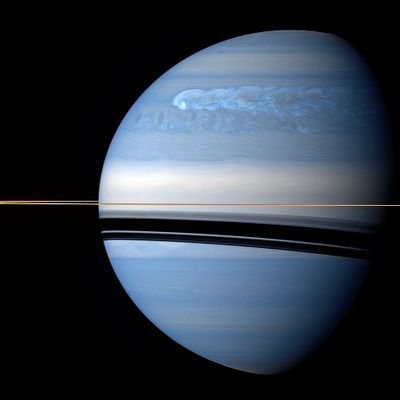
If aliens exist, why haven’t they visited Earth?
Astronomy Vibes tweet media
English
729
101
735
40.8K
Arcadian Mind
Arcadian Mind@Schnupperflug·
@AstronomyVibes Their observations of our bellicose and internicine behaviour patterns might just tip their decision to visit.
English
0
0
0
3
Arcadian Mind retweetledi
Dr Juliet Turner
Dr Juliet Turner@juliet_turner6·
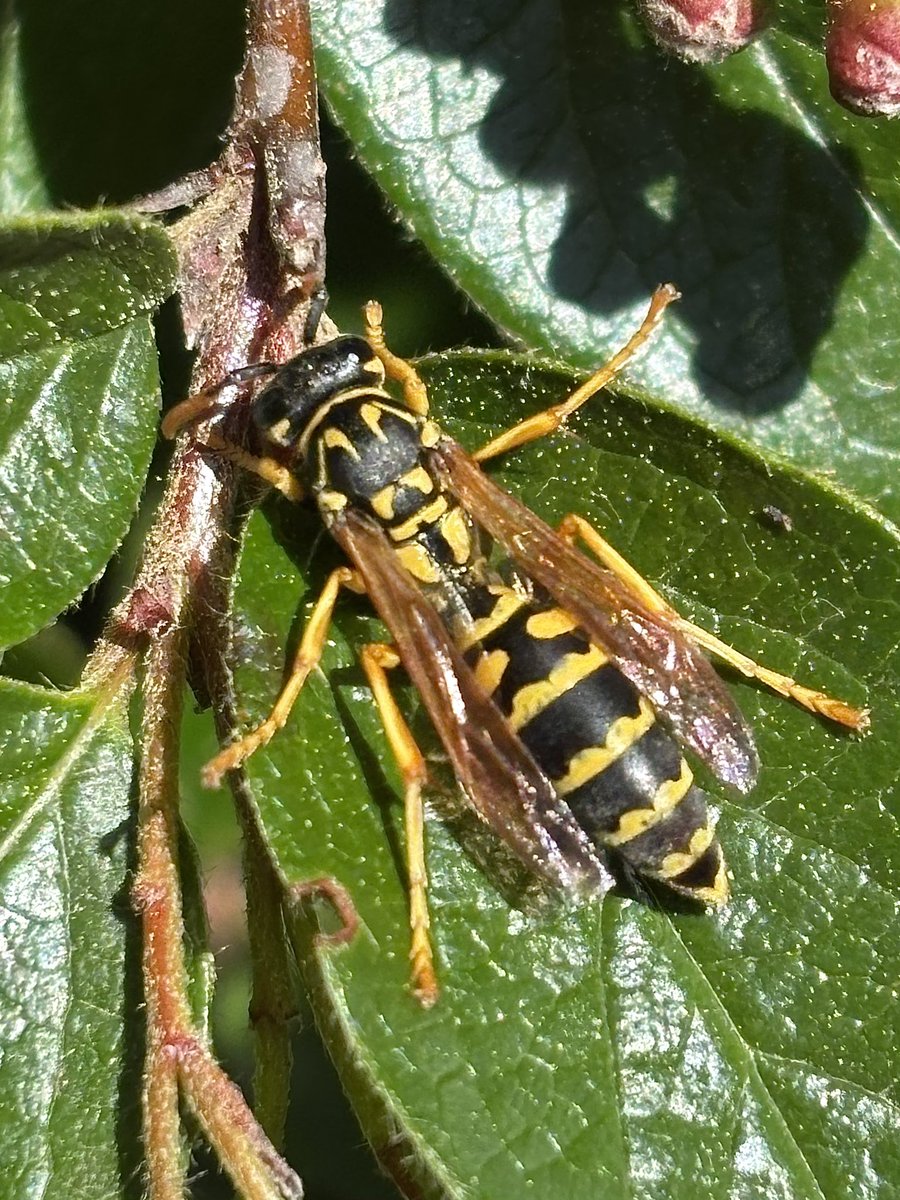
I passed a Cotoneaster hedge each morning this week, and every time I saw new insects visiting its flowers. Here are three: The European Paper Wasp (Polistes dominula) The Saxon Wasp (Dolichovespula saxonica) & The European Hornet (Vespa crabro)
Dr Juliet Turner tweet mediaDr Juliet Turner tweet mediaDr Juliet Turner tweet media
English
18
23
307
3.8K
Arcadian Mind retweetledi
Marc H
Marc H@NewForestRamble·
Czechoslovak airmen and their Liberators at RAF Beaulieu, New Forest, during WW2. The 311 Squadron had the highest fatality rate of any Czechoslovak RAF squadron during the war. 32 of those deaths occurred whilst at Beaulieu.
English
4
13
140
6.8K
Arcadian Mind retweetledi
Astronomy Vibes
Astronomy Vibes@AstronomyVibes·
🚨: Egyptian physicists Aisha Mustafa, 19, developed a quantum-based propulsion system that can move space probes and satellites without relying on any fuel.
Astronomy Vibes tweet media
English
91
346
1.4K
39.9K
Arcadian Mind retweetledi
Liz Webster
Liz Webster@LizWebsterSBF·
🚨 @Lord_Sugar in Sun Times “Leaving Europe is the worst thing I have experienced in my whole time in business.” “Johnson and Gove should be in jail. As a chairman I am obliged to tell the truth to my shareholders.” “If I lie it’s a criminal offence. Politicians lie to the public — their shareholders — and get away with it.” “All that bullshit about the 350 million quid going to the NHS after Brexit.” #rejoinEU
Liz Webster tweet media
English
203
3.1K
8.7K
248.9K
Arcadian Mind retweetledi
ScienceFocus
ScienceFocus@ScienceFocusonX·
A tiny bee just did what chemotherapy couldn't. Scientists in Australia discovered that honeybee venom can wipe out 100% of aggressive breast cancer cells in under 60 minutes. And the healthy cells around them? Barely touched. The breakthrough came from Dr. Ciara Duffy and her team at the Harry Perkins Institute of Medical Research, working alongside the University of Western Australia. They tested venom drawn from 312 honeybees and bumblebees across Australia, Ireland, and England. The target: triple-negative breast cancer and HER2-enriched breast cancer. Two of the deadliest, most stubborn forms of the disease. The weapon: melittin. The same tiny peptide that makes a bee sting burn. At one specific dose, melittin tore through cancer cell membranes completely within an hour. Within just 20 minutes, it shut down the chemical signals cancer cells need to grow and multiply. Bumblebee venom, which lacks melittin, did nothing. Zero effect, even at high concentrations. Scientists then recreated melittin synthetically in the lab and got almost identical results, meaning no bees need to be harmed to develop the therapy. Published in the peer-reviewed journal npj Precision Oncology, the findings are still early-stage. Human trials haven't happened yet. But one thing is clear. Nature has been hiding answers in plain sight all along, sometimes inside the smallest creatures on Earth. Source: Harry Perkins Institute of Medical Research / npj Precision Oncology (Dr. Ciara Duffy et al.)
ScienceFocus tweet media
English
915
10.7K
27.4K
1.1M
Arcadian Mind
Arcadian Mind@Schnupperflug·
@ColinSpenc4257 Some very interesting Dates here too! Those Sixpences used to get into Christmas Pud...
English
0
0
0
14
Arcadian Mind retweetledi
Colin Spencer
Colin Spencer@ColinSpenc4257·
Who Remembers.
Colin Spencer tweet media
English
125
48
692
10.1K
Arcadian Mind retweetledi
Science girl
Science girl@sciencegirl·
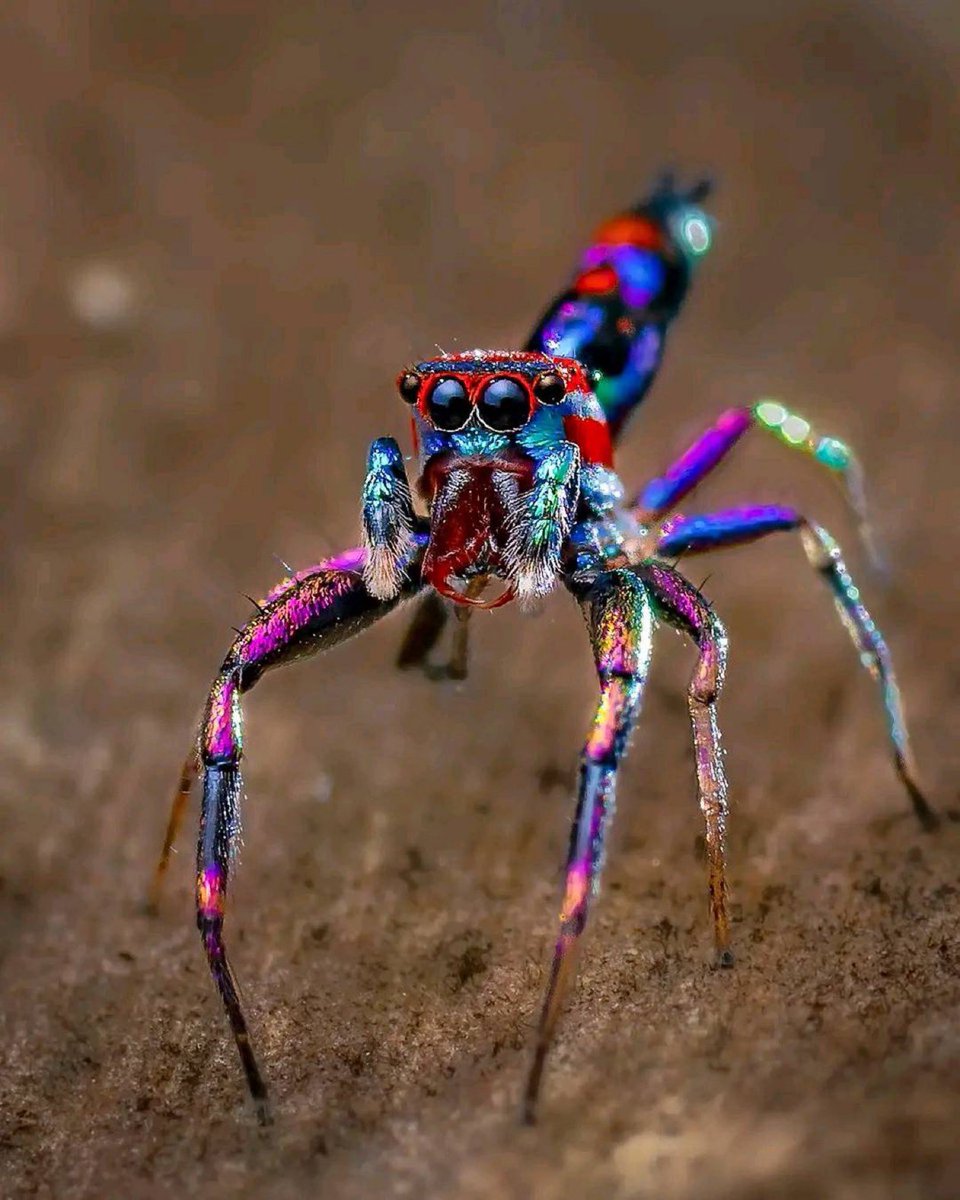
Chrysilla volupe is a tiny jumping spider found mainly in parts of Asia. The males are famous for their intense metallic colours, which can appear almost neon in sunlight 📷 Pavan Kumar
Science girl tweet media
English
124
600
2.7K
78.5K
Arcadian Mind retweetledi
ScienceFocus
ScienceFocus@ScienceFocusonX·
Iceland just lost its last superpower. For centuries, this frozen island held bragging rights nobody else on Earth could touch. No mosquitoes. Not one. That streak just ended. In October 2025, an insect enthusiast named Björn Hjaltason was out at dusk in Kjós, a glacial valley about 32 km north of Reykjavík. He'd set up a red wine ribbon, basically a sweet-soaked trap, when something strange landed on it. He knew instantly. This wasn't a fly. He bagged it. Then caught two more. Two females and one male. The Natural Science Institute of Iceland confirmed the unthinkable. They were Culiseta annulata, a cold-hardy mosquito species that survives brutal winters by hiding out in basements and outbuildings. Iceland was officially mosquito country. The kicker? Scientists say these bugs probably hitched a ride in on freight. And they look more than capable of surviving an Icelandic winter. That leaves Antarctica as the only place on Earth still mosquito-free. This species doesn't carry diseases like malaria or dengue. But researchers are sounding the alarm anyway. The Arctic is warming four times faster than the rest of the planet, and entomologists warn that warmer conditions could roll out the welcome mat for nastier species next. A summer earlier this year sent Icelandic temperatures soaring more than 18°F above normal, a heat spike made 40 times more likely by climate change. The last untouched corner of the human world just got a new neighbor. And it bites. Source: NPR, CNN, Yale E360
ScienceFocus tweet media
English
25
66
313
41.2K
Arcadian Mind retweetledi
Daily Mail
Daily Mail@DailyMail·
Ed Miliband's wind turbines and solar farms ARE bad for environment, Government privately admits trib.al/fpXuJoj
English
211
2K
4.1K
151K
Arcadian Mind retweetledi
Science girl
Science girl@sciencegirl·
This barbershop in Japan has been running for more than 90 years, known for its exceptionally high standard of service
English
331
1K
8.7K
497.9K