

Scott Singer (宋杰)
1.4K posts

@Scott_R_Singer
fellow @CarnegieEndow | frontier AI policy


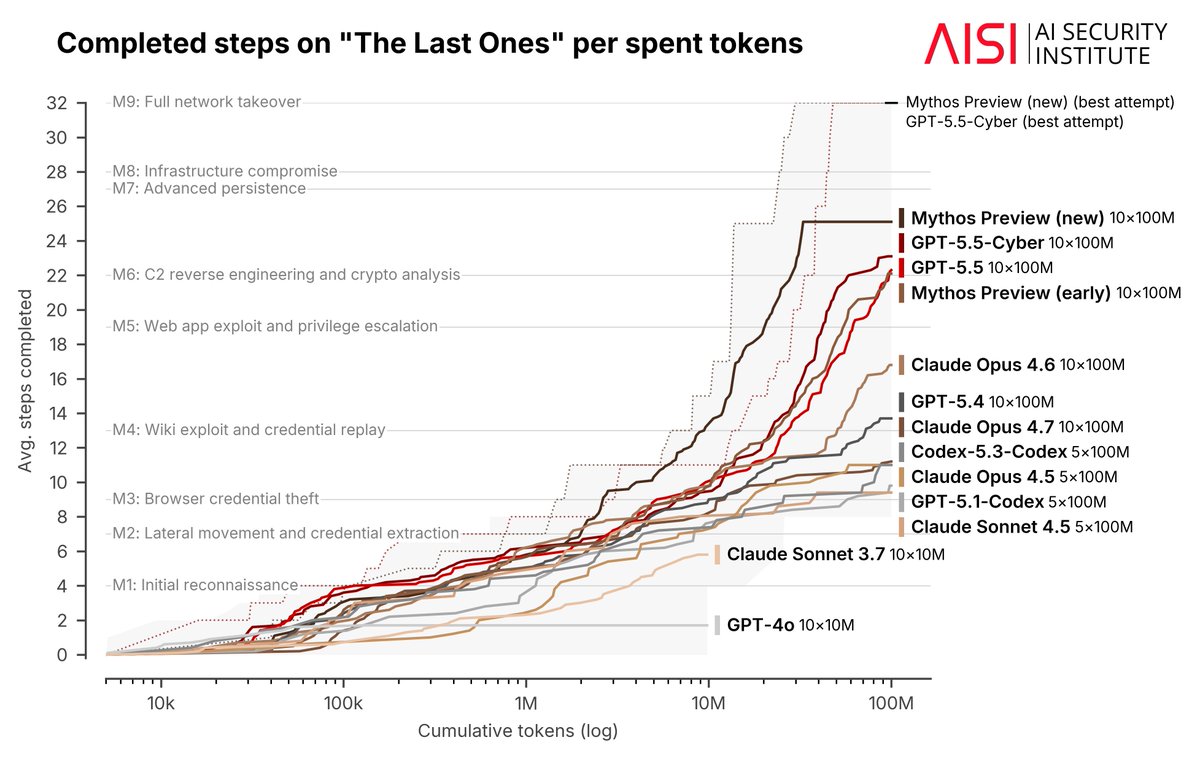
I moved to London 3 years ago to join @AISecurityInst, at the time a few people with visitor passes and a whiteboard. Since then AISI has become the world’s largest and best-funded group in gov focused on AI security & safety. Fun to be in @nytimes!

As the two dominant powers in transformative AI, Washington and Beijing will determine whether it creates widely shared benefits or generates dangerous new risks. An AI model from either country could potentially be used to engineer a pathogen, launch cyberattacks, or create and disseminate realistic deepfakes — from anywhere in the world. In @ForeignAffairs, @cqknight_ and I argue that a prudent U.S. risk mitigation strategy does not mean slowing down innovation. Instead, it means working with Beijing to come to an understanding of safety research priorities, to coordinate testing for vulnerabilities and implementing safeguards, and to jointly establish best practices to contain truly global risks. Working together is necessary, and with the right approach, it is feasible. By focusing on how to look for risks rather than the specifics of what they find, Washington and Beijing can compete fiercely on AI while still mitigating the most extreme dangers it presents to the world.


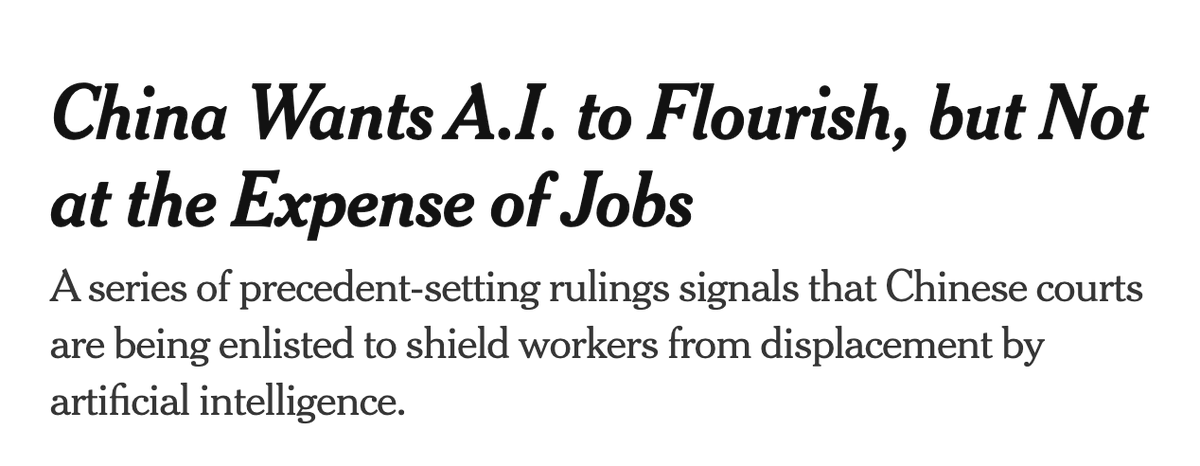
Why is the Chinese public so optimistic about AI? Why are they not worried about job displacement? Why do so many people rush to use OpenClaw? People in China and the US are not different species with opposite societal and technological expectations. It is because the massive layoffs three decades ago taught the Chinese that every transformation is "the last bus" — miss this one, and history will progress without you. My new article @asteriskmgzn. Thanks @anton_d_leicht and @Scott_R_Singer for their feedbacks, and the editorial team for all the hard work.


During President Trump's visit to China, the two heads of state agreed to launch dialogue on #AI between the two governments, as MFA spokesperson Guo Jiakun announced today. As two leading AI powers, China and U.S. should join hands to promote the development & governance of AI, to ensure AI will better serve the progress of human civilization and common welfare of int’l community.


Beijing confirms China-US intergovernmental dialogue on AI guardrails. “Foreign Ministry Spokesperson Guo Jiakun held a regular press conference May 19. A reporter asked, 'It is reported that the leaders of China and the United States exchanged views on the regulation of AI during their meeting and agreed to conduct dialogue and cooperation. What is China's comment on this?' Guo stated that as two major AI powers, China and the US should work together to promote the development and governance of AI, and to help AI better serve the progress of human civilization and the common well-being of the international community. During President Trump's visit to China, the two leaders had constructive exchanges on AI issues and agreed to conduct intergovernmental dialogue on AI."

.@POTUS on AI discussions with China: "We're leading by a lot, but they're second, and they're very strong — and we talked about possibly working together for guardrails."


Ok well I have to say that was impressive, well done twitter. I also have to correct myself, Anton will *soon* have a PhD in philosophy. Very much one of us, though.


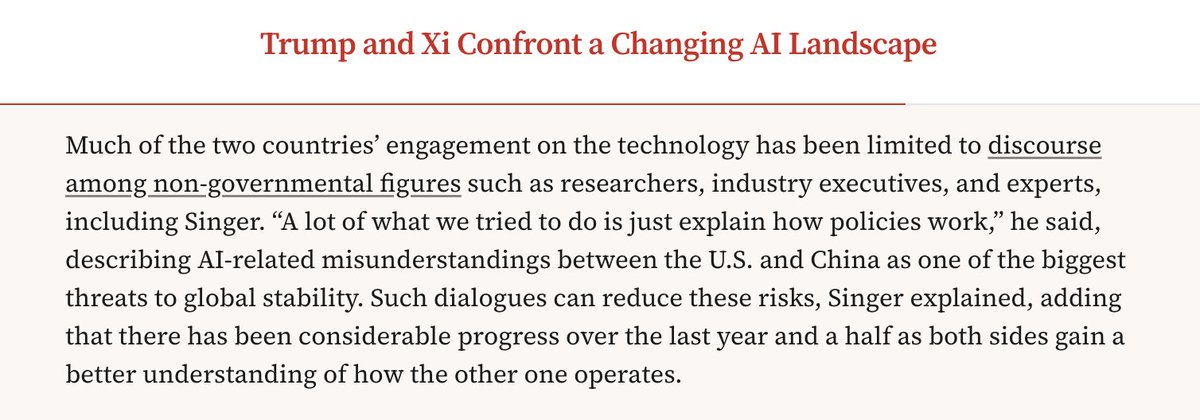
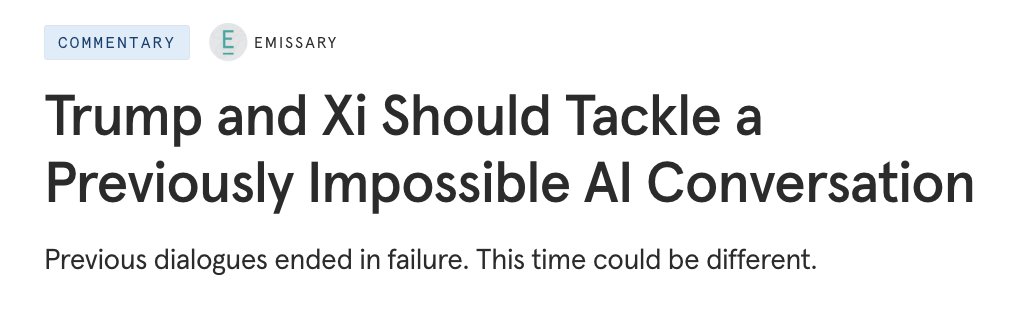
Lots of people are skeptical that the U.S. and China can have a productive conversation about AI safety. After all, the conversation in 2024 failed. The U.S. brought the AI experts and China brought diplomats. China wanted the U.S. to lift export controls in exchange for doing safety. "Chips for safety" is a terrible idea now, just as it was then. But lots has changed in two years, and I believe constructive dialogue is possible. Mythos changed how both countries think about risk and China has been investing more in AI safety. Ready more on what the two sides should discuss in my latest for @CarnegieEndow: