SeWISE

2K posts

SeWISE banner
SeWISE

SeWISE

@SeWISEseals

SeWISE is a forum for all interested in seals (not 🦭 the other sort!) & sealing practices in pre-modern Britain & Ireland

Katılım Nisan 2022
1.5K Takip Edilen836 Takipçiler
SeWISE retweetledi
Historic Houses
Historic Houses@Historic_Houses·
Today we're publishing new research into what it's really like to work in the independent heritage sector. Alongside this, we're launching an exciting new careers platform called Work In A Castle (workinacastle.com) Read the report here: tinyurl.com/mamdysdk
Historic Houses tweet media
English
0
3
9
881
SeWISE
SeWISE@SeWISEseals·
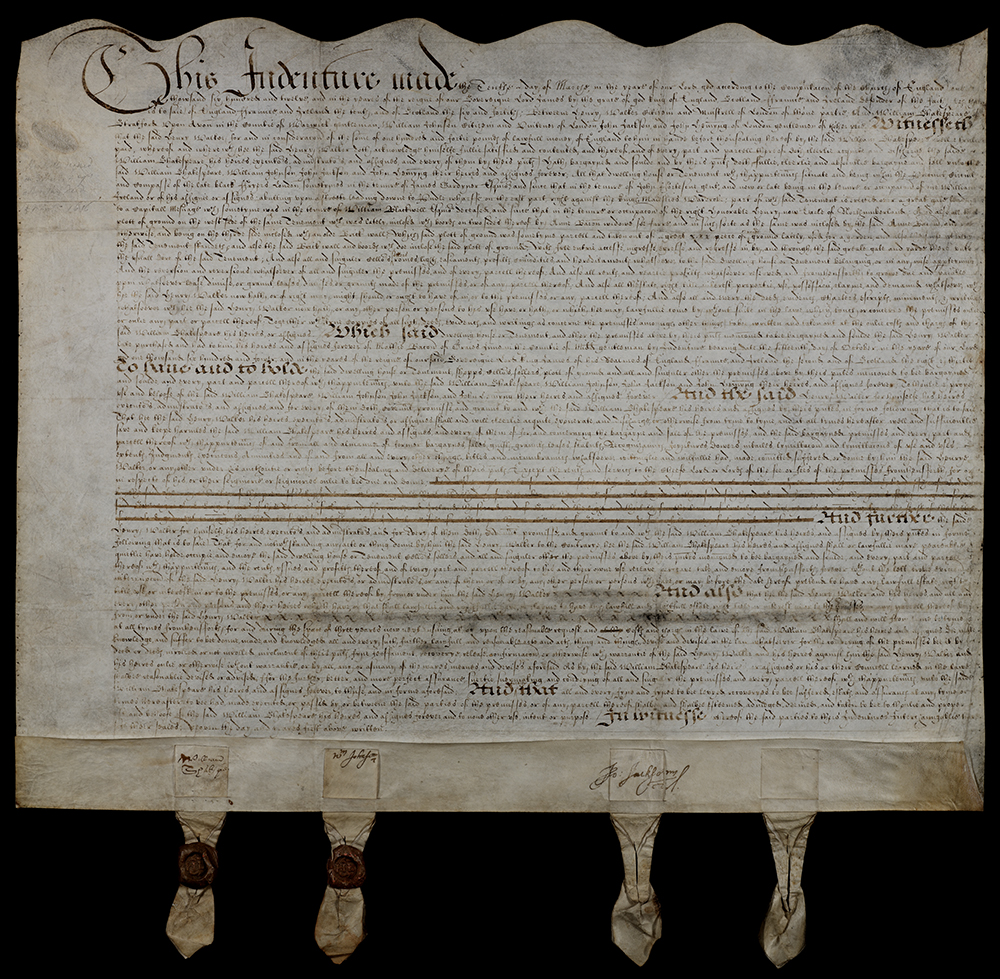
Far more importantly, what's on the seal??! The photo is too small and dark to be certain, but possibly a W for William? @TheLdnArchives do you have any better photos?
City of London@cityoflondon

Big thanks to the City of London Corporation's @TheLdnArchives, which looks after a property deed signed by #WilliamShakespeare 🎭, which helped Shakespeare expert from @KingsCollegeLon, Professor Lucy Munro, identify the exact location and size of his only property 🏠 in London – in a street in Blackfriars - which he purchased in 1613. Read more here: bbc.co.uk/news/articles/…

English
0
2
4
315
SeWISE retweetledi
City of London
City of London@cityoflondon·
Big thanks to the City of London Corporation's @TheLdnArchives, which looks after a property deed signed by #WilliamShakespeare 🎭, which helped Shakespeare expert from @KingsCollegeLon, Professor Lucy Munro, identify the exact location and size of his only property 🏠 in London – in a street in Blackfriars - which he purchased in 1613. Read more here: bbc.co.uk/news/articles/…
City of London tweet mediaCity of London tweet media
English
3
41
143
5.4K
SeWISE retweetledi
North Ages
North Ages@NorthAges·
The British Library announced it had acquired the St Cuthbert Gospel for the nation #OTD in 2012, following a successful fundraising appeal. An 8thC manuscript copy of the Gospel of St John, it is the earliest surviving intact European book. 📸British Library
North Ages tweet media
English
5
153
836
14K
SeWISE
SeWISE@SeWISEseals·
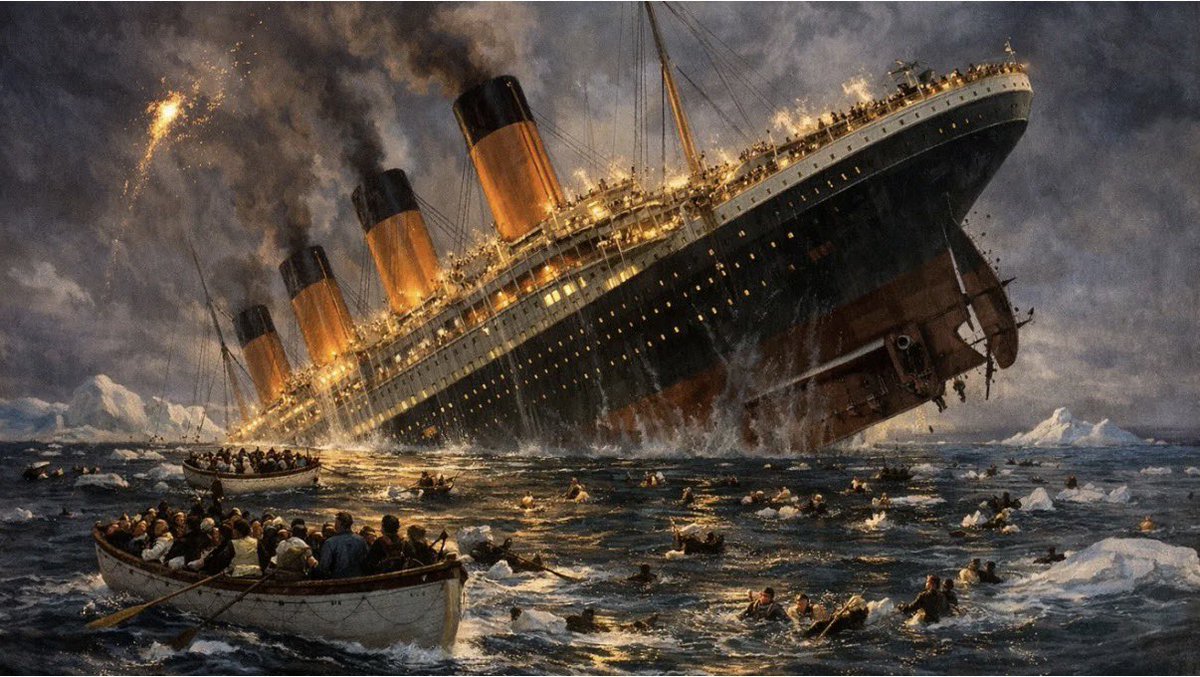
@holland_tom @TheRestHistory Looking forward to the new series! Back in the 1980s I met a survivor of the Titanic, fascinating and sad story
English
0
0
0
46
SeWISE retweetledi
Sama Hoole
Sama Hoole@SamaHoole·
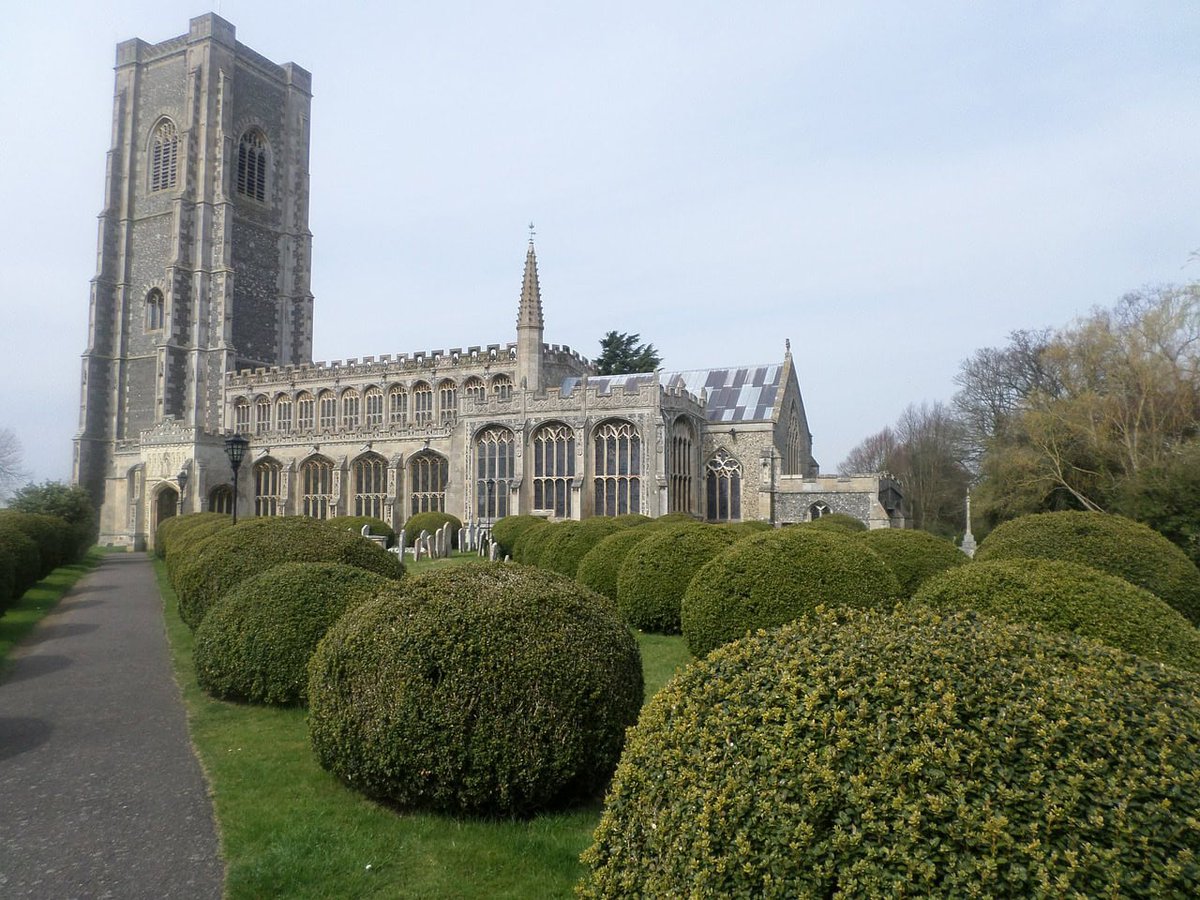
There is a small Suffolk village called Lavenham. Population approximately 1,700. It contains one of the most extraordinary parish churches in England: a tower 141 feet high, fan vaulting, carved stone screens, the kind of medieval splendour you would expect to find in a cathedral city. In 1525, Lavenham was the fourteenth wealthiest town in England. It was wealthy because of wool. Between 1250 and 1500, the English wool trade was the backbone of the entire national economy. Edward I financed his wars with it. Edward III built his Hundred Years' War on it. The Lord High Chancellor still sits on a sack of wool in the House of Lords because the wool was so important that the symbol of state authority is, literally, a bag of it. Yorkshire abbeys ran herds of 14,000, 18,000 sheep. The Cotswolds, the Lakes, the South Downs, East Anglia: every region with grass and a hill became wool country. The fleeces went to Flanders and Italy where they were woven into the finest cloth in Europe. The money came back in cartloads. And the men who made the money built churches. Lavenham, Long Melford, Northleach, Cirencester, Chipping Campden. Stone the local economy could not possibly have afforded under any other industry. "I praise God and ever shall," reads the inscription a wool merchant had carved on his window. "It is the sheep hath paid for all." Then it ended. Spanish merino arrived in the sixteenth century. The Industrial Revolution moved value into finished cloth rather than raw wool. New Zealand and Australia, with vastly cheaper land, undercut British producers. And then synthetic fibres arrived. Nylon in 1935. Polyester in 1941. Acrylic in 1950. By the 1970s, your jumper was no longer made from a sheep that had eaten grass on a Yorkshire fell. It was made from petroleum that had been refined in a chemical plant, extruded into thread, and dyed with industrial pigments that would persist in the environment indefinitely. The replacement was, by every measure that mattered to a wool merchant of 1500, a downgrade. Synthetic fibres do not breathe. They do not insulate when wet. They build static electricity. They shed microplastics into the wash water. They cannot be composted. They will outlive the wearer by approximately five hundred years. They are, however, cheap. And the Yorkshire mills closed. The Cotswold villages emptied of weavers. British wool, which had built more cathedrals than any other industry in English history, became, by the 2010s, worth less per kilogram than the cost of shearing the sheep. Farmers were burning fleeces because nobody would pay for them. You can still see what wool built. Walk into Lavenham church. Stand under the tower. Then look at the polyester fleece you are wearing. That is what came after.
Sama Hoole tweet media
English
68
632
3K
57.3K
SeWISE retweetledi
Warwickshire Archive
Warwickshire Archive@WarwickshireCRO·
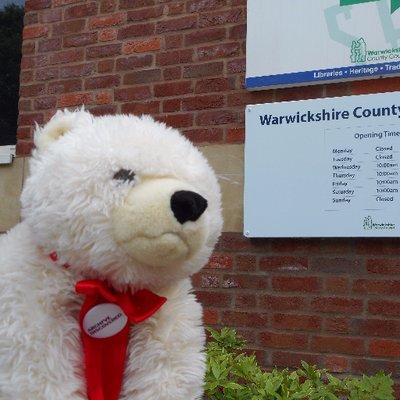
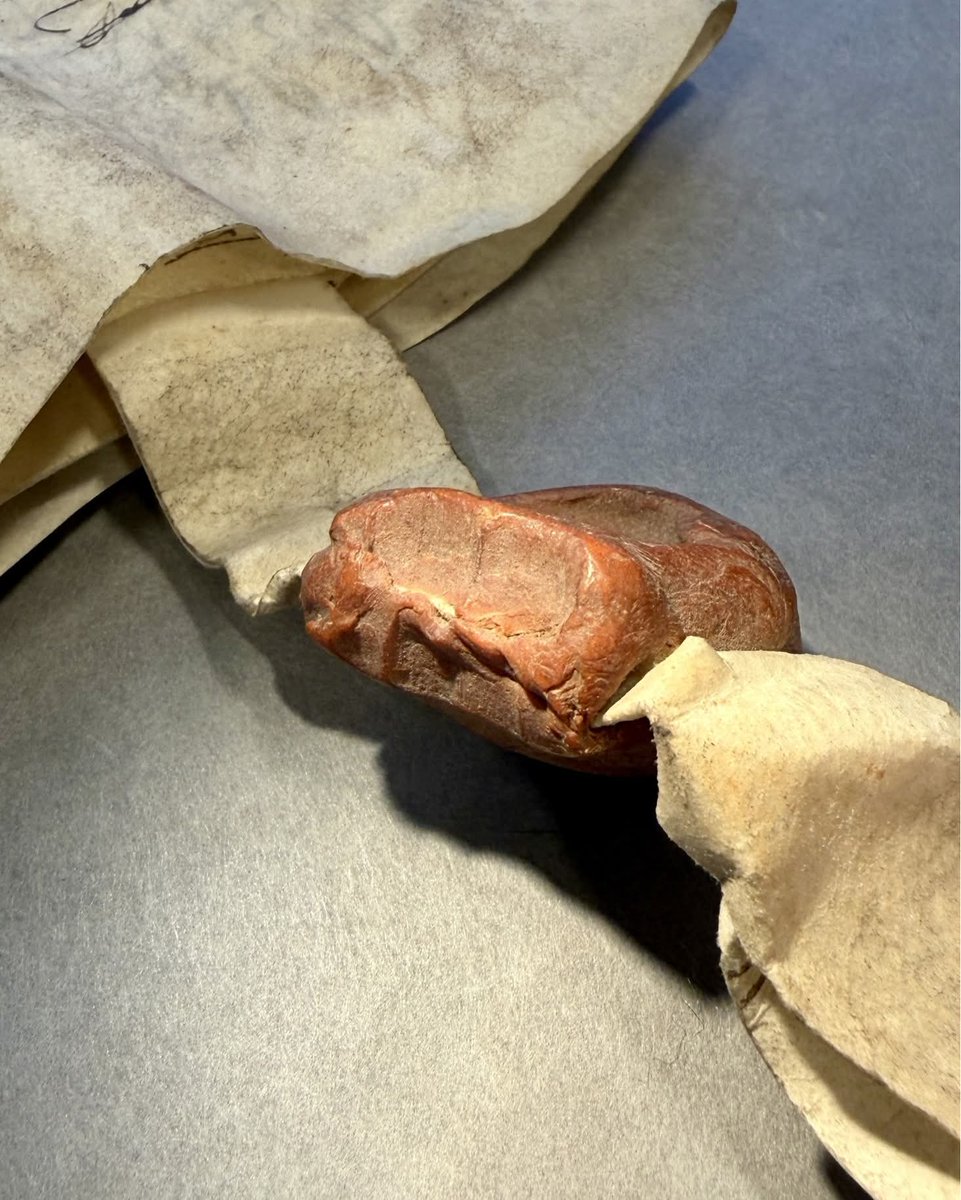
We've got a good'un for today's theme of #UnusualArchives! One of our volunteers came across this very interesting seal. It appears someone took a bite out of it! We wouldn't recommend doing this, but what a cool find! 📸 WCRO, CR1886/BL/3521 #ExploreYourArchive #Archive30
Warwickshire Archive tweet mediaWarwickshire Archive tweet media
Warwick, England 🇬🇧 English
0
9
24
579
SeWISE
SeWISE@SeWISEseals·
Just submitted my Bumper Book of Seals (not, alas, it's real title) to the publisher! 🥳📕 More details once a publication date is known
English
0
0
2
89
SeWISE
SeWISE@SeWISEseals·
Quick query for medieval monastic historians - anyone know when the abbot of Bury St Edmunds is first known to have been mitred? And if so, what's the source? @DrFrancisYoung perhaps you would be able to assist?
English
0
0
1
87
SeWISE retweetledi
The Royal Family
The Royal Family@RoyalFamily·
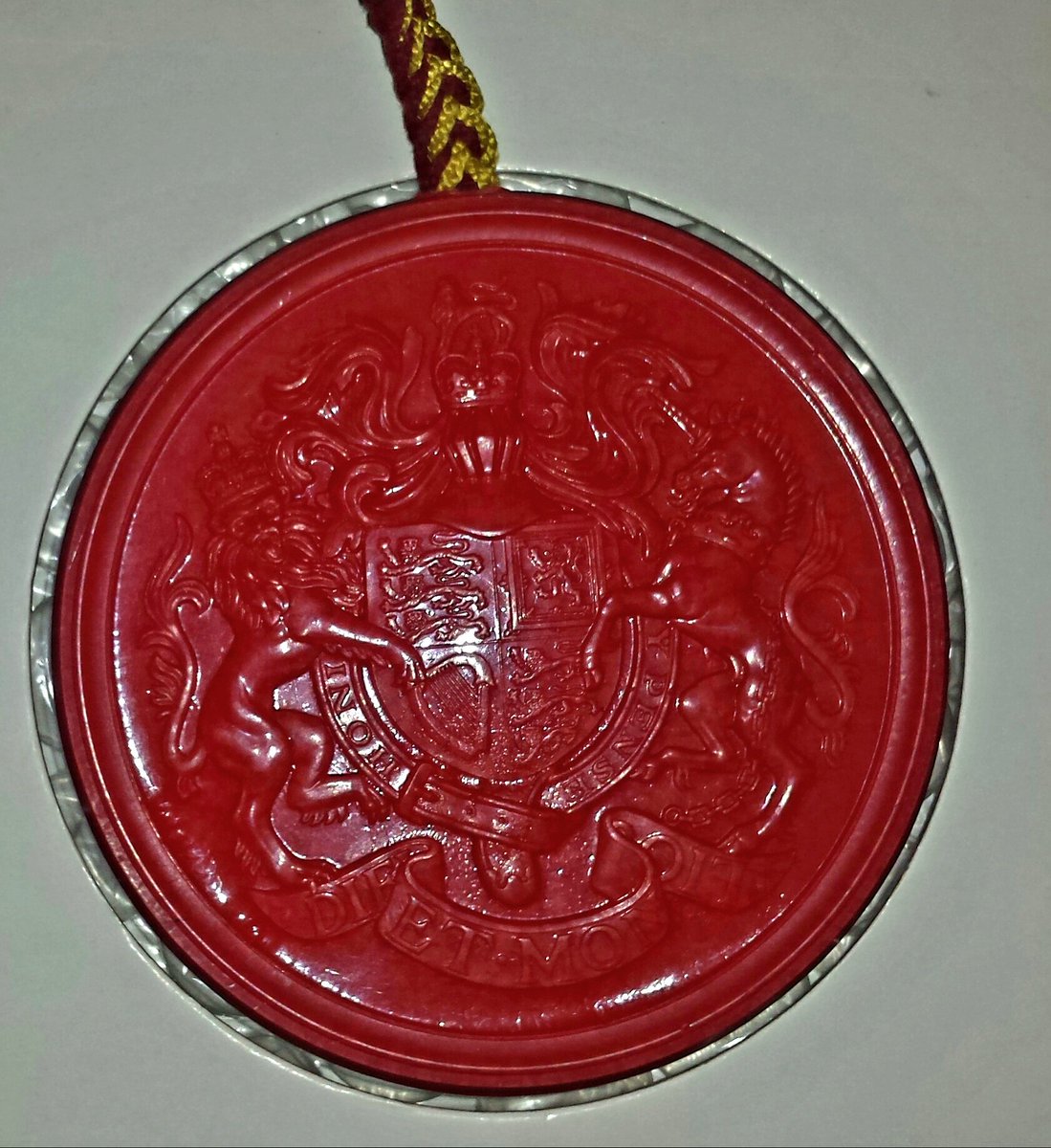
The King’s new Great Seal of the Realm has been unveiled, a symbol of Sovereign authority traditionally affixed to official state documents to signify Royal approval. Uniquely designed for each Monarch, the Seal's design was approved by His Majesty, who entrusted it into the custody of the Lord High Chancellor during a Privy Council meeting. In keeping with centuries-old tradition, the old Seal was symbolically defaced by the Monarch himself and preserved for historical record.
The Royal Family tweet mediaThe Royal Family tweet media
English
262
572
4.4K
250.7K
SeWISE
SeWISE@SeWISEseals·
After a long silence, I am sorry to Tweet with the sad news that Prof. Paul D.A. Harvey has died. He was a great scholar and a lovely person, who made very important contributions to the study of medieval seals. The next SEWISE Newsletter will include a tribute to him 🕯️
English
0
0
4
128