
Sebastien Vidal
31.1K posts

Sebastien Vidal
@SebVidalChem
Organic chemist focusing on carbohydrate chemistry, supramolecular chemistry and applied sciences / Stoddart Alumni / EV driver 🔌 #vidalized
Paris, France Katılım Temmuz 2018
3K Takip Edilen6.2K Takipçiler
@AnthonyGuihur J'en peux plus de Messi qui parle pepouze a l'arbitre a la mi-temps en le poitant du doigt
Français

Voir les anglais comprendre ce qu’est un arbitrage contre soi 😅🙏👌
En tout cas on voit ENCORE des décisions arbitrales différentes… d’un match à l’autre c’est incohérence sur incohérence #ENGARG
Français
C’est quand même sympa de regarder les match sans tension, en observateur neutre 😇🥹
Français
@AnthonyGuihur J'adore ce joueur
Sa saison au PSG cette année a été gargantuesque
Français
Sebastien Vidal retweetledi

🚨 Scandale dans la recherche : des données de validation d’anticorps manipulées sur les sites de fournisseurs comme Thermo Fisher et Abcam ont été découvertes. Des chercheurs sonnent l’alarme. Préjudice financier et scientifique énorme.
1/ 👇🏻
#Science #Recherche
Français
@IainWil92988866 @adamstewart1999 Is Spencer attending ?
If yes, please say hello from me
Loooong time no see
English
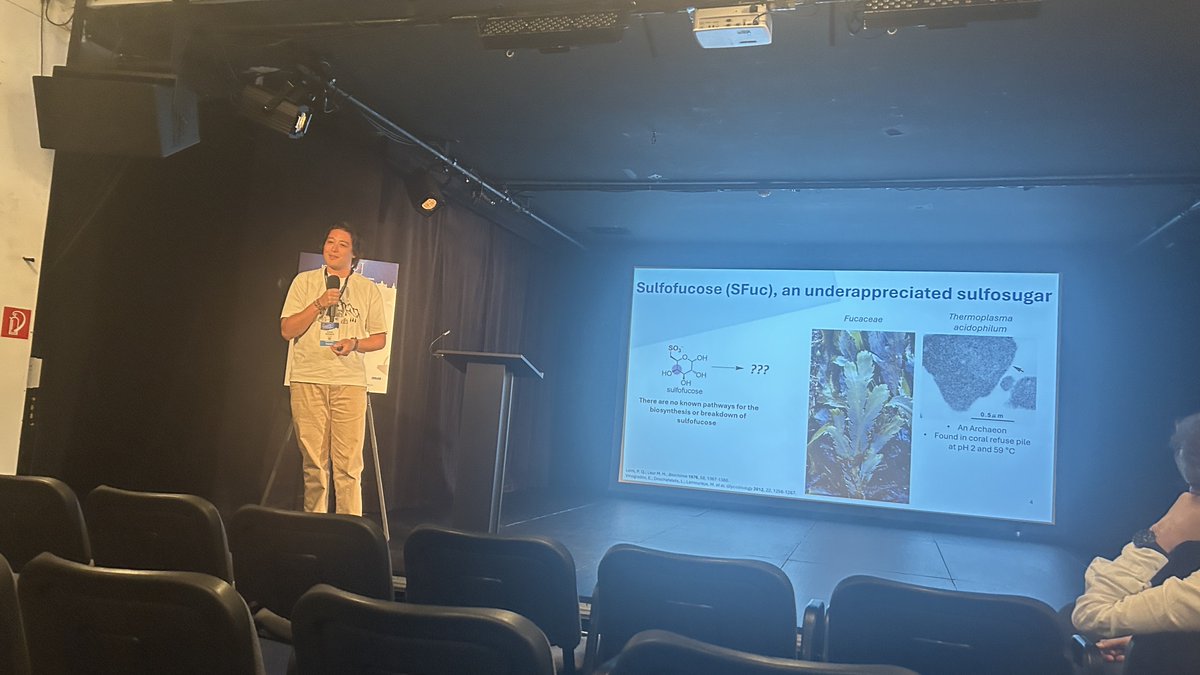
I‘d never heard of sulphonated fucose before (rather we find sulphated fucose in invertebrates) - interesting talk at #ICS2026 by @adamstewart1999
English
Sebastien Vidal retweetledi

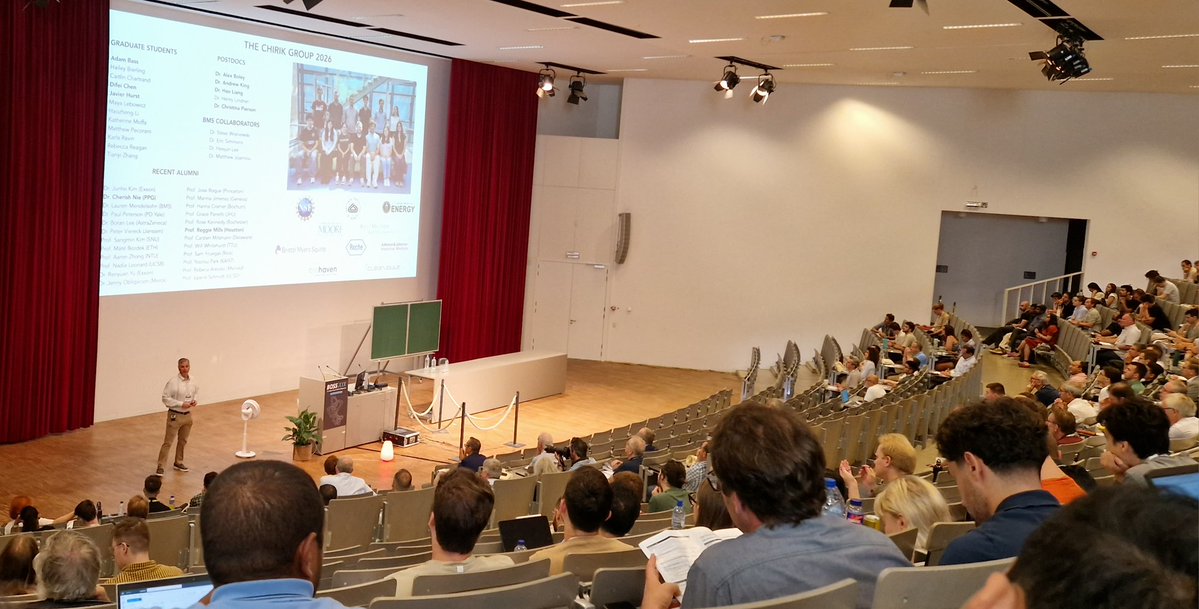
Prof Paul Chirik @pchirik (@ChirikGroup) starting the third day of the BOSS XIX (19th Belgian Organic Synthesis Symposium) in Leuven 🇧🇪. Earth Abundant Metal Catalysis for Organic Synthesis: Opportunities from Open Shell Organometallics. @BOSS_Symposium #BOSSXIX
English
Sebastien Vidal retweetledi
Dr Didier Bourissou @LBPB_Lab starting the second day of the BOSS XIX (19th Belgian Organic Synthesis Symposium) in Leuven, after introduction by Prof O. Riant @OlivierRiant. How Ligands Shape Gold Chemistry? From Structure and Reactivity, to Catalysis. @BOSS_Symposium #BOSSXIX


English

We‘ll see what the Argentinian referees will do on Thursday.
Salah Updates@SalahUpdates
🚨🚨🚨 BREAKING - MOSTAFA ZIKO: 🗣 "The referee is unfair, God is sufficient for me and the best disposer of affairs. He's wasting the effort of an entire nation." "The cup is being given to Argentina."
English
Sans déconner, c'est Trump qui fait le coup encore ou quoi
Actu Foot@ActuFoot_
Pas 1. Pas 2. Pas 3. Pas 4. MAIS 5 ARGENTINS 🇦🇷 SERONT À L’ARBITRAGE POUR FRANCE 🇫🇷-🇲🇦 MAROC en comptant les assistants. 📸 @RMCsport
Français

Je soutiens toutes les équipes qui jouent contre l argentine. J ai l impression d être Mohamed henni
Français
Si l'argentine est éliminée par l'Égypte avec Letexier 🇫🇷 comme arbitre (ils perdent 0-1 a la mi-temps), ben ca risque d'être encore plus dur contre le Maroc....
Actu Foot@ActuFoot_
🚨🚨 OFFICIEL ! C’EST UN ARGENTIN QUI ARBITRERA FRANCE 🇫🇷-🇲🇦 MAROC !!! 🇦🇷 FACUNDO TELLO A ÉTÉ DÉSIGNÉ ARBITRE DE CE QUART DE FINALE. 👮♂️
Français
Lord voldemort
Kolade@uttdkola
I can spot Zinedine Zidane, who's the other player? 🔥 Level: Hard
English
Sebastien Vidal retweetledi
[#Jobs] @BioCIS is seeking a motivated and talented researcher for a 3-5 year tenure track position as part of the CNRS Junior Professor Chair program l1nq.com/wxr5wso @CNRSchimie
English
@DocArnica Tu dormiras mieux sans tes chaussures, je t'assure
Français

@docfromMars C'est à Philadelphie où la constitution a été signée
Logique non?
Français
Est on obligé de supporter la propagande américaine pdt un match de la coupe du monde ? On en a rien à foutre des 250 ans des USA
Français