

Chuks
20.4K posts

In Nigeria, over 40 Catholic Priests has been massacred by Islamic terrorists in the last 5 years.
Where was Pope?
Where was Vatican?
You kept talking about peace
Peace with who exactly?
English

Abike Dabiri-Erewa, an interesting case study. Seriously.
You know, I’ve always believed that power doesn’t corrupt nearly as often as it reveals. It strips away the performance, the carefully rehearsed persona, and leaves you with something far more honest and far more permanent.
In Abike’s case, what’s been revealed is not strength, not clarity, not even conviction, but a certain fragility of depth. The kind that becomes apparent when words are spoken too quickly, too loosely, without the burden of reflection.
Public office is a peculiar thing. It doesn’t ask you to be perfect - no, that would be unreasonable. But it does demand awareness. Awareness of history, of consequence, of the invisible fault lines that run beneath a nation like Nigeria. And when someone entrusted with that responsibility speaks in ways that seem careless, dismissive, or uneven in empathy, it doesn’t just raise questions, it answers them.
Because you begin to see a pattern. Not an isolated misstep, but a consistency of poor judgment dressed up as authority. A tendency to speak without anchoring those words in wisdom or restraint. And over time, that pattern becomes identity.
The tragedy here isn’t loud. It rarely is. It’s quiet, almost polite.
A public figure, given a platform to unify, choosing instead - whether by instinct or limitation to contribute to the very fractures that demand healing.
And the most unsettling part?
It doesn’t feel accidental.
It feels like someone who was handed significance but never quite grew into it.
@abikedabiri my sister, be measured in your utterances and deeds.

English
@abikedabiri @PeterObi See a bigot personified talking.
Let me even block you first so you don't ever appear on my TL.
English

You are ecposing yourself. And your fellow obi - dients . Toxic people . And I will repeat it again. These monsters will be @PeterObi ‘s nemesis if he does not call them to order .
BSN@Barristerstreet
🇳🇬 EXPOSED - NIDCOM Boss Abike Dabiri-Erewa’s Vulgar Social Media Meltdowns Undermine Nigeria’s Global Image, Fuel Diaspora Profiling The Chairman of the Nigerians in Diaspora Commission, Abike Dabiri-Erewa, is under growing criticism from Nigerians for repeated use of insulting and unprofessional language on social media, with concerns that the conduct is damaging Nigeria’s international reputation. Her posts in April 2026 have drawn particular attention. In one instance, she wrote “Obingo 😩 Obi diot 🤣🤣🤣,” widely seen as a jab at supporters of Peter Obi. In other exchanges, she referred to Nigerians as “professional hackers,” “warped minds,” and used terms such as “Didinrin,” “Dodoyo,” and “mugu.” This is not an isolated pattern. In June 2024, she described journalist Samuel Ogundipe as “useless,” “miserable,” and “pathetic,” reinforcing concerns raised by Nigerians about her approach to public communication. Nigerians say the role of the NIDCOM chairman requires disciplined and measured engagement, especially when representing citizens abroad. Public communication from that office carries international visibility and reflects directly on the country. Many Nigerians in the diaspora already face scrutiny in different countries, and there are concerns that statements from a senior official that appear hostile or dismissive could reinforce negative perceptions and weaken Nigeria’s image. The issue remains clear. Public officials at this level are expected to communicate with restraint and professionalism, and Nigerians say repeated departures from that standard continue to raise serious questions about the country’s global standing.
English
English

@FinPlanKaluAja1 Seriously, I don't really understand what the UN is doing
English
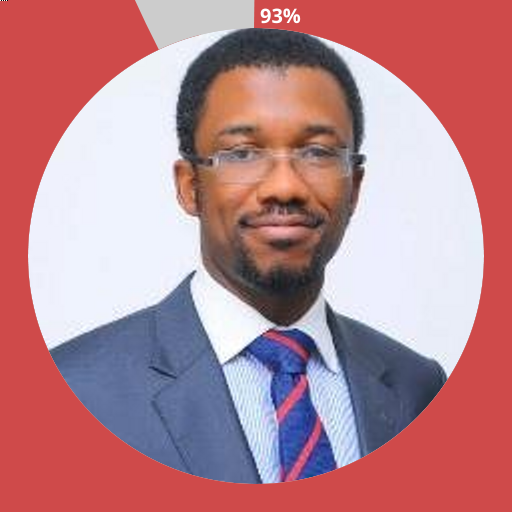

“Peter Obi raised m%nsters, Obidients will be his downfall” — NIDCOM Chairman Abike Dabiri

English

Reports: French and British vessels
paid $2 million in ‘protection fees’
to the Islamic regime to sail through Hormuz!
Bravo to these brave
Europeans for funding terrorism!
Absolute peak cowardice 😂
English
You can hate Bibi from far away under your bed,
I dare you go to his face and say that your rubbish.
😂 😂 😂
English


@DefenseNigeria How much has the state spent on the Army in the North East alone? If a commander in this 21st century still allows his soldiers to be slaughtered by a non state actors like Boko haram due to lack of the right tools, such senior officers should be charged for treason.
English
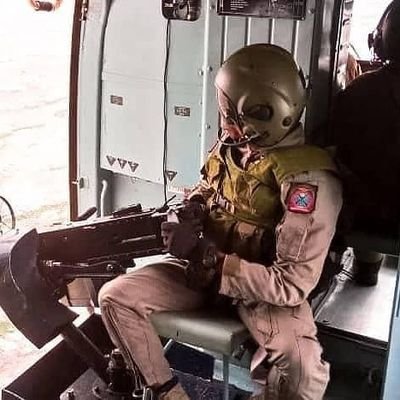
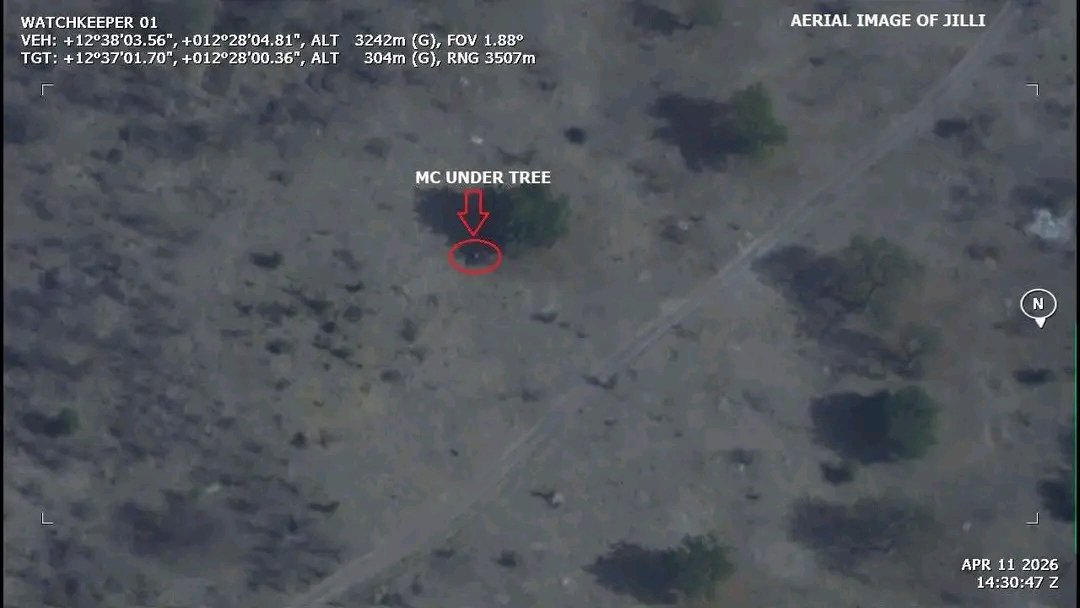
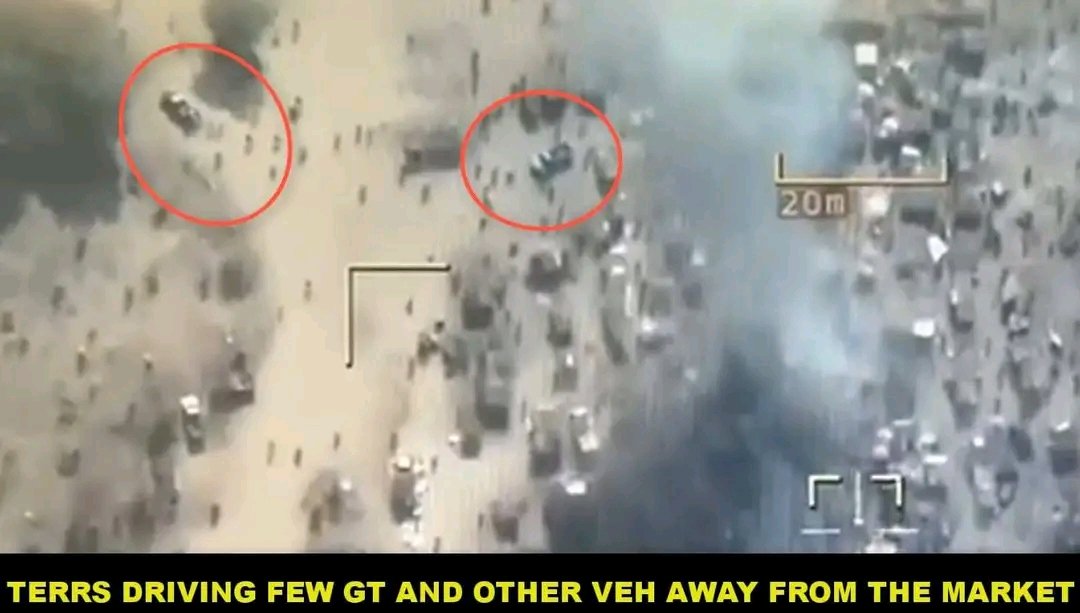
ISWAP’s use of night vision goggles shows you why they have been very intentional about carrying out attacks under the cover of darkness. Around 90% of their high profile attacks are deliberately carried out at night to have a tactical advantage.
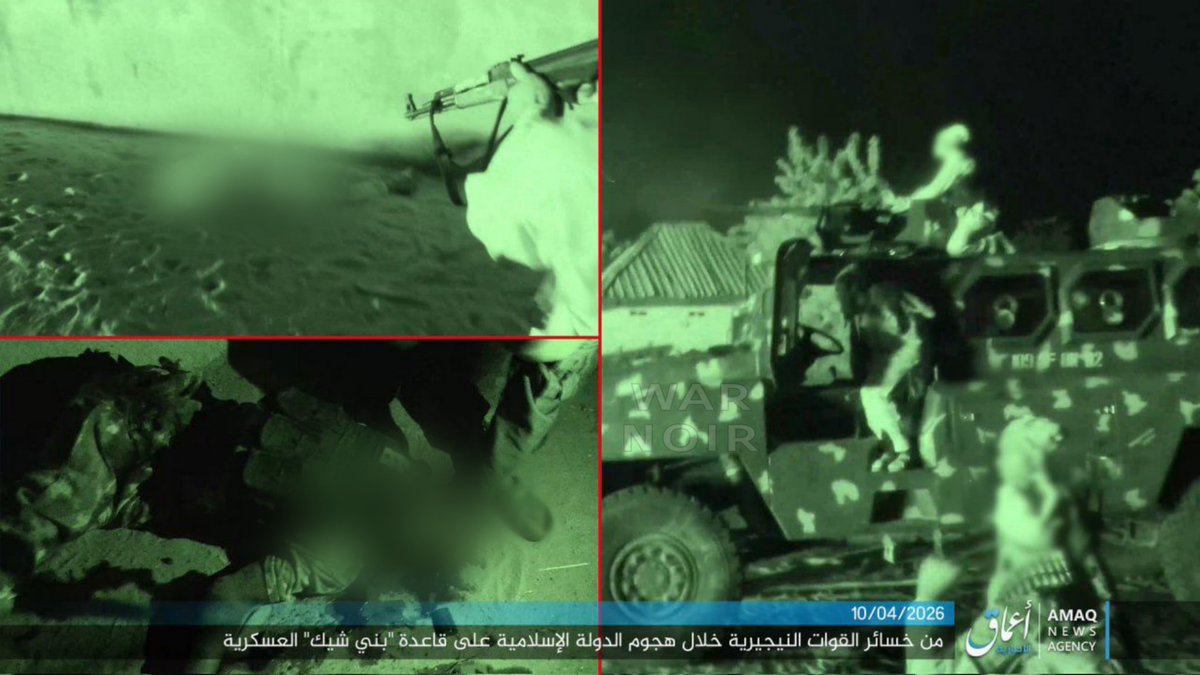
Defense News Nigeria@DefenseNigeria
Many Nigerians still view ISWAP via the lens of the pre-2015 insurgency, a bunch of ragtag militia. That perception is outdated. The growing tactical exchanges between ISWAP and ISGS is enabling the cross-border flow of foreign fighters, including Caucasians, adding new dimension to the conflict. In recent times, there has been a noticeable influx of these fighters into ISWAP’s core heartland in the predominantly Kanuri-speaking areas of northeastern Nigeria, bringing with them advanced tactics, combat experience, and operational expertise. It is this foreign expertise that is reshaping the battlefield dynamics in the northeast and the Lake Chad region. With international links providing training, funding, and operational support, these guys now have access to tactical gear, night vision goggles, and even armed drones. We are confronting a well equipped, highly coordinated, and tactically savvy group, with fighters in numbers that rivals or exceeds that of several West African national militaries. One capability they consistently struggle to counter is the Nigerian Air Force. Sustained aerial bombardment and precision strikes degrade their operational stability and impose significant psychological pressure. It remains a domain they have limited control and no effective defense. Unfortunately, this advantage cannot yet be fully exploited due to gaps in tactical air assets. The delivery of two M-346FA squadrons and one AH-1Z Viper attack helicopter Squadron will significantly enhance the NAF operational depth. When they arrive, the window ISWAP has used to exploit limited air coverage will come to an end,
English

IRGC Navy:
Strait of Hormuz remains open for civilian vessels under "smart control". Military vessels approaching the strait will be considered ceasefire violation and met with "severe response"
English

היום בלבנון עם הלוחמים הגיבורים שלנו
עברית





Chuks retweetledi


Who else noticed that the TV has started becoming useless at home???
English