Ser U retweetledi
Ser U
1.1K posts

Ser U
@Sergious21
Dentist. Implantology and Oral Rehabilitation.
Barcelona, Spain Katılım Aralık 2017
128 Takip Edilen30 Takipçiler

@Supergabrielon A Premià de Mar hem tingut dues baixades de tensió, ara fa 5 min l’última. S’han escoltat dos sorolls forts, semblants a una explosió justament després.
Català

Y esto no es ni el principio de la miseria que está por llegar
ʜᴇʀQʟᴇs@herqles_es
🇪🇸🇪🇺 | El equipo de HerQles quiere expresar su más sentido pésame a la familia y allegados de David Lafoz Gimeno, joven patriota y luchador, víctima de las políticas asesinas de Bruselas y la Agenda 2030. Descanse en paz.
Español
Ser U retweetledi
Ser U retweetledi

@emmabio23 @meteocat @Observatori @eltempsTV3 @estelsiplanetes @btveltemps @meteollac Jo l’he vist des de Tordera! Gegant!!
Català

Algú més ha vist un possible #meteorit #bòlid sobre #igualada avui a les 20:20h direcció sud-est? @meteocat @Observatori @eltempsTV3 @estelsiplanetes @btveltemps @meteollac

Català
Ser U retweetledi

@elonmusk Patient: “so I’m kinda feeling sad…” 😒
Doctor: “HERE TAKE THIS PILL!” 💊
Doctor: “How do you feel?” 😀
Patient: …

English
Ser U retweetledi
Ser U retweetledi

Si leéis las respuestas a este tweet entenderéis por qué es una locura aceptar a musulmanes en Europa.
Ni van a integrarse ni a tolerar a los que no piensen como ellos.
Mohamed Salah@MoSalah
Español
Ser U retweetledi

If you want to lose weight, consider focusing on getting a greater portion of your total calories from protein and fiber.
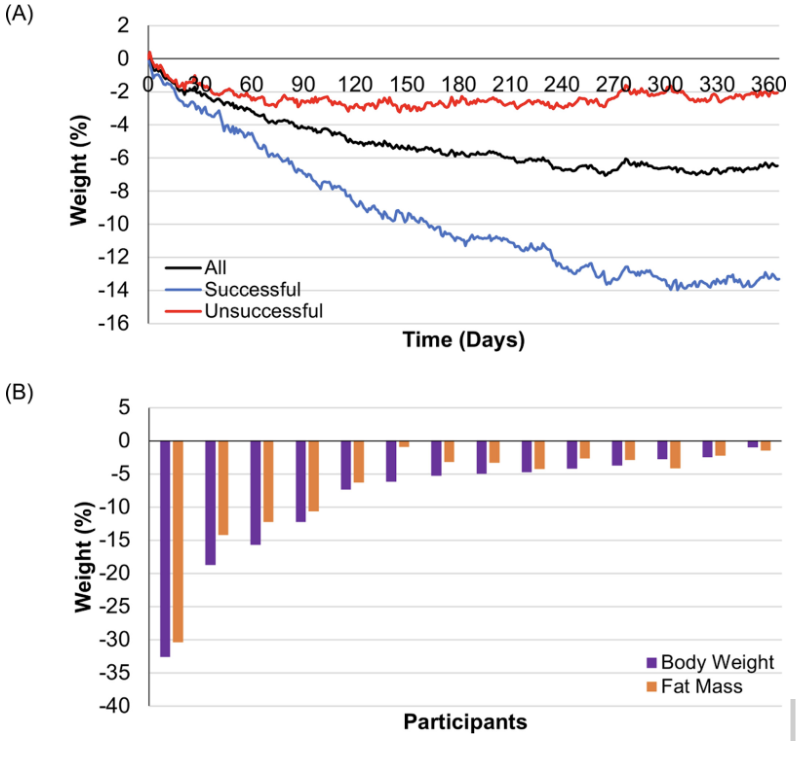
A new study found that individuals who increased their intake of protein and fiber experienced significant weight loss over a 12-month period, without the need for calorie counting, frequent weigh-ins, or detailed food logging.
The diet was centered on consuming foods with higher protein and fiber density—targeting at least 7 grams of protein and 2 grams of fiber per 100 calories.
The greater the dietary protein and fiber density, the more weight participants lost, with some achieving up to a 13% reduction in body weight during the study period.
Focusing on protein and fiber intake helped preserve lean body mass, with nearly 80% of the weight loss coming from fat mass and only about 15% from skeletal muscle mass.
What’s so unique about protein and fiber in the context of weight loss?
Fiber promotes satiety, helping to reduce hunger after meals, while protein not only boosts feelings of fullness but also increases energy expenditure due to its higher thermic effect. Additionally, a high-protein diet helps preserve lean body mass and promotes fat loss during calorie restriction.
If your goal is weight loss, weight maintenance, or simply to feel fuller for longer, prioritize whole foods rich in protein and fiber. You’ll also receive myriad health benefits associated with fiber and protein that range from muscle to bone health to gut health and beyond.
I’ll discuss this new study in tomorrow’s weekly Wednesday email newsletter. If you’re interested in how a high-protein, high-fiber diet supports weight loss, plus my latest insights on nutrition and fitness science, be sure to subscribe.
Foundmyfitness.com/newsletter
Study referenced - PMID: 38803427

English
Ser U retweetledi
Ser U retweetledi
Ser U retweetledi

Drinking 3 cups of coffee or 200–300 mg of caffeine per day lowers your risk of developing diabetes, heart disease, or stroke by up to 48%!
Compared to people who don’t consume coffee or caffeine, people who are moderate consumers are less likely to have new-onset cardiometabolic disease, according to a new study. They’re also less likely to progress to multimorbidity—the presence of two or more conditions—during a follow-up period of nearly 12 years.
Although a moderate intake was associated with the lowest risk, even high intakes of coffee and caffeine were protective!
For example, consuming 4–5 cups of coffee per day was associated with a 35–40% lower disease risk compared to people who never consume coffee. For caffeine, consuming as much as 400 mg or more per day was associated with a 41% lower risk.
This might have something to do with lipoproteins—metabolites expressing HDL subclasses were positively associated with moderate coffee intake while those expressing VLDL subclasses showed a negative association.
There is also good news for tea drinkers. People consuming 3–4 or more cups of tea per day were up to 40% less likely to develop cardiometabolic disease than non-tea drinkers.
The takeaway?
I don’t think this means you should drink more coffee, caffeine, or tea in hopes of reducing your disease risk. But if you’re already drinking a moderate amount of caffeinated beverages, I think it’s safe to say that you’re not harming your health, and you might even be protecting yourself against certain diseases.
doi: 10.1210/clinem/dgae552

English
Ser U retweetledi

A meta-analysis has concluded that omega-3 fatty acids can improve cognition in the elderly and may also reduce the level of blood amyloid-β (Aβ)-related biomarkers (e.g., Aβ 40) & inflammatory factors (1L-6,).
pubmed.ncbi.nlm.nih.gov/36776054/
@maxlugavere @hubermanlab @foundmyfitness
English
Ser U retweetledi

Lifestyle tweaks like physical activity can impact our brain health, even after cognitive decline begins.
New research highlights how exercise chiefly enhances functional brain connectivity in older adults with mild cognitive impairment, an effect further complemented by cognitive training and Vitamin D.
It's never too late to start an exercise routine!
link.springer.com/article/10.100…
English