

Sharky Rabbit
515 posts


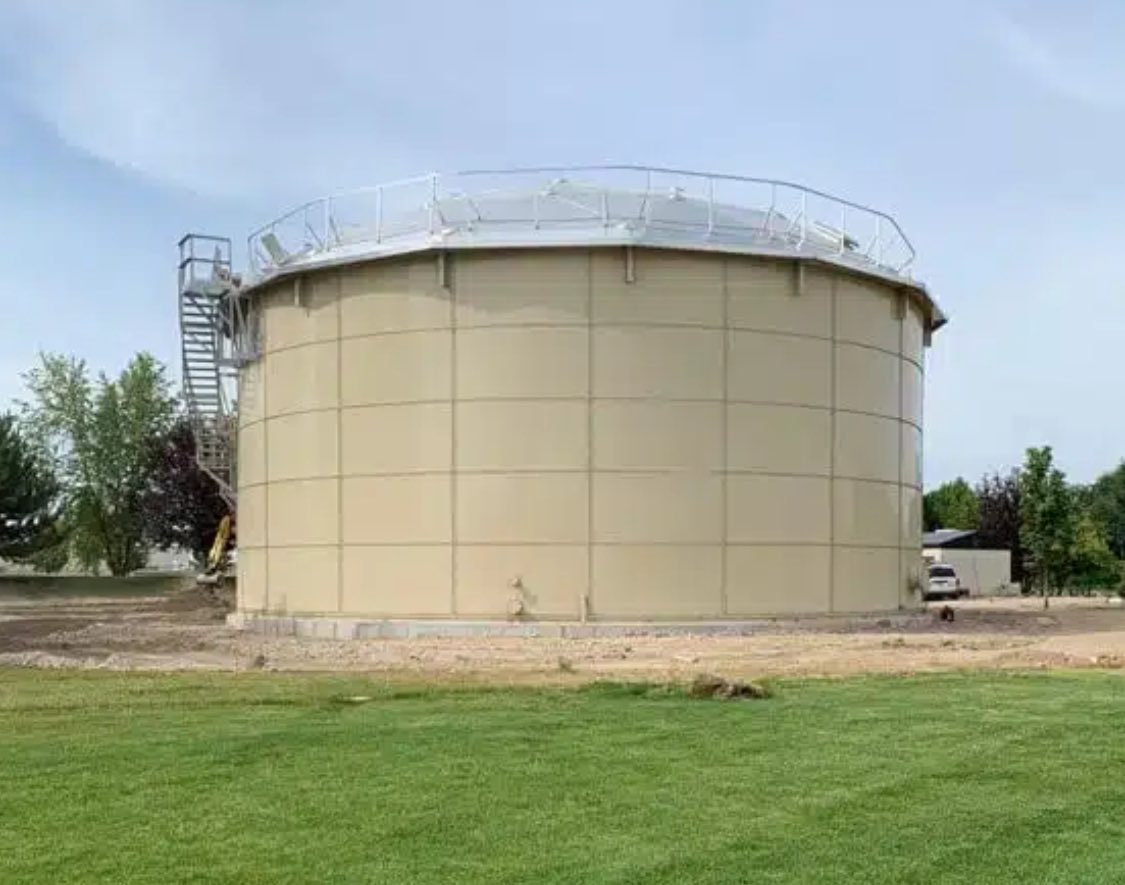
@nicksortor This is 100,000 gallon tank. So you’re telling me this at 2.8 of these tanks worth of fuel was on the plane? Wings must have been a mile long….
English

🚨 BREAKING: UPS Flight 2976 bound for Honolulu, Hawaii had 280,000 gallons of jet fuel on board when it crashed in Louisville, per WLKY
MULTIPLE explosions have rocked the area, and smoke can be seen for dozens of miles.
English



English

Th Eagles just got ROBBED at home. The overturned grounding. The late hit on Baun as ballcarrier fought for the 1st. The 2nd-to-last-play uncalled pass interference at the goal line on Goedert by a jersey-grabbing Skinner.
English

@fightfarmnft @Fights_bro His name is Josh koscheck he fought professionally. You’re hilarious
English

@Fights_bro That is Josh koscheck contracted ifc fighter at the time of this video.
Fight was in fresno California
English
@camshome @Fights_bro That is Josh Koschek contracted MMA fighter at the time.
English


There is no league as tone deaf as the WNBA.
“Pay us what you owe us” shirts when you have to be subsidized is wild.
English


The WNBA loses $50 million every year and has NEVER generated a profit. You deserve $0.00.

English


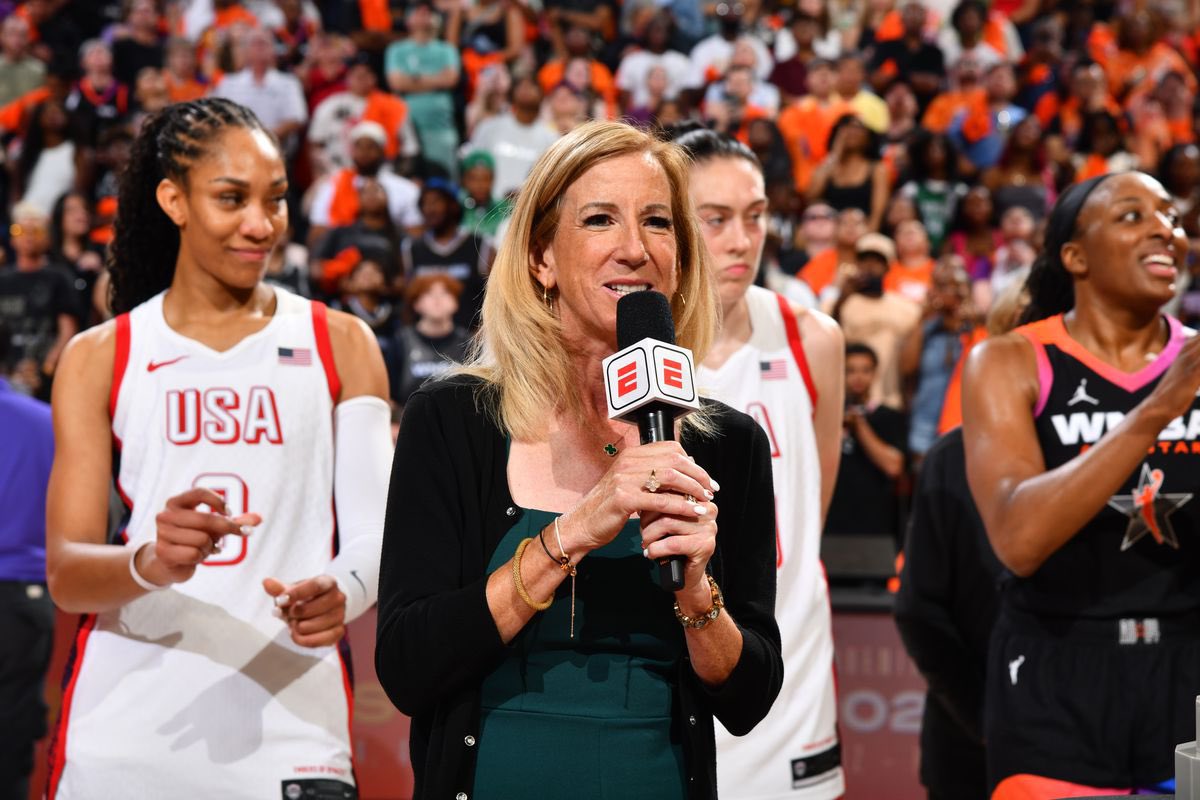


I just looked up hers and Angel Reese's salary - $80k a year??? How are they earning less than a Target store manager???? Tf
NBACentel@TheNBACentel
Caitlin Clark’s shirt: “I DESERVE NBA MONEY” 👀
English

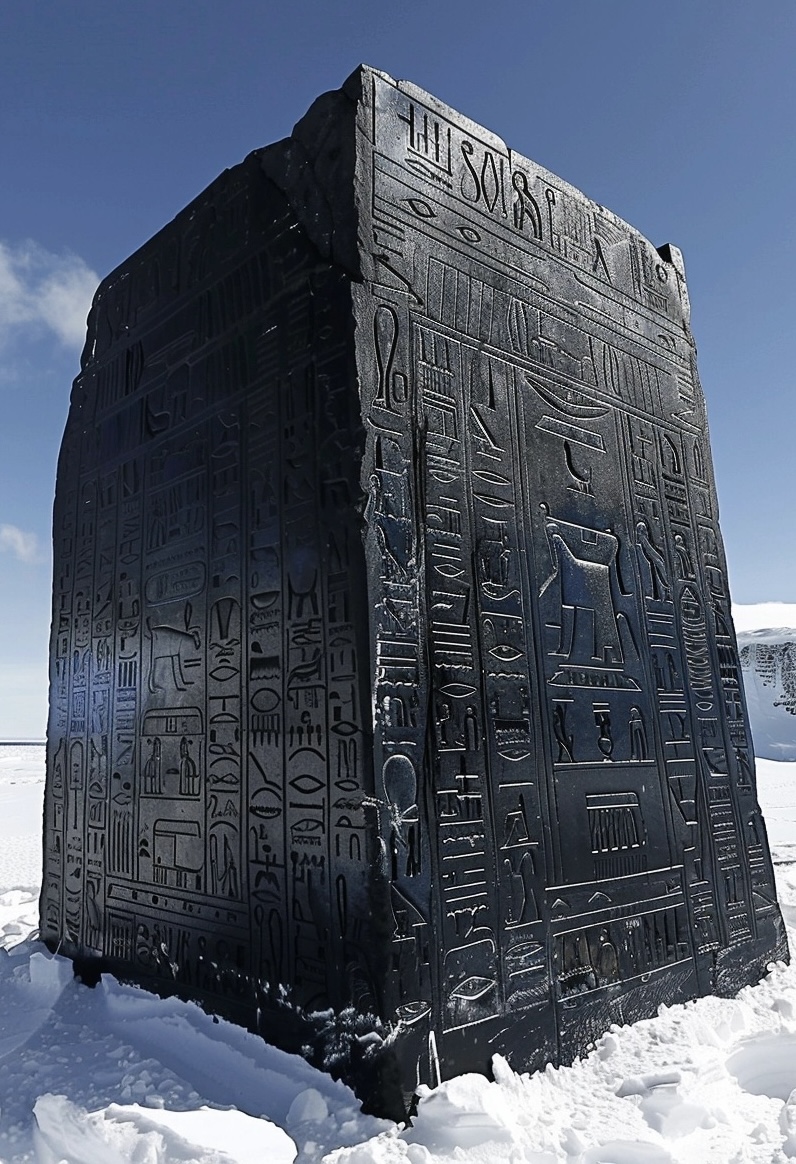
Why are we not being told about the ancient Egyptian obelisks in Antarctica? 🧐
English

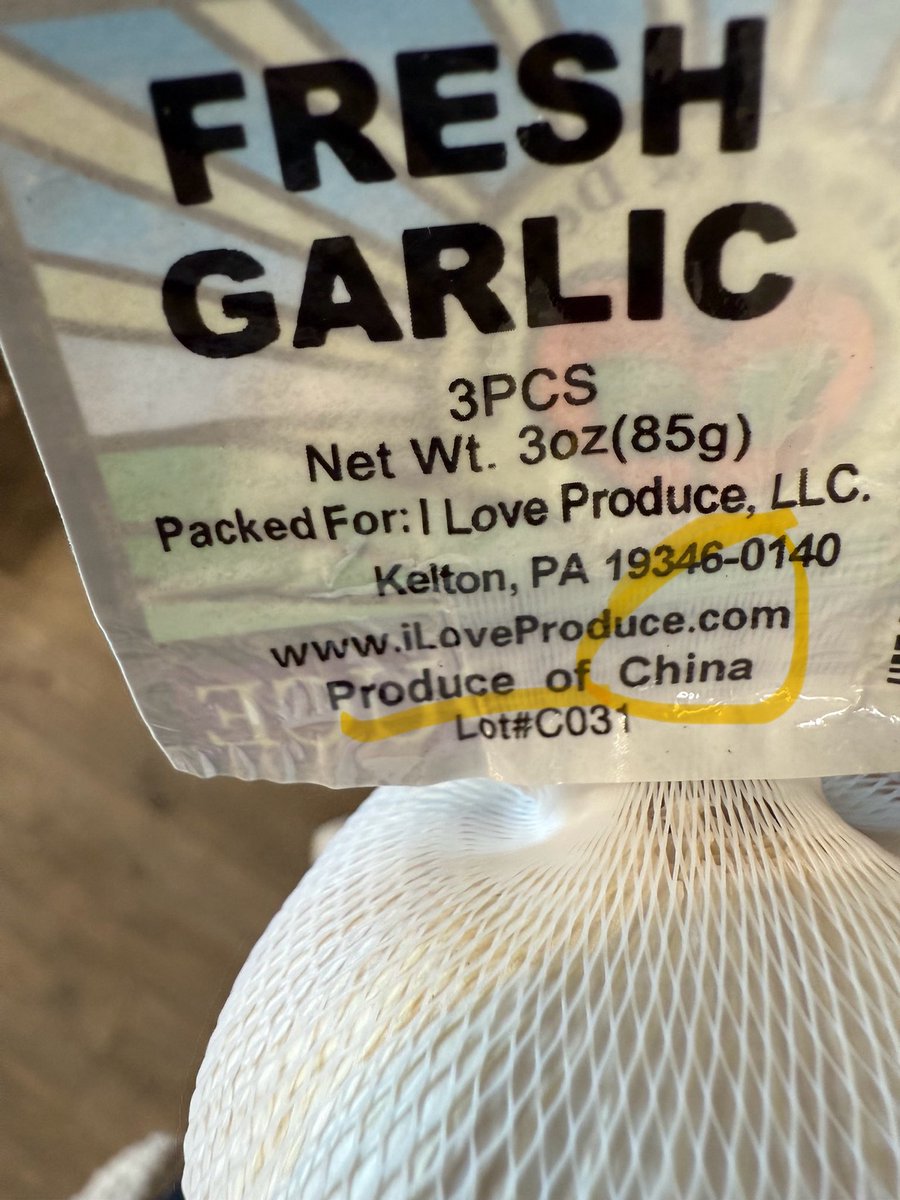
Why the heck wouldn’t we grow and sell our own garlic? Let’s Make Farming Great Again.
🧄🧄🧄
Garlic generally thrives in USDA Hardiness Zones 3 to 8, where it can experience a cold period essential for bulb development, followed by moderate temperatures for growth.
Here’s a breakdown of top regions based on these factors:
California, particularly the Central Valley and areas like Gilroy—known as the “Garlic Capital of the World”—stands out as the leading producer, accounting for over 90% of U.S. commercial garlic. Its Mediterranean climate, with mild, wet winters and hot, dry summers, suits softneck varieties like California Early and California Late, which don’t require intense cold for vernalization (the process where cold triggers bulb formation). The well-drained, fertile soils and access to irrigation make it ideal, yielding about 17.6 tons per hectare annually. However, the lack of harsh winters can limit hardneck success unless cloves are artificially vernalized by refrigerating them for 6–8 weeks before planting.
Oregon, especially in the Willamette Valley, is another excellent region, emerging as a competitor to California. Its semi-arid climate, with cool, wet winters and dry summers, supports both hardneck and softneck garlic. Oregon’s organic farming focus and rich, volcanic soils enhance garlic flavor and quality, making it a favorite for small-scale and specialty growers. Hardnecks, which prefer colder winters, do particularly well here in Zones 6–8.
Washington, notably eastern areas like the Columbia Basin, offers a colder climate (Zones 5–7) with well-drained soils, ideal for hardneck varieties such as German Red or Music. The distinct seasons—cold winters and warm summers—provide natural vernalization and a long growing period, though irrigation is often needed due to lower rainfall.
New York, in the Finger Lakes region and upstate areas (Zones 4–6), excels for hardneck garlic due to its cold winters and fertile, loamy soils. The state’s shorter growing season is offset by ample moisture and sunlight, producing robust, flavorful bulbs popular at farmers’ markets.
For home gardeners, the best spot depends on your zone. In colder northern states (Zones 3–6, like Minnesota or Vermont), hardnecks thrive with fall planting (October–November) to leverage winter chill. In warmer southern states (Zones 7–9, like parts of Texas or the Carolinas), softnecks are easier, though vernalization may be needed for hardnecks.
Everywhere, garlic needs full sun (6–8 hours daily), loose, well-drained soil with a pH of 6.0–7.0, and organic matter like compost to boost fertility.
California’s dominance reflects commercial optimization, but Oregon, Washington, and New York offer strong alternatives, especially for hardnecks or organic production. Pick your variety based on your local winter—hardnecks for cold, softnecks for mild—and you’ll find success across these regions.
English

This is the model globe earthers believe is happening right this second! 😆
English

@BuckSilver1 @Fights_bro It’s actually Josh Koscheck a UFC fighter
English

@Fights_bro “ MMA training “ are just leg kicks and sloppy punches.
English