Jacob Sherman

6K posts

Jacob Sherman banner
Jacob Sherman

Jacob Sherman

@Shermanicus

Professor of Philosophy and Religion, Chair of Philosophy, Cosmology, and Consciousness @CIIS_SF • Currently working on Contemplation and the Book of Nature

Sebastopol, CA Katılım Haziran 2013
1K Takip Edilen4.2K Takipçiler
Sabitlenmiş Tweet
Jacob Sherman
Jacob Sherman@Shermanicus·
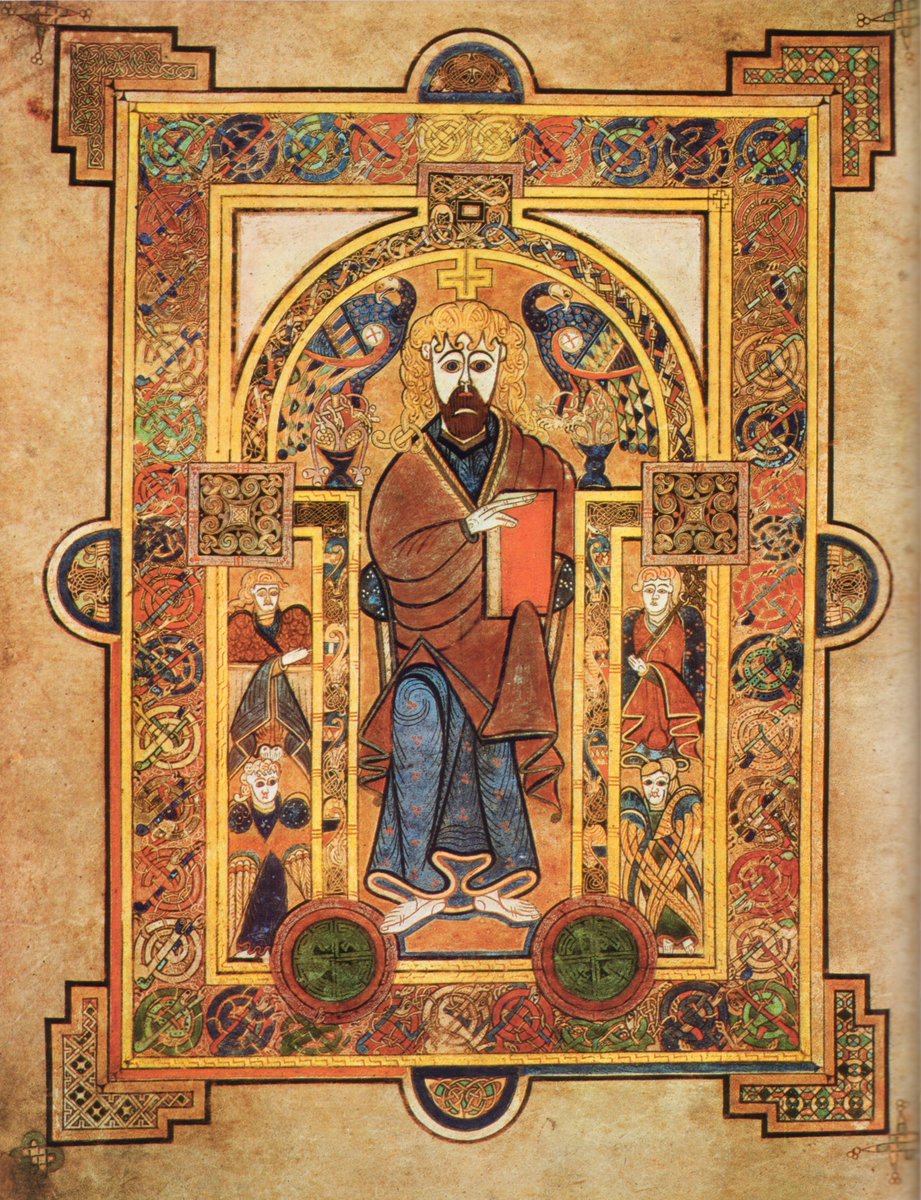
Philosophy, the study of wisdom, is not one thing & religion another... What is the exercise of philosophy but the exposition of the rules of true religion by which the supreme & principal cause of all things, God, is worshipped with humility & rationally searched for? — Eriugena

Jacob Sherman tweet media
English
11
62
277
0
Jacob Sherman
Jacob Sherman@Shermanicus·
@suzania @JoshDaws Yes, exactly. I feel very little (but not quite zero) compunction using an LLM to help me formulate a bureaucratic email or similar document. But I would be disgusted using it to think or read for me. Machines for machinic tasks. Paideia requires human beings.
English
1
0
4
36
Susannah Black Roberts
@JoshDaws I think I have been too broad in my arguments in the past— I think there are good uses for these things, but that humanistic reading and writing are not good uses for them.
English
2
0
17
652
Susannah Black Roberts
Talking with ppl who are fine with using generative llms for writing and trying to explain why they should not be is one of the more disturbing experiences I've had. Like, what I am trying to say is that you as a person matter, and y'all keep saying "prove it to me."
English
33
98
1.1K
18.7K
Jacob Sherman retweetledi
Chris Satoor​​
Chris Satoor​​@aufgehenderRest·
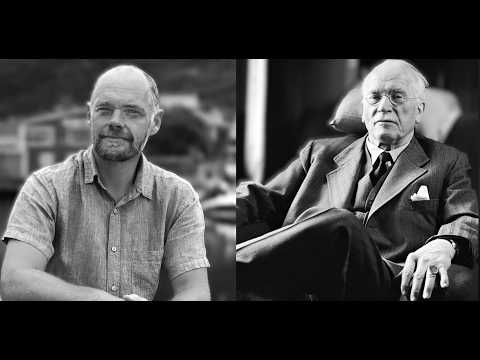
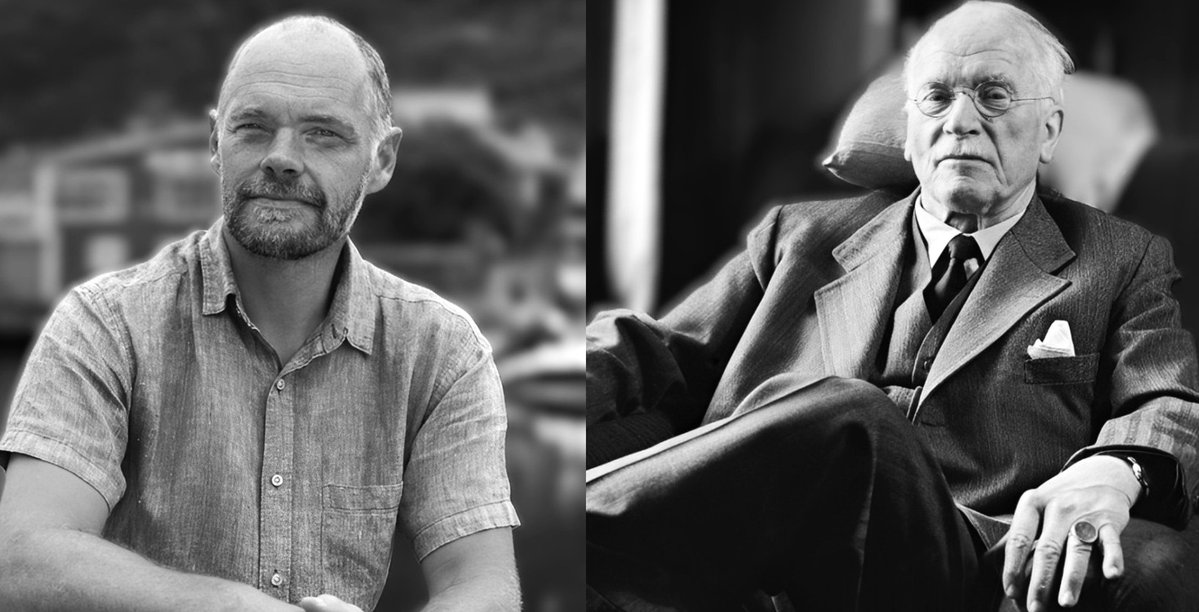
I am very excited to release a brand-new episode of #TheYoungIdealist Series. This episode feature Dr. Sean J. McGrath (Memorial Uni) discussing his forthcoming book which seeks to merge the relationship between Jungian psychology and nature philosophy. youtube.com/watch?v=6h7zKn…
YouTube video
YouTube
Chris Satoor​​ tweet media
English
0
9
38
4.6K
Jacob Sherman
Jacob Sherman@Shermanicus·
The liberal, secularized state lives by prerequisites that it cannot guarantee itself. — E-W Böckenförde, ‘Die Entstehung des Staates als Vorgang der Säkularisation’ (Mårten Björk and Tormod Johansen discussed Böckenförde at their book launch seminar yesterday at @goteborgsuni)
Dansk
0
0
2
163
Jacob Sherman
Jacob Sherman@Shermanicus·
The purpose of scientific statement is the elimination of ambiguity, and the purpose of symbol the inclusion of it….Symbol endeavours, as it were, to be that of which it speaks, and imitates reality by the multiplicity of its significance. — Austin Farrer, A Rebirth of Images 19
Jacob Sherman tweet media
English
0
2
11
348
Jacob Sherman
Jacob Sherman@Shermanicus·
@suzania I feel like I should be shy about how much I’m looking forward to this, but I can’t even muster embarrassment. Just naive hope, eagerness, excitement. Like a preteen who heard BTS is touring their hometown. But with Catholic Social Teaching instead of Junkook.
English
0
0
2
75
Jacob Sherman
Jacob Sherman@Shermanicus·
Ugh… this is such obvious AI slop 🤢 There’s got to be a way to keep this stuff from the timeline… it feels gross even reading it
Ihtesham Ali@ihtesham2005

A PhD student at Oxford got caught submitting "AI-generated" work. Except he hadn't used AI to write anything. He used it to think. Here's the workflow his advisor called "the most sophisticated research process I've seen in 20 years." He starts every essay with a brutal diagnostic prompt. Dumps his rough argument into Claude and asks: "What are the 3 weakest logical jumps in this reasoning? Where would a hostile examiner attack first?" The AI doesn't write his essay. It destroys his draft. Then he rebuilds. But the next step is what separates him from every other student using ChatGPT or Claude to generate paragraphs. He uploads the top 5 papers in his field and asks: "What claims in my argument contradict or oversimplify what these authors actually found?" Most students cite papers they've skimmed. He cites papers he's been forced to genuinely understand. The final move is almost unfair. Before submitting, he pastes his conclusion and asks: "What would a philosopher of science say is missing from this argument? What assumptions am I making that I haven't defended?" His essays come back with comments like "unusually rigorous" and "demonstrates rare critical depth." He's not using AI to write. He's using it to think harder than he could alone. The tool hasn't changed. The workflow has.

English
0
0
5
599
Jacob Sherman
Jacob Sherman@Shermanicus·
@roddreher This is clearly written by AI. Also, as a parent and a human, “come find me” is not what anybody tells their children. Find a mom.
English
0
0
0
85
Rod Dreher
Rod Dreher@roddreher·
Wow, this is important
Miyaandy 🌸@Amahashi_

I worked 20 years for a child sex trafficking rescue group. I want you to know this: 90% of Lost Children Are Found Within 30 Minutes. That statistic should both comfort you and wake you up. Most lost children are found quickly. But the ones who aren’t? They usually made one mistake. And here’s the uncomfortable truth: It’s often the exact thing most parents teach them. We tell our kids: “If you get lost, come find me.” It sounds logical. It sounds empowering. It’s WRONG! The Mistake Most Lost Children Make: When children realize they’re separated, they do three things almost automatically: They panic. They wander. They try to find you. Every step makes them harder to locate. From a search standpoint, movement creates chaos. Parents retrace their steps. Security scans zones. Staff lock down areas. Search works best when movement stops. When a child keeps walking, they move outside the original search radius. Helpers are looking where they were last seen — not where they’ve wandered. Stillness increases probability. Movement expands the problem. The first lesson is not “go find me.” It’s this: Stop. Stay. Yell. Why Stillness Wins: Think like a search team. If a child stays put: Parents can retrace steps. Security can scan systematically. Helpers converge to one fixed location. The search radius remains small. If a child keeps moving: The search area expands. Adults pass each other. Missed connections multiply. Minutes stretch into hours. Stillness keeps the math on your side. Teach Them Who to Approach: The second mistake we make as parents? We say, “Find an adult.” Not any adult. Not the nearest stranger. Children need a filter. Teach them to look for, if at all possible: A mother with children. Caregivers who already have kids with them are statistically among the safest people to approach in public settings. They are visible, stationary, and more likely to engage quickly. It’s a clear, concrete instruction. Children don’t process vague categories like “safe adult.” They process visuals. “Find a mom with kids” is visual. A Phone Only Helps If the Number Is Known: We often assume phones solve everything. They don’t — unless your child can use one. Even young children can memorize a 10-digit phone number with repetition. But you must train it. Practice it like a song. Sing it in the car. Chant it at bedtime. Turn it into rhythm. Repetition becomes recall. In an emergency, recall matters more than theory. The Code Word Rule: One more layer of protection. Choose a private family code word. Something only your household knows. If someone approaches and says: “Your mom sent me.” Your child asks: “What’s the code word?” No word. No go. This simple rule eliminates manipulation attempts instantly. It gives your child agency without requiring them to evaluate character. Real Safety Is Training — Not Luck! We don’t get safer by hoping. We get safer by practicing. Teach: • Phone number • Code word • Stop, stay, yell • Find a mom with kids Multiple skills. Simple instructions. Clear visuals. Five minutes of training can replace hours of panic. This isn’t about fear. It’s about preparation. Because when a child gets separated, the clock starts. And what they do in the first minute determines what the next thirty look like. That’s real protection.

English
5
4
66
26.5K
Duncan Reyburn
Duncan Reyburn@duncanreyburn·
@ihtesham2005 Hey @grok, it looks like this story is a total fabrication. I couldn’t find anyone who corroborates the details.
English
2
0
10
1K
Ihtesham Ali
Ihtesham Ali@ihtesham2005·
A PhD student at Oxford got caught submitting "AI-generated" work. Except he hadn't used AI to write anything. He used it to think. Here's the workflow his advisor called "the most sophisticated research process I've seen in 20 years." He starts every essay with a brutal diagnostic prompt. Dumps his rough argument into Claude and asks: "What are the 3 weakest logical jumps in this reasoning? Where would a hostile examiner attack first?" The AI doesn't write his essay. It destroys his draft. Then he rebuilds. But the next step is what separates him from every other student using ChatGPT or Claude to generate paragraphs. He uploads the top 5 papers in his field and asks: "What claims in my argument contradict or oversimplify what these authors actually found?" Most students cite papers they've skimmed. He cites papers he's been forced to genuinely understand. The final move is almost unfair. Before submitting, he pastes his conclusion and asks: "What would a philosopher of science say is missing from this argument? What assumptions am I making that I haven't defended?" His essays come back with comments like "unusually rigorous" and "demonstrates rare critical depth." He's not using AI to write. He's using it to think harder than he could alone. The tool hasn't changed. The workflow has.
Ihtesham Ali tweet media
English
194
590
3.8K
1.1M
Jacob Sherman
Jacob Sherman@Shermanicus·
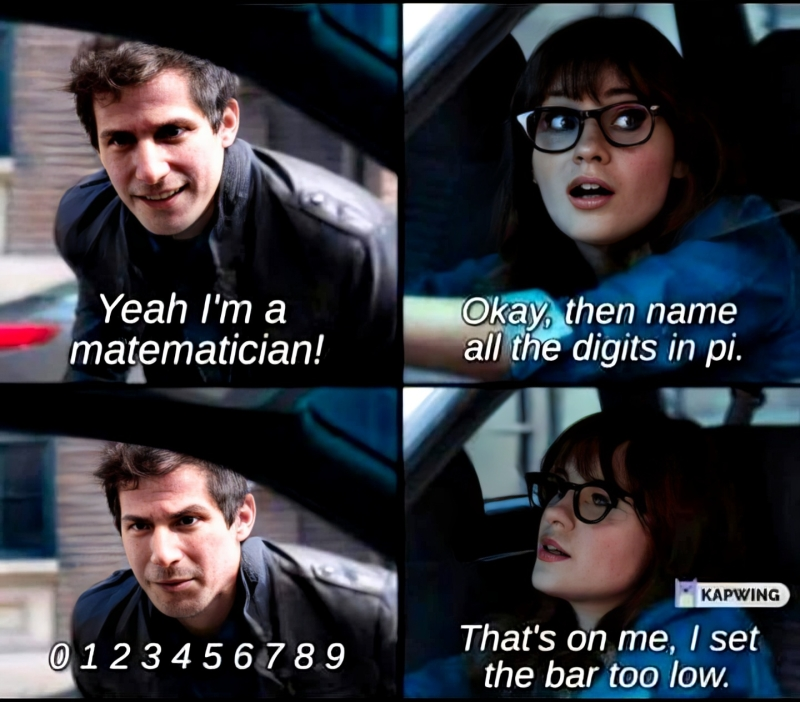
My brother sent me this and I can’t stop laughing
Jacob Sherman tweet media
English
0
0
11
330
Joseph Terry, PhD
Joseph Terry, PhD@bktheologian·
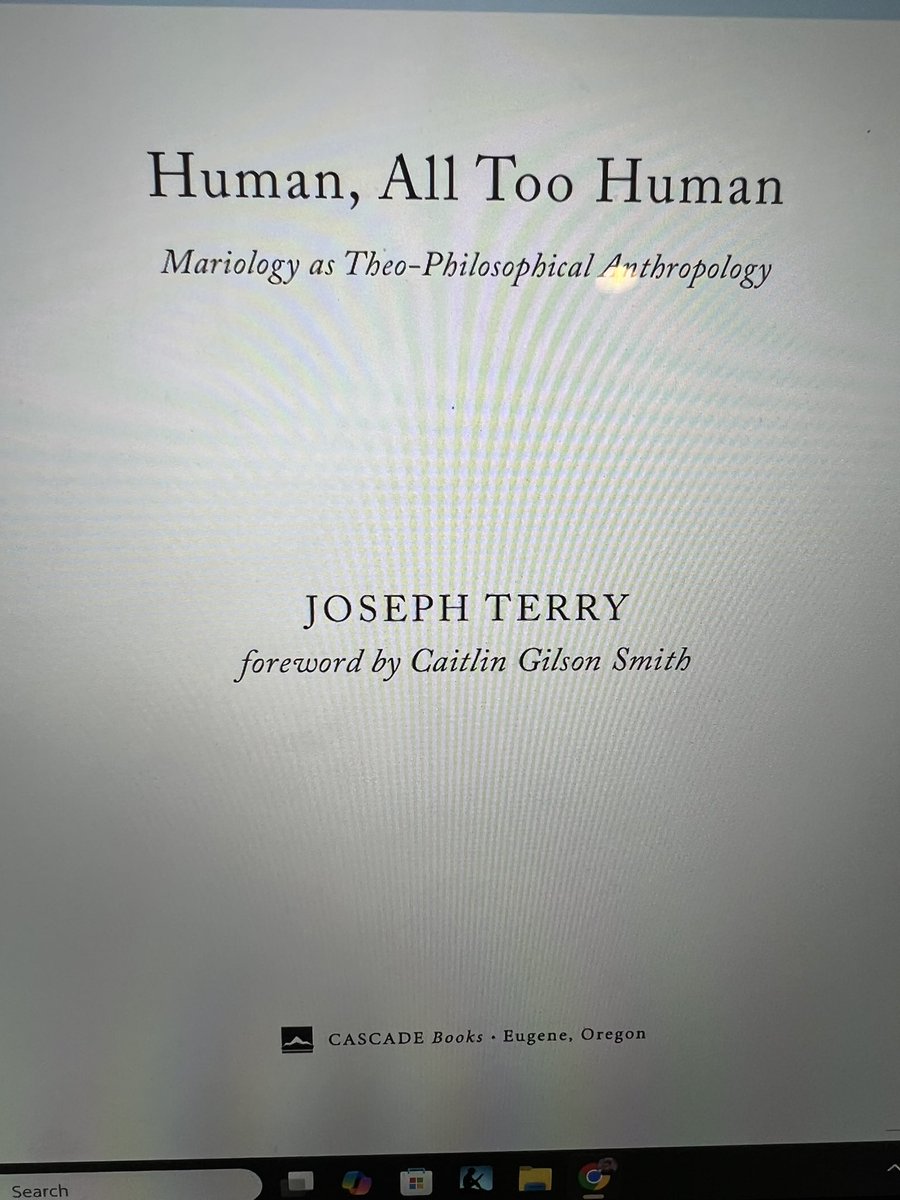
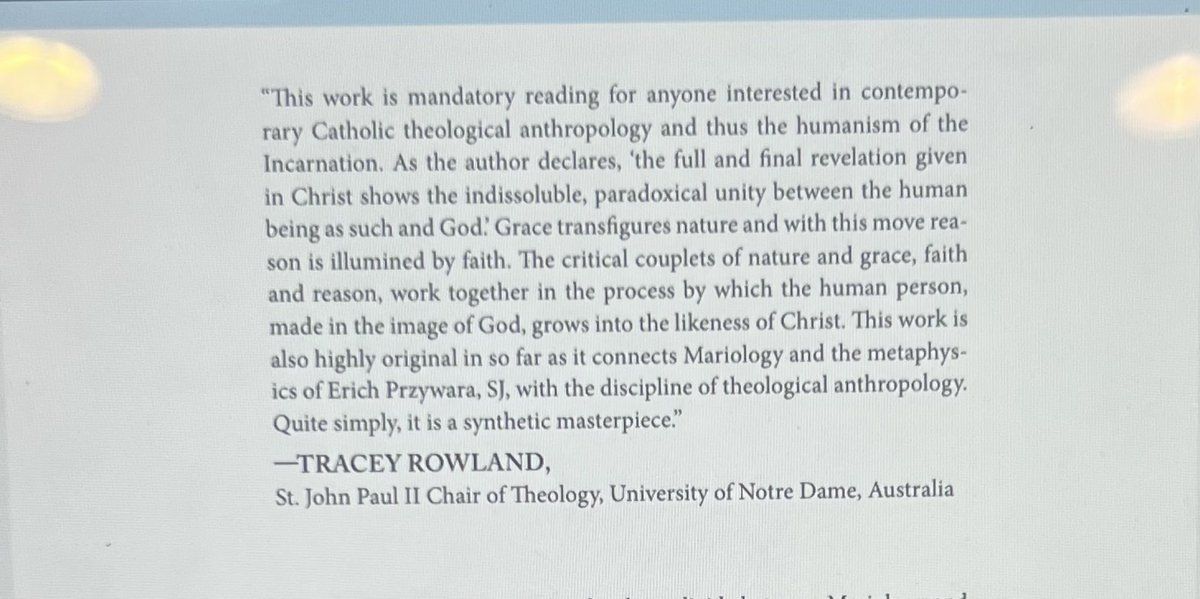
Just received the proofs. Here is one of the blurbs as well. Exciting!
Joseph Terry, PhD tweet mediaJoseph Terry, PhD tweet media
English
11
3
68
4.6K
Jacob Sherman retweetledi
Joseph Terry, PhD
Joseph Terry, PhD@bktheologian·
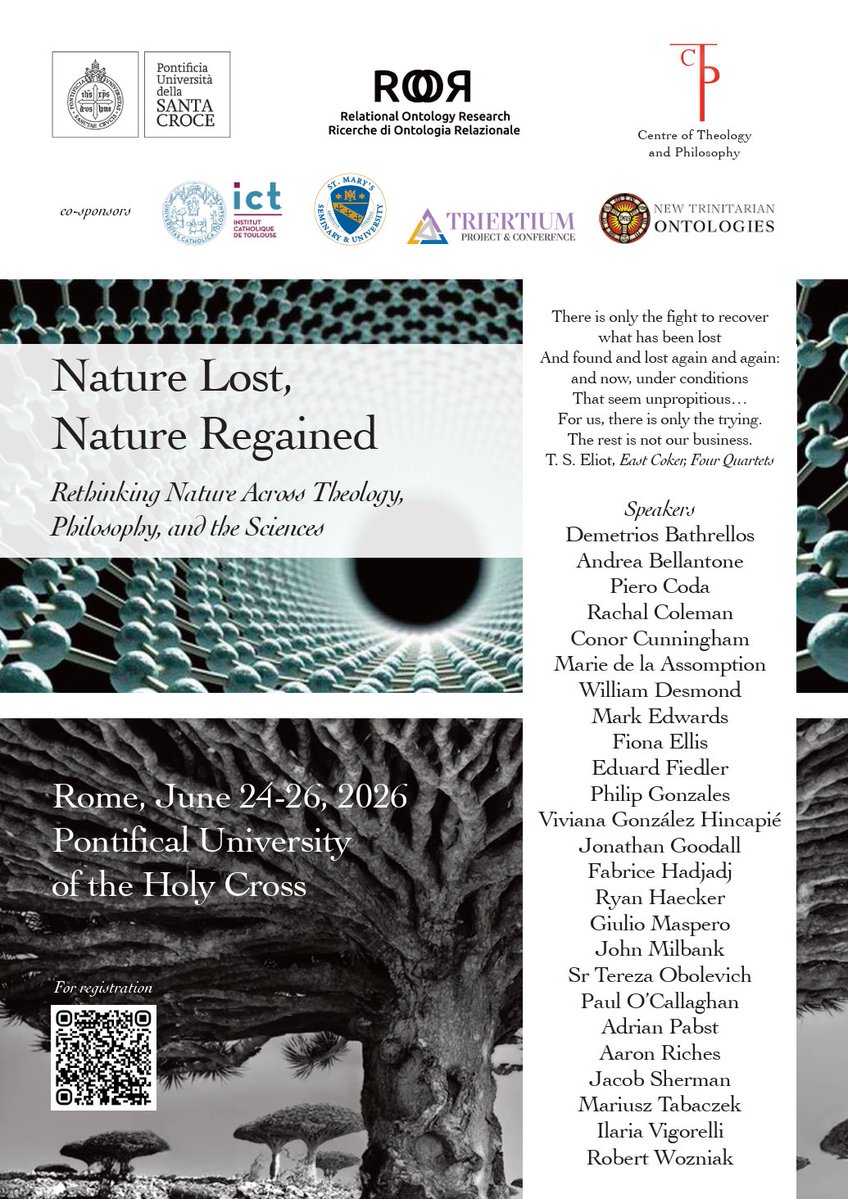
This promises to be a remarkable gathering of some of the most penetrating minds working today at the intersection of metaphysics, theology, and the sciences. If you care about the recovery of a richer vision of nature - beyond reductionism, beyond technocratic abstraction - this is a conversation you will want to be part of. Scholars, students, and thinkers across disciplines: register now before the deadline passes. The question of nature has never been more urgent. Plus, we will be chilling in Rome. 😎
Joseph Terry, PhD tweet media
English
3
10
34
1.4K
Jacob Sherman
Jacob Sherman@Shermanicus·
Adoration is to man’s spiritual vision what light is to his physical eye. — Romano Guardini, The Art of Praying
Jacob Sherman tweet media
English
0
4
24
837
Jacob Sherman
Jacob Sherman@Shermanicus·
@johnmilbank3 Yes, exactly. One of the central tasks of the coming decades will be forming young people capable of maturing and living alongside our new technologies without losing their souls. Maybe that’s always been the human vocation but it’s especially acute now.
English
0
0
1
67
john milbank
john milbank@johnmilbank3·
Basically, we need to turn back to monastery-like Cathedral Schools linking formation in western tradition (with new awareness of other civilisational trads) to formation of character in a Ciceronian legacy. What else will work? unherd.com/2026/03/how-ai…
English
5
8
55
2.4K