Over the past two days in Münster, the ESHRE Campus ‘Germ cells and gonads ex vivo’ brought together experts to discuss germline development, in vitro modeling, and clinical translation. The event was a great success, pushing the field's boundaries further!
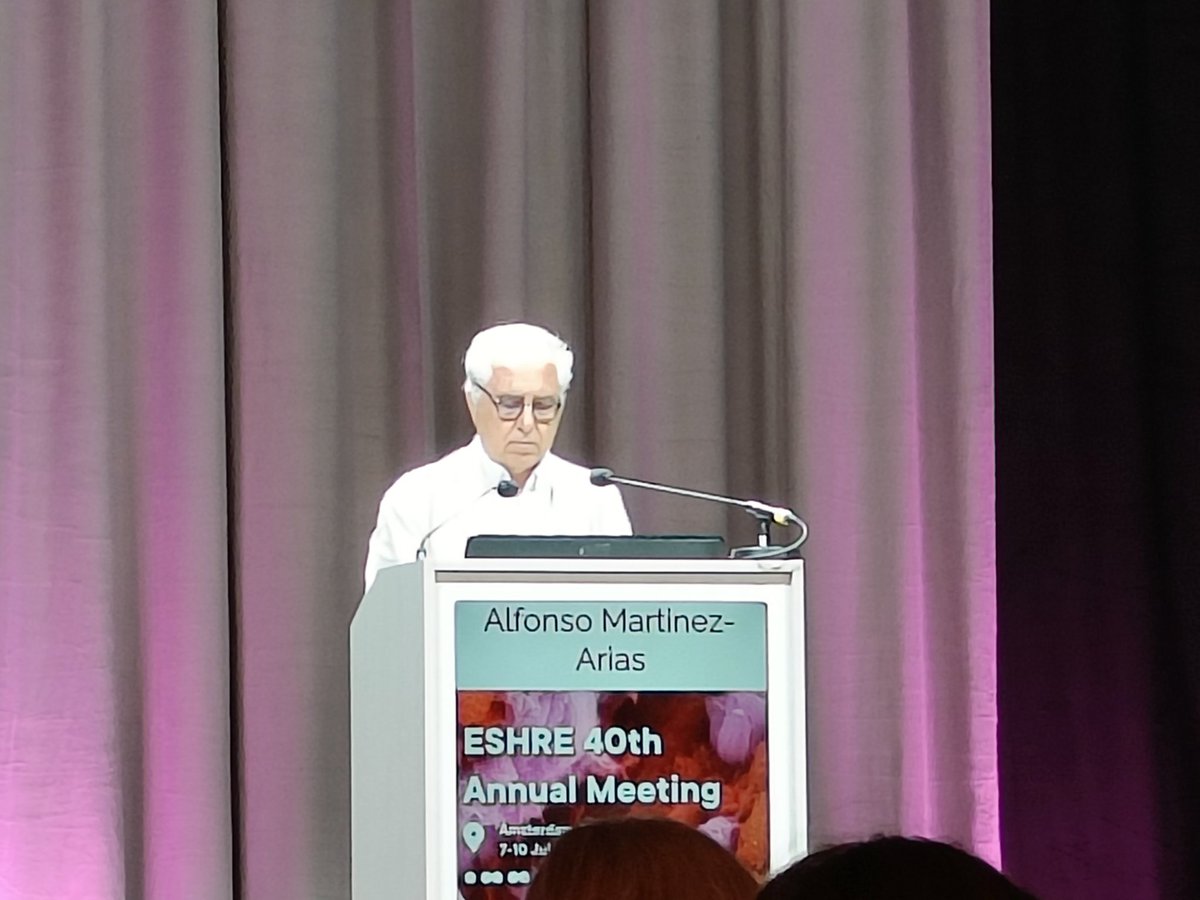
In session 53 part 2 #ESHRE2024, @AMartinezArias explained what gastruloids are and how they can model gastrulation and body plan engineering in development and disease.
Join us for session 53; MHR symposium: Basic principles of human development revealed by natural embryos and stem cell-generated embryo models at 14-15 at Hall 8B, 1st floor
In Session 49 part 2 #ESHRE2024, Prof. Emre Seli talked about the importance of stem cells in the oocyte research field, their therapeutics potential for ovarian activation and the in vitro generation of gametes.
In Session 49 part 1 #ESHRE2024, Prof. Thomas Freour summarized the modelling of early human development and implantation using stem cell models. Embryoids should not be considered as embryos but as a research tool. We should reflect on the many ethical questions.
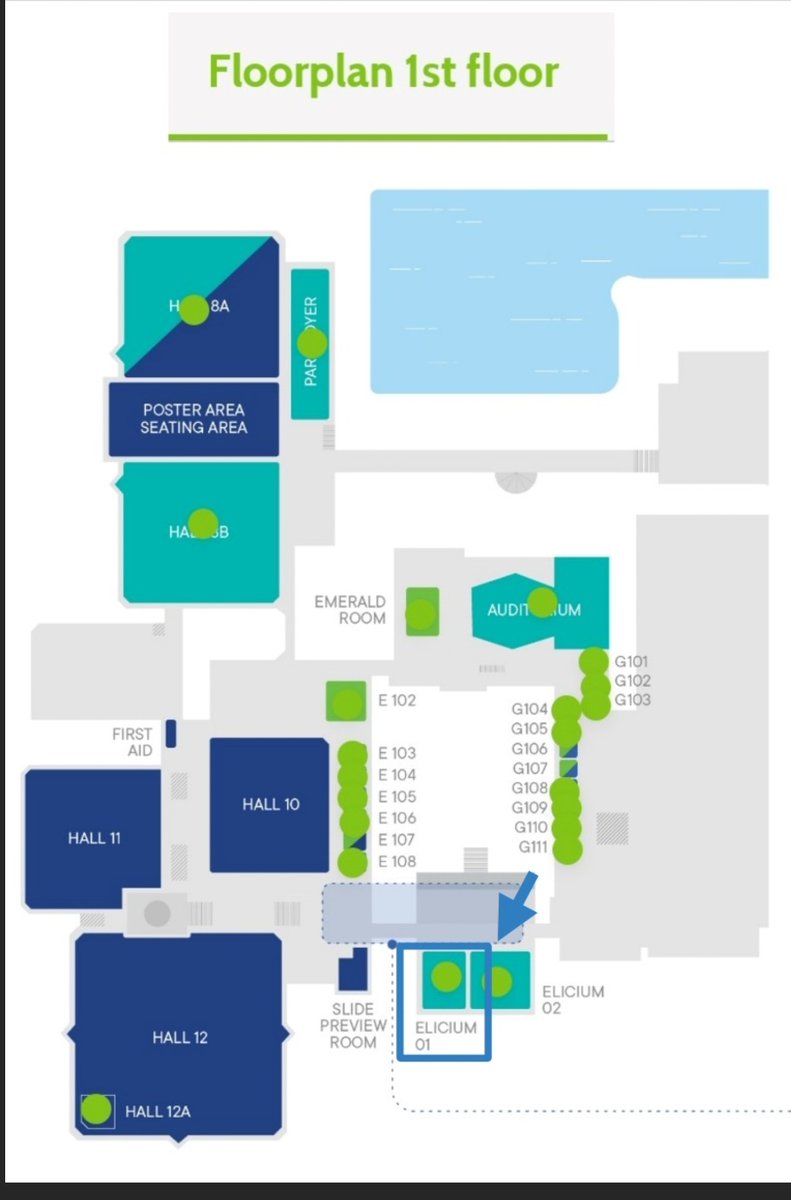
Join us for the invited Session 49: Stem cells in reproductive medicine: from basic science to clinical applications at 11:45-12:45 at Elicium 2, 1st floor
In session 26 part 5 #ESHRE2024,
Dr. Gabby Steba compared the transcriptome of endometrial organoids of fertile and subfertile women exposed to seminal plasma (SP) of fertile men. Based on this data, she concluded that SP might impact the endometrium during implantation.
In session 26 part 4 #ESHRE2024, Aslı Ak described their implantation-on-chip model which is a microfluidics chip consisting of an endometrial monolayer and blastoids. This chip can be used to investigate implantation receptivity and failure.
In session 26 part 3 #ESHRE2024, Dr. Nicolas Gatimel showed that their human fallopian tube (HFT) organoids can provide a favorable environment for progressive sperm motility. Furthermore, this model can be helpful for understanding HFT.
In session 26 part 2 #ESHRE2024, Dr. Nadia Kubikova assessed the genome editing outcomes in human preimplantation embryos subjected to CRISPR-Cas9 and postulated that most loss of heterozygosity events were caused by DNA repair deficiency
In session 26 part 1 #ESHRE2024, @E_Vrij talked about their novel stem cell-based twin embryo model which reveals inner cell mass division and enhanced endometrial adhesion during in vitro monochronioc twin development.
Join us for the selected oral communications in Session 26: advances and challenges in modelling human reproduction at 15:15-16:30 at Forum, ground floor
After the precongres courses of yesterday, today starts the main program of the 40th Annual Meeting #ESHRE2024
The coming 3 days will be filled with many talks, discussions and networking events
For live updates related to stem cells during #ESHRE2024 follow @SigStemCells
We just finished our precongress course at #ESHRE2024!!!
We want to thank all speakers, chairs and attendees for the interesting sessions and discussions.
We also want to thank @SIGFertPreser for this joined precongres course
In part 2 of Session 4 at PCC4 #ESHRE2024, @aveiga2 gave a thorough overview of the road to in vitro gametogenesis (IVG). In summary, there is a successful completion of male and female meiosis in vitro. However, in human, IVG is still in the experimental phase.
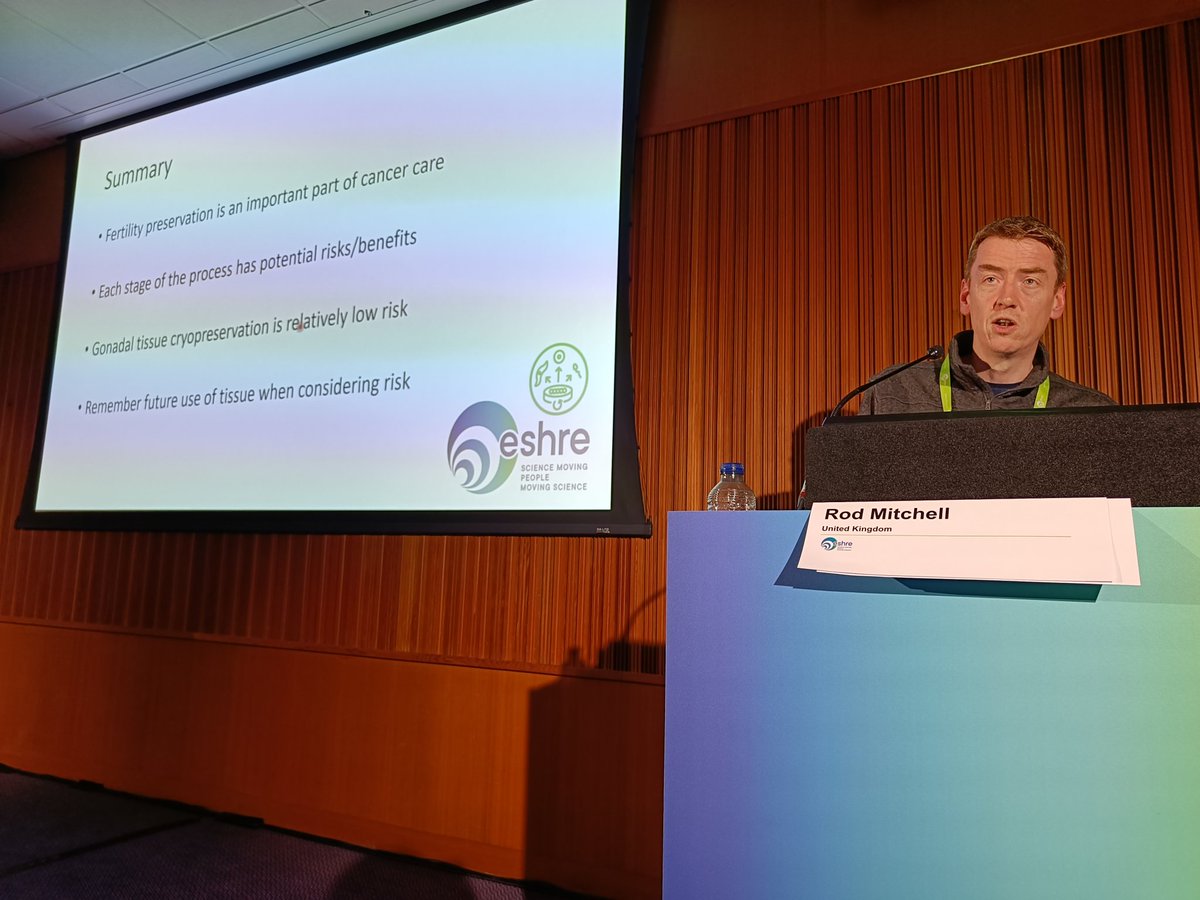
In part 1 of Session 4 #ESHRE2024, @RodTMitchell outlined the risks of preservation. Fertility risks should be considered for all patients. Counseling and fully informed consents are important. Risks of harvesting depends on underlying diagnosis. Storage has many risks.