Simone Reber

2.3K posts

Simone Reber banner
Simone Reber

Simone Reber

@SimoneReber

Scientist. Interested in complexity, organisational principles, quantitative biology, frogs & coffee. Tweets here are my own. @simonereber.bsky.social

Katılım Temmuz 2013
349 Takip Edilen988 Takipçiler
Iva Tolić
Iva Tolić@Toliclab·
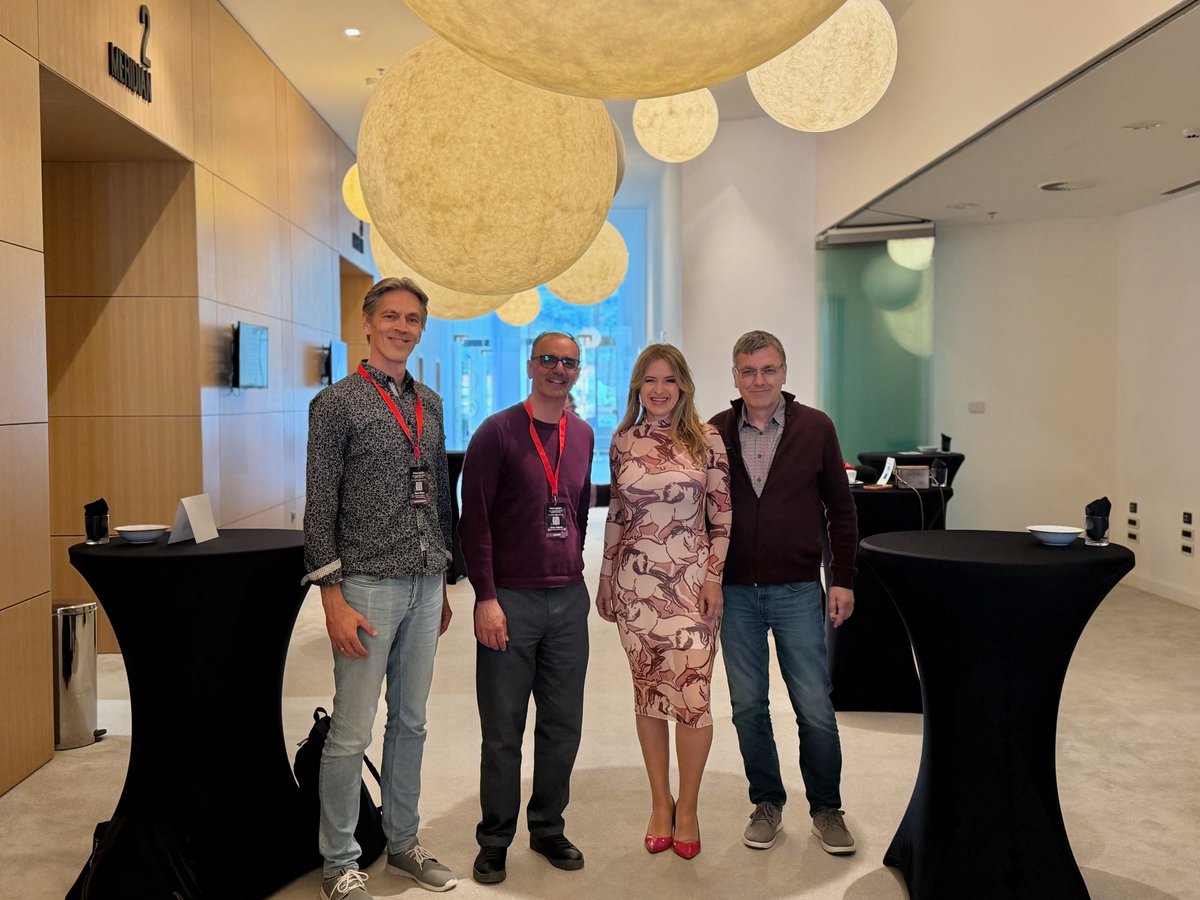
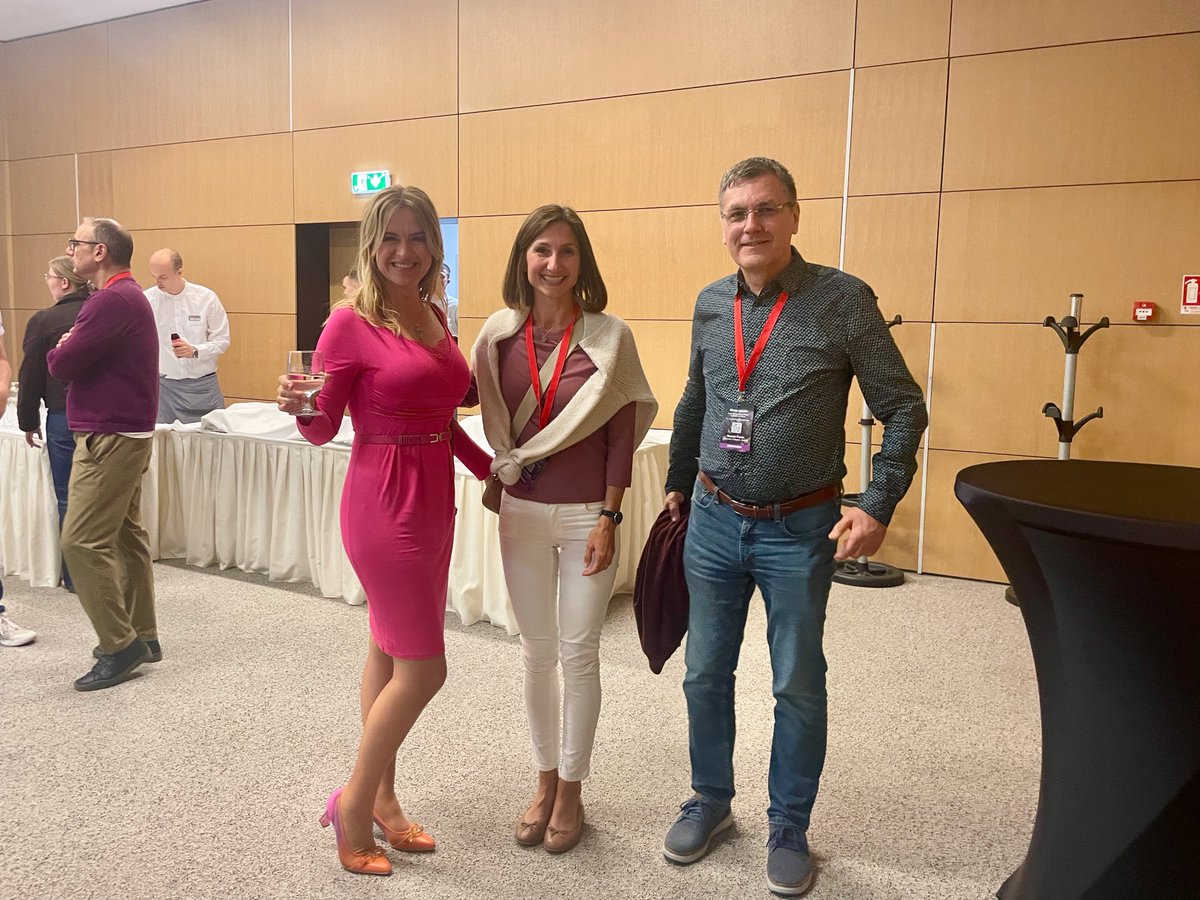
What an inspiring few days in Dubrovnik at #SpindleCroatia2026, which @nenad_pavin and I organized for the 4th time. Outstanding science and many warm reunions with colleagues from around the world! Huge thanks to the whole spindle community!!
Iva Tolić tweet mediaIva Tolić tweet mediaIva Tolić tweet media
English
1
3
25
1K
Alushin_Lab
Alushin_Lab@Alushin_Lab·
Very pleased that after a rigorous (and lengthy) review process, our paper visualizing how myosin generated forces modulate actin filament structure for mechanosensitive recogntion by α-catenin has appeared in @Nature nature.com/articles/s4158…
English
4
24
91
7.1K
Zoltan Pardi
Zoltan Pardi@PardiZoltan·
Hey Europe, Thank you for putting relentlessly up with us! For never ever giving up on us! We are truly grateful as ever! Hungary forever 🇭🇺 🇪🇺 ❤️
English
582
1.5K
11.5K
80.3K
Simone Reber retweetledi
Prof. Carl Sagan
Prof. Carl Sagan@ProfCarlSagan·
Do not use your energy to worry. Use your energy to believe, to create, to learn, to think and to grow. - Richard Feynman
Prof. Carl Sagan tweet media
English
40
509
2.4K
44.1K
Simone Reber retweetledi
Ricarda Lang
Ricarda Lang@Ricarda_Lang·
Ich glaube ich fahre zum nächsten Oktoberfest, einfach nur um neben Markus Söder zu stehen, wenn er einem Grünen zuschaut, wie er das Fest eröffnet.
Deutsch
1.2K
1.6K
17.4K
433.1K
Simone Reber retweetledi
Prof. Nikolai Slavov
Prof. Nikolai Slavov@slavov_n·
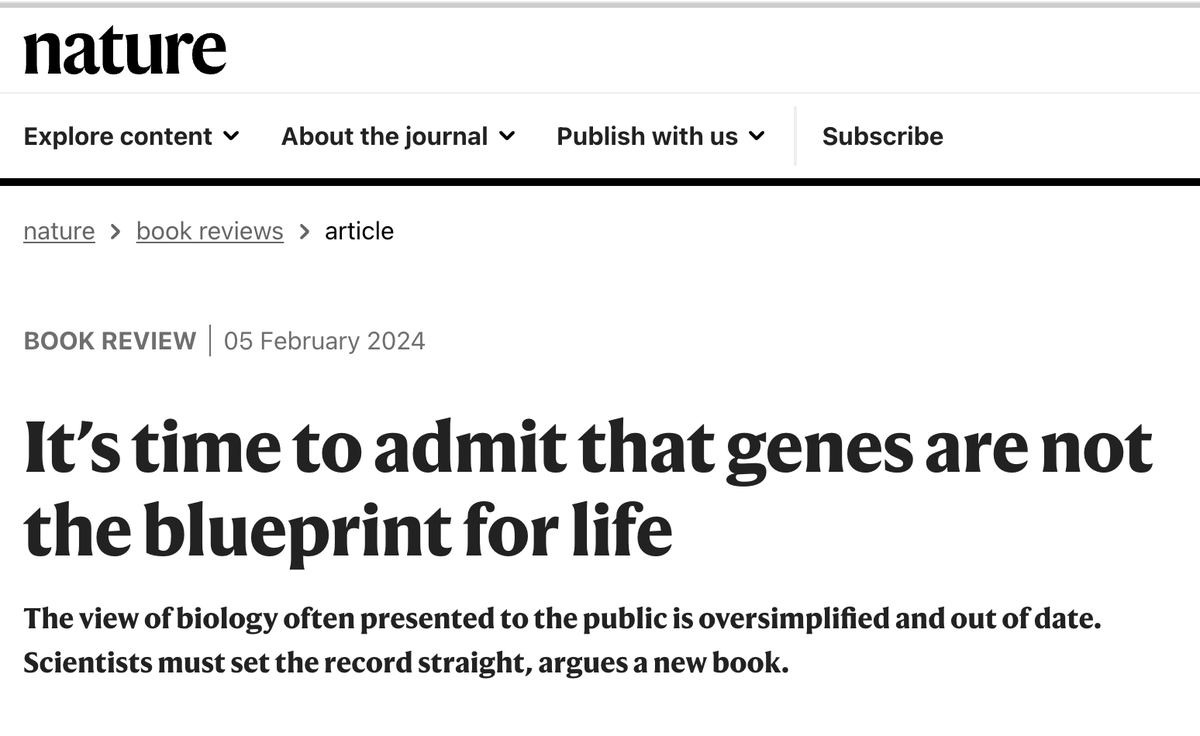
A periodic reminder to leave behind simplistic & naive notions.
Prof. Nikolai Slavov tweet media
English
20
81
577
49.9K
Simone Reber retweetledi
The Nobel Prize
The Nobel Prize@NobelPrize·
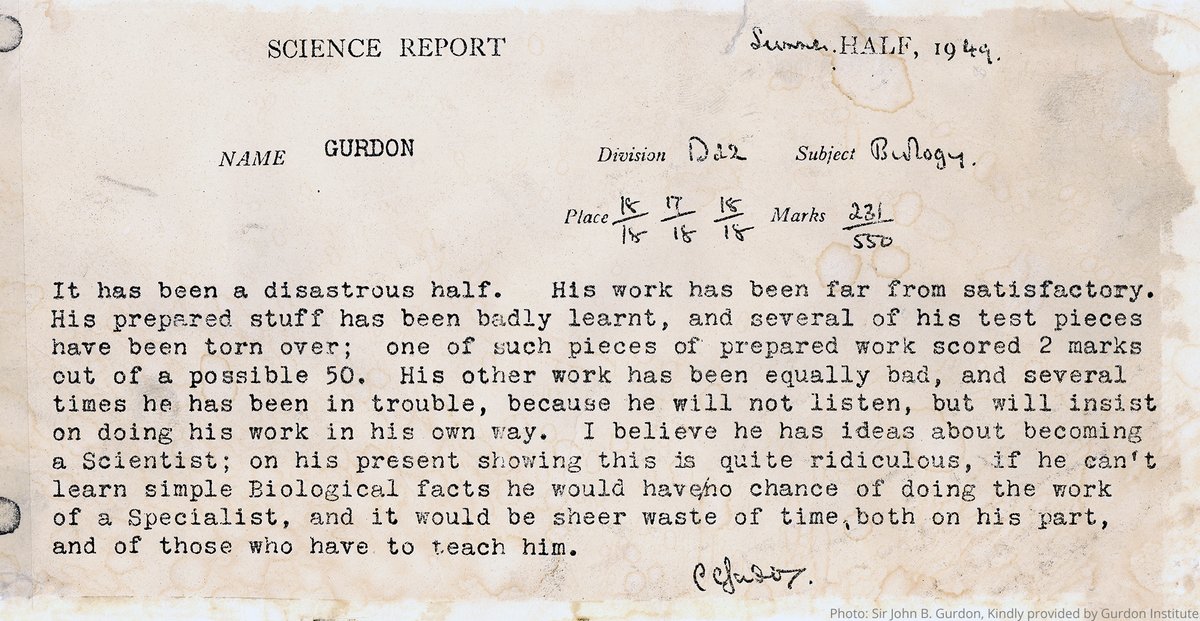
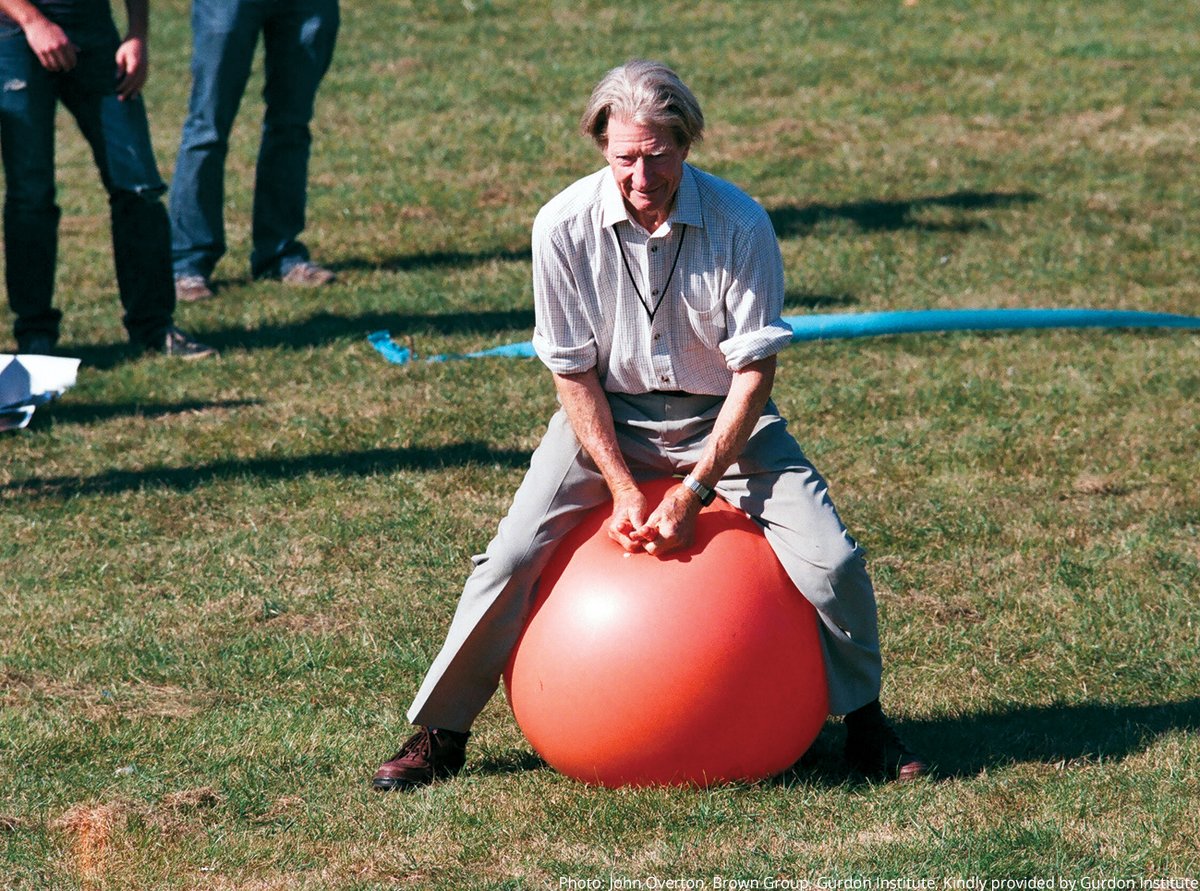
Despite his teacher’s opinion that he couldn’t learn simple biology, John Gurdon went on to receive a #NobelPrize, for his classic frog experiment, which showed that the DNA of mature frog cells has all the information needed to develop all cells in its body. #WorldFrogDay
The Nobel Prize tweet mediaThe Nobel Prize tweet media
English
6
67
363
18.9K
Schuh Lab
Schuh Lab@SchuhLab·
Honored to receive the Carus Medal from the German National Academy of Sciences @Leopoldina. Very grateful to my lab and all collaborators - this recognition belongs to all of us. ✨ leopoldina.org/en/newsroom/de…
English
2
5
35
1.6K
Simone Reber
Simone Reber@SimoneReber·
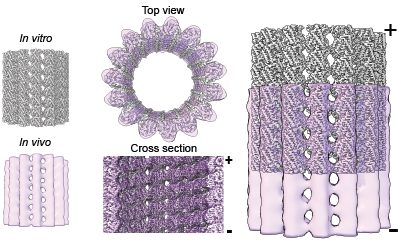
In vitro reconstitution is powerful: we rebuild Plasmodium microtubule architectures from purified components & recapitulate what cells actually do🤩 Thanks to the team that made this possible🙌 in particular Carolyn Moores @BirkbeckScience Out today: rdcu.be/e7eM2
Simone Reber tweet media
English
1
9
28
1.1K
Simone Reber retweetledi
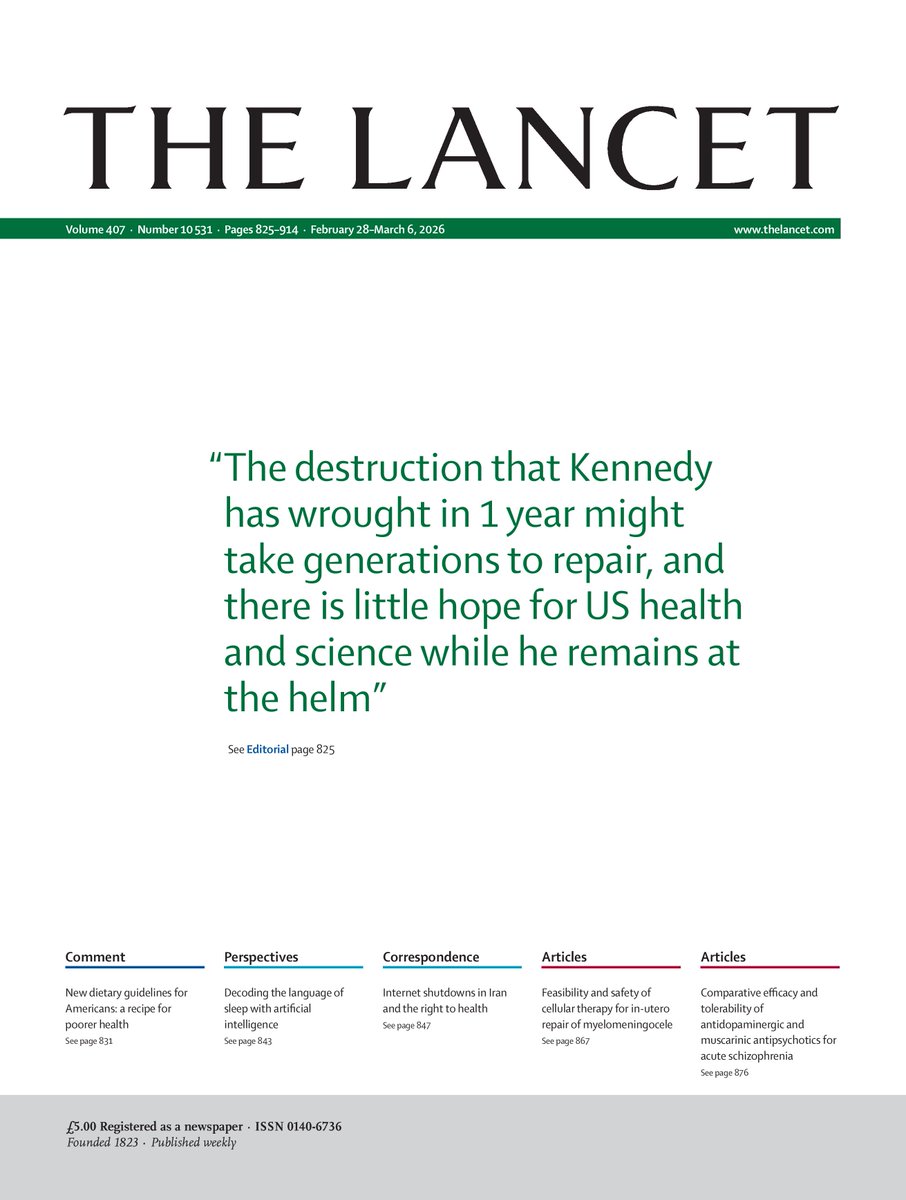
The Lancet
The Lancet@TheLancet·
On the cover of The Lancet: Editorial — “Robert F Kennedy Jr: 1 year of failure” Read the latest issue: spkl.io/6011Aa3Et
The Lancet tweet media
English
344
1.2K
2.8K
358.8K
Simone Reber retweetledi
Niko McCarty.
Niko McCarty.@NikoMcCarty·
One of the most important discoveries in molecular biology, I'd say, happened in 1974 when scientists took a gene from a frog (Xenopus laevis) and transferred it into a bacterium (E. coli). The bacterial cells read, processed, and expressed the gene. If a bacterium can read a frog gene, so the logic went, then the entire living world is, in principle, "programmable." Genes can be swapped between kingdoms of life, thus enabling: - The production of human insulin in bacteria. - Manufacturing of vaccines in yeast and chicken eggs - Engineered crops carrying biopesticide genes from algae etc. Check out A Brief History of Xenopus to learn about other key experiments in which frogs played a role. 🔻
Asimov Press@AsimovPress

In the 1930s, South African scientists discovered that injecting African Clawed Frogs (called Xenopus laevis) with urine from a pregnant woman would cause them to quickly lay hundreds of eggs. These frogs thus served as the first mass-scale pregnancy test. Xenopus frogs later became the first animals cloned from an adult cell (three decades before Dolly the Sheep). This is A Brief History of Xenopus, an essay adapted from our forthcoming book about the origins and future of the research laboratory.

English
6
166
1.2K
73.3K
Simone Reber retweetledi
Iva Tolić
Iva Tolić@Toliclab·
Mitosis lovers, get ready for Dubrovnik! 🔬🎉 I’m super excited to be organizing the 4th Mitotic Spindle Conference with @nenad_pavin, and we can’t wait to see you there! Want your abstract to be selected for a talk? Submit by Feb 8! phy.pmf.unizg.hr/~mitosis/ #SpindleCroatia2026
Iva Tolić tweet media
English
1
16
33
2.6K
Simone Reber retweetledi
J Cell Science
J Cell Science@J_Cell_Sci·
We're hiring! JCS is looking for a Reviews Editor to join the team. This is a fantastic opportunity for someone who loves cell biology and wants to stay connected with the field (and be part of an organisation that believes in supporting the community). biologists.com/about-us/work-…
English
1
12
13
1.7K
Simone Reber retweetledi
Nico Rascovan
Nico Rascovan@NRascovan·
Institut Pasteur is recruiting young PIs! Deadline February 9th!
Nico Rascovan tweet media
English
1
57
165
13.2K