James K. Liu, MD

1.1K posts

James K. Liu, MD banner
James K. Liu, MD

James K. Liu, MD

@SkullBaseMD

Director, Neurovascular/Skull Base & Pituitary Surgery, @neurosurgerynj @CBMCNJ @RWJBarnabas, email: [email protected]

Neurosurgeons of New Jersey Katılım Mart 2011
720 Takip Edilen5.3K Takipçiler
James K. Liu, MD
James K. Liu, MD@SkullBaseMD·
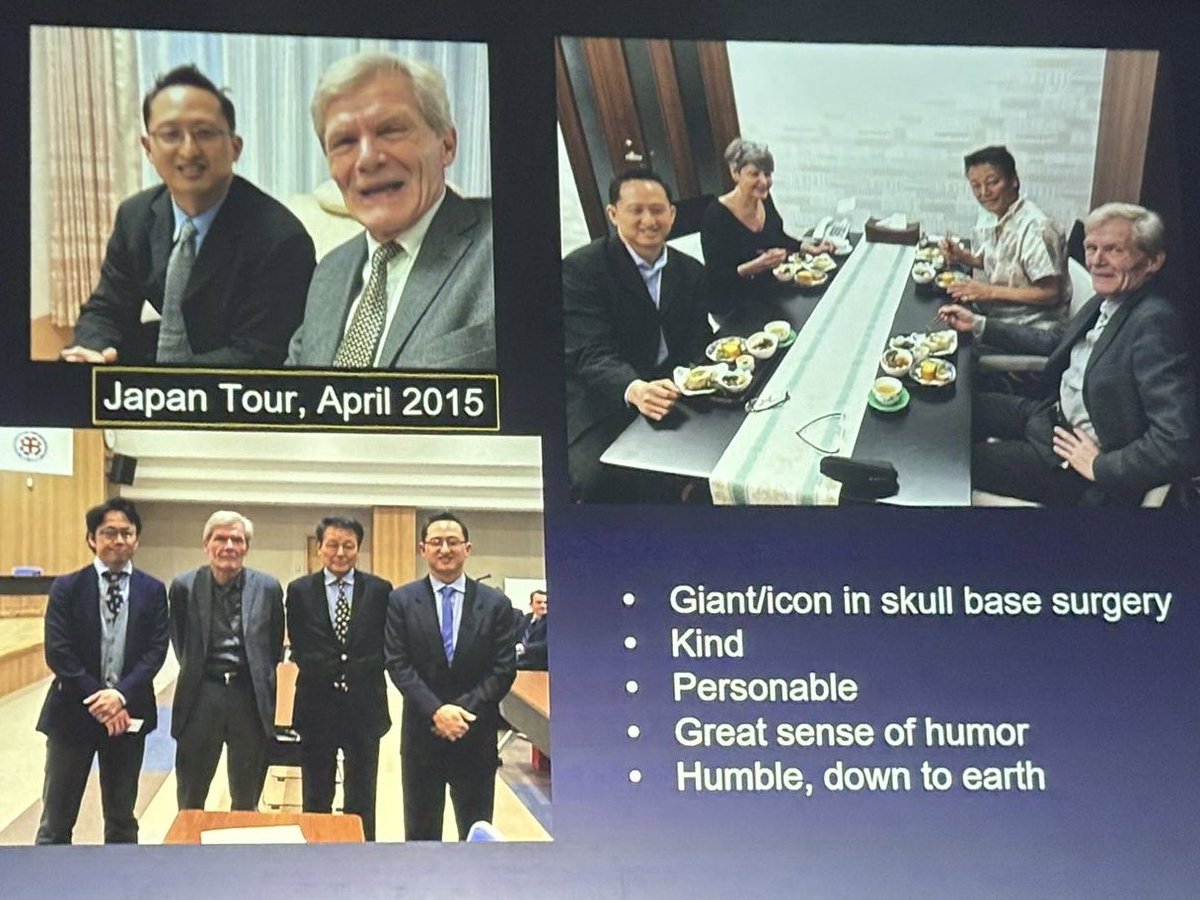
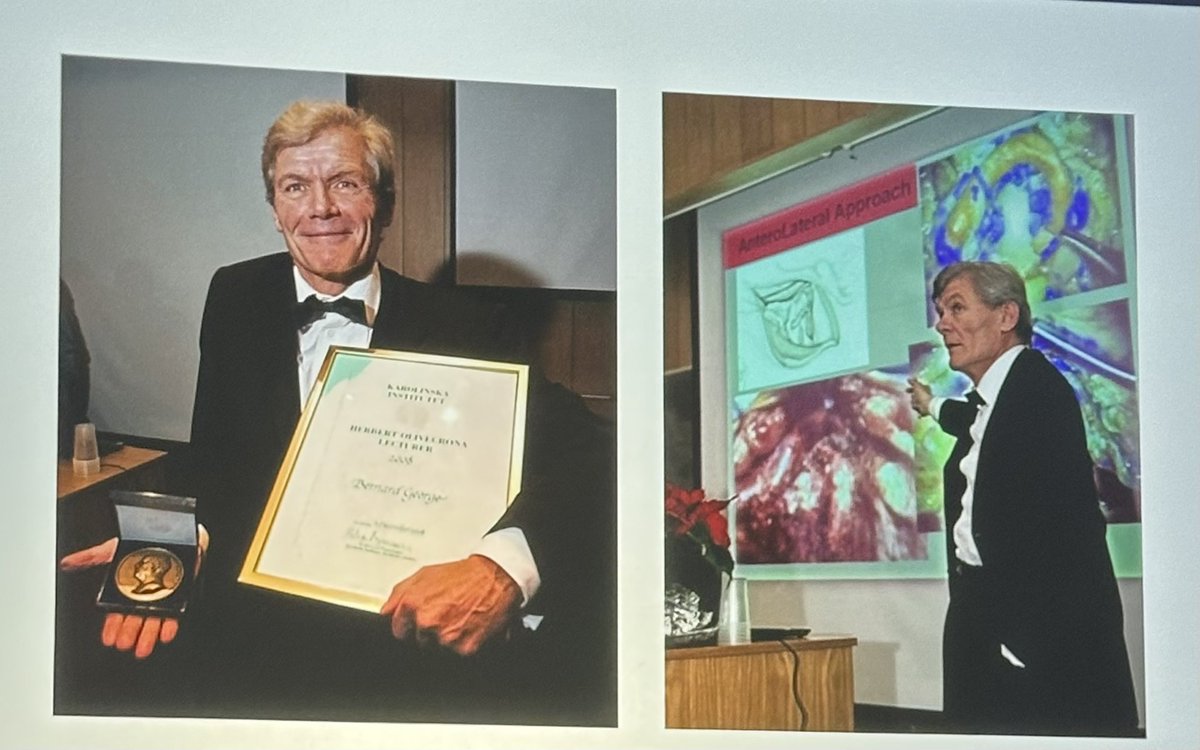
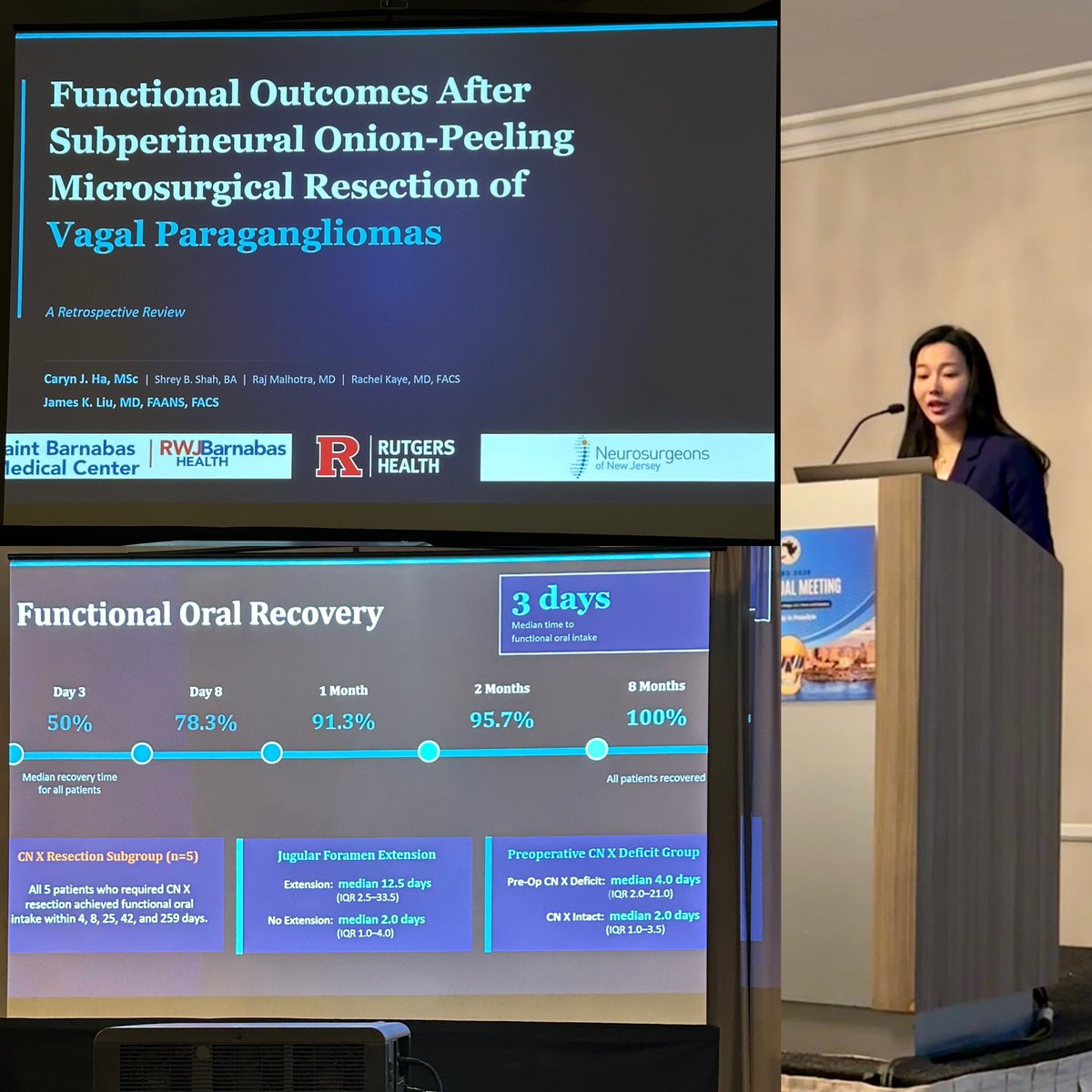
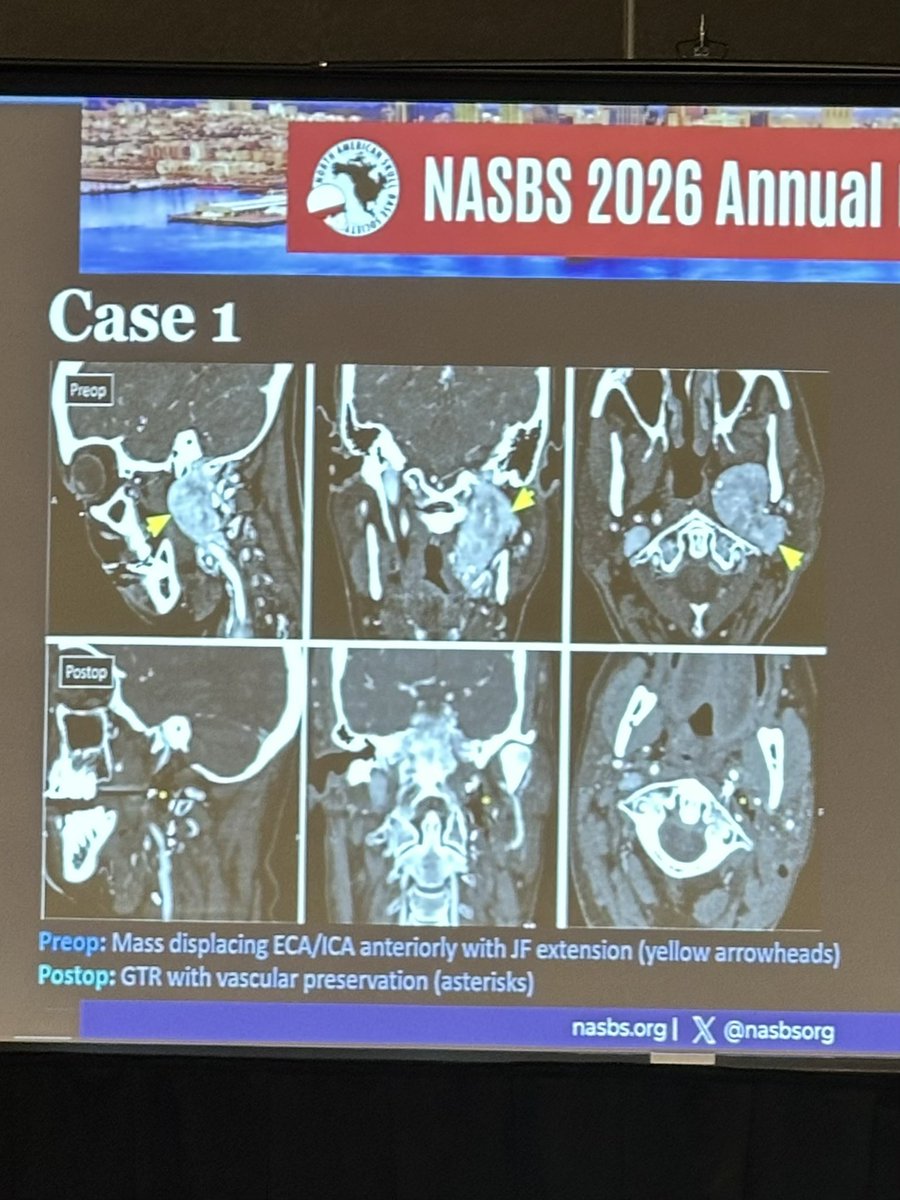
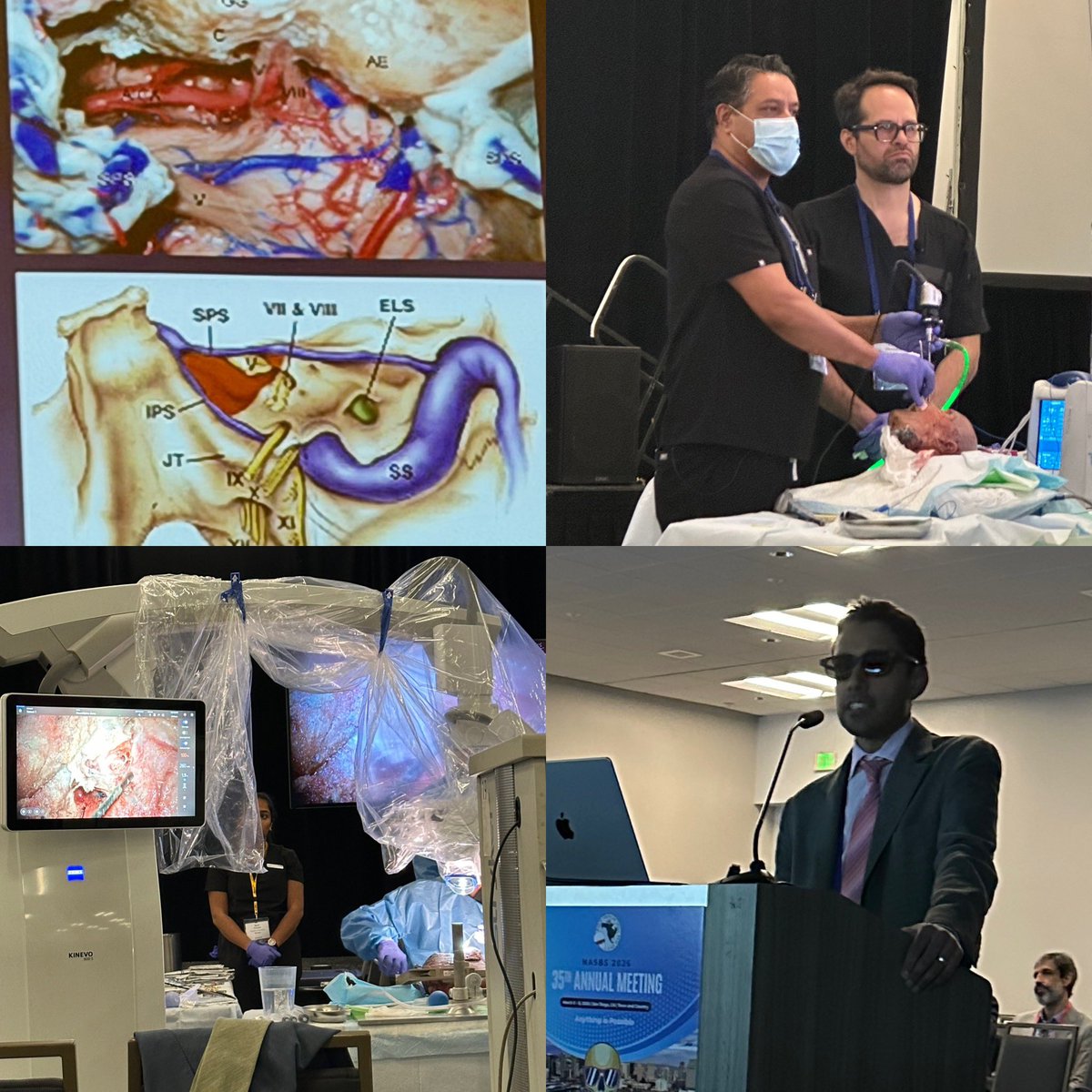
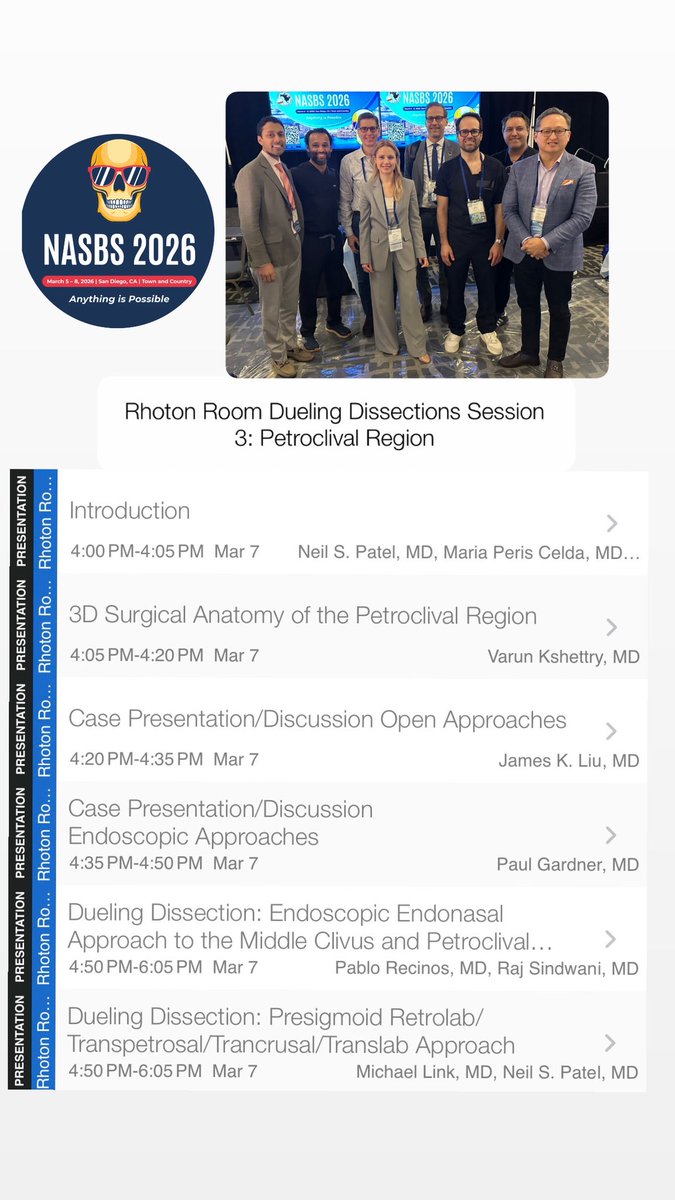
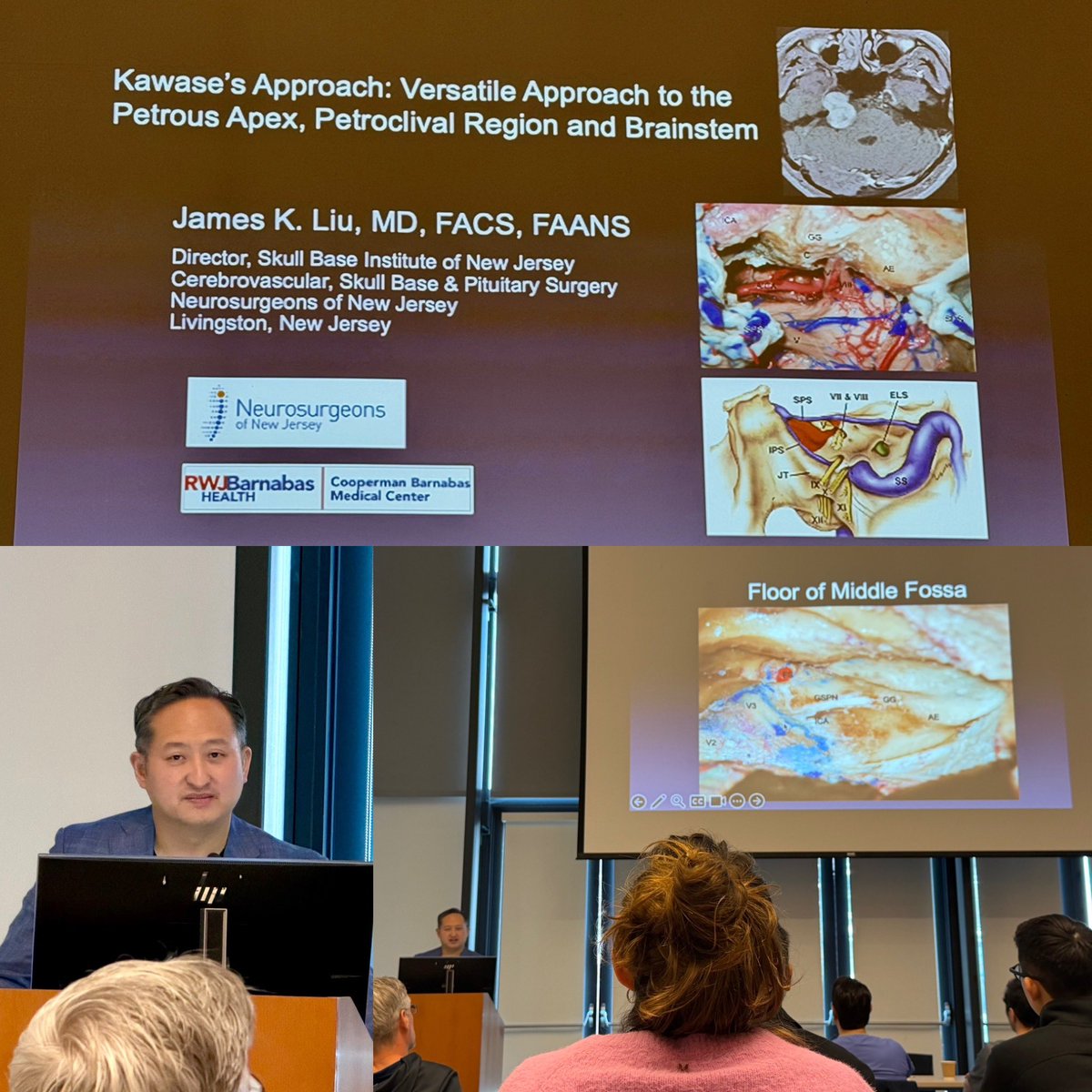
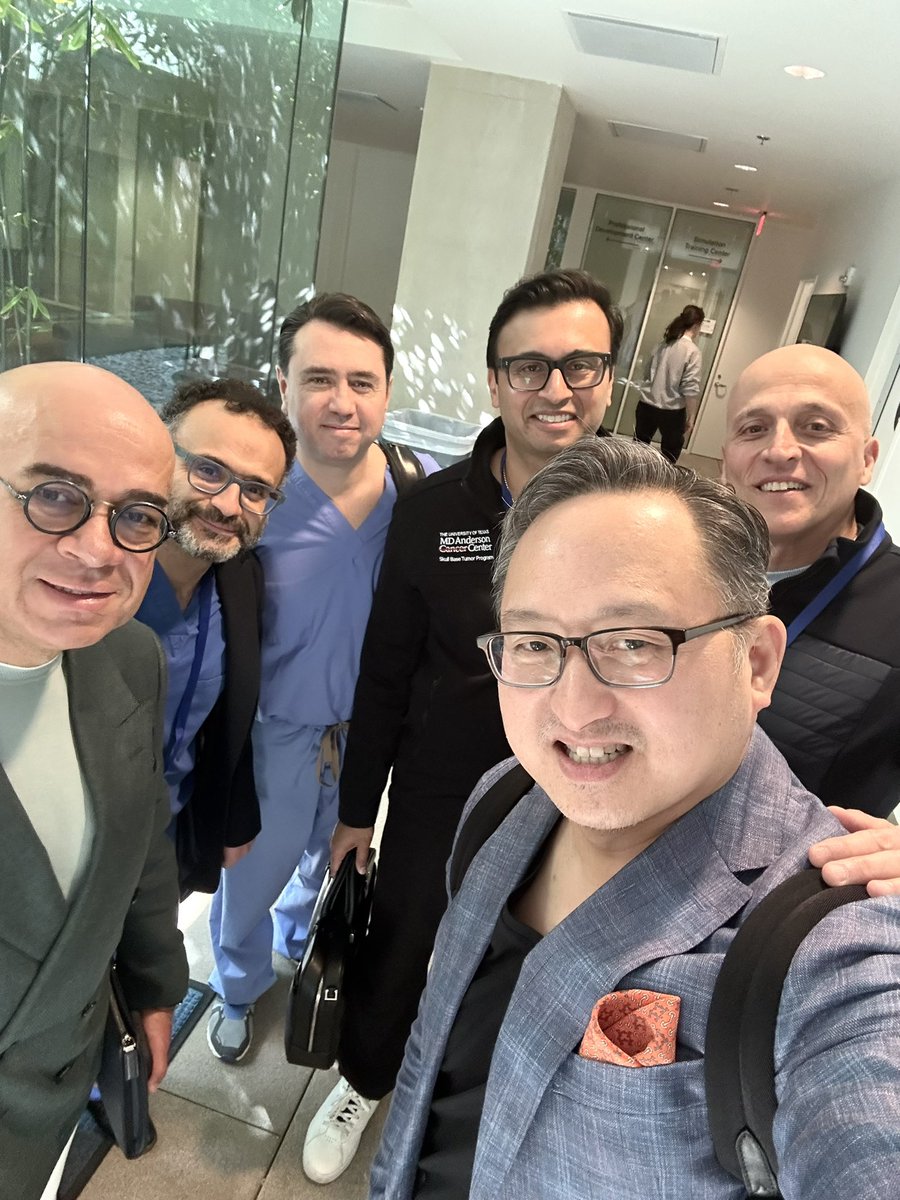
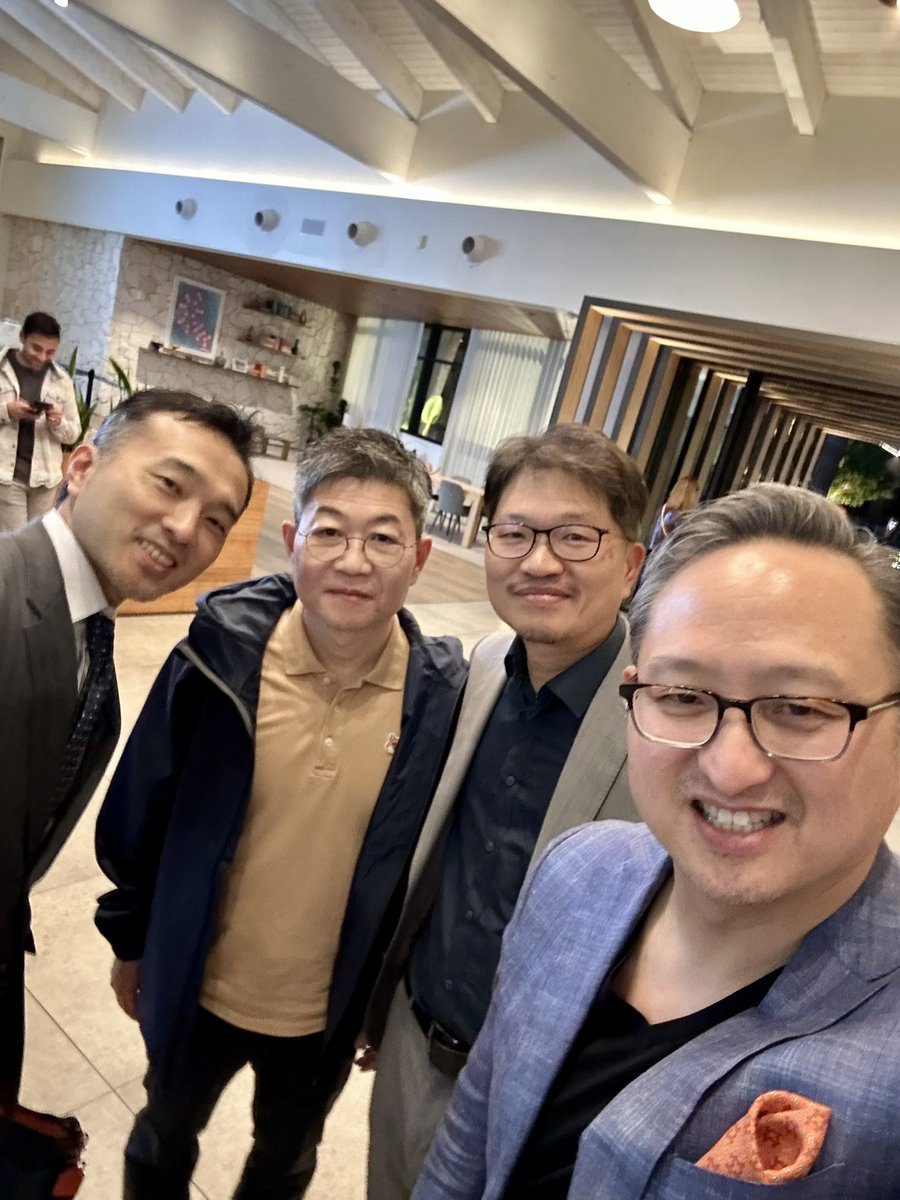
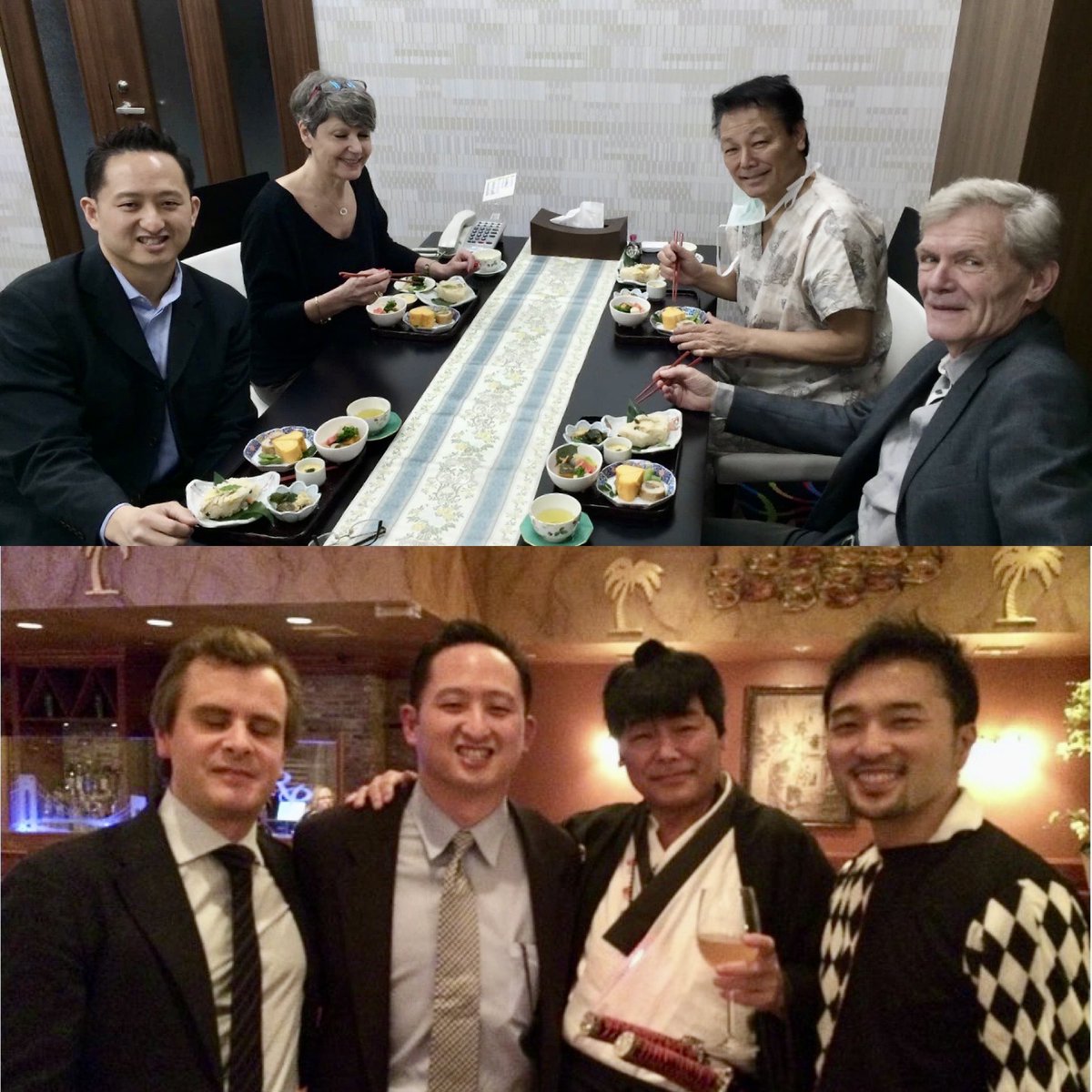
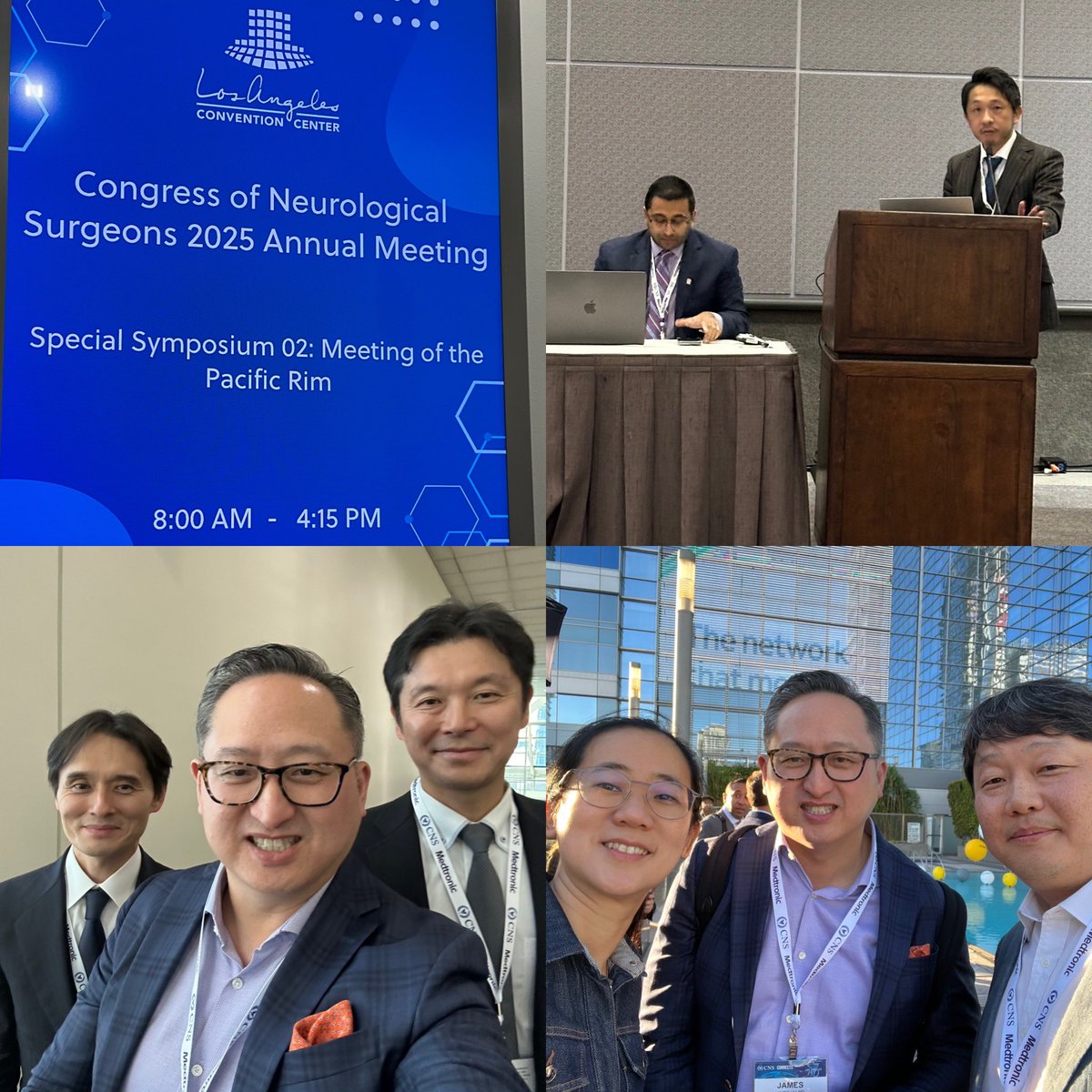
Bernard George Education Day #Nasbs2026 organized by @SC_Froelich. We honored the late Prof. B. George for his outstanding contributions to skull base surgery, technical mastery, commitment to education, and personal friendship. Spoke on modern microsurgical approaches to jugular foramen tumors, a topic that was heavily influenced by his teachings. Great to hear perspectives and personal anecdotes from his trainees, friends and colleagues whom he has greatly impacted. @jacquesmorcosmd @PrevedelloDanny @NASBSorg @NeuroSurgeryNJ @APHP
James K. Liu, MD tweet mediaJames K. Liu, MD tweet mediaJames K. Liu, MD tweet mediaJames K. Liu, MD tweet media
English
1
2
21
1.3K
Nickalus Khan
Nickalus Khan@KhanNickalus·
NASBS '26 San Diego in the Books. Thanks to everyone who contributed to making it great. The future is bright for skull base surgery @NASBSorg @ICOMeningioma
English
2
2
27
937
James K. Liu, MD
James K. Liu, MD@SkullBaseMD·
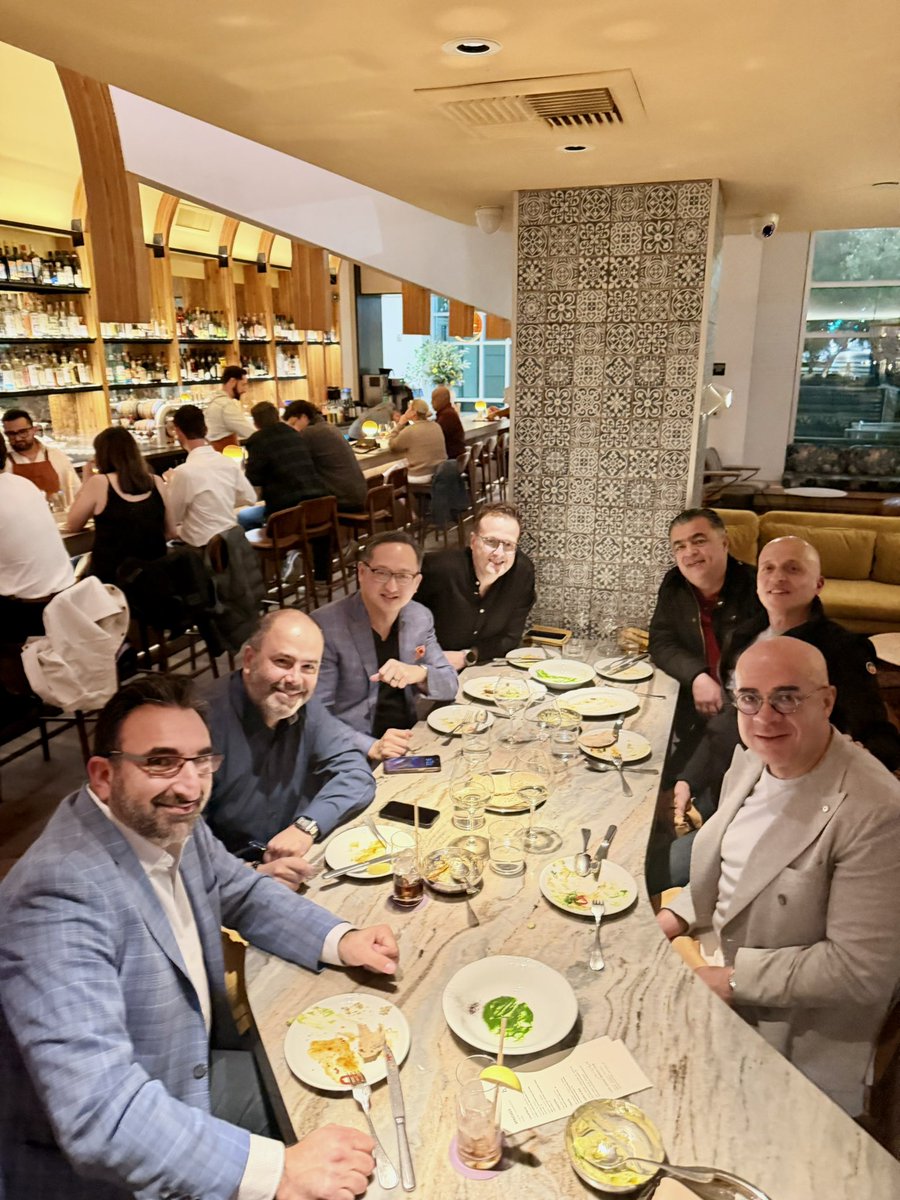
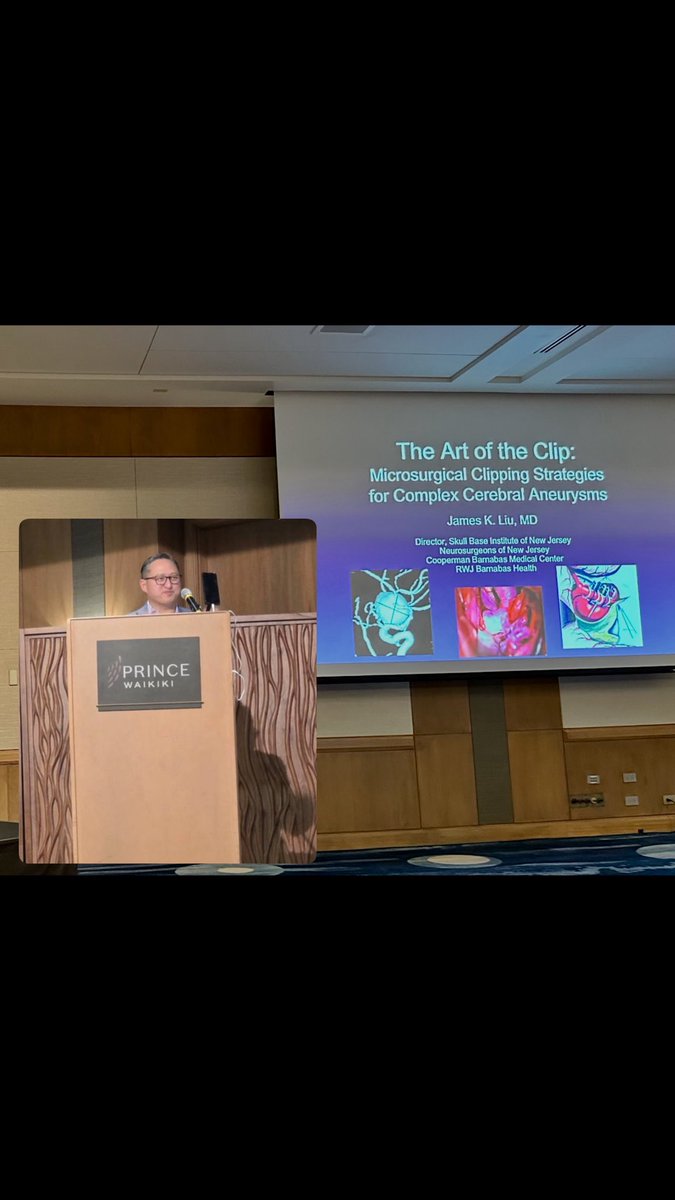
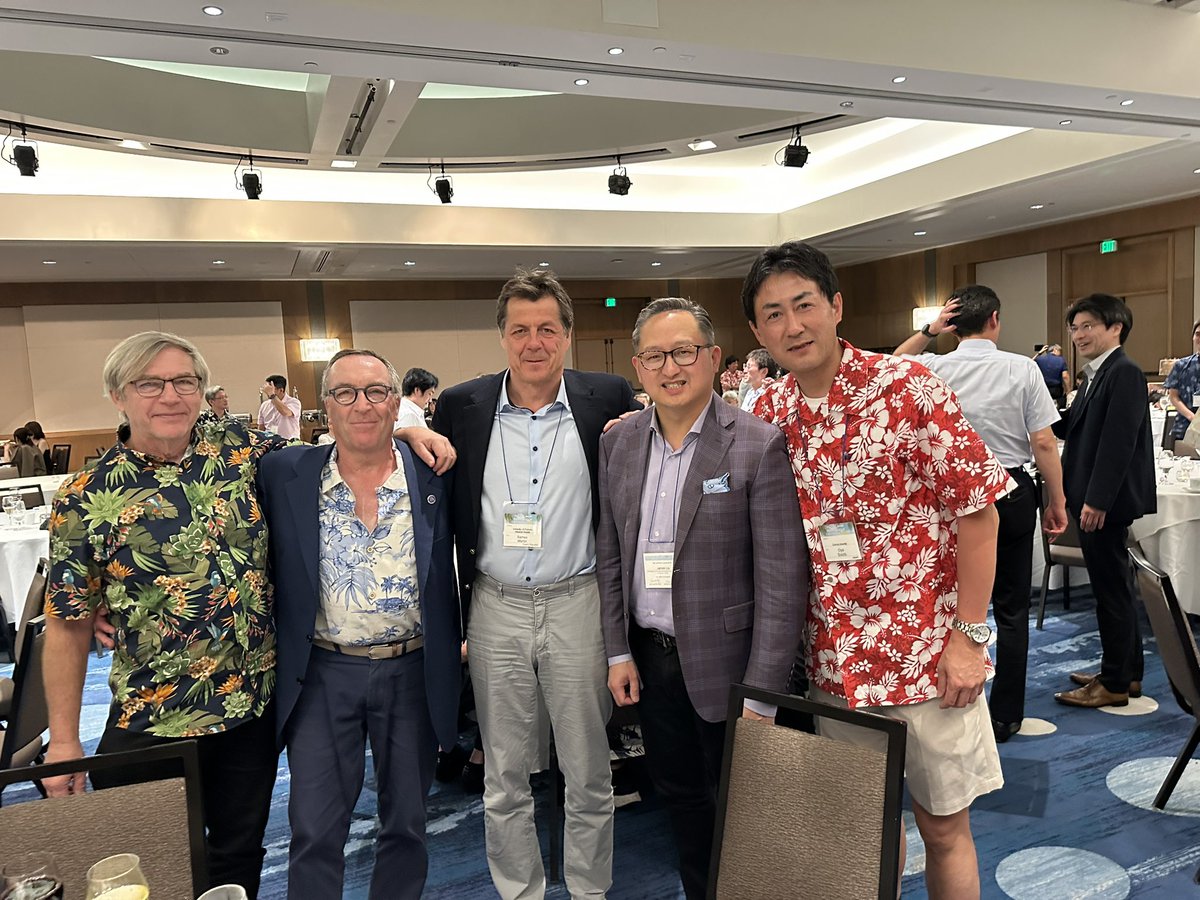
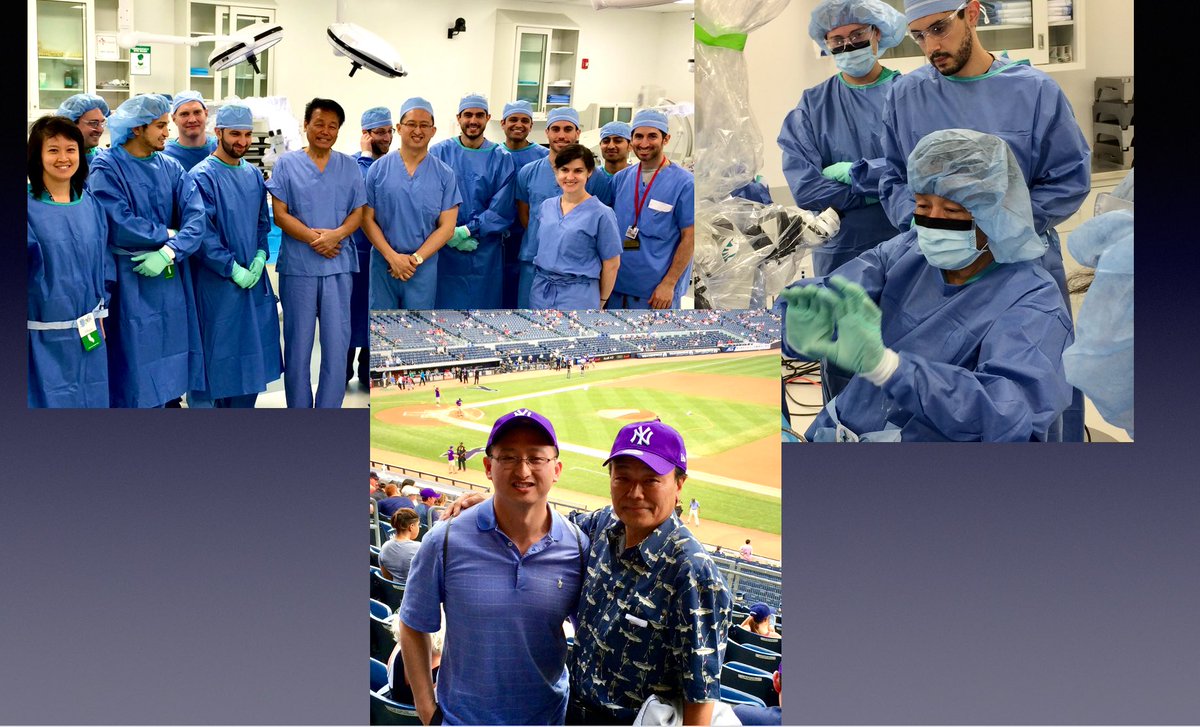
Aloha! Honored to give an invited lecture on "The Art of the Clip: Microsurgical Clipping Strategies for Complex Cerebral Aneurysms" at the 11th Joint Neurosurgical Convention (The 11th Pan-Pacific Neurosurgical Congress and the 11th International Mt. BANDAI Symposium for Neuroscience) in Honolulu, Hawaii. A sincere mahalo to Dr. Masahiro Shimizu from Kanto Neurosurgical Hospital and Dr. Soichi Oya from Gunma University for organizing this great event. This meeting has a rich legacy, greatly shaped by the late Prof. Takanori Fukushima, who was instrumental in developing this meeting, bringing together top neurosurgeons from the Pan-Pacific region and Europe, blending academic progress with personal connection. The gala dinner was a particularly moving tribute to the late Prof. Takanori Fukushima. Taka, your presence at the congress was missed, but your legacy lives on in every surgeon you inspired and every patient helped. Every time we step into the OR, not a single complex brain operation goes by without channeling our inner Fukushima. #Neurosurgery #SurgeonLife #JNC2026 #BrainSurgery #FukushimaMafia @neurosurgerynj @CBMCNJ @RWJBarnabas
James K. Liu, MD tweet mediaJames K. Liu, MD tweet mediaJames K. Liu, MD tweet mediaJames K. Liu, MD tweet media
English
0
0
4
596
James K. Liu, MD
James K. Liu, MD@SkullBaseMD·
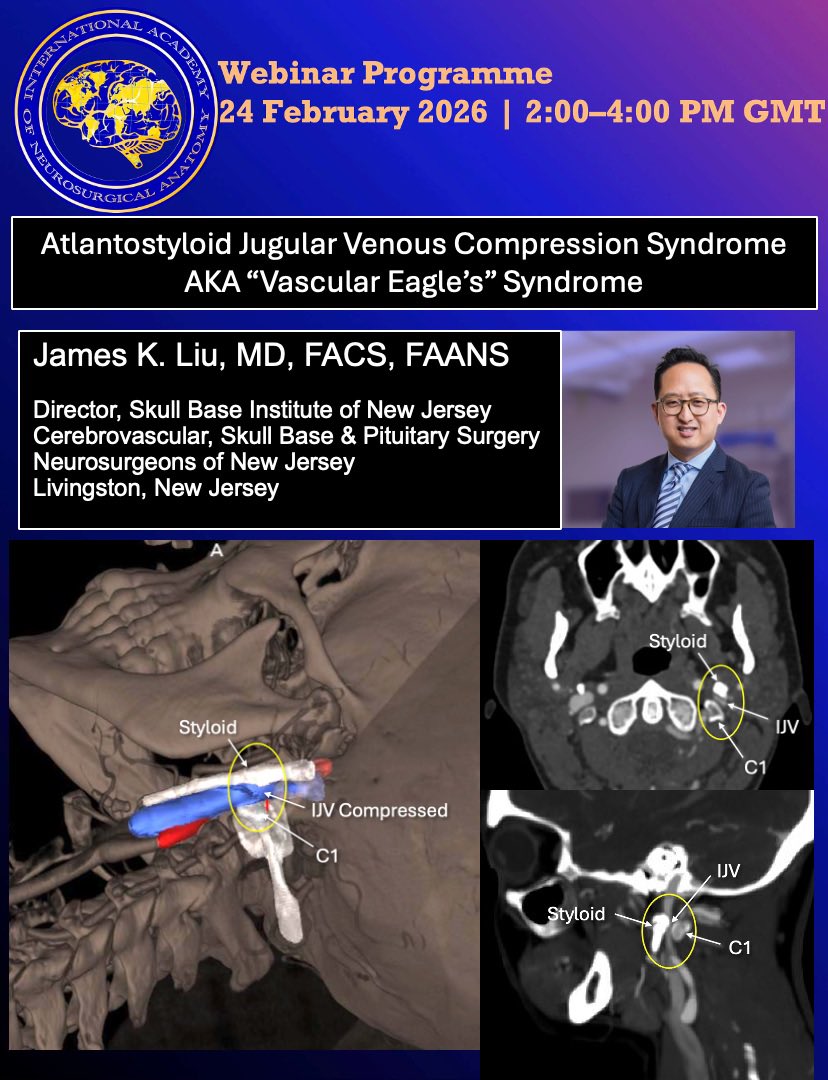
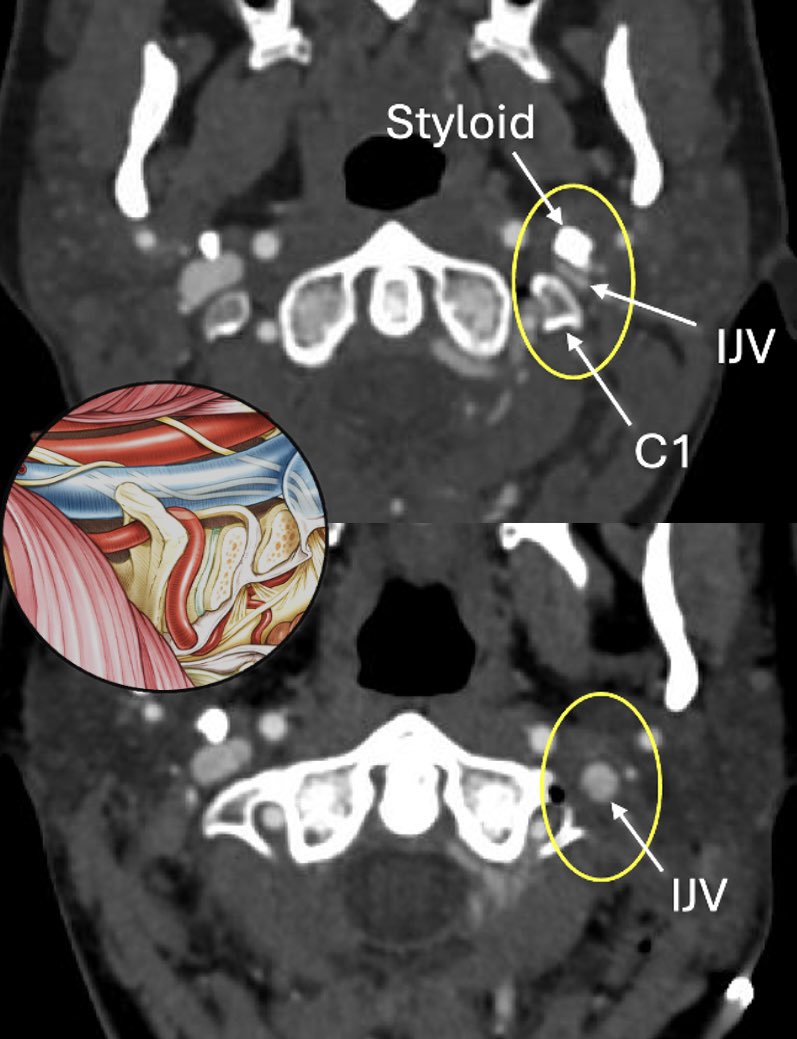
I recently had the privilege of speaking at a webinar hosted by the International Academy of Neurosurgical Anatomy (IANA) on a topic that is both deeply important and profoundly under-recognized: Atlantostyloid Jugular Venous Compression Syndrome. This rare neurological condition results from severe compression of the internal jugular vein between the styloid process and the C1 transverse process. When this venous outflow obstruction occurs, it can significantly impair cerebral venous drainage, leading to symptoms consistent with elevated intracranial pressure. A Devastating — and Often Dismissed — Condition Patients with Atlantostyloid Jugular Venous Compression Syndrome frequently suffer from: • Persistent headaches • Debilitating head pressure • Visual snow • Brain fog • Inability to function in daily activities • Profound fatigue • Dizziness • Tinnitus What makes this condition particularly tragic is not only the severity of the symptoms, but how often patients are dismissed. Many see multiple specialists across neurology, ENT, ophthalmology, psychiatry, and primary care. Imaging may be labeled “normal” if venous compression is not specifically evaluated. Too often, patients are told that nothing is wrong — or worse, that their symptoms are psychological. These individuals are not imagining their illness. They are living with a structural venous outflow obstruction that, when properly identified, is treatable. Why Proper Decompression Matters A key focus of my lecture was the importance of complete, 360-degree venous decompression. Inadequate surgical intervention can leave patients just as symptomatic as before, resulting in persistent and debilitating impairment. Effective treatment requires: • Styloidectomy past the point of compression, extending to the skull base • C1 transverse process removal (“C1 shave”) • Jugular vein fasciotomy • Selective digastric muscle division or resection, if needed Partial decompression, limited styloid removal, absence of C1 shaving is often insufficient. The internal jugular vein must be fully released circumferentially to restore adequate venous outflow. Without comprehensive decompression, symptoms frequently persist without meaningful improvement. Raising Awareness This condition remains under-recognized in mainstream neurology and neurosurgery, yet it can dramatically impact quality of life. Increasing awareness among clinicians is critical — not only for diagnosis, but for appropriate surgical planning and execution. I am grateful to IANA for the opportunity to speak on this topic and to help bring attention to a group of patients who are too often overlooked. You can listen to my full lecture here (starts at 16:33): youtube.com/live/nGFDx88Rv… If you care for patients with unexplained symptoms of intracranial hypertension, refractory headaches, or persistent neurological complaints despite “normal” workups, I encourage you to consider venous outflow obstruction in your differential diagnosis. Recognition is the first step — and when properly treated, these patients can regain their lives. For inquiries: James K. Liu, MD Director, Skull Base Institute of New Jersey 973-577-2888 Email: jliu@neurosurgerynj.com @SkullBaseMD #VascularEagles #EaglesSyndrome @NeuroSurgeryNJ @CBMCNJ @RWJBarnabas
YouTube video
YouTube
James K. Liu, MD tweet mediaJames K. Liu, MD tweet mediaJames K. Liu, MD tweet mediaJames K. Liu, MD tweet media
English
0
2
24
1.4K
James K. Liu, MD
James K. Liu, MD@SkullBaseMD·
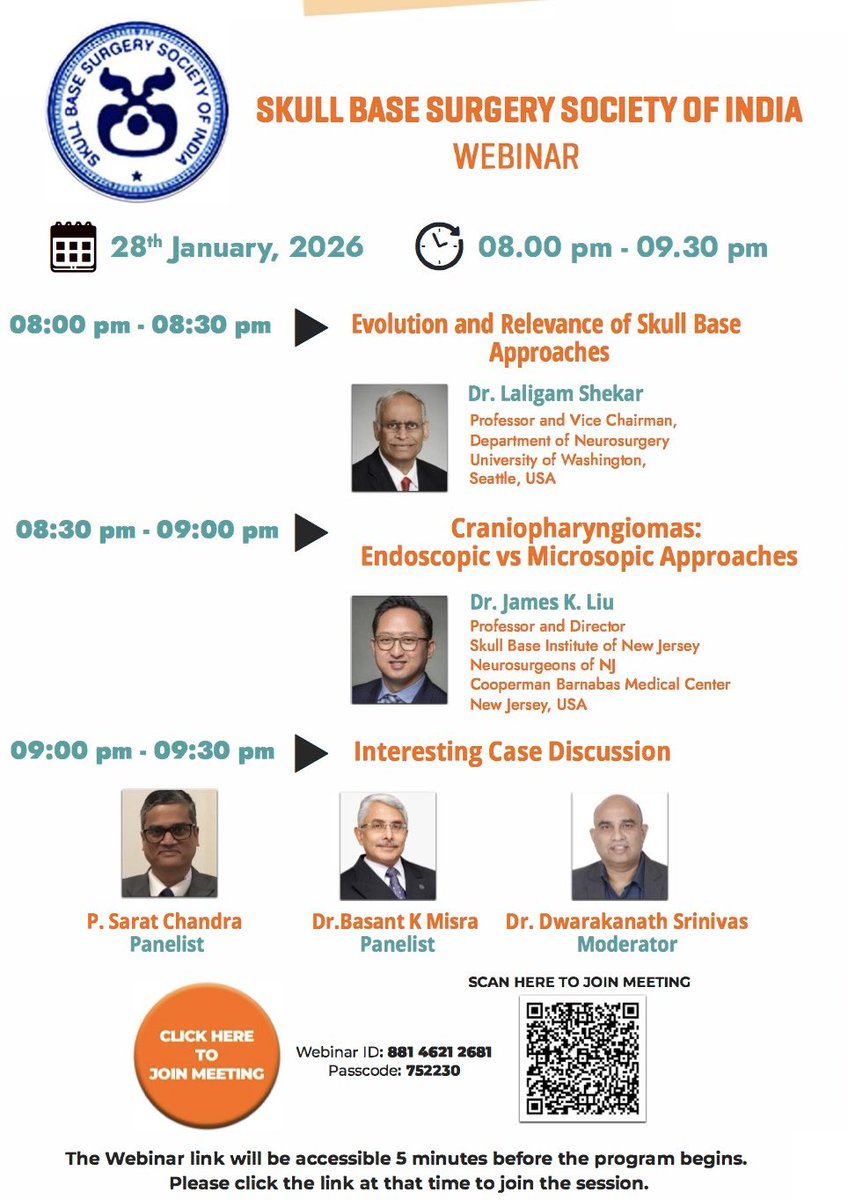
I’m truly honored to be an invited guest lecturer for the Skull Base Surgery Society of India Webinar this morning. Grateful for the opportunity to share and exchange ideas with such an incredible community of neurosurgeons and educators. I’ll be speaking on endoscopic endonasal approaches for complex craniopharyngiomas, a topic that continues to evolve and challenge us in meaningful ways. It’s a privilege to be on the program alongside such esteemed colleagues as Dr. Laligam Sekhar, Dr. Basant Misra, Dr. Sarat Chandra, and Dr. Dwarakanath Srinivas. Looking forward to a stimulating academic exchange and great discussions. Thank you to the India Skull Base Society for the invitation — excited for what’s ahead! Starts 9:30am EST, wed, 1/28/26 Link to join: Scan QR code in the photo. #skullbasesurgery #craniopharyngioma @NeuroSurgeryNJ @CBMCNJ @RWJBarnabas
James K. Liu, MD tweet media
English
2
0
7
329
Gabriel Zada, MD, MS
Gabriel Zada, MD, MS@DoctorZada·
What it actually takes to be a #neurosurgeon: 1.Indefatigability — physical, cognitive, emotional 2.Sound judgment when the data are incomplete and the clock is loud 3.Endless empathy without analysis paralysis 4.Tolerance for uncertainty — and owning outcomes when the play is broken 5.Physical stamina and patience for hours-long cases 6.Emotional durability after complications and complaints 7.Ability to function inside a fractured health system 8.Team leadership under stress and fatigue 9.Delayed gratification (measured in decades, not years) 10.Manual dexterity #Surgery #MedTwitter #Medicine #MedEd #Neurosurgery
Dudes Posting Their W’s@DudespostingWs

What it really takes to be a brain surgeon making $700k+ a year

English
16
22
129
26.2K
James K. Liu, MD
James K. Liu, MD@SkullBaseMD·
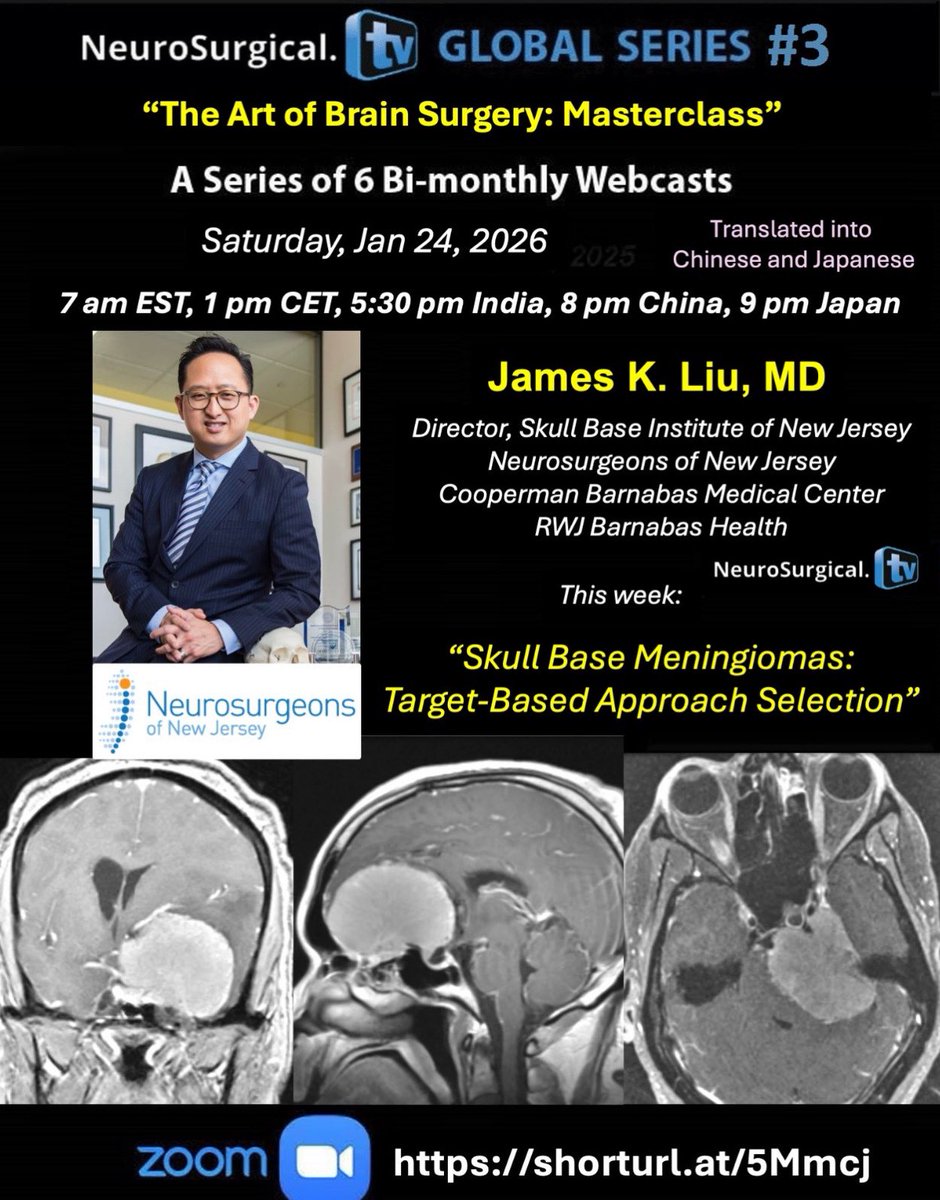
Dear Friends and Colleagues,   I am very excited to kick off 2026 with another installment of my bimonthly lecture series, "The Art of Brain Surgery: Masterclass" in collaboration with @NeuroSurgicalTV. It’s an immersive operative video series emphasizing intraoperative “game time” decision making, anatomical considerations, practical technical pearls, tricks of the trade, and complication avoidance.   Kicking off first episode with: “Skull Base Meningiomas: Target-Based Approach Selection” this Saturday, January 24 at 7 am EST. Objectives: Learn the nuances of the technique, tips and tricks and operative pearls to maximize tumor resection while preserving cranial nerves. Meningiomas serve as perfect tour guides to take you through the complex skull base real estate. neurosurgical.tv/james-liu-md-m…   ZOOM REGISTRATION: shorturl.at/5Mmcj Webinar ID 881 1388 4560 #meningioma #skullbasesurgery #neurosurgery #education @neurosurgerynj @coopermanbarnabas @rwjbarnabas_health @meningiomacompanion @meningiomasinfo whs.meningioma.awareness @meningiomamommas @rutgersneurosurgery @rutgerscancerinstitute @rutgers_rhinology_skullbase @rutgers_oto @nymcbrainspine @alifathali @montefioreneurosurgery @uofuneurosurgery @nyu_neurosurgery @nasbs_org
James K. Liu, MD tweet media
English

1
4
19
1K
James K. Liu, MD
James K. Liu, MD@SkullBaseMD·
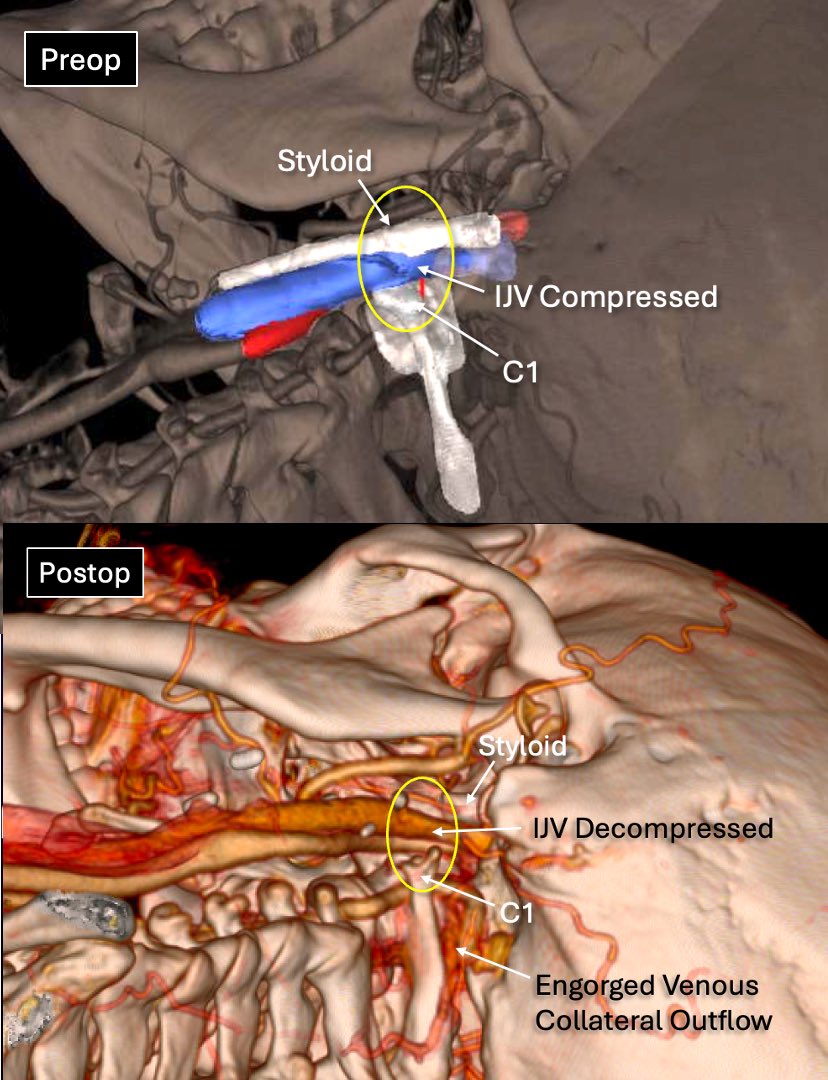
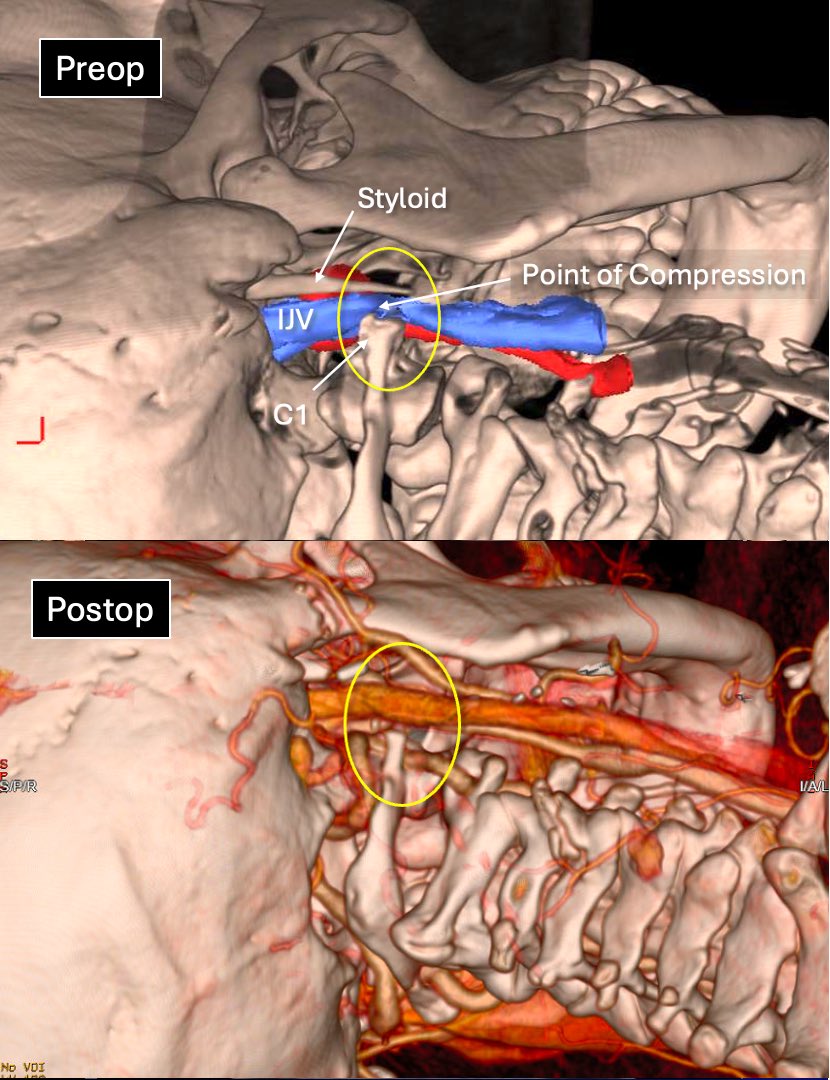
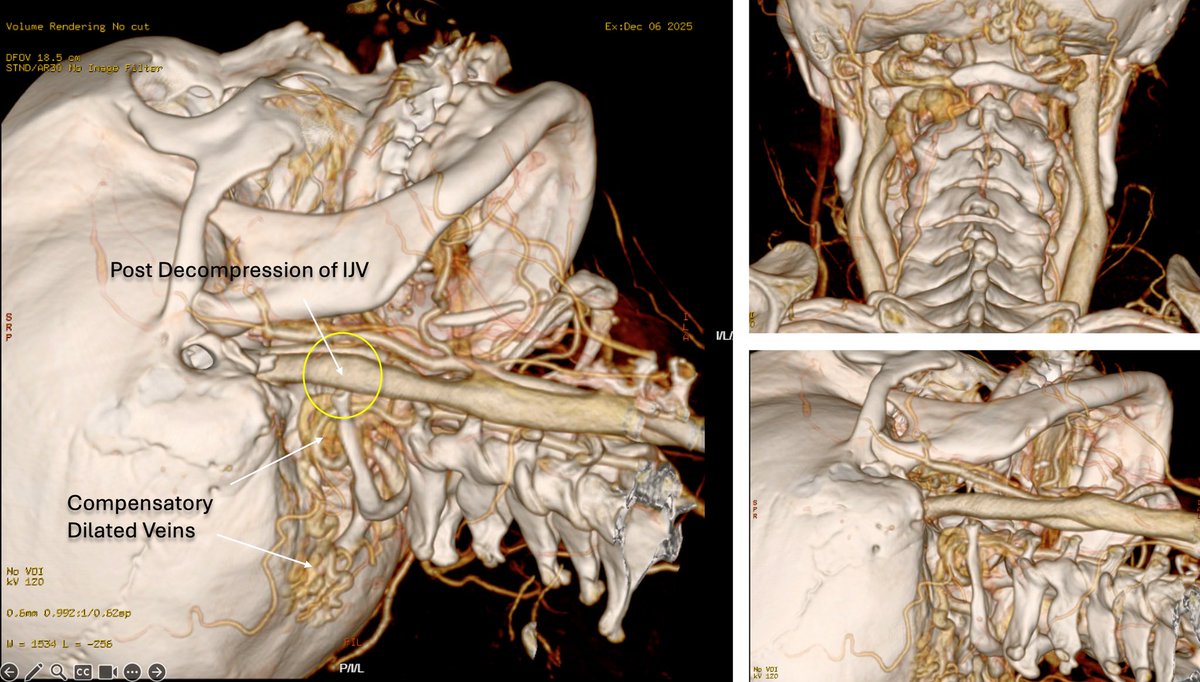
Styloidogenic Venous Compression Syndrome is an under-recognized cause of intracranial venous hypertension and debilitating symptoms. It is often inaccurately referred to as Eagle’s syndrome or venous Eagle’s variant because of the relationship to an elongated styloid process. This patient had symptoms of intracranial venous hypertension where an elongated styloid process and C1 tubercle pinch off the internal jugular vein, impairing brain venous drainage (yellow circle). A dynamic angiogram by showed engorged collateral venous ouflow at the skull base with a pressure gradient at the level of the jugular vein compression at C1. We successfully treated the venous compression by performing microsurgical styloidectomy with drilling of the C1 tubercle, achieving complete 360-degree decompression of the internal jugular vein. ➡️ Pre- and post-operative images show dramatic restoration of venous flow, and intra-op photos demonstrate the key steps of the procedure. A reminder that anatomy matters — and that targeted skull base techniques can provide definitive relief when the diagnosis is correct. A technically demanding skull base and vascular problem — but one that can be definitively treated when recognized. Rare diagnosis. Precise surgery. Meaningful outcome. @SkullBaseMD skullbasemd.com @neurosurgerynj #styloidogenicjugularvenouscompressionsyndrome #eaglessyndrome #skullbasesurgery #skullbasemd @coopermanbarnabas @rwjbarnabas_health
James K. Liu, MD tweet mediaJames K. Liu, MD tweet mediaJames K. Liu, MD tweet media
English
1
1
13
570
James K. Liu, MD
James K. Liu, MD@SkullBaseMD·
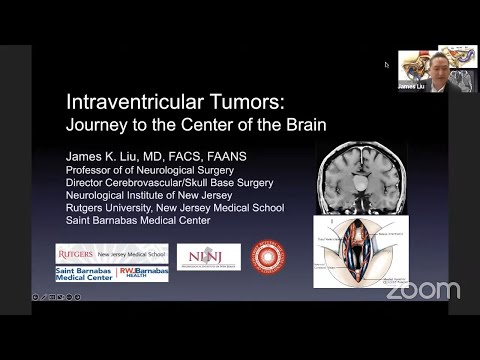
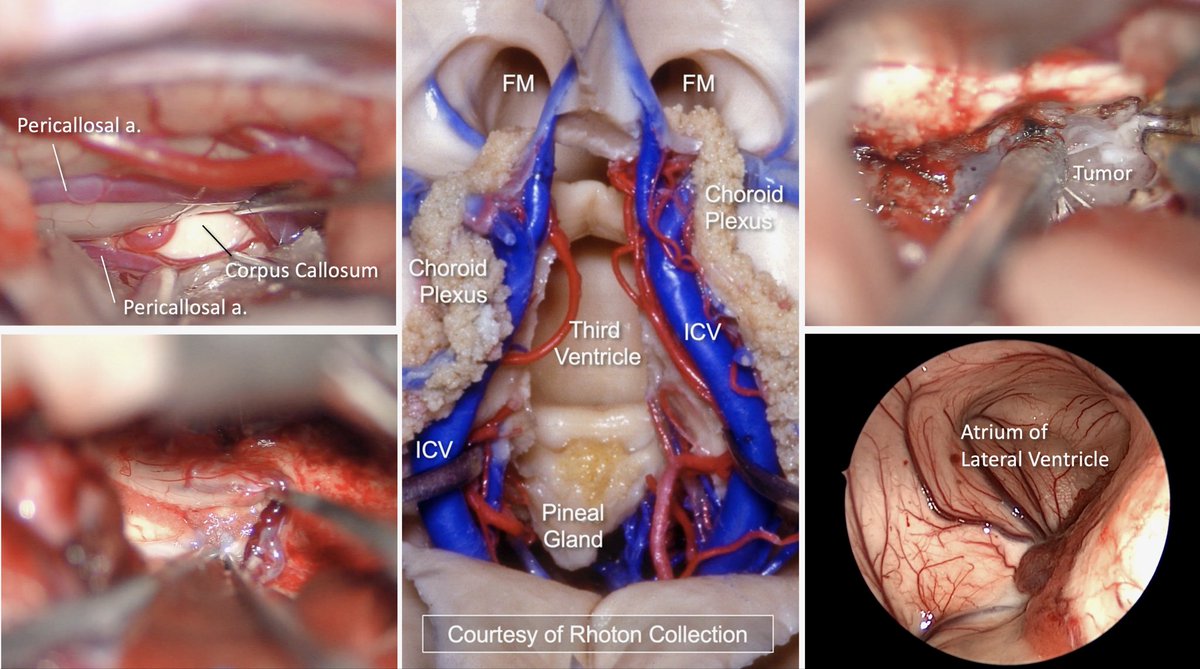
🧠 Complex Case Review: Patient with a giant central neurocytoma extending through both lateral ventricles presented with headaches and obstructive hydrocephalus. Using an interhemispheric transcallosal approach in the lateral position (gravity-assisted), we achieved complete microsurgical resection while preserving both fornices and vital deep venous structures. Postoperatively, the patient demonstrated no cognitive impairment and has since returned to work. He remains recurrence free at 4.5 years after surgery, an excellent long-term result for a deep midline intraventricular tumor. This case underscores the importance of meticulous microsurgical technique, respect for deep neurovascular structures, and preservation of the fornices. These are low-grade, benign tumors, and is potentially curative if gross total resection is achieved. No radiation needed. For full lecture and videos, watch my Art of Brain Surgey: Masterclass Series, "Journey to the Center of the Brain: Intraventricular Tumors". Link below: youtu.be/4SOiGV3qu9Q?si… #Neurosurgery #SkullBase #BrainTumor #Neurooncology #Microneurosurgery #Neuroanatomy #SurgicalExcellence #CentralNeurocytoma #IntraventricularTumor @NeuroSurgeryNJ @CBMCNJ @RWJBarnabas @theABTA @TumorSection
YouTube video
YouTube
English
7
8
55
3.1K
James K. Liu, MD
James K. Liu, MD@SkullBaseMD·
For full lecture and videos, watch my Art of Brain Surgey: Masterclass Series, "Journey to the Center of the Brain: Intravntricular Tumors". Link below: youtu.be/4SOiGV3qu9Q?si…
YouTube video
YouTube
English
0
1
13
1K
James K. Liu, MD
James K. Liu, MD@SkullBaseMD·
🧠 Complex Case Review:
Patient with a giant central neurocytoma extending through both lateral ventricles presented with headaches and obstructive hydrocephalus. Using an interhemispheric transcallosal approach in the lateral position (gravity-assisted), we achieved complete microsurgical resection while preserving both fornices and vital deep venous structures. Postoperatively, the patient demonstrated no cognitive impairment and has since returned to work. He remains recurrence free at 4.5 years after surgery, an excellent long-term result for a deep midline intraventricular tumor. This case underscores the importance of meticulous microsurgical technique, respect for deep neurovascular structures, and preservation of the fornices. These are low-grade, benign tumors, and is potentially curative if gross total resection is achieved. No radiation needed. #Neurosurgery #SkullBase #BrainTumor #Neurooncology #Microneurosurgery #Neuroanatomy #SurgicalExcellence #CentralNeurocytoma #IntraventricularTumor @NeuroSurgeryNJ @CBMCNJ @RWJBarnabas @theABTA @TumorSection
James K. Liu, MD tweet mediaJames K. Liu, MD tweet media
English
7
16
144
9.8K