Sabitlenmiş Tweet

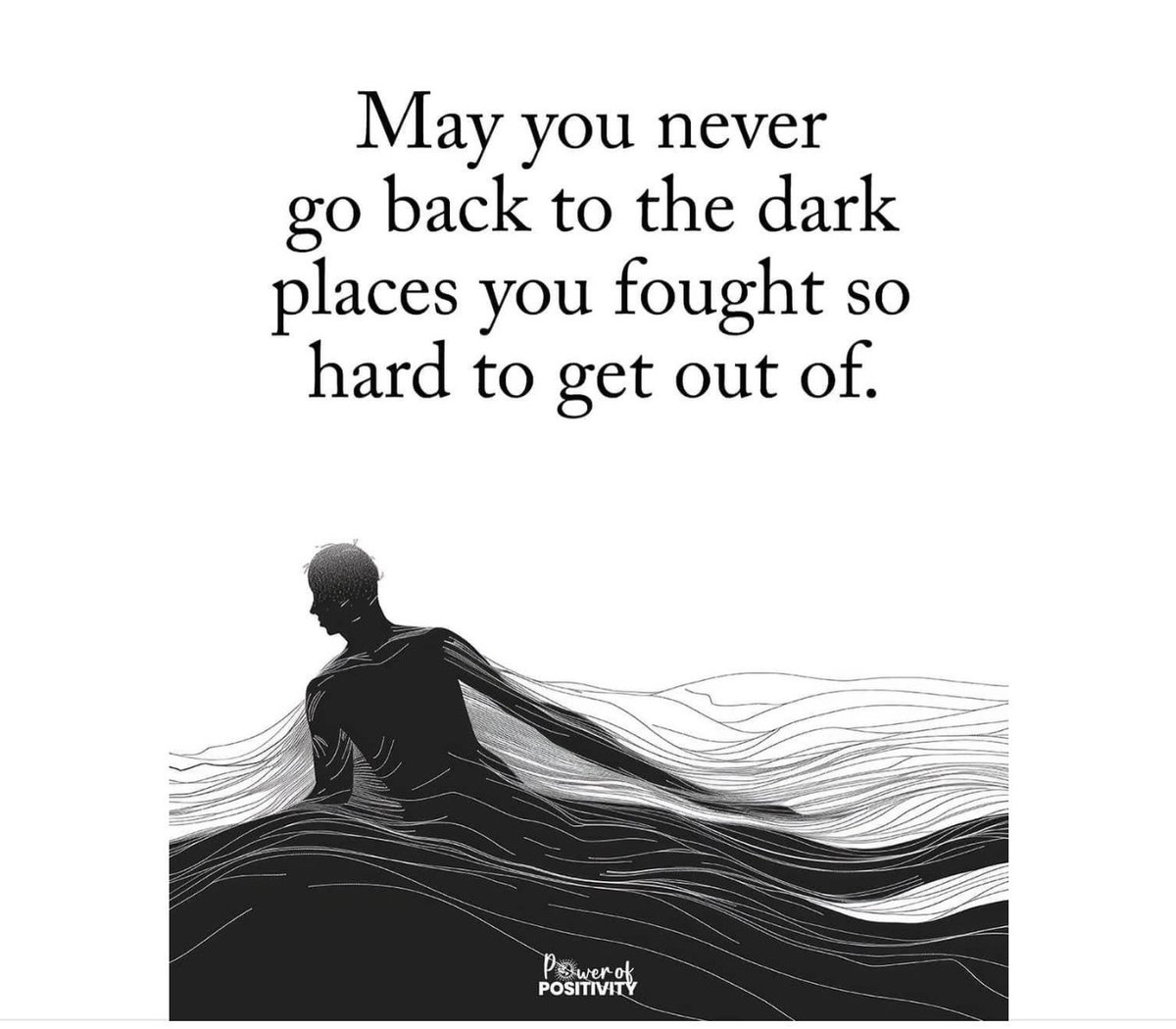
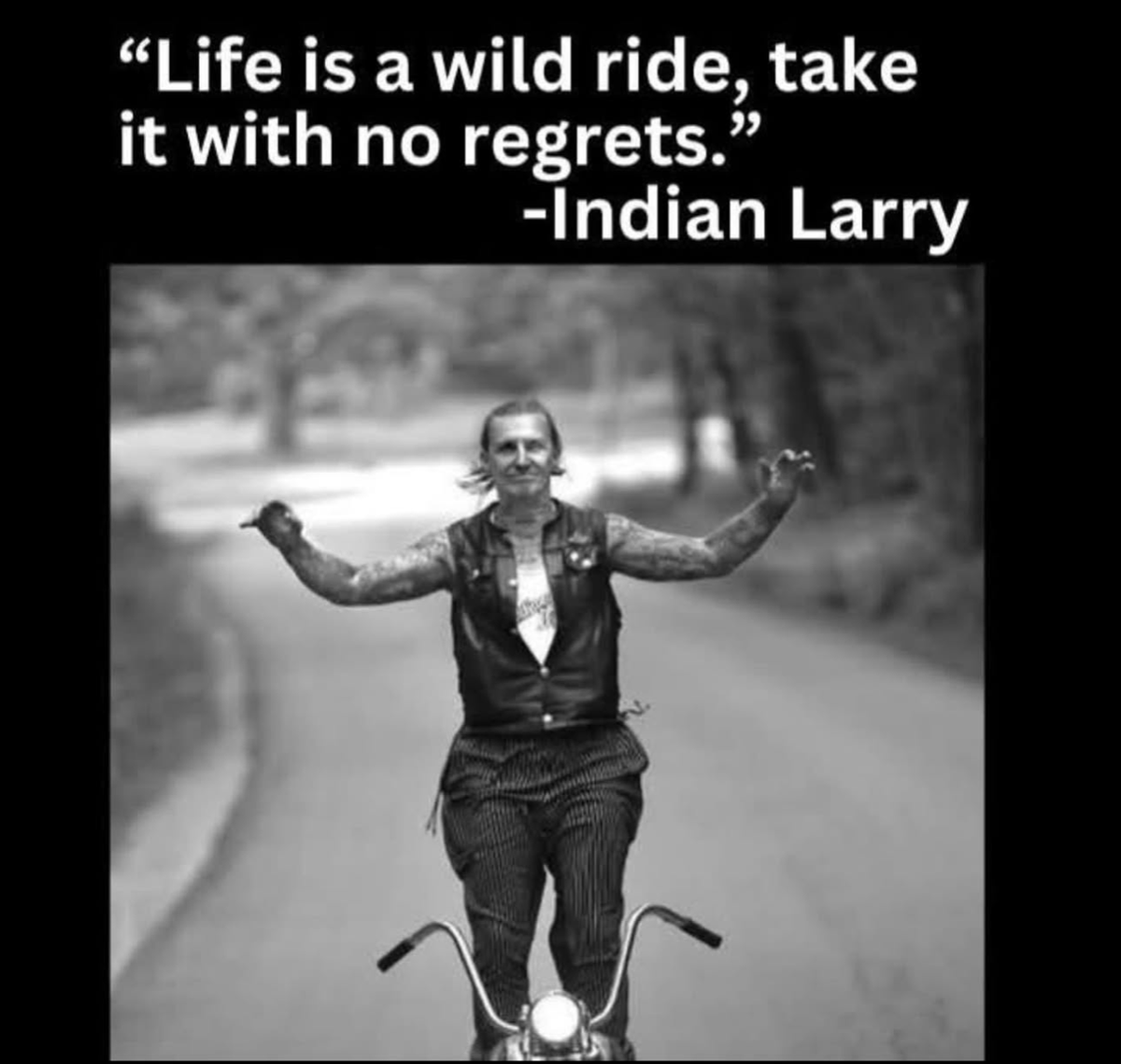
11 YEARS - 11 MONTHS - 11 DAYS ago I walked out of Schick Shadel Hospital with my mind cleared and my sobriety! A life time ago and yet I remember it vividly. I have been one of the lucky ones, in that I have remained sober, have a complete understanding on what my demon was, abandonment issues from being adopted and I am also sure I have the addiction gene passed on through my biological linage. Through the process at SSH treatment program I was able to get out of the dark place that I had no idea was my issue and in fact thought it was stress from business, recessions, and relationships that crashed on the rocks. When I left SSH I flew back to Walla and sat at my bar eating the best steak and looking at all of the alcohol bottles and had no desire and to this day have no desire for alcohol. If I think about the 10 day treatment program I went through, I can still taste that nasty taste of alcohol and make myself sick, so I don't think about it as I can honestly make myself throw chunks if I think hard about those 10 days. Sure my memory cells can recall and miss how food & wine and saki and sashimi can pair so well and enhance the flavors of both, but those thoughts are just that and distant memories. Unfortunately, SSH no longer exists in Seattle as it was bought up by a large hospital corporation and then shut down, they were too successful and a couple years older than AA. Big Hospital money took down the potential cure for millions of people and buried it, very sad as I had recommended this program to several other friends that have also had great success. I remember a short time after I got home I went and got the tattoo on my drinking wrist - SSH 11-15-13 as a reminder every time I drink anything on how lucky I am to have slayed my demon. A dear friend and someone who is also been sober for several years longer than me made a comment something like "don't regret that tattoo and have to change that date" as most folks struggle with their addictions. To those that are still struggling, I pray you can over come with the proper help, will power but most importantly figuring out that trigger, that demon and then how you shut it down (it mostly likely is not what you think it is). To those that have been able to keep their sobriety, may you never go back to the place you fought so hard to get out of. Life is a wild ride, Do Epic Shit and take it with no regrets. Now, in regards to my abandonment issues, I am one of the luckiest persons as I have a loving birth mother that was willing to give me a chance at life that she could not give me at the time (takes time to figure that out - abandonment issues are a real brain fucking when you are talking about your birth parents). I had the most amazing wonderful parents that adopted me with a simple up bringing in rural Indiana that were my role models and instilled my values, morals and ethics. And I have 16 adopted and 1/2 brothers and sisters, some which I really enjoy hanging with and some others that have shown themselves to be complete assholes and I no longer associate with. I share this in hopes that someone might read this and dig deeper into themselves to figure out how to cage their demons, put them in a lockbox and take the next step to getting out of that dark place. Next big struggle for me, getting rid of my sugar & carbohydrate addictions which is going really well since I have made it my focus again, but it is extremely difficult as sugar is in so many products and carbs are just worthless for you. So a modified Carnivore / Keto, high protein / high saturated fat diet, going exactly against the previous recommendation of our health officials. You know, the folks that say Fruit Loops is healthy for our kids for breakfast and then wonder why little Johnny acts up in class when his sugar high crashes, then say he has ADHD and they have a pill for that. Anyone can make a positive change in their lives starting right this minute. Anyone can take that first step, even if you need to ask for help, which is always hard to do. Some of us have to hit Rock Bottom before we can start the climb out, I did, many times, thank God the last time took. I want to live to 88 and have 25 more healthy years and then what ever happens in that last year will be determined by the choices I have made and continue to make. I hope to see my granddaughter and grandson get married, have kids and live productive fun lives. Anyone that ever wants to talk with me about the past, present or future, you got my digits. Oh, and the tattoo on my left wrist "Live the Life You Love, Love the Life You Live, even in my darkest hour I have loved the life I have been blessed to live. Those that know me, worked with me know that I have always said "Rock Forward", the reason I have said that is because I have hit Rock Bottom in the past. Rock Forward is the battle cry to get off your ASS, start the climb up and out, make the changes and do the work, on yourself, your family or your job that you work for. KA&TN. K
English