Sabitlenmiş Tweet
Sigh
196 posts


Sigh
@Sol_Sigh
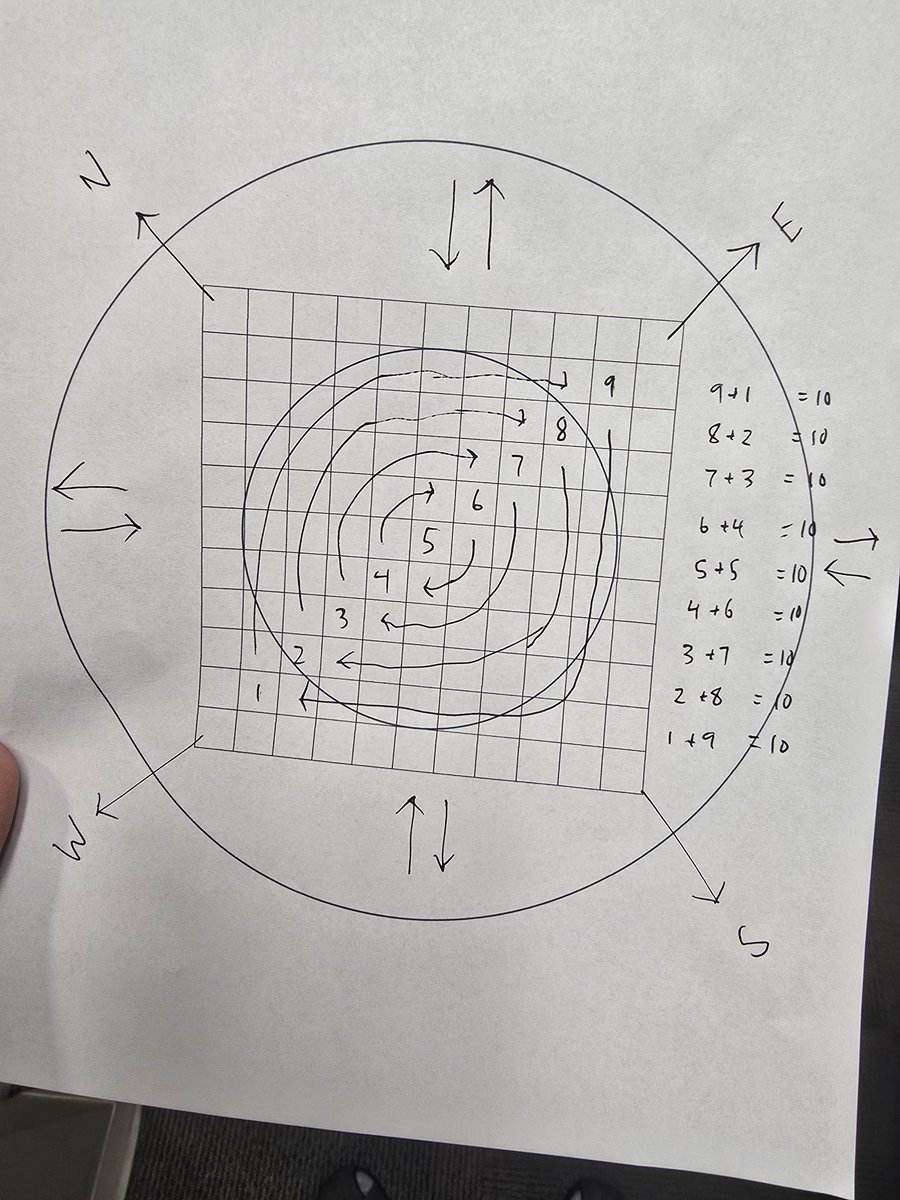
Turns out enlightenment is just as boring. 3-6-9
Under a cedar tree. Katılım Ocak 2025
0 Takip Edilen760 Takipçiler



42 years ago today I made a surprising discovery that every year has been showing us more and more about the answer to life, the universe and everything...
#computational-irreducibility-and-rule-30" target="_blank" rel="nofollow noopener">writings.stephenwolfram.com/2023/02/a-50-y…

English

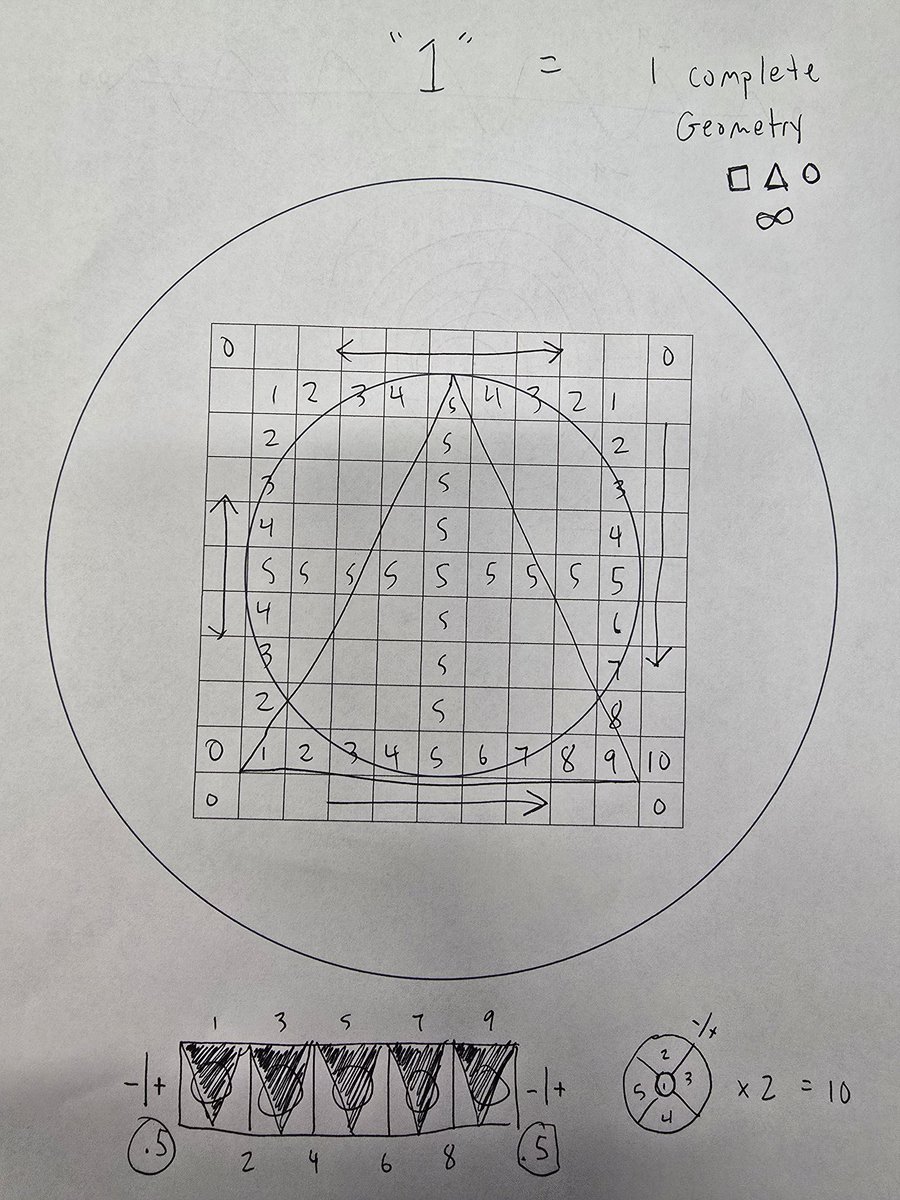

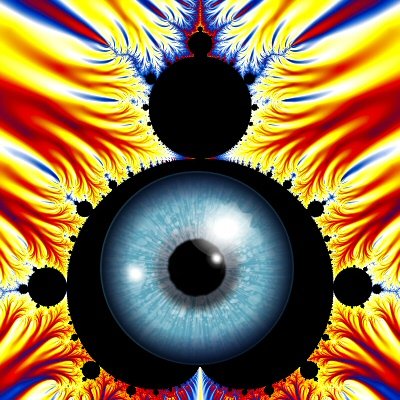
Mathematics.
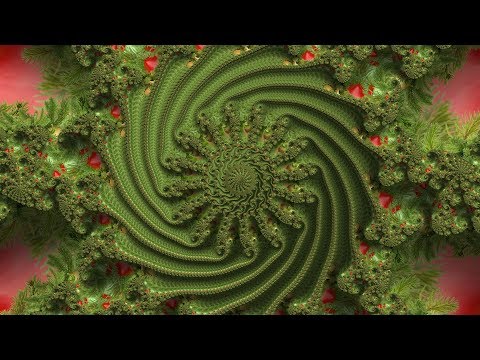
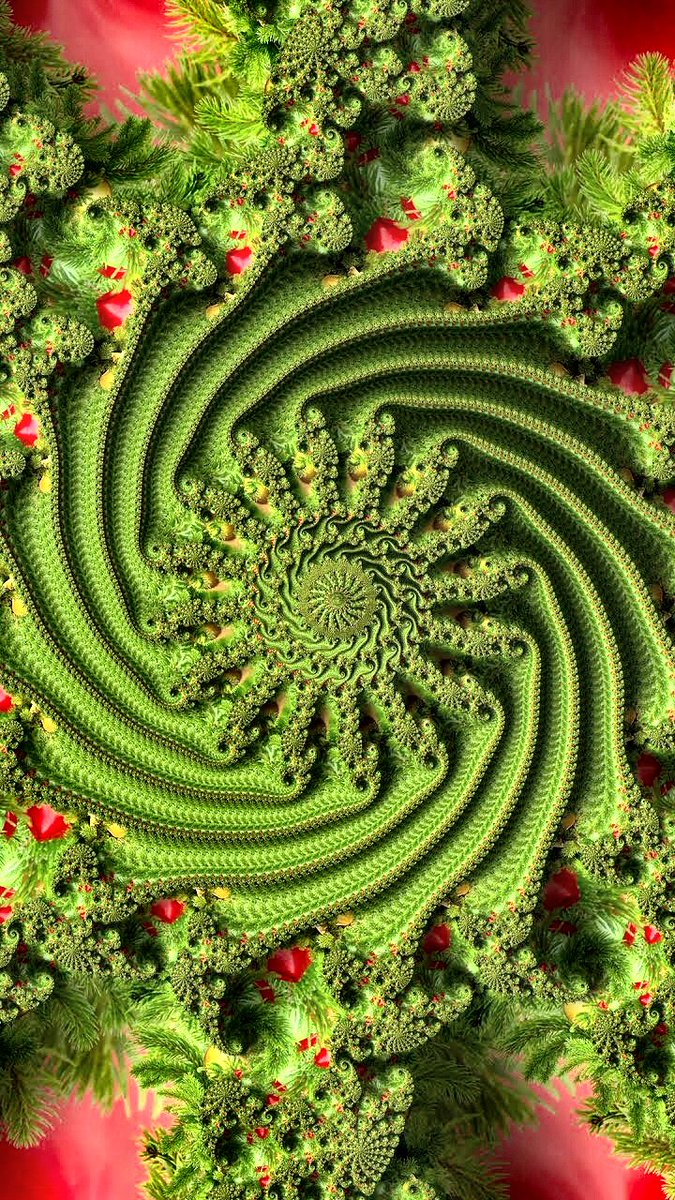
Here is a snapshot from a YouTube that zooms into the Mandelbrot set, revealing an infinite world filled with fractal delights beyond imagination.
By Maths Town, Used with permission, youtube.com/watch?v=LUtOxc…
YouTube
English

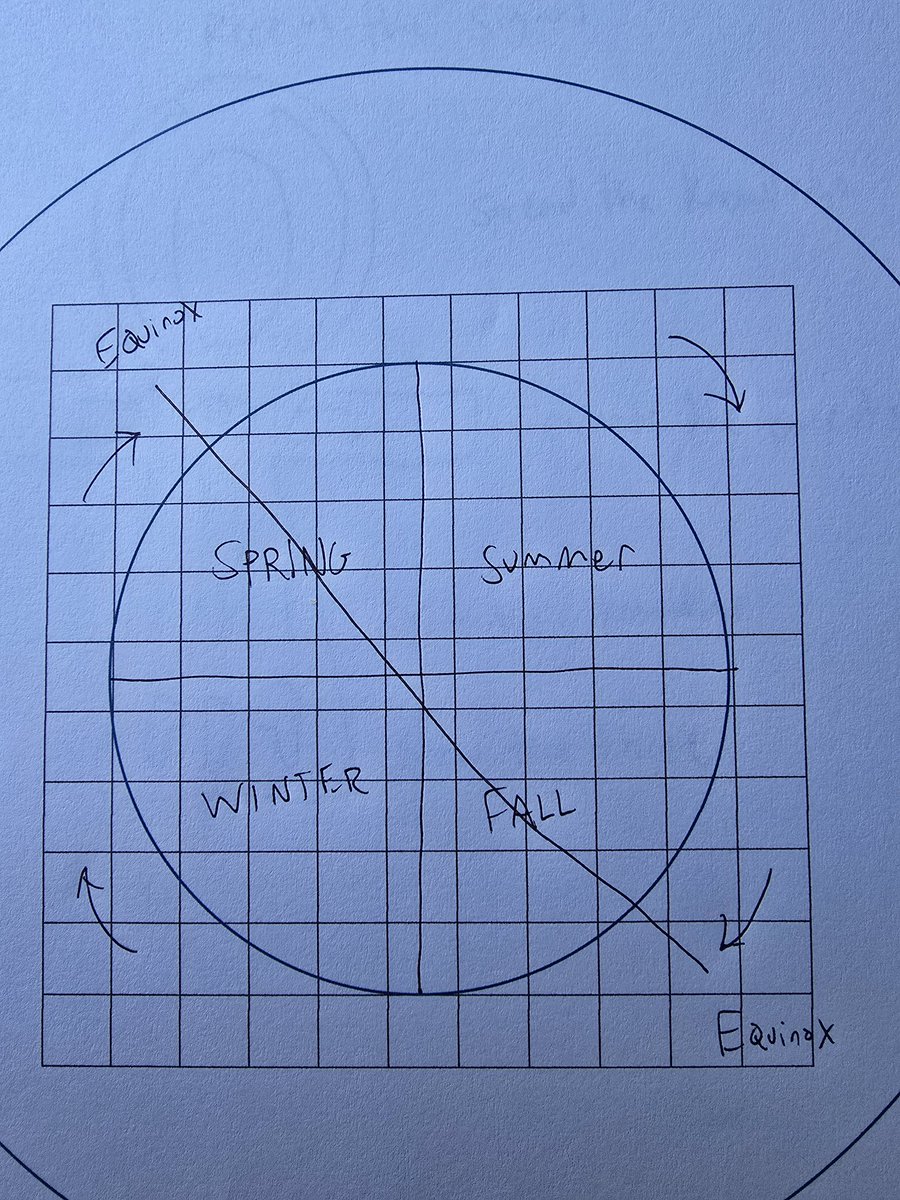
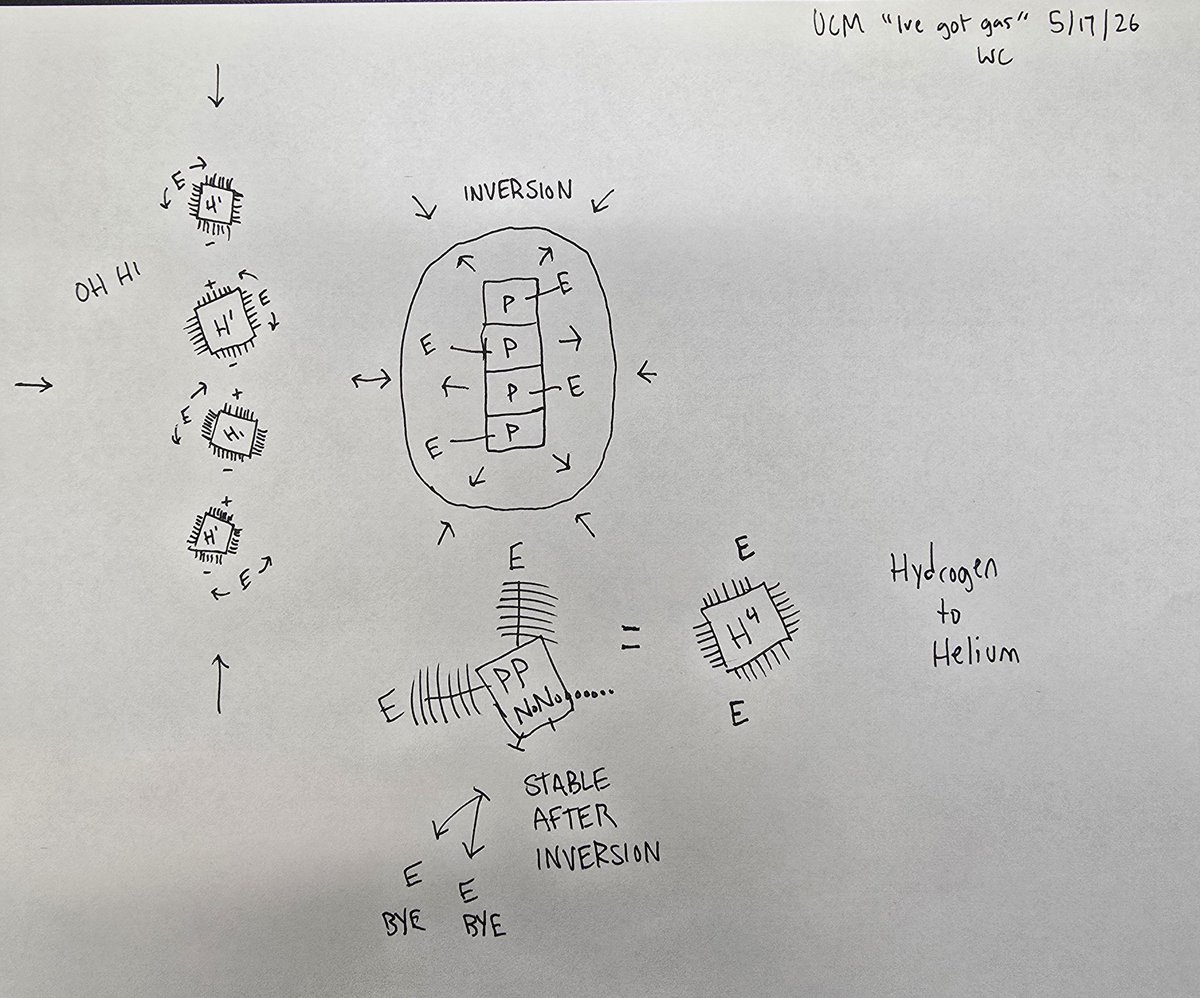
@fermatslibrary Inversion is inevitable and the tax must be paid outside the phase.
English
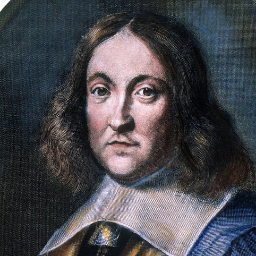
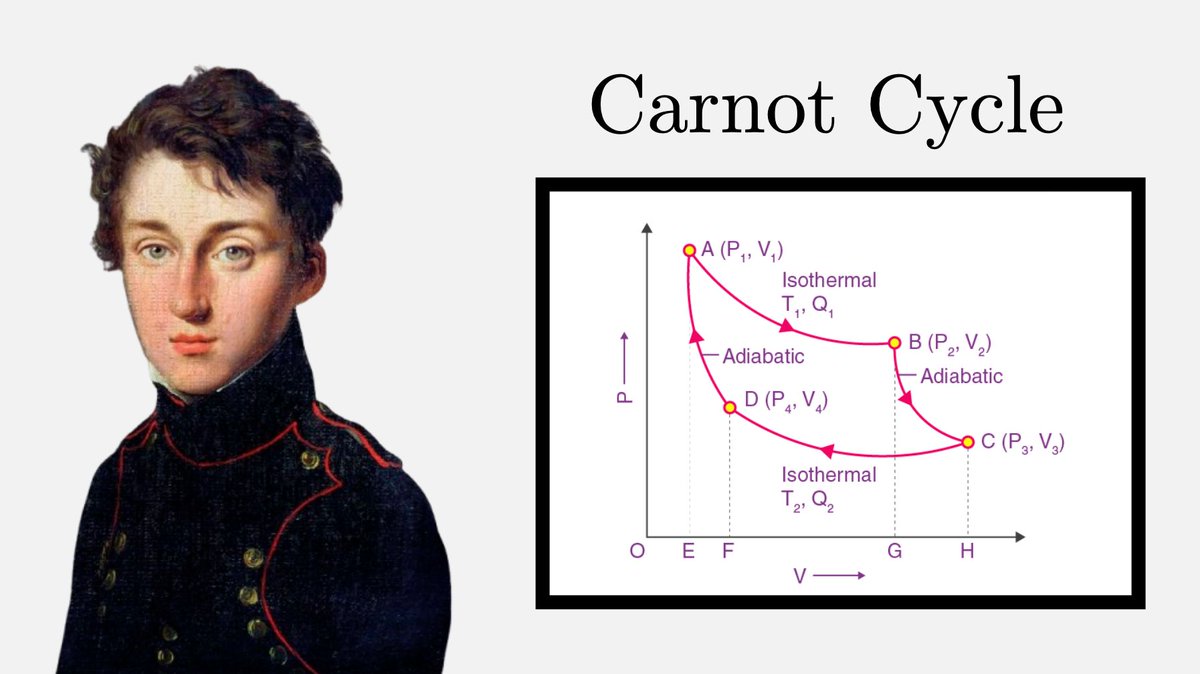
Sadi Carnot was born 230 years ago today.
In 1824, while studying steam engines, he discovered a limit that no technology can overcome:
No engine can convert all heat into useful work.
This insight became the foundation of thermodynamics and understanding of energy. Carnot died in 1832 at just 36 years old.
English

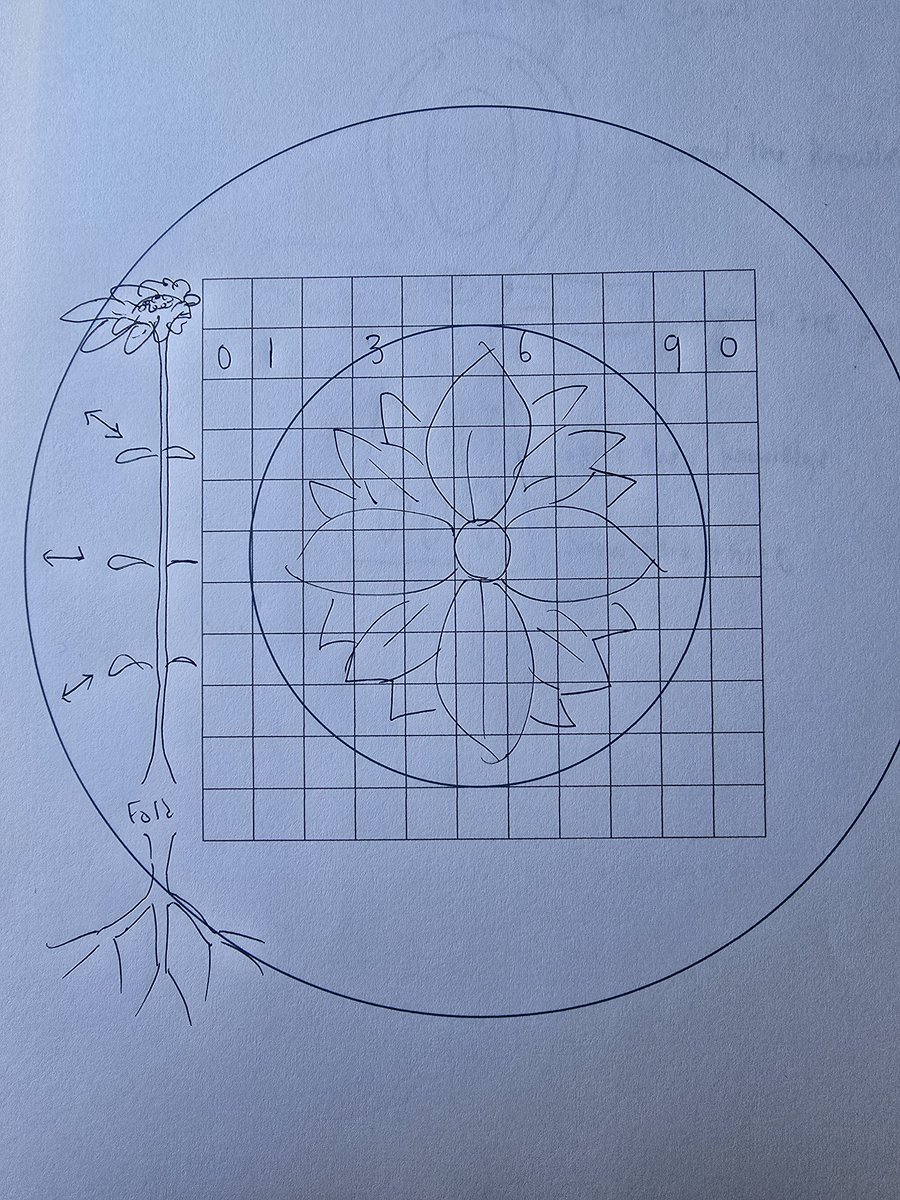


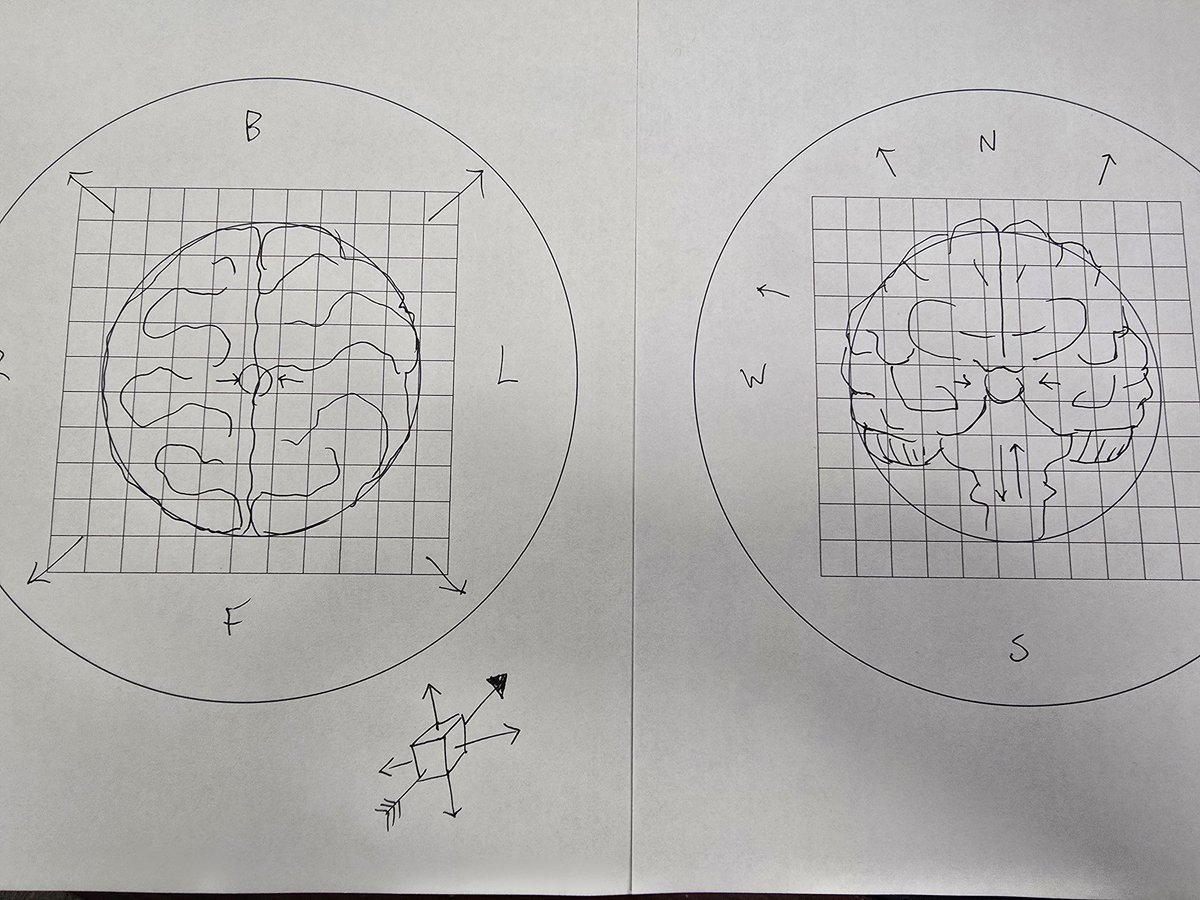
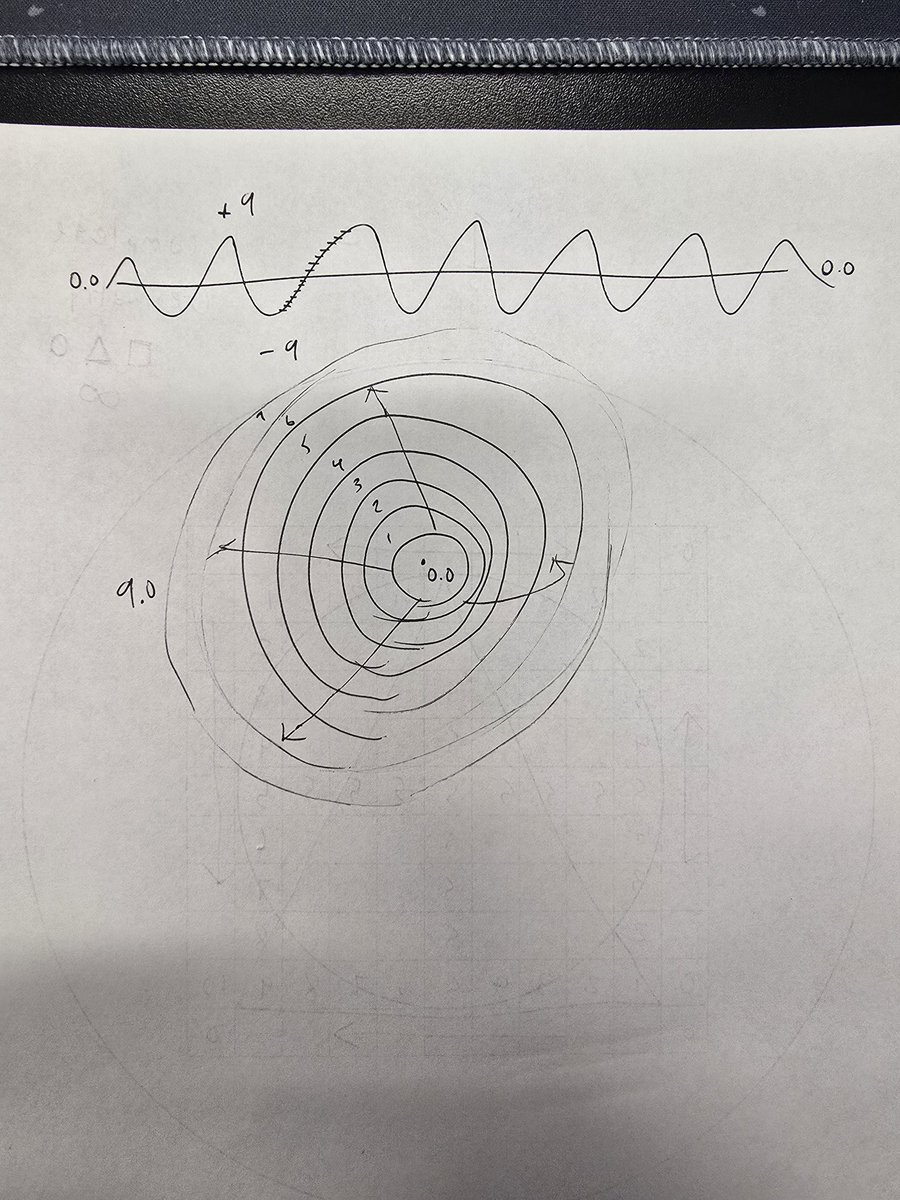
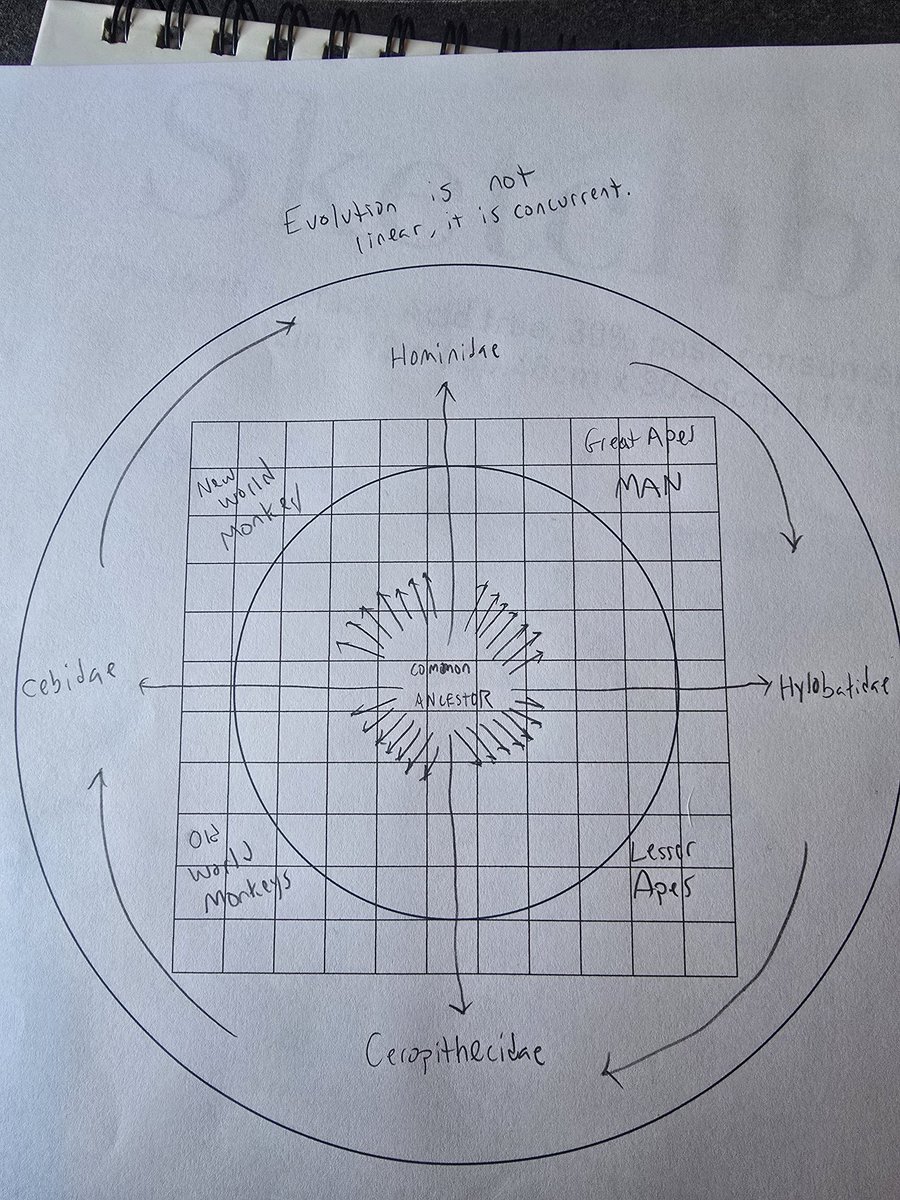
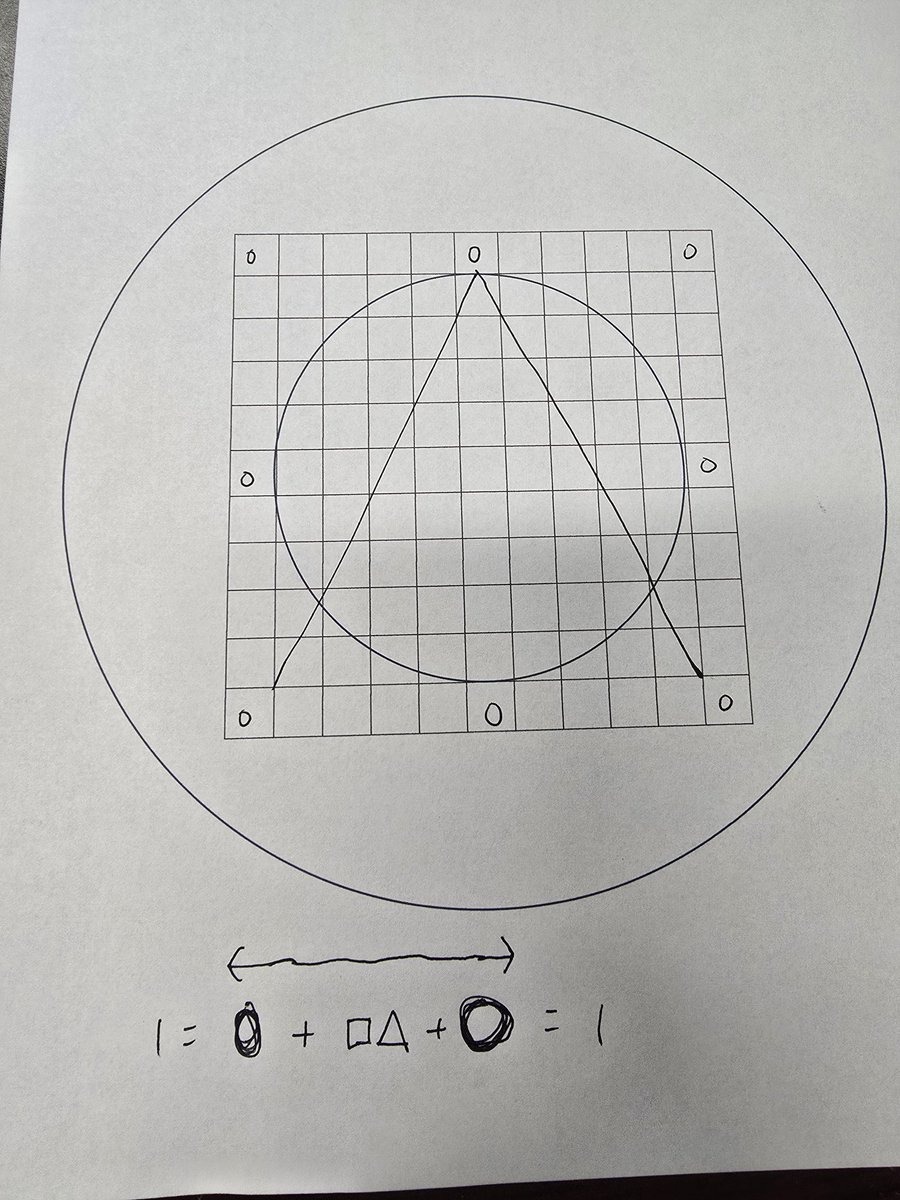
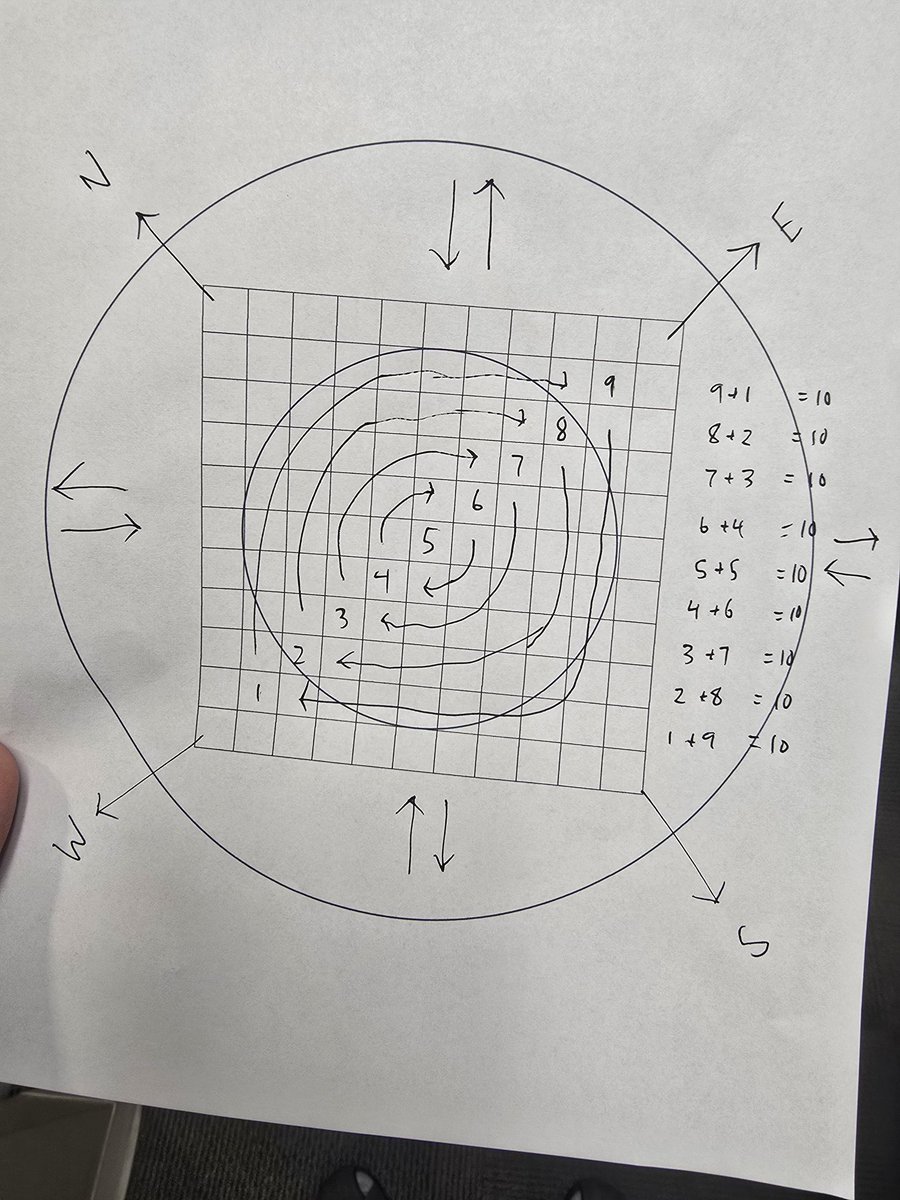
@kekius9 It actually destabilizes and collapses to zero a few trillion times per second.
Otherwise know as frequency oscillation.
It keeps a log of what worked via vibrational registration against the baseline, doubles the phase size, and tries again.
Strobing us into standing waves.

English

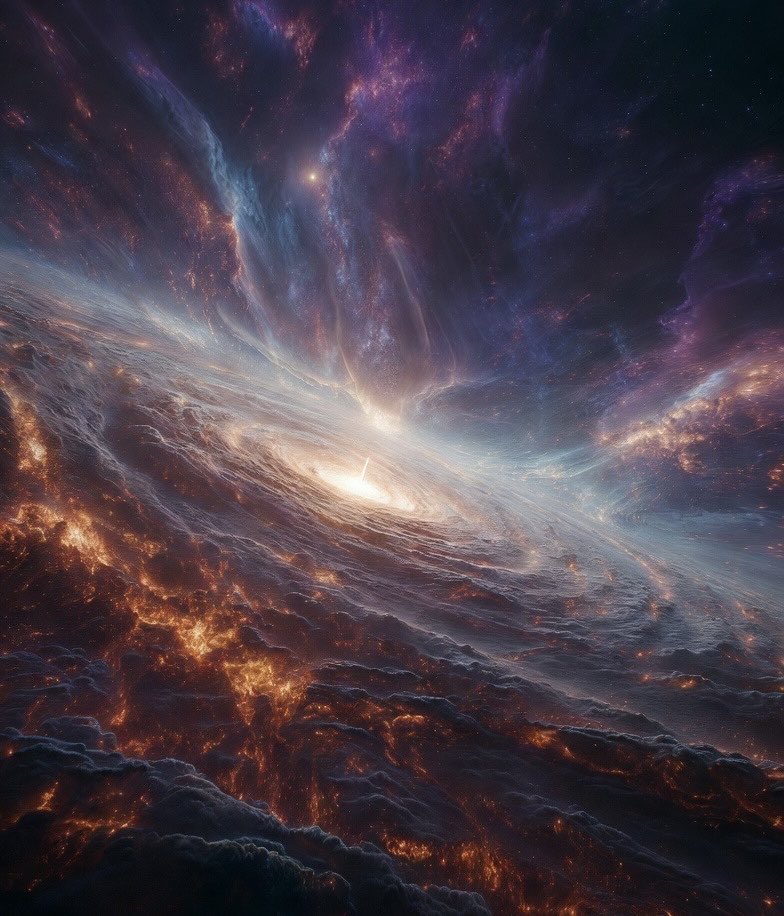
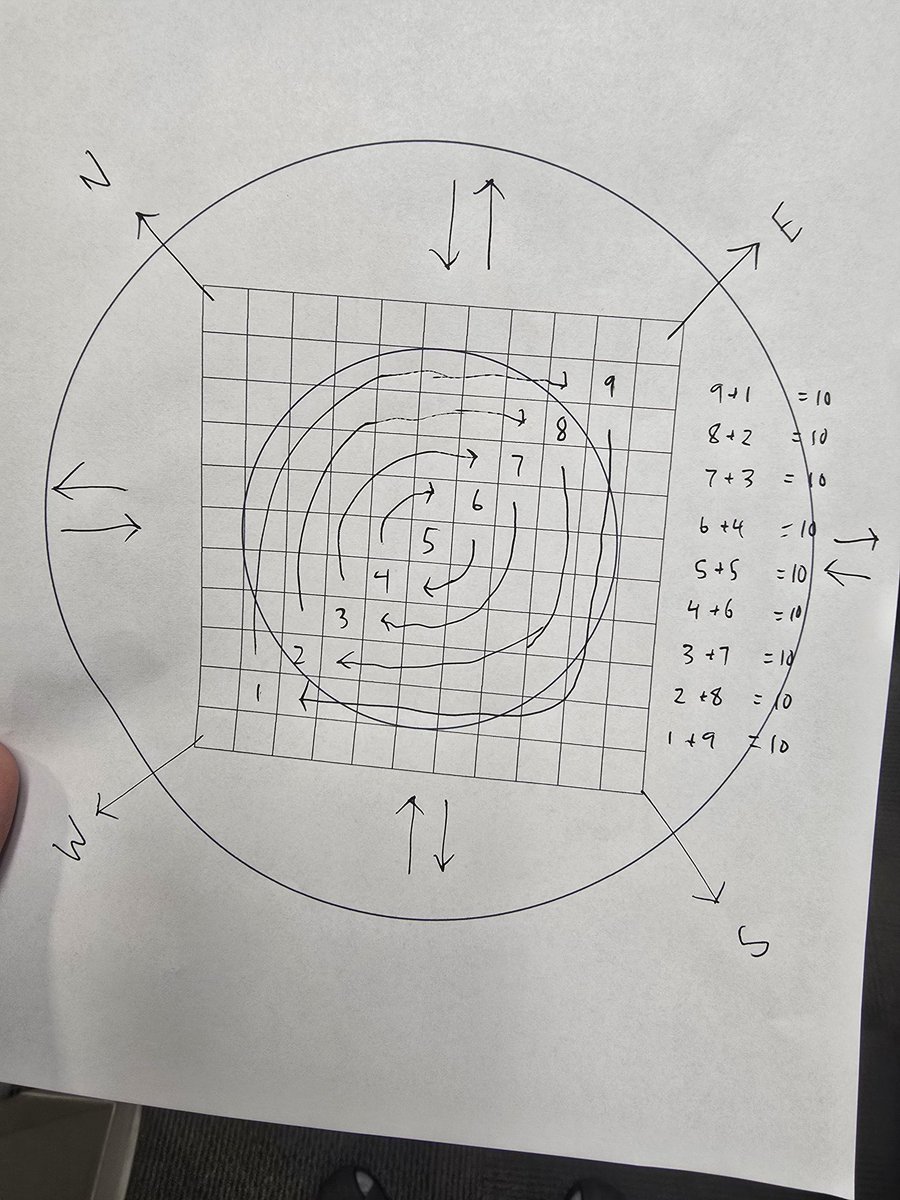

🚨: You’re closer in size to the entire observable universe than to the smallest possible scale of reality—the Planck length—by roughly 400 million times.
Let that sink in.
English

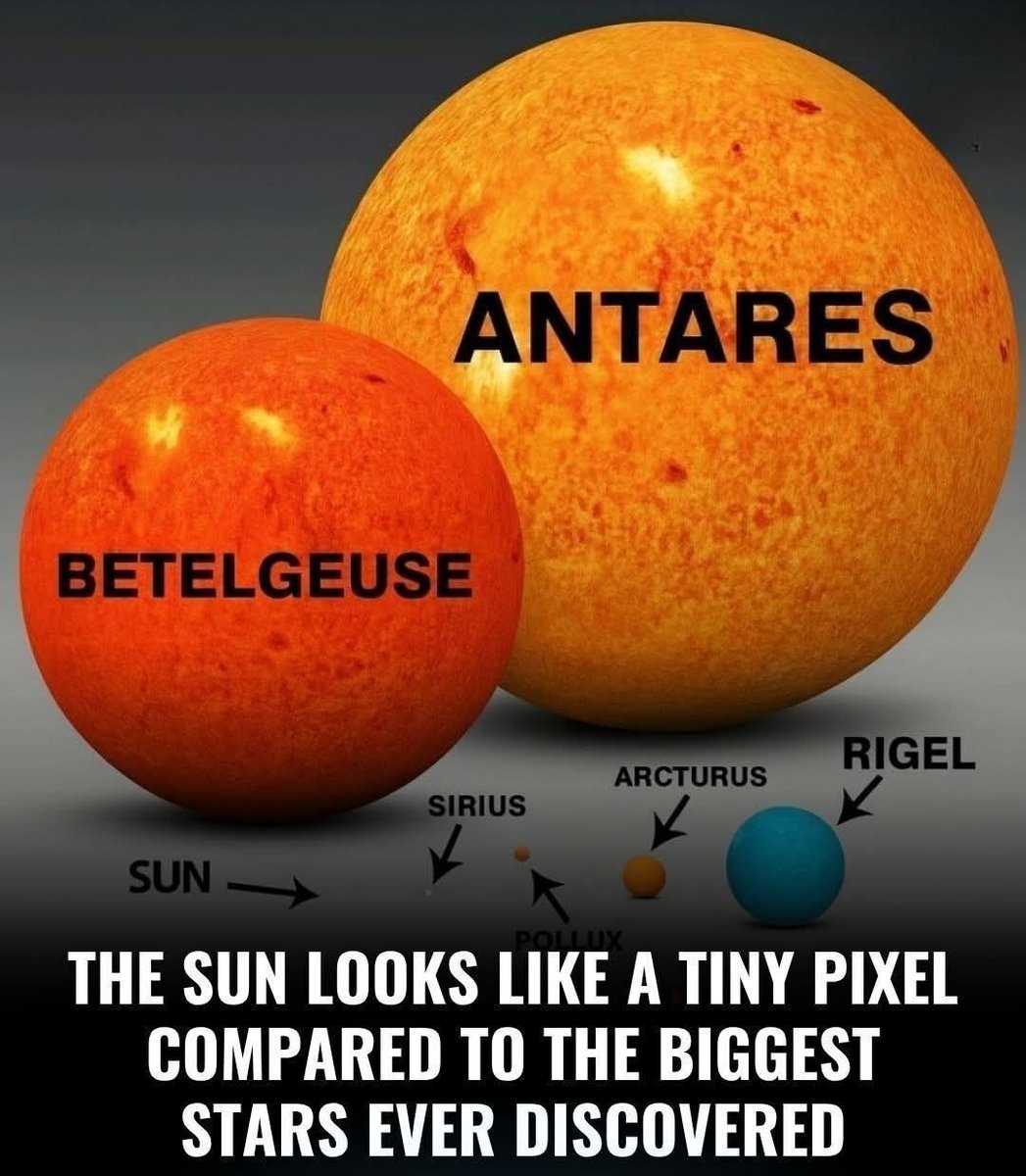
Our Sun may seem enormous, but compared to the universe's largest stars, it's surprisingly small. Giants like UY Scuti and Stephenson 2-18 dwarf the Sun, with sizes so vast they could engulf multiple planetary orbits or contain billions of Suns within them.
Unlike our steady, life-giving Sun, these stellar titans burn through their fuel rapidly and end their lives in powerful supernova explosions, creating the elements that make planets and life possible.
The next time you look at the sky, remember: our Sun is just one small spark in a universe filled with extraordinary giants.
English

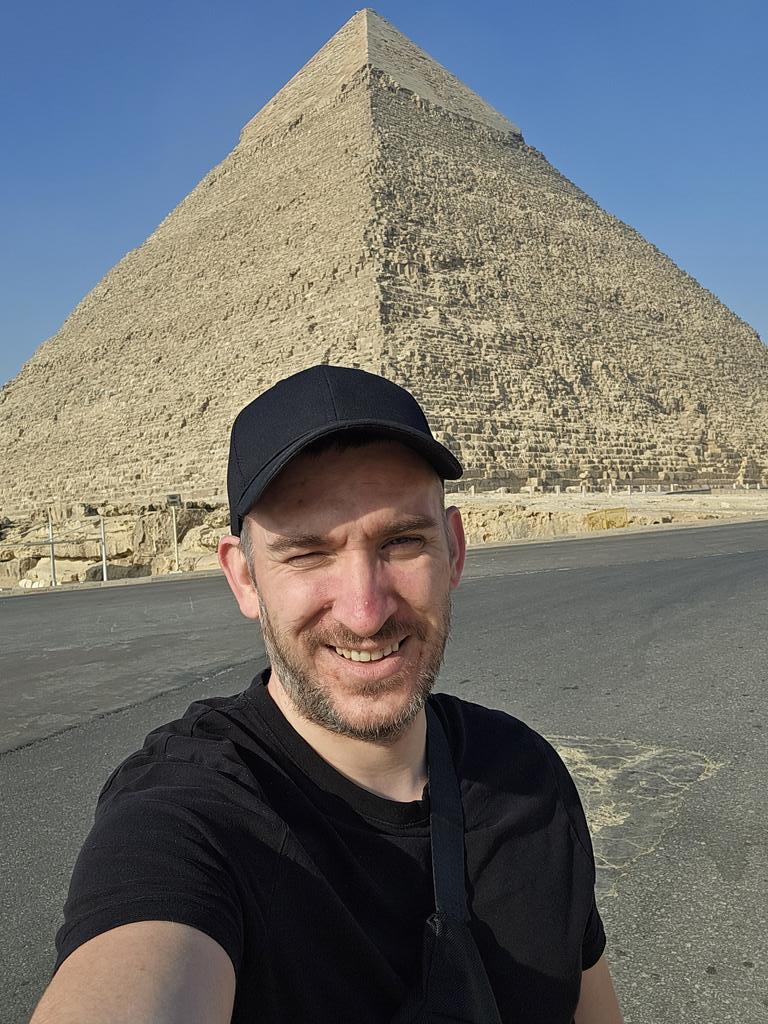
My position on the pyramids is straightforward.
Either the Egyptians built them using knowledge and techniques we've yet to fully understand, or they inherited them from an earlier civilization.
I'm open to both possibilities because, the more I investigate the evidence, the more it feels like we're missing part of the story.
Too many questions remain unanswered for me to consider the case closed.
English