
MITSolve retweetledi

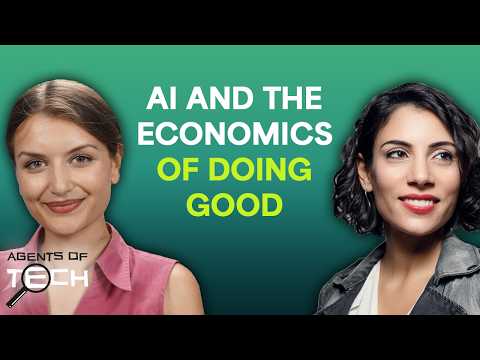
A projected $100 billion a year in new AI philanthropy is on the way, and @SolveMIT's Hala Hanna thinks counting on it to fix AI's blind spots is a mistake.
The Chronicle of Philanthropy reports the OpenAI and Anthropic founders could soon be giving away sums on that scale, and the instinct is relief, because the money AI keeps skipping is staggering: of the roughly $290 billion in AI venture capital raised since 2019, less than 1% went to social impact.
But Hala Hanna's argument cuts past the funding gap. Companies respond to incentives, she says, so the real question was never whether big tech will serve the public out of the goodness of their non-existing heart, it's under what conditions they ever will, and right now that calculus is limited to valuations and stock prices, fully disassociated from the real life of actual people.
Her deeper worry is the story underneath it, the danger of a single narrative about who gets to be an innovator and what counts as progress. If a handful of labs optimizing for valuation set AI's entire direction, a philanthropy wave just softens the edges of a system nobody else was invited to design.
So Solve isn't waiting for that conscience to kick in. It's building the alternative, public-interest AI funded and governed differently, on the bet that you change the outcome by changing who gets to build, not by hoping the incentives bend.
Which is the better bet for actually redirecting AI: building parallel public-interest models, or forcing the incentives to change through regulation?
More in the first comment.
#AI #AIGovernance #PublicInterestAI
English