Soumya Sharma
432 posts

Soumya Sharma
@SomTheBuilder
Founder @ Livo AI Helping companies turn LLMs into revenue-generating systems. Finance • Energy • Mobility • B2B AI


Saw a post by DHH earlier on how he's been using Tmux with Neovim & Claude Code. It's actually how I've been using it as well, pretty nice setup! I thought I could live without Tmux for a while, but I keep coming back to it.


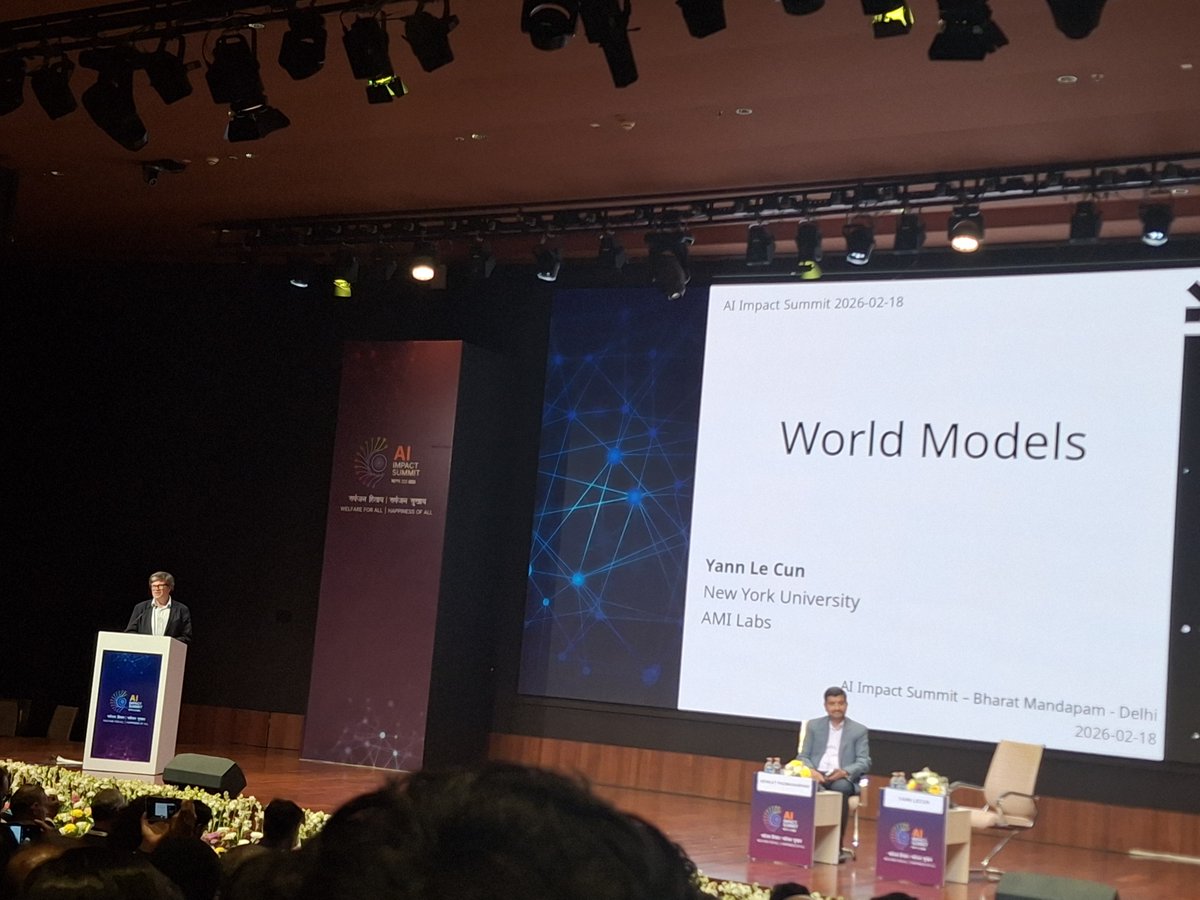
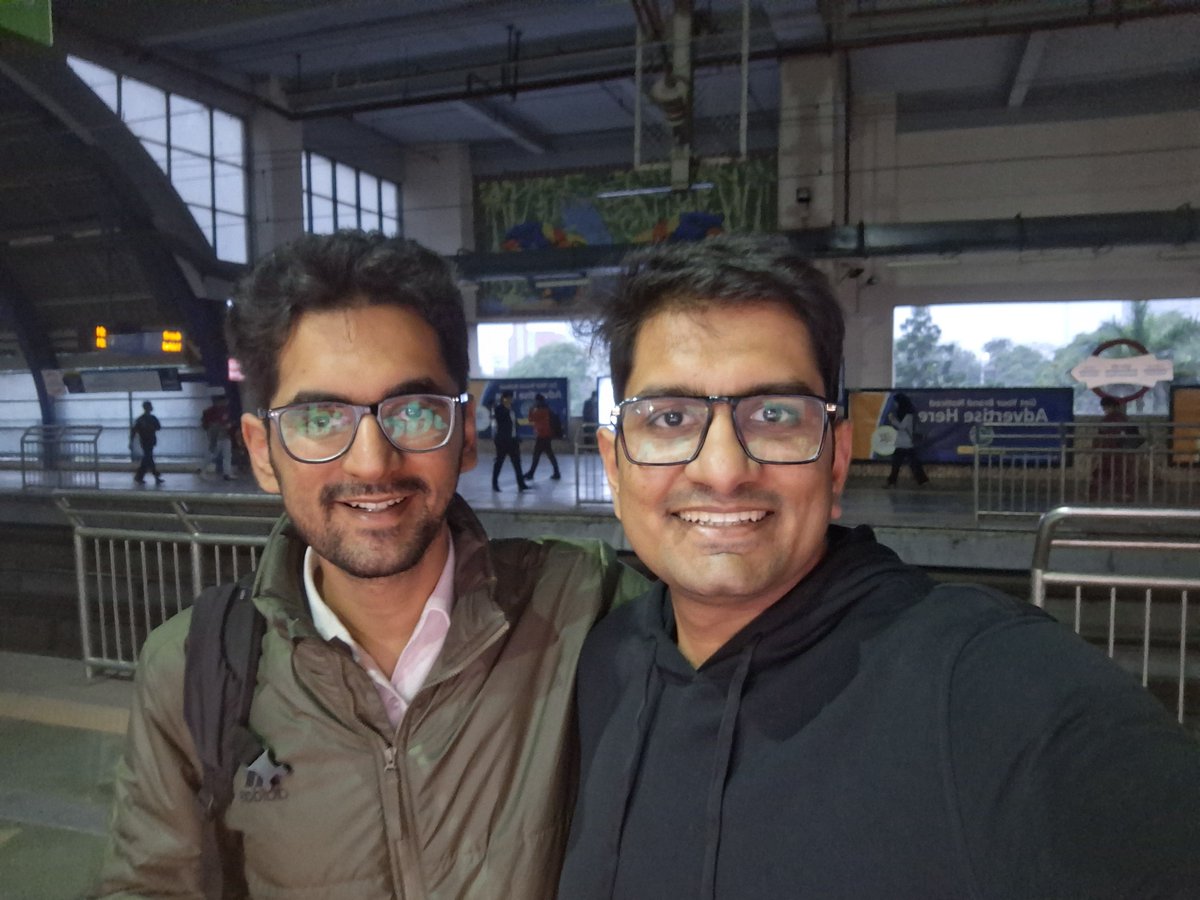
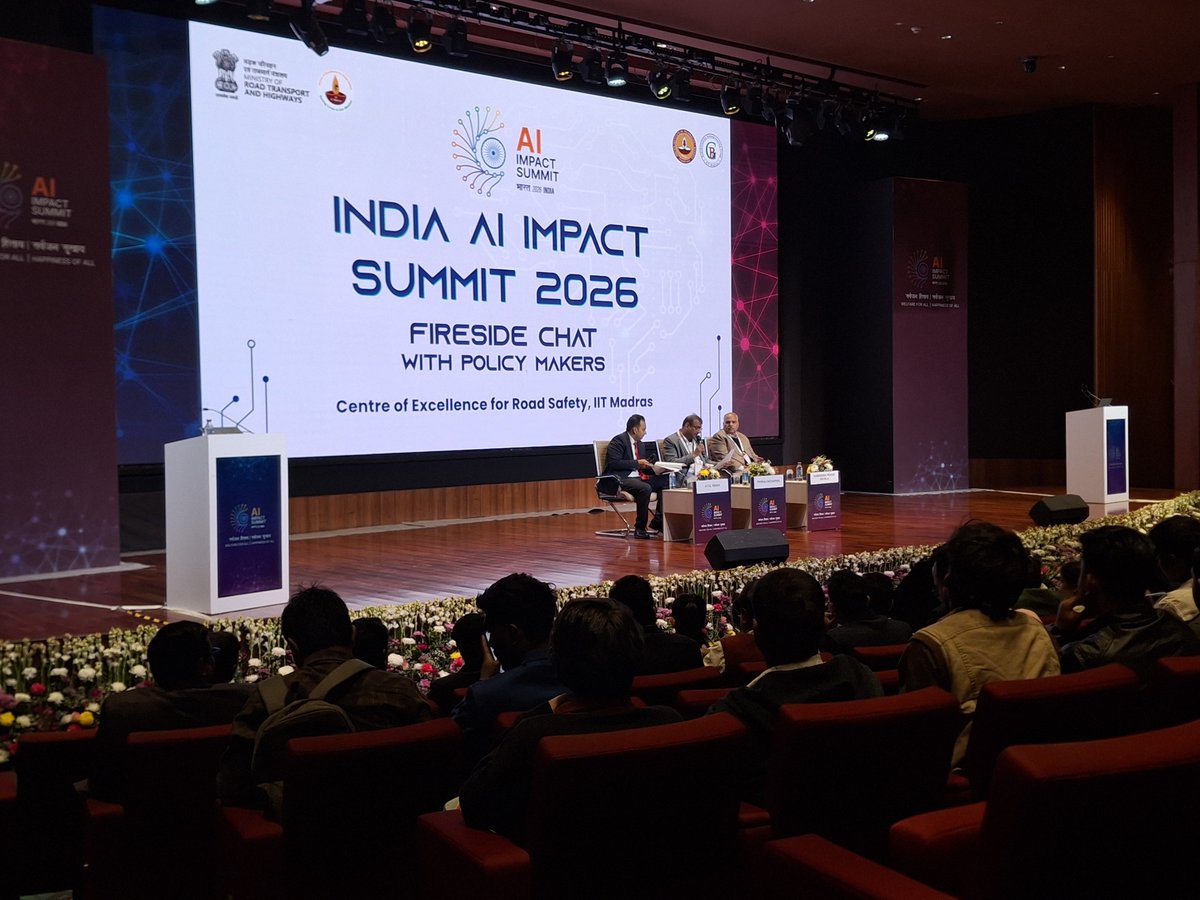
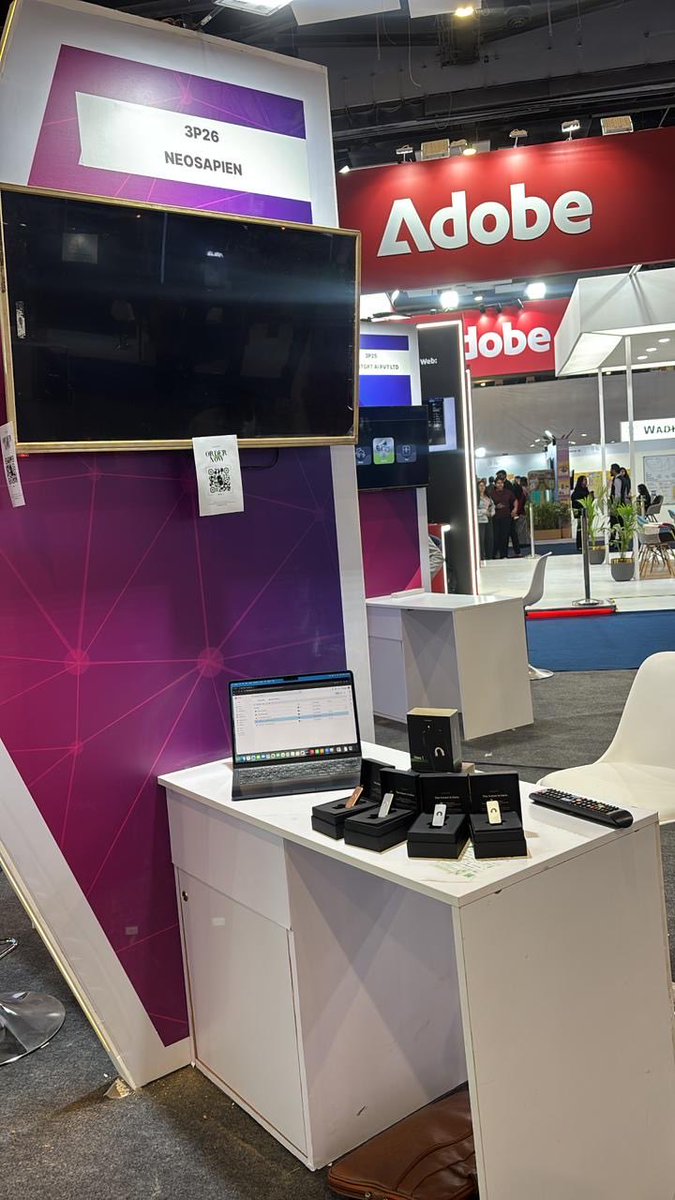
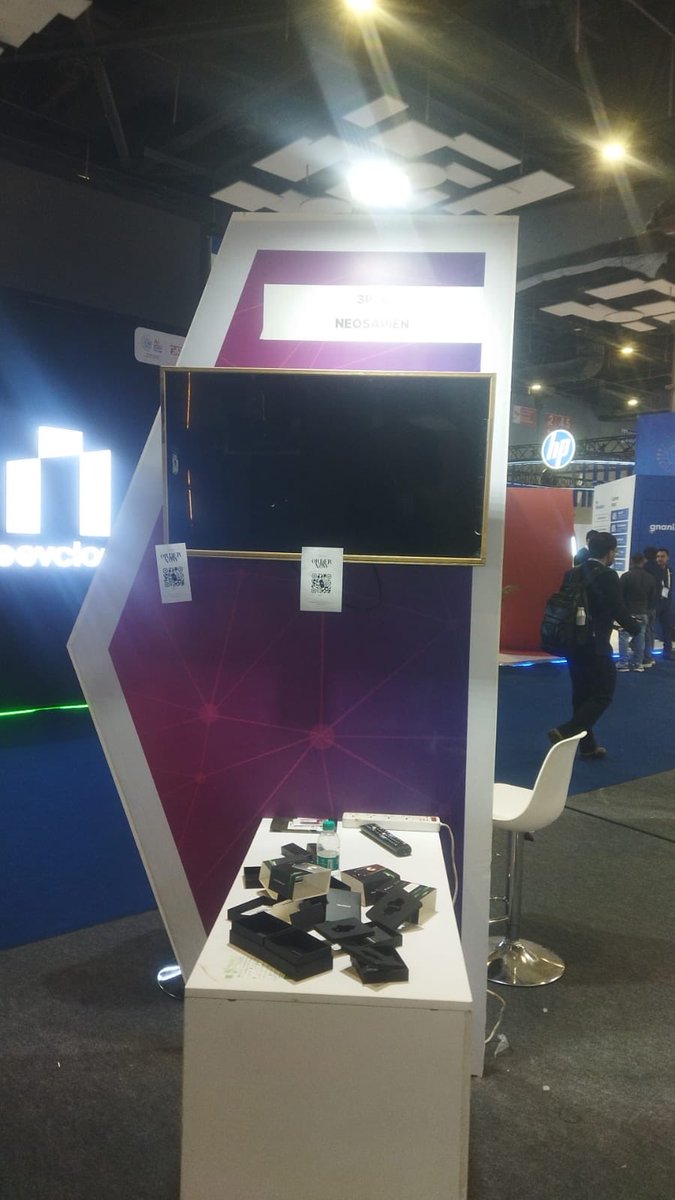
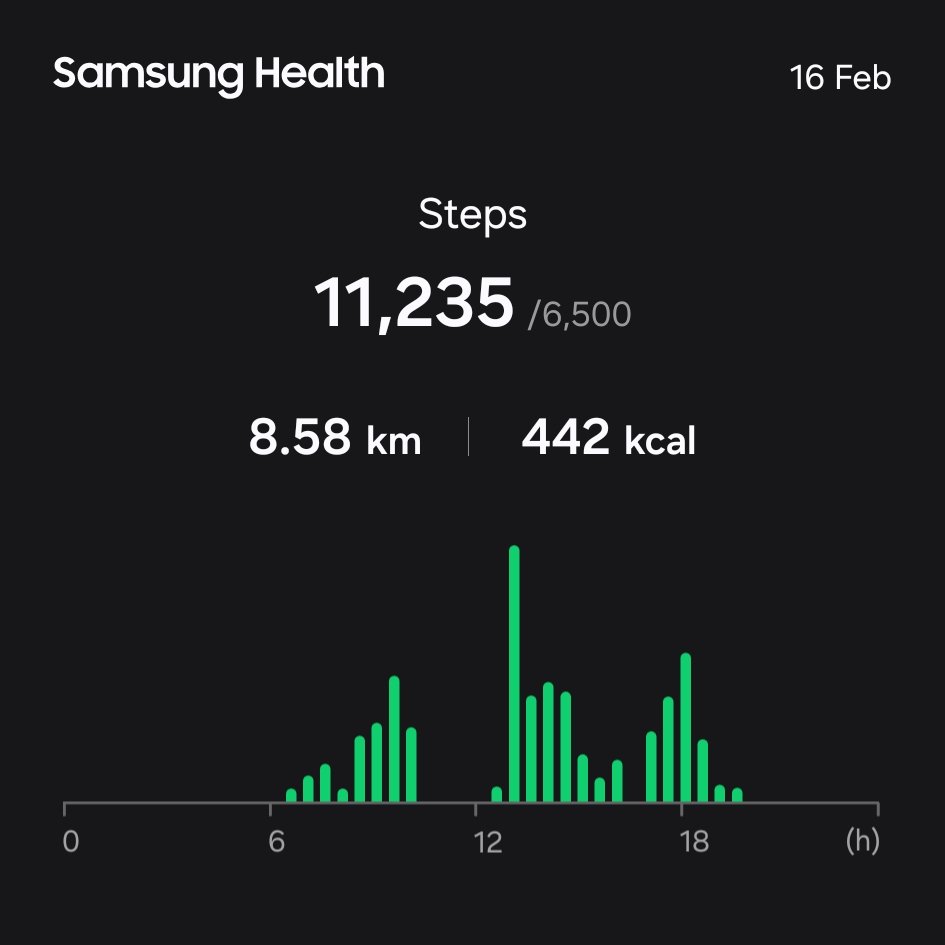
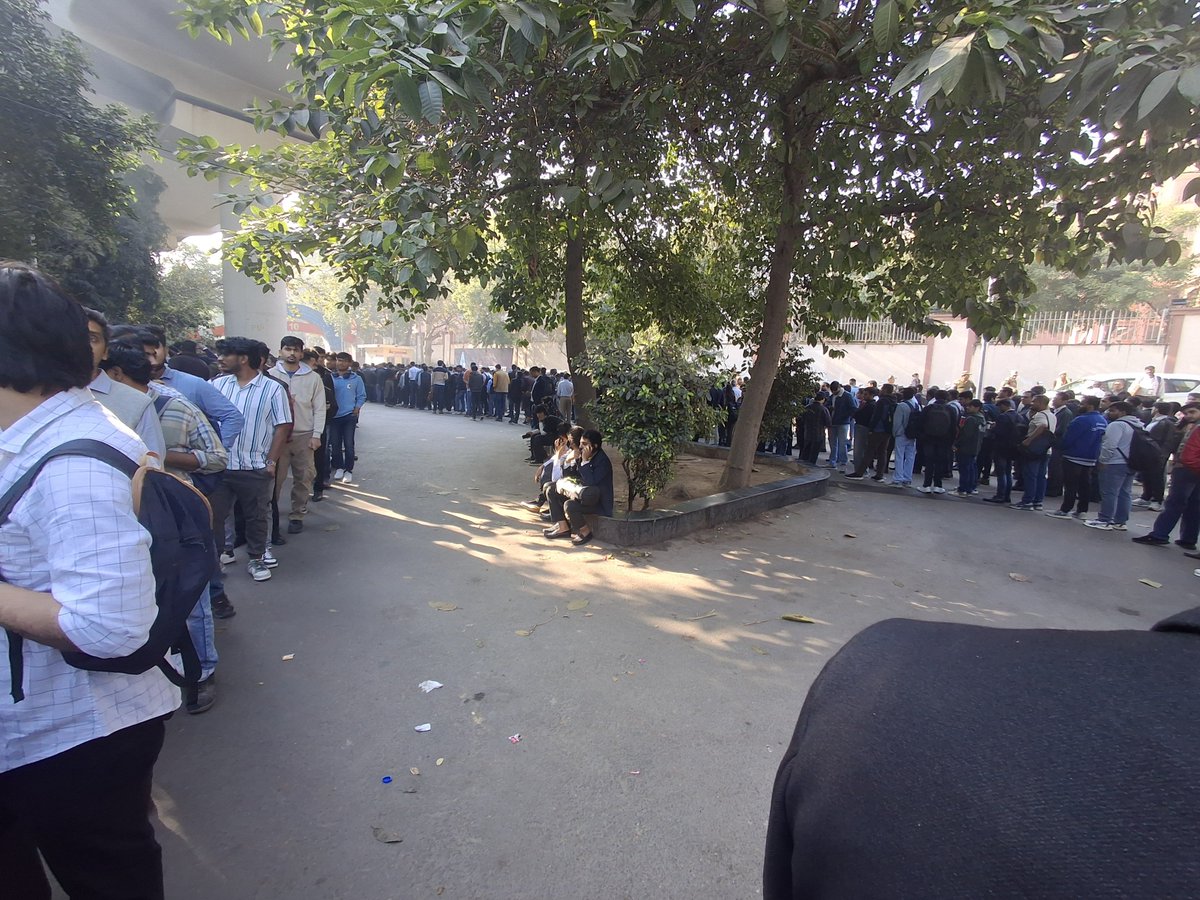
Today’s India AI summit was a disaster, and it was not our AI minds that let us down. There were many issues, but the most prominent ones are outlined below. First was crowd management. There were lines so long that you couldn’t see the end at the entry gate itself. While the first event started at 9:30 a.m., the entry gate was not opened on time. In fact, I reached there before 9:20 a.m., but I could only enter the premises at 10:10 a.m. I had to go through two or three rounds of rigorous screening to enter, and each line was nearly 300 people long. Once inside, many session rooms were not fit for the audience size. Some rooms were over-occupied, with people standing, and you couldn’t even leave your seat for fear of someone else taking it. At the same time, other auditoriums were half-empty. The venue was not at all accessible or inclusive. Construction debris was lying around. There were pylons everywhere. It was completely inaccessible for wheelchair users or visually impaired attendees. There were no signs in multiple languages. In fact, there was a lack of signage in general. The food court was extremely limited. Even basic Indian weddings know you need four or five parallel counters to manage a crowd of 300. Here, we were dealing with thousands of attendees. There was also visible segregation. Certain food and water areas were accessible only to select members and cordoned off from others. Although the session intimation mentioned that delegates could attend any session within the premises, this was not true. Many sessions were closed-door. Security even had to shut down several sessions in the west wing due to overcrowding, and many people missed out. There was no seating provided across the premises. Elderly attendees or people with children had nowhere to rest. Even in the dining area, seating was inadequate. There were barely twenty to thirty tables in total. Most people were sitting on the grass or eating standing up. Most people attend summits for networking, yet there were no proper spaces, alcoves, or side rooms to sit and talk. I was meeting a very senior professional, and we had to take shelter in a corner on Level 2 just to have a quiet conversation. I want to take nothing away from the quality of the sessions. I attended excellent discussions by disaster management professionals explaining how drone imagery is being used for better disaster response. I learned about the India Energy Stack being developed to democratize energy access and empower prosumers. I saw how AI is being deployed to improve road safety. There were many high-level applications on display and many senior professionals sharing thoughtful insights. But unless we get the basics right, we cannot claim to be utilizing AI to its fullest. AI is only part of the system. We must solve basic on-ground issues first. If we want to project an amazing image of India, we cannot afford such simple mistakes. Grateful to have met amazing people along the way who helped me survive today! #IndiaAISummit2026 #IndiaAIImpactSummit2026 #IndiaAIExpo


Today’s India AI summit was a disaster, and it was not our AI minds that let us down. There were many issues, but the most prominent ones are outlined below. First was crowd management. There were lines so long that you couldn’t see the end at the entry gate itself. While the first event started at 9:30 a.m., the entry gate was not opened on time. In fact, I reached there before 9:20 a.m., but I could only enter the premises at 10:10 a.m. I had to go through two or three rounds of rigorous screening to enter, and each line was nearly 300 people long. Once inside, many session rooms were not fit for the audience size. Some rooms were over-occupied, with people standing, and you couldn’t even leave your seat for fear of someone else taking it. At the same time, other auditoriums were half-empty. The venue was not at all accessible or inclusive. Construction debris was lying around. There were pylons everywhere. It was completely inaccessible for wheelchair users or visually impaired attendees. There were no signs in multiple languages. In fact, there was a lack of signage in general. The food court was extremely limited. Even basic Indian weddings know you need four or five parallel counters to manage a crowd of 300. Here, we were dealing with thousands of attendees. There was also visible segregation. Certain food and water areas were accessible only to select members and cordoned off from others. Although the session intimation mentioned that delegates could attend any session within the premises, this was not true. Many sessions were closed-door. Security even had to shut down several sessions in the west wing due to overcrowding, and many people missed out. There was no seating provided across the premises. Elderly attendees or people with children had nowhere to rest. Even in the dining area, seating was inadequate. There were barely twenty to thirty tables in total. Most people were sitting on the grass or eating standing up. Most people attend summits for networking, yet there were no proper spaces, alcoves, or side rooms to sit and talk. I was meeting a very senior professional, and we had to take shelter in a corner on Level 2 just to have a quiet conversation. I want to take nothing away from the quality of the sessions. I attended excellent discussions by disaster management professionals explaining how drone imagery is being used for better disaster response. I learned about the India Energy Stack being developed to democratize energy access and empower prosumers. I saw how AI is being deployed to improve road safety. There were many high-level applications on display and many senior professionals sharing thoughtful insights. But unless we get the basics right, we cannot claim to be utilizing AI to its fullest. AI is only part of the system. We must solve basic on-ground issues first. If we want to project an amazing image of India, we cannot afford such simple mistakes. Grateful to have met amazing people along the way who helped me survive today! #IndiaAISummit2026 #IndiaAIImpactSummit2026 #IndiaAIExpo


Heading to India AI Impact Summit 2026 today