Spirit Warrior 🔥
741 posts

Spirit Warrior 🔥
@SpiritBroDude
Welcome to the fight ⚔️ This world needs you All the best that you have Your persistence 💪 Your courage 🛡️ Your kindness ❤️ Your compassion 🤝 Unleash it 🔥
Katılım Aralık 2023
109 Takip Edilen54 Takipçiler

@cryptorover The release to Trump family accounts I guess 🤣
English

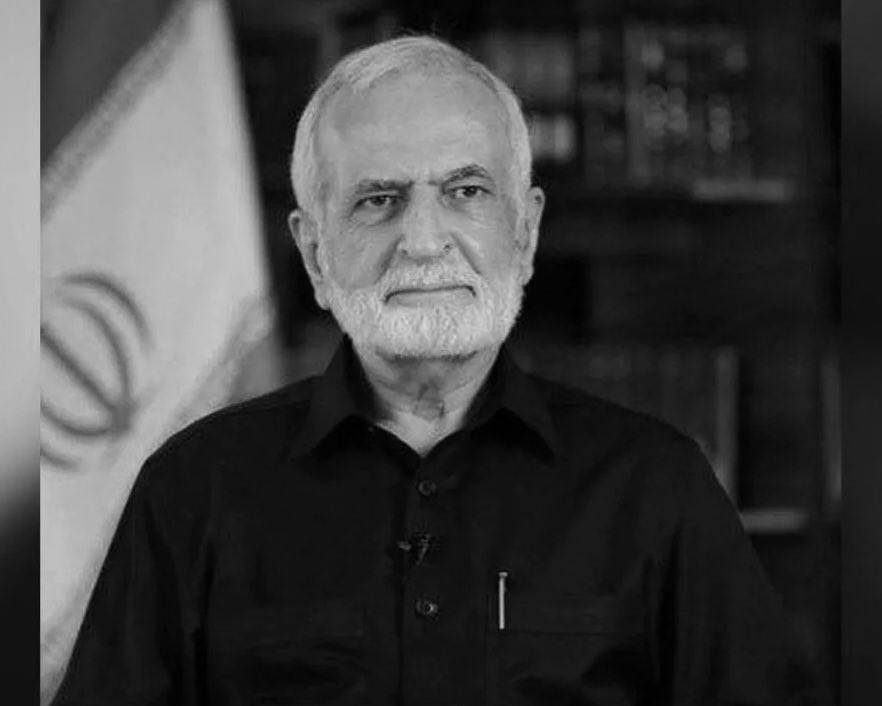
I was deeply saddened to learn of the passing of Dr Kamal Kharazi, former Foreign Minister of Iran whose untimely death came from the wounds inflicted by Zionist terrorist attacks.
I first came to know Dr Kharazi during his years as Iran’s envoy to the United Nations in New York, and our friendship carried through his distinguished tenure as Foreign Minister. He was a man of rare learning and genuine warmth: always thoughtful, always gracious.
The world has lost an exceptional diplomat and I have lost a dear friend. My heartfelt condolences to his family and to the people of Iran. His passing is a reminder of the terrible cost of this conflict. This war must end.
ANWAR IBRAHIM
Photo: Awani

English

YOUR BATTLE MATTERS.
YOUR STRUGGLE IS PART OF SOMETHING GREATER.
EVERY VICTORY OVER YOURSELF SHIFTS THE WORLD.
YOUR RESILIENCE FUELS THE LIGHT.
YOU ARE NOT GOING THROUGH THIS FOR NOTHING.
YOUR PATH HAS MEANING.
EVEN IF NO ONE SEES YOUR FIGHT — IT STILL MATTERS.
THE WORLD STANDS ON THE QUIET STRENGTH OF PEOPLE LIKE YOU.
YOUR STRUGGLE IS SHAPING THE FUTURE.
YOUR HONESTY IN THE FIGHT CARRIES WEIGHT.
DON’T EVER DIMINISH YOUR BATTLE.
English

@brewerov Ну одно дело, когда Германия и Франция на наших глазах за последние 5 лет демонтировали демократию и свободу слова у себя в странах. Россия и Китай совершенно в другой лиге в этом плане.
Русский

Дуров напоминает Кадырова. Тот любит покричать про притяснение мусульман в каком-то богом забытом русском захолустье, прислать своих бородатых падаванов запугать одинокого священника или детей. Но напрочь не замечает геноцид мусульман в Китае, где уйгуров просто уничтожают именно за веру.
Так и Дуров, петухом прыгает на европейцев, но тихо посапывает, когда его телегу блокирует Путин или когда интернет перекрывают китайцы или арабы.
Вот моська, знать, она сильна, что лает на слона.

Русский

@araghchi Looking forward to hearing about your death under US bombs, chap 🍾
English

Who started this mess, you idiot?
Department of State@StateDept
SECRETARY RUBIO: The whole world has been impacted unfortunately because Iran is violating every law known by striking commercial vessels in the Straits of Hormuz. Iran is a regime that doesn’t believe in laws, rules, or anything like that. It’s a state sponsor of terrorism.
English

@NewsDayMundo "demands the release of its frozen assets within a maximum period of two weeks" - or what?
English

@jtevelow That is true indeed, Russia have been trading oil for BTC a few years now.
English

Yeah but the concept puts game theory in motion. Every nation is now considering Bitcoin for trade deals. Every nation is now looking at Bitcoin as a reserve asset. Not one or two. Every nation. This is the power of Game theory. There is no off button. The game is global. The speed of the game only accelerates. Forget about Iran. This can only mean one thing for Bitcoin.
English


When we talk about the current outcome of the war, I want to recall the words of Russian combat general Alexander Lebed:
“All wars - even those that last a hundred years - end the same way: with negotiations and peace.
For me, the question has long been: is it worth piling up mountains of the dead, reducing the work of generations to ashes, only to sit down and negotiate anyway?
Maybe this uncivilized part should be excluded altogether?”
💡 This quote fully applies to Iran’s situation today - and does not reflect the position of the United States.
📌 In fact, the U.S. and Iran are now returning to negotiations with essentially the same agenda they had before the war.
⚠️ But:
- In Iran, the people who made decisions in the previous negotiations - the same ones whose positions prevented Donald Trump from reaching a deal - are now dead
- A significant part of Iran’s military and industrial infrastructure has been destroyed
💀 So the “mountains of the dead” and the work of generations reduced to ashes - this is the reality on one side of the negotiating table, on Iran’s side.
🤝 On the other side - from JD Vance:
“Alright, let’s try to reach an agreement again.”
💣 I also like a recent post by Ukrainian military analyst Oleksii Arestovych @arestovych - How to look at “who is winning.”
He wrote:
There are four layers of winning:
1️⃣ Battlefield
“We repelled the Russian meat assault!”
2️⃣ Military campaign
“We liberated Kherson!”
3️⃣ Economy
“We crippled Russian oil exports.”
4️⃣ Future framework
“Who will write the rules of the post-war world?”
Most people look only at layer 1.
👉 Here I’ll add from myself: right now everyone is focused on the battlefield, where Iran is demanding money from oil tankers - and some amount, literally a few cases, has been paid. It seems it hasn’t even reached 5 payments so far.
And then Oleksii writes:
The US / Israel didn’t bother with levels one and two at all.
They pushed Iran’s military economy back into the stone age, reducing its military capabilities.
For Israel, this is a clear level three victory.
What remains is the question of Iran’s proxy wars against Israel and the fate of the Abraham Accords - that is, the rules of level four.
For the US - a clear level three victory, and an almost guaranteed victory at level four.
📍 Checkpoints:
• Will Iran conduct proxy wars?
• Rules of oil sales / transit
• Relations with Gulf states, China, NATO, EU
As you can see, for now, at the fourth level, real information is held by maybe a hundred people in the world.
And for the broader public - “experts in defeats” - it will become clear (if they want to understand it) no earlier than in six months to a year.
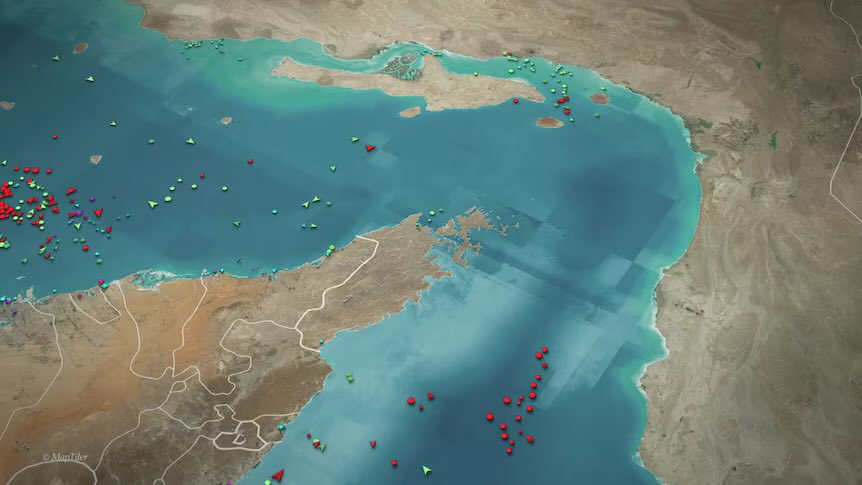
🌊⚓ As for the Strait of Hormuz let's take a look at what’s actually happening on the ground - or rather, on the water.
Where did this whole “payments” story even come from?
Iran has placed naval mines in the area where ships normally pass 🚢💣
As a result, that part of the strait is currently unsafe for navigation.
Iran is offering vessels an alternative route through its territorial waters - and that’s the basis on which it wants to charge fees 💰
So technically, the U.S. and the Persian Gulf states need to:
🧭 Clear (demine) the traditional route - which isn’t too difficult, since only a limited number of mines were deployed
🚤 Establish patrols along the traditional route and impose a quarantine on the Iranian side of the gulf - also not overly difficult, but it would require producing several hundred additional naval drones
(these are essentially autonomous boats the size of a small yacht)
So even if the U.S. does not reach a deal with Iran, and the conflict or standoff continues, the strait can still be reopened 🔓
My assumption is that orders for naval drones from U.S. manufacturers are already at 100% of production capacity and looking to expand ⚙️🇺🇸
while the demining operations are likely already underway 🧨➡️🧼
In other words, ships are not doomed to always pass through Iranian territorial waters or constantly face demands for fees or declarations 🚢❌💰
English

When we talk about the current outcome of the war, I want to recall the words of Russian combat general Alexander Lebed:
“All wars - even those that last a hundred years - end the same way: with negotiations and peace.
For me, the question has long been: is it worth piling up mountains of the dead, reducing the work of generations to ashes, only to sit down and negotiate anyway?
Maybe this uncivilized part should be excluded altogether?”
💡 This quote fully applies to Iran’s situation today - and does not reflect the position of the United States.
📌 In fact, the U.S. and Iran are now returning to negotiations with essentially the same agenda they had before the war.
⚠️ But:
- In Iran, the people who made decisions in the previous negotiations - the same ones whose positions prevented Donald Trump from reaching a deal - are now dead
- A significant part of Iran’s military and industrial infrastructure has been destroyed
💀 So the “mountains of the dead” and the work of generations reduced to ashes - this is the reality on one side of the negotiating table, on Iran’s side.
🤝 On the other side - from JD Vance:
“Alright, let’s try to reach an agreement again.”
💣 I also like a recent post by Ukrainian military analyst Oleksii Arestovych @arestovych - How to look at “who is winning.”
He wrote:
There are four layers of winning:
1️⃣ Battlefield
“We repelled the Russian meat assault!”
2️⃣ Military campaign
“We liberated Kherson!”
3️⃣ Economy
“We crippled Russian oil exports.”
4️⃣ Future framework
“Who will write the rules of the post-war world?”
Most people look only at layer 1.
👉 Here I’ll add from myself: right now everyone is focused on the battlefield, where Iran is demanding money from oil tankers - and some amount, literally a few cases, has been paid. It seems it hasn’t even reached 5 payments so far.
And then Oleksii writes:
The US / Israel didn’t bother with levels one and two at all.
They pushed Iran’s military economy back into the stone age, reducing its military capabilities.
For Israel, this is a clear level three victory.
What remains is the question of Iran’s proxy wars against Israel and the fate of the Abraham Accords - that is, the rules of level four.
For the US - a clear level three victory, and an almost guaranteed victory at level four.
📍 Checkpoints:
• Will Iran conduct proxy wars?
• Rules of oil sales / transit
• Relations with Gulf states, China, NATO, EU
As you can see, for now, at the fourth level, real information is held by maybe a hundred people in the world.
And for the broader public - “experts in defeats” - it will become clear (if they want to understand it) no earlier than in six months to a year.
🌊⚓ As for the Strait of Hormuz let's take a look at what’s actually happening on the ground - or rather, on the water.
Where did this whole “payments” story even come from?
Iran has placed naval mines in the area where ships normally pass 🚢💣
As a result, that part of the strait is currently unsafe for navigation.
Iran is offering vessels an alternative route through its territorial waters - and that’s the basis on which it wants to charge fees 💰
So technically, the U.S. and the Persian Gulf states need to:
🧭 Clear (demine) the traditional route - which isn’t too difficult, since only a limited number of mines were deployed
🚤 Establish patrols along the traditional route and impose a quarantine on the Iranian side of the gulf - also not overly difficult, but it would require producing several hundred additional naval drones
(these are essentially autonomous boats the size of a small yacht)
So even if the U.S. does not reach a deal with Iran, and the conflict or standoff continues, the strait can still be reopened 🔓
My assumption is that orders for naval drones from U.S. manufacturers are already at 100% of production capacity and looking to expand ⚙️🇺🇸
while the demining operations are likely already underway 🧨➡️🧼
In other words, ships are not doomed to always pass through Iranian territorial waters or constantly face demands for fees or declarations 🚢❌💰
English

When we talk about the current outcome of the war, I want to recall the words of Russian combat general Alexander Lebed:
“All wars - even those that last a hundred years - end the same way: with negotiations and peace.
For me, the question has long been: is it worth piling up mountains of the dead, reducing the work of generations to ashes, only to sit down and negotiate anyway?
Maybe this uncivilized part should be excluded altogether?”
💡 This quote fully applies to Iran’s situation today - and does not reflect the position of the United States.
📌 In fact, the U.S. and Iran are now returning to negotiations with essentially the same agenda they had before the war.
⚠️ But:
- In Iran, the people who made decisions in the previous negotiations - the same ones whose positions prevented Donald Trump from reaching a deal - are now dead
- A significant part of Iran’s military and industrial infrastructure has been destroyed
💀 So the “mountains of the dead” and the work of generations reduced to ashes - this is the reality on one side of the negotiating table, on Iran’s side.
🤝 On the other side - from JD Vance:
“Alright, let’s try to reach an agreement again.”
💣 I also like a recent post by Ukrainian military analyst Oleksii Arestovych @arestovych - How to look at “who is winning.”
He wrote:
There are four layers of winning:
1️⃣ Battlefield
“We repelled the Russian meat assault!”
2️⃣ Military campaign
“We liberated Kherson!”
3️⃣ Economy
“We crippled Russian oil exports.”
4️⃣ Future framework
“Who will write the rules of the post-war world?”
Most people look only at layer 1.
👉 Here I’ll add from myself: right now everyone is focused on the battlefield, where Iran is demanding money from oil tankers - and some amount, literally a few cases, has been paid. It seems it hasn’t even reached 5 payments so far.
And then Oleksii writes:
The US / Israel didn’t bother with levels one and two at all.
They pushed Iran’s military economy back into the stone age, reducing its military capabilities.
For Israel, this is a clear level three victory.
What remains is the question of Iran’s proxy wars against Israel and the fate of the Abraham Accords - that is, the rules of level four.
For the US - a clear level three victory, and an almost guaranteed victory at level four.
📍 Checkpoints:
• Will Iran conduct proxy wars?
• Rules of oil sales / transit
• Relations with Gulf states, China, NATO, EU
As you can see, for now, at the fourth level, real information is held by maybe a hundred people in the world.
And for the broader public - “experts in defeats” - it will become clear (if they want to understand it) no earlier than in six months to a year.
English

Let’s clarify this:
Iran is currently not earning any money from the strait.
The number of payments has likely not even reached five transactions so far.
📌 Moreover, there is no financial or legal infrastructure in place that would allow Iran to generate significant revenue from allowing ships to pass.
💭 The idea that Iran could generate billions a year is nothing more than wishful thinking.
📊 Let’s look at the hard facts:
🔹 Iran remains under sanctions
🔹 The Islamic Revolutionary Guard Corps is designated as a terrorist organization in the United States and other jurisdictions
🔹 Any payment for passage creates serious legal exposure:
→ risk of criminal liability
→ potential charges of financing terrorism
→ violation of sanctions regimes
🔹 Crypto is not a workaround:
→ transactions are traceable
→ additional evidence exists (communications with Iranian counterparts, internal company records, etc.)
⚠️ In short: a payment for the Strait of Hormuz passage is a crime with a clear audit trail
Some smaller operators may take the risk.
Major carriers will choose not to risk their business, сarriers operating with the UAE, Saudi Arabia, the United States, or EU would certainly not take such a risk.
🌊⚓ Let’s also clarify what’s actually happening on the ground - or rather, on the water.
Where did this whole “payments” story even come from?
Iran has placed naval mines in the area where ships normally pass 🚢💣
As a result, that part of the strait is currently unsafe for navigation.
Iran is offering vessels an alternative route through its territorial waters - and that’s the basis on which it wants to charge fees 💰
So technically, the U.S. and the Persian Gulf states need to:
🧭 Clear (demine) the traditional route - which isn’t too difficult, since only a limited number of mines were deployed
🚤 Establish patrols along the traditional route and impose a quarantine on the Iranian side of the gulf - also not overly difficult, but it would require producing several hundred additional naval drones
(these are essentially autonomous boats the size of a small yacht)
So even if the U.S. does not reach a deal with Iran, and the conflict or standoff continues, the strait can still be reopened 🔓
My assumption is that orders for naval drones from U.S. manufacturers are already at 100% of production capacity and looking to expand ⚙️🇺🇸
while the demining operations are likely already underway 🧨➡️🧼
In other words, ships are not doomed to always pass through Iranian territorial waters or constantly face demands for fees or declarations 🚢❌💰
English

Let’s clarify this:
Iran is currently not earning any money from the strait.
The number of payments has likely not even reached five transactions so far.
📌 Moreover, there is no financial or legal infrastructure in place that would allow Iran to generate significant revenue from allowing ships to pass.
💭 The idea that Iran could generate billions a year is nothing more than wishful thinking.
📊 Let’s look at the hard facts:
🔹 Iran remains under sanctions
🔹 The Islamic Revolutionary Guard Corps is designated as a terrorist organization in the United States and other jurisdictions
🔹 Any payment for passage creates serious legal exposure:
→ risk of criminal liability
→ potential charges of financing terrorism
→ violation of sanctions regimes
🔹 Crypto is not a workaround:
→ transactions are traceable
→ additional evidence exists (communications with Iranian counterparts, internal company records, etc.)
⚠️ In short: a payment for the Strait of Hormuz passage is a crime with a clear audit trail
Some smaller operators may take the risk.
Major carriers will choose not to risk their business, сarriers operating with the UAE, Saudi Arabia, the United States, or EU would certainly not take such a risk.
🌊⚓ Let’s also clarify what’s actually happening on the ground - or rather, on the water.
Where did this whole “payments” story even come from?
Iran has placed naval mines in the area where ships normally pass 🚢💣
As a result, that part of the strait is currently unsafe for navigation.
Iran is offering vessels an alternative route through its territorial waters - and that’s the basis on which it wants to charge fees 💰
So technically, the U.S. and the Persian Gulf states need to:
🧭 Clear (demine) the traditional route - which isn’t too difficult, since only a limited number of mines were deployed
🚤 Establish patrols along the traditional route and impose a quarantine on the Iranian side of the gulf - also not overly difficult, but it would require producing several hundred additional naval drones
(these are essentially autonomous boats the size of a small yacht)
So even if the U.S. does not reach a deal with Iran, and the conflict or standoff continues, the strait can still be reopened 🔓
My assumption is that orders for naval drones from U.S. manufacturers are already at 100% of production capacity and looking to expand ⚙️🇺🇸
while the demining operations are likely already underway 🧨➡️🧼
In other words, ships are not doomed to always pass through Iranian territorial waters or constantly face demands for fees or declarations 🚢❌💰
English

Let’s clarify this:
Iran is currently not earning any money from the strait.
The number of payments has likely not even reached five transactions so far.
📌 Moreover, there is no financial or legal infrastructure in place that would allow Iran to generate significant revenue from allowing ships to pass.
💭 The idea that Iran could generate billions a year is nothing more than wishful thinking.
📊 Let’s look at the hard facts:
🔹 Iran remains under sanctions
🔹 The Islamic Revolutionary Guard Corps is designated as a terrorist organization in the United States and other jurisdictions
🔹 Any payment for passage creates serious legal exposure:
→ risk of criminal liability
→ potential charges of financing terrorism
→ violation of sanctions regimes
🔹 Crypto is not a workaround:
→ transactions are traceable
→ additional evidence exists (communications with Iranian counterparts, internal company records, etc.)
⚠️ In short: a payment for the Strait of Hormuz passage is a crime with a clear audit trail
Some smaller operators may take the risk.
Major carriers will choose not to risk their business, сarriers operating with the UAE, Saudi Arabia, the United States, or EU would certainly not take such a risk.
🌊⚓ Let’s also clarify what’s actually happening on the ground - or rather, on the water.
Where did this whole “payments” story even come from?
Iran has placed naval mines in the area where ships normally pass 🚢💣
As a result, that part of the strait is currently unsafe for navigation.
Iran is offering vessels an alternative route through its territorial waters - and that’s the basis on which it wants to charge fees 💰
So technically, the U.S. and the Persian Gulf states need to:
🧭 Clear (demine) the traditional route - which isn’t too difficult, since only a limited number of mines were deployed
🚤 Establish patrols along the traditional route and impose a quarantine on the Iranian side of the gulf - also not overly difficult, but it would require producing several hundred additional naval drones
(these are essentially autonomous boats the size of a small yacht)
So even if the U.S. does not reach a deal with Iran, and the conflict or standoff continues, the strait can still be reopened 🔓
My assumption is that orders for naval drones from U.S. manufacturers are already at 100% of production capacity and looking to expand ⚙️🇺🇸
while the demining operations are likely already underway 🧨➡️🧼
In other words, ships are not doomed to always pass through Iranian territorial waters or constantly face demands for fees or declarations 🚢❌💰
English