Steve Karlin, Ed.D.

683 posts

Steve Karlin, Ed.D.

Steve Karlin, Ed.D.

@StKarlin

Assistant Professor, Newman University; KASB Leadership Consultant

Katılım Aralık 2011
516 Takip Edilen826 Takipçiler
Steve Karlin, Ed.D. retweetledi
Don Hineman
Don Hineman@DonHineman·
@TyMastersonKS Hey, Ty. Kansas State Board of Education and local school boards rightfully have jurisdiction over this matter. Stay in your lane. “Smaller government”, my ass!
English
1
2
23
584
Steve Karlin, Ed.D. retweetledi
𝒟𝓇. 𝒞𝑜𝓇𝓎 𝒢𝒾𝒷𝓈𝑜𝓃
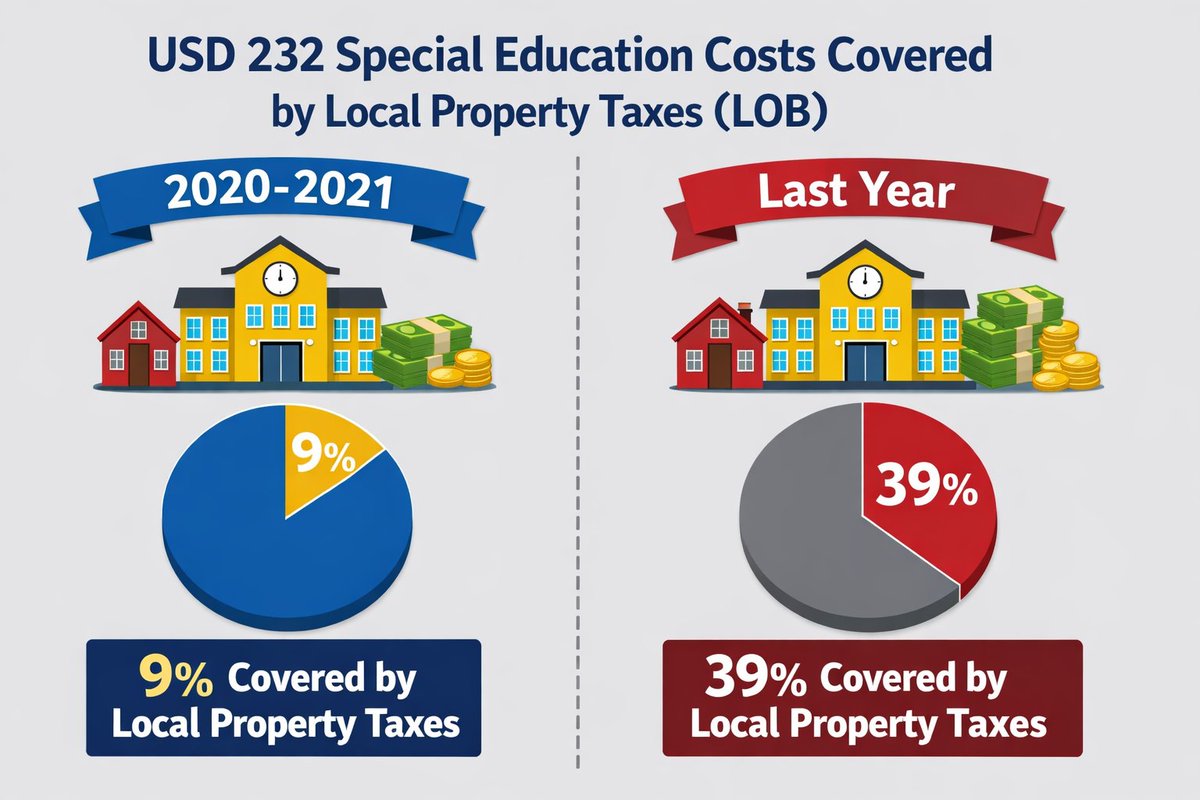
The insufficient federal and state funding for special education is forcing districts to divert General Fund resources intended for all students. It is also increasing pressure on our Local Option Budget (LOB), which is mainly funded through local property taxes.
𝒟𝓇. 𝒞𝑜𝓇𝓎 𝒢𝒾𝒷𝓈𝑜𝓃 tweet media
English
1
4
5
239
Steve Karlin, Ed.D. retweetledi
USA-Kansas
USA-Kansas@USAKansas·
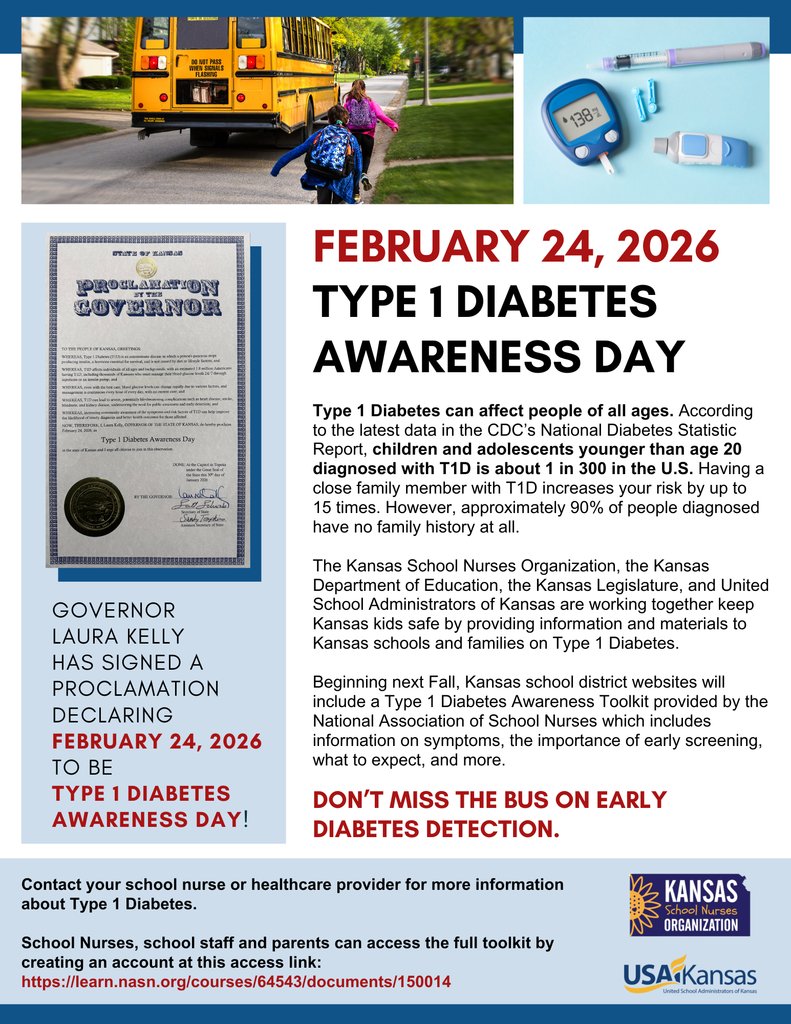
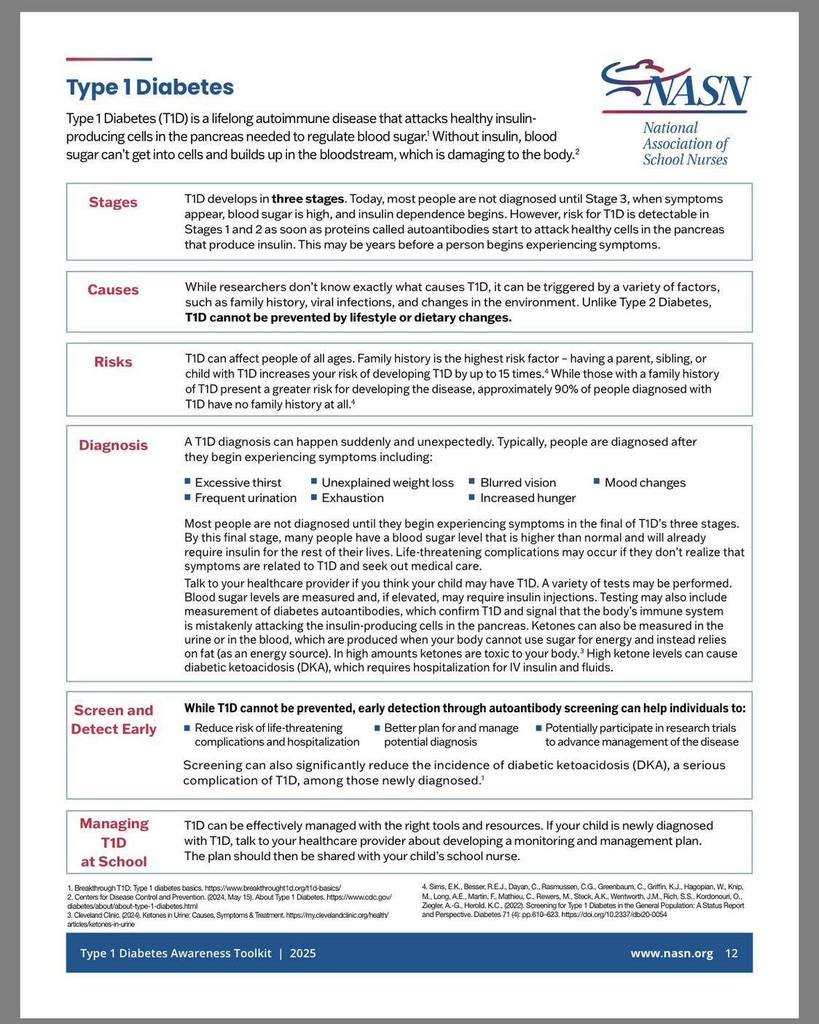
Type 1 Diabetes affects 1.8M Americans, including thousands in KS managing blood sugar 24/7. Early awareness saves lives. The Kansas School Nurses Organization, KSDE, the Kansas Legislature & USA-Kansas are partnering to keep Kansas kids safe by raising awareness.
USA-Kansas tweet mediaUSA-Kansas tweet media
English
0
1
1
78
Steve Karlin, Ed.D. retweetledi
Garden City Public Schools USD 457
The GCHS JROTC program received the Army JROTC Program for Accreditation Honor Unit of Distinction. An Honor Unit with Distinction is the highest award for an Army JROTC program, recognizing exceptional performance and leadership, symbolized by a gold star on the unit's guidon.
Garden City Public Schools USD 457 tweet media
English
0
1
1
73
Steve Karlin, Ed.D. retweetledi
turing_hamster
turing_hamster@turing_hamster·
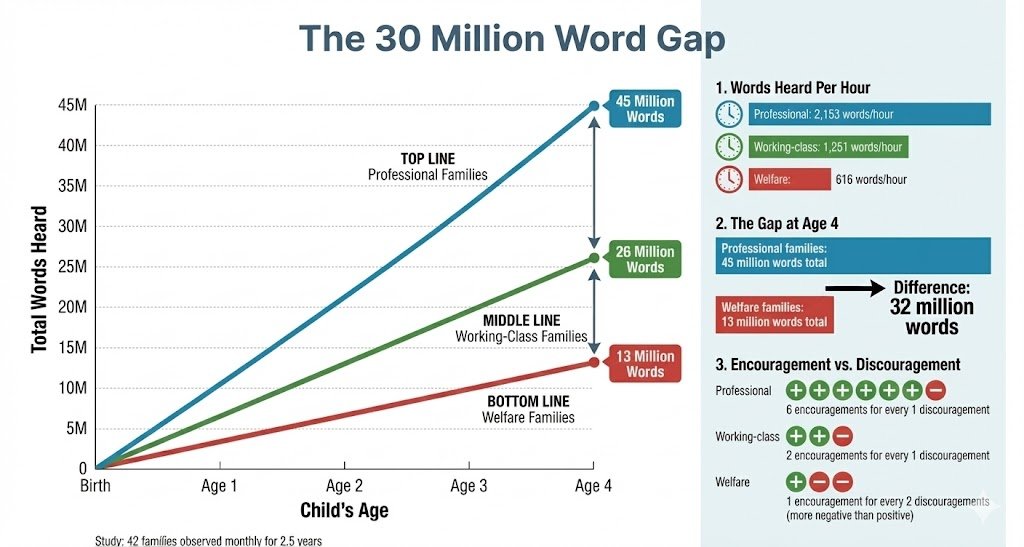
one of the best gifts you can give your child is one of the simplest, and completely free (in terms of money) the "30 Million Word Gap" study is one of the most cited pieces of research in early childhood education researchers followed 42 families for 2.5 years, recording every word. by age 3, children in professional families had heard 45 million words. kids in poverty: 13 million the ramifications are long-lasting. even at ages 9-10, the kids exposed to more words had stronger language skills, vocabulary, and reading comprehension there is also a socioeconomic disparity here. the good news is, this may be solvable by simple talking more! the bad news is, it may be harder than it sounds. perhaps the disparity exists in the first place because low-SES parents focus more on making ends meet than talking to their kids so to summarize — you should be talk-maxxing as much as you can! narrate your day, respond to their babbling, read to them. talking is all you need
turing_hamster tweet media
English
194
1.1K
11.3K
1.4M
Steve Karlin, Ed.D. retweetledi
Mr PitBull
Mr PitBull@MrPitbull07·
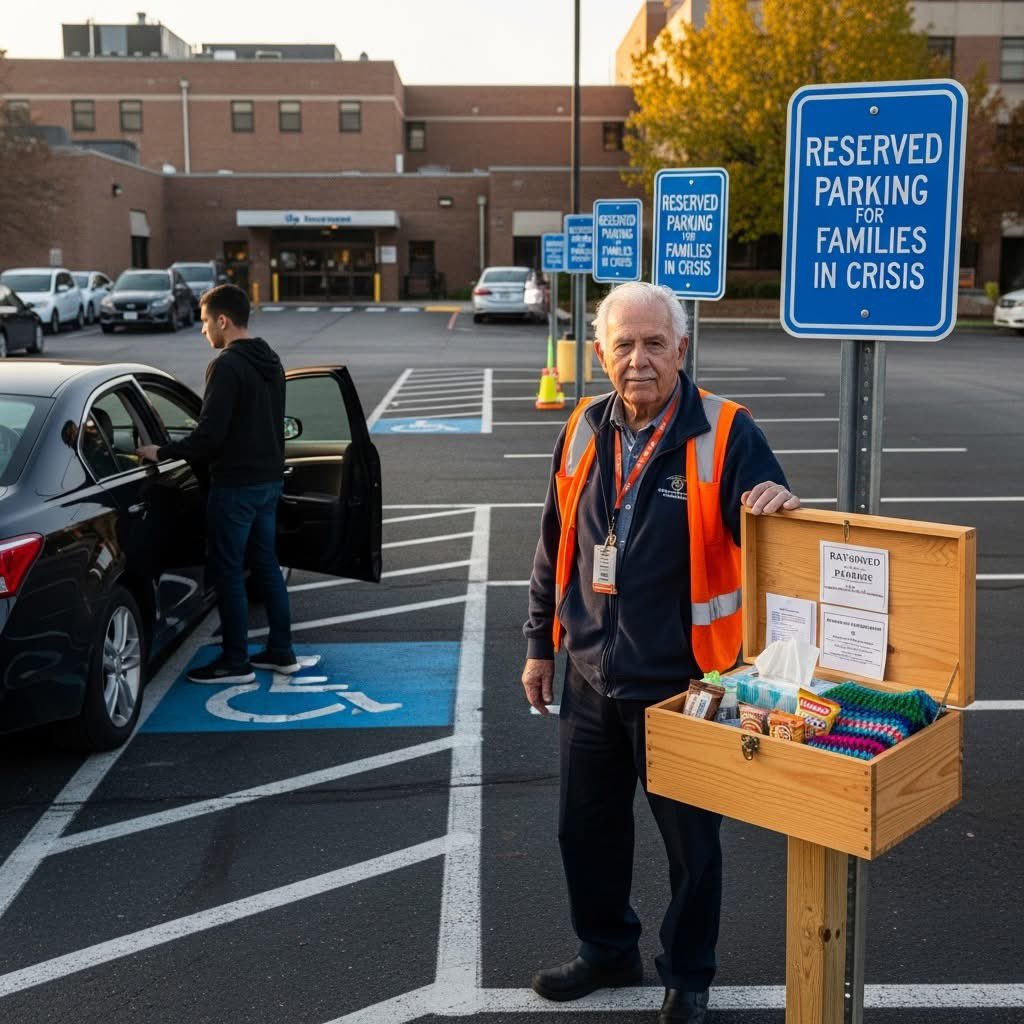
"My name's Raymond. I'm 73. I work the parking lot at St. Joseph's Hospital. Minimum wage, orange vest, a whistle I barely use. Most people don't even look at me. I'm just the old man waving cars into spaces. But I see everything. Like the black sedan that circled the lot every morning at 6 a.m. for three weeks. Young man driving, grandmother in the passenger seat. Chemotherapy, I figured. He'd drop her at the entrance, then spend 20 minutes hunting for parking, missing her appointments. One morning, I stopped him. "What time tomorrow?" "6:15," he said, confused. "Space A-7 will be empty. I'll save it." He blinked. "You... you can do that?" "I can now," I said. Next morning, I stood in A-7, holding my ground as cars circled angrily. When his sedan pulled up, I moved. He rolled down his window, speechless. "Why?" "Because she needs you in there with her," I said. "Not out here stressing." He cried. Right there in the parking lot. Word spread quietly. A father with a sick baby asked if I could help. A woman visiting her dying husband. I started arriving at 5 a.m., notebook in hand, tracking who needed what. Saved spots became sacred. People stopped honking. They waited. Because they knew someone else was fighting something bigger than traffic. But here's what changed everything, A businessman in a Mercedes screamed at me one morning. "I'm not sick! I need that spot for a meeting!" "Then walk," I said calmly. "That space is for someone whose hands are shaking too hard to grip a steering wheel." He sped off, furious. But a woman behind him got out of her car and hugged me. "My son has leukemia," she sobbed. "Thank you for seeing us." The hospital tried to stop me. "Liability issues," they said. But then families started writing letters. Dozens. "Raymond made the worst days bearable." "He gave us one less thing to break over." Last month, they made it official. "Reserved Parking for Families in Crisis." Ten spots, marked with blue signs. And they asked me to manage it. But the best part? A man I'd helped two years ago, his mother survived, came back. He's a carpenter. Built a small wooden box, mounted it by the reserved spaces. Inside? Prayer cards, tissues, breath mints, and a note, "Take what you need. You're not alone. -Raymond & Friends" People leave things now. Granola bars. Phone chargers. Yesterday, someone left a hand-knitted blanket. I'm 73. I direct traffic in a hospital parking lot. But I've learned this: Healing doesn't just happen in operating rooms. Sometimes it starts in a parking space. When someone says, "I see your crisis. Let me carry this one small piece." So pay attention. At the grocery checkout, the coffee line, wherever you are. Someone's drowning in the little things while fighting the big ones. Hold a door. Save a spot. Carry the weight no one else sees. It's not glamorous. But it's everything." Let this story reach more hearts.... Credit: Mary Nelson
Mr PitBull tweet media
English
3.8K
29.9K
138.6K
6.6M
Steve Karlin, Ed.D.
Steve Karlin, Ed.D.@StKarlin·
Very important information in this report for me and my fellow Kansans “Those who fail to learn from history are doomed to repeat it” - Winston Churchill
English
0
0
0
80
Steve Karlin, Ed.D. retweetledi
Light on Leadership
Light on Leadership@lightonleaders·
Happy #Thursday educators! JFK on the importance of education : "The greater our knowledge increases, the more our ignorance unfolds." "Leadership and learning are indispensable to each other." Thanks for the impact you make each day!
Light on Leadership tweet media
English
0
3
5
225
Steve Karlin, Ed.D. retweetledi
Democracy Docket
Democracy Docket@DemocracyDocket·
Millions of dollars are pouring into state Supreme Court races, and Pennsylvania is no exception. The fast-approaching PA Supreme Court election has been the GOP’s latest investment, because the outcome could decide the future of the state's elections. bit.ly/3JeB3Ax
English
5
59
103
7.3K
Steve Karlin, Ed.D. retweetledi
James Tate
James Tate@JamesTate121·
They call it “lunch shaming.” I call it cruelty. For 38 years, I watched it happen from my history classroom. Then, one Tuesday, I decided to become a quiet criminal. My name is Arthur Harrison. For nearly four decades, my world has been cinder block walls, the smell of old books, and the drone of the 2:15 PM bell. I teach American History. I’ve lectured on the Great Depression, on bread lines and poverty, trying to make the black-and-white photos feel real to kids who live in a world of vibrant color and constant noise. But the most brutal history lesson wasn’t in my textbook. It was in the cafeteria. It was a Tuesday when I saw it happen to Marcus, a quiet sophomore who sat in the back of my third-period class. He was a good kid, drew incredible sketches of Civil War soldiers in his notebook margins. I saw him at the front of the lunch line. The cashier, a woman I’d known for twenty years, said something to him. I saw his shoulders slump. He was handed not a tray of hot food, but a cold cheese sandwich and a small milk carton—the “alternative meal.” The IOU. The badge of shame. He walked past his friends, eyes glued to the floor, and sat at an empty table at the far end of the cafeteria. He didn’t eat. He just stared at the wall. In that moment, he wasn’t a student. He was a statistic. His family’s bank account balance was on public display, served between two slices of cheap bread. Something inside me, a part of my soul worn thin by years of budget cuts and standardized tests, finally snapped. The next day, I walked into the main office before school. Linda, the cafeteria manager, was there sorting receipts. “Art,” she said, not looking up. “Don’t tell me the coffee machine is broken again.” “It’s fine, Linda,” I said, sliding a folded fifty-dollar bill across the counter. “I want to start a fund. Anonymously. For the kids who come up short. When it happens, just… take it from this. No cheese sandwiches.” She finally looked up, her eyes lingering on the money, then on my face. She didn’t say a word. She just gave a slow, deliberate nod and tucked the bill into her apron. I started doing it every week. A fifty, sometimes a hundred if my pension check had a little extra. I called it the “Invisible Lunch Fund.” Linda never mentioned it, but sometimes I’d see her give a real hot meal to a kid I knew was struggling, and she’d catch my eye from across the room with that same quiet nod. It was our secret conspiracy of decency. This went on for a year. It was my quiet rebellion. Then, one afternoon, Sarah, the sharpest student in my AP History class, stayed after the bell. “Mr. Harrison?” she started, twisting the strap of her backpack. “I have a question. It’s not about the homework.” “Go ahead, Sarah.” “I know about the lunch money,” she said, her voice barely a whisper. “My mom works in the school office. She sees Linda’s accounting. There’s a line item she just writes in as ‘Donation.’ I know it’s you.” My heart hammered against my ribs. I was caught. I imagined disciplinary meetings, being told I’d broken some obscure district policy. But Sarah wasn’t angry. Her eyes were shining. “We want to help,” she said. The next Monday, a group of students from my AP class set up a bake sale in the main hall. The sign, hand-painted on poster board, read: “BAKE SALE FOR BENEDICT ARNOLDS. (Because betraying your friends by letting them go hungry is treason.)” By lunchtime, they had a shoebox overflowing with crumpled bills and coins. They placed it on my desk without a word. Over four hundred dollars. The administration, to their credit, looked the other way. I’m retiring this year. The Invisible Lunch Fund is now just “The Fund,” and it’s run entirely by the students. They’ve made it their own. For 38 years, I tried to teach kids that history is shaped by big speeches and epic battles. I was wrong. History isn’t just about the noise. It’s about the quiet moments, the unspoken acts of grace. It’s written not in textbooks, but on a lunch receipt when one person decides that another human being will not be shamed for being hungry. That’s the America I want to believe in. That’s the lesson I finally learned. Thank you Carol Sacks Goldstein for sharing
James Tate tweet media
English
199
895
3.6K
138.4K
Steve Karlin, Ed.D. retweetledi
Travis Akers 🇺🇸
Travis Akers 🇺🇸@travisakers·
A message from a Kindergarten teacher: After forty years in the classroom, my career ended with one small sentence from a six-year-old: “My dad says people like you don’t matter anymore.” No sneer. No malice. Just quiet honesty — the kind that cuts deeper because it’s innocent. He blinked, then added, “You don’t even have a TikTok.” My name is Mrs. Clara Holt, and for four decades, I taught kindergarten in a small Denver suburb. Today, I stacked the last box on my desk and locked the door behind me. When I started teaching in the early 1980s, it felt like a promise — a shared belief that what we did mattered. We weren’t rich, but we were valued. Parents brought warm cookies to parent nights. Kids gave you handmade cards with hearts that didn’t quite line up. Watching a child sound out their first sentence felt like magic. But that world slowly slipped away. The job I once knew has been replaced by exhaustion, red tape, and a kind of loneliness I can’t quite describe. My evenings used to be filled with construction paper, glitter, and glue sticks. Now they’re spent filling out digital reports to protect myself from angry emails or lawsuits. I’ve been yelled at by parents in front of twenty-five children — one filming me with his phone while I tried to calm another child mid-meltdown. And the kids… they’ve changed too. Not by choice. They arrive tired, anxious, overstimulated. Their tiny fingers know how to swipe a screen before they can hold a crayon. Some can’t make eye contact or wait in line. We’re expected to fix all of it — to patch the gaps, heal the trauma, teach the curriculum, and document every move — in six hours a day, with resources that barely fill a drawer. The little reading corner I once built, full of soft beanbags and paper stars, was replaced by data charts and “learning metrics.” A young principal once told me, “Clara, maybe you’re too nurturing. The district wants measurable results.” As if kindness were a weakness. Still, I stayed. Because of the small, holy moments that no spreadsheet could measure — a whisper of, “You remind me of my grandma.” a shaky note that read, “I feel safe here.” a quiet boy finally meeting my eyes and saying, “I read the whole page.” Those tiny sparks were my reason to keep showing up. But this last year broke something in me. The aggression grew sharper. The laughter in the staff room turned to silence. The light went out of so many eyes. I watched brilliant teachers — my friends — vanish under the weight of burnout, their joy replaced by survival. I felt myself fading too, like chalk on a board that’s been wiped one too many times. So today, I began my goodbye. I pulled faded art off the walls and tucked thirty years of handmade cards into a single box. In the back of a drawer, I found a letter from a student from 1998: “Thank you for loving me when I was hard to love.” I sat on the floor and cried. No party. No applause. Just a handshake from a young principal who called me “Ma’am” while checking his notifications. I left my rocking chair behind, and my sticker box too. What I carried with me were the memories — the faces of hundreds of children who once trusted me enough to reach out their hands and learn. That can’t be uploaded. It can’t be measured. It can’t be replaced. I miss when teachers were partners, not targets. When parents and educators worked side by side, not in opposition. When schools cared more about wonder than numbers. So if you know a teacher — any teacher — thank them. Not with a mug or a gift card, but with your words. With your respect. With your understanding that behind every test score is a heart that cared enough to try. Because in a world that often overlooks them, teachers are the ones who never forget our children.
English
3.3K
22K
112.4K
6.4M
Steve Karlin, Ed.D. retweetledi
Robert Reich
Robert Reich@RBReich·
The gap between teacher pay and other college graduates’ pay is the highest it’s been in over four decades. Is there a “teacher shortage,” or a shortage of jobs that treat educators with the pay, dignity, and support they deserve?
Robert Reich tweet media
English
172
609
1.8K
75.7K
Steve Karlin, Ed.D. retweetledi
Woody
Woody@woodyVSworld·
I wish Bama no success, but this made me a little sad
English
105
3.2K
31.5K
837.4K
Steve Karlin, Ed.D. retweetledi
Educate Kansas
Educate Kansas@EducateKansas·
Schools across the state are looking for amazing people to fill a variety of support staff positions. If you are interested, search for open position at: hubs.la/Q03DK4G00
Educate Kansas tweet media
English
0
2
2
117
Steve Karlin, Ed.D.
Steve Karlin, Ed.D.@StKarlin·
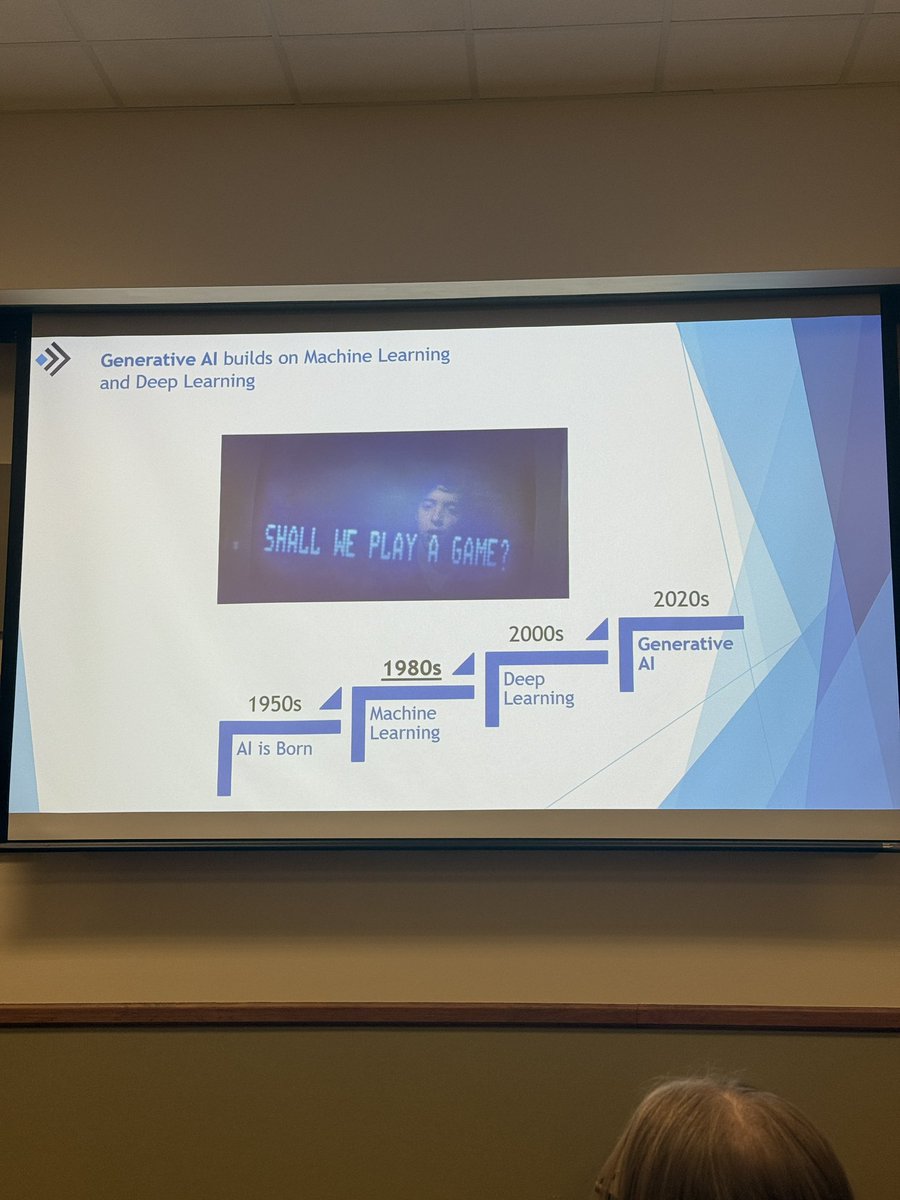
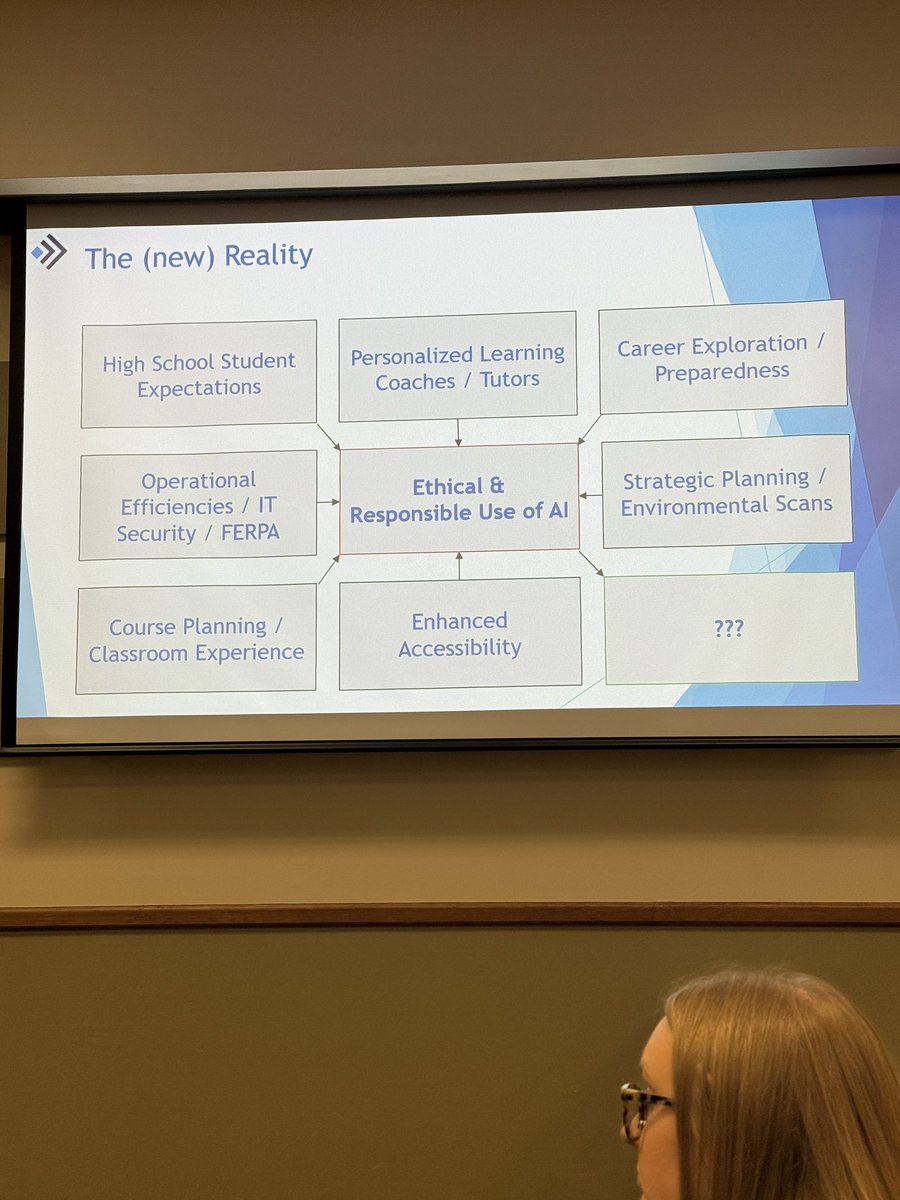
Amazing day today at Newman University’s back to school training for faculty and staff. Empowering us and learning how we can use AI to benefit our students and their futures.
Steve Karlin, Ed.D. tweet mediaSteve Karlin, Ed.D. tweet media
English
0
0
8
185
Steve Karlin, Ed.D.
Steve Karlin, Ed.D.@StKarlin·
@FixingEducation Why would the legislature of a state need to pass a law that individual teachers should address through their classsroom rules? Teachers are professionals and should be the ones deciding how, if at all, cell phones will be used in their classrooms.
English
2
0
7
284
Fixing Education
Fixing Education@FixingEducation·
One million Michigan school children are about to return to school in classrooms where cell phones will be a constant distraction to their learning. Lawmakers tried passing a bill that would require phones to be turned off during instructional time. However, House democrats denied the bill. Why? Cause the bill was sponsored by a republican. Using kids as pawns because political grudges matter more than students is disgusting. And yes, both parties do this. #TheyDontCareAboutUs
English
37
29
306
20.1K