Sabitlenmiş Tweet

I am thrilled to formally introduce Mindbeam as we emerge from stealth.
We have built the fastest AI training framework to date, achieving groundbreaking performance benchmarks and an 86% reduction in energy
consumption.
This milestone reflects our core mission to accelerate the future of AI while significantly reducing the environmental impact of large-scale model training.
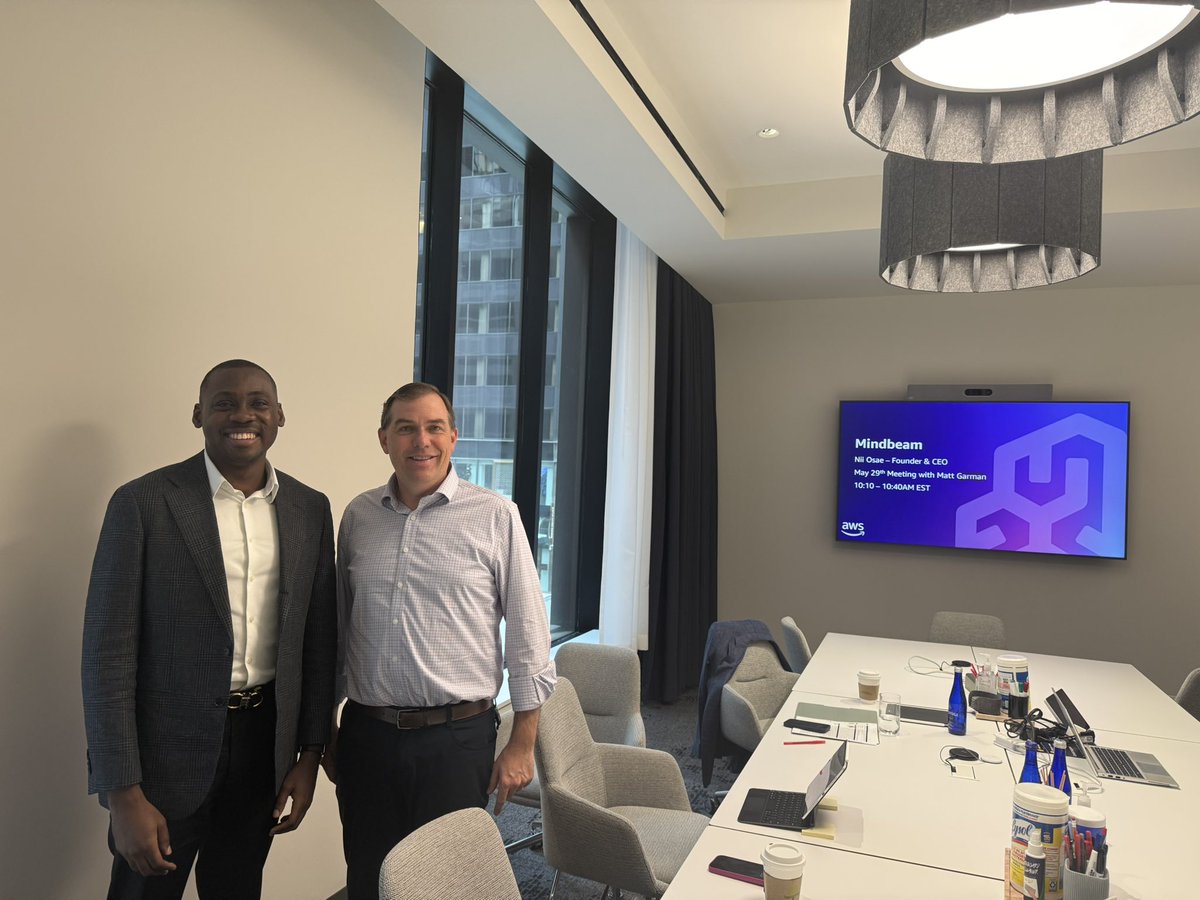
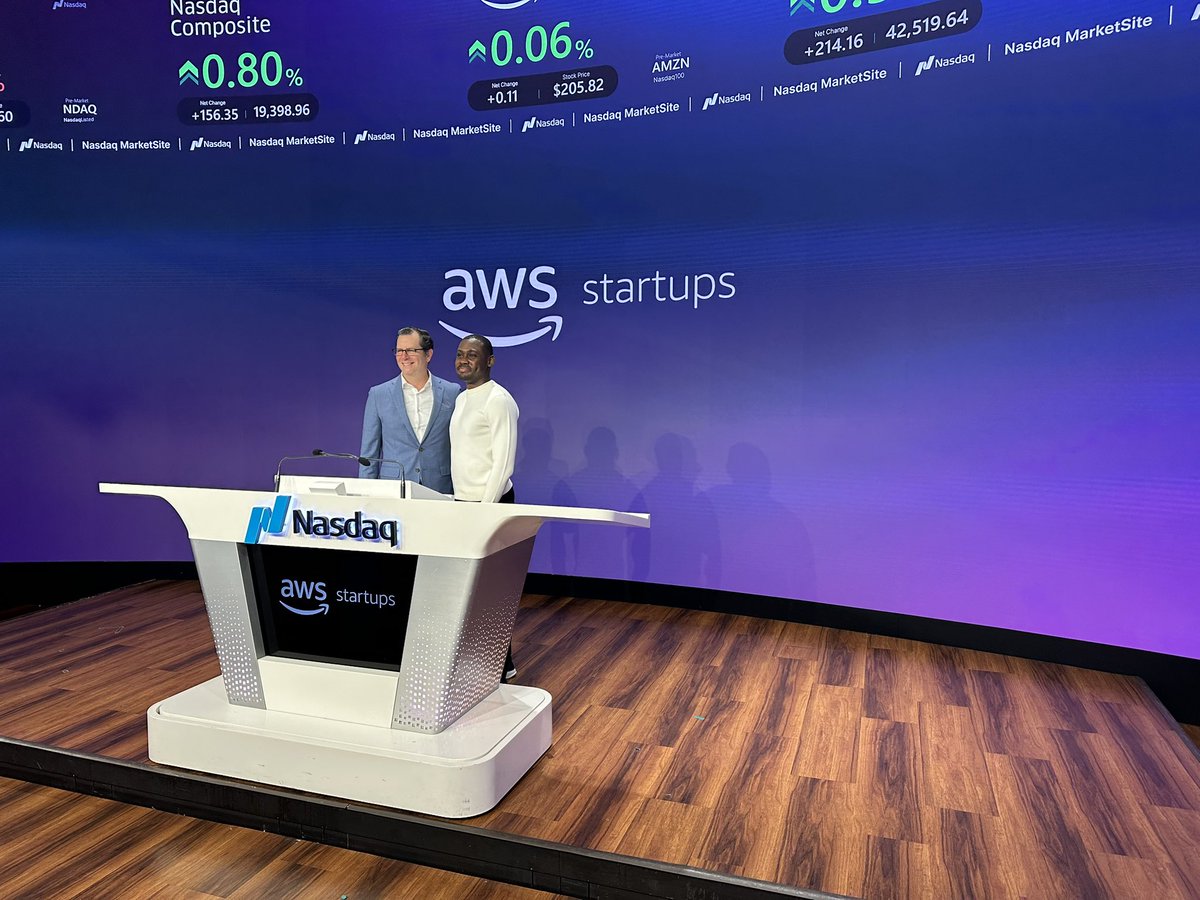
We are proud to be working closely with the amazing team at @awscloud to deploy this amazing product to thousands of customers across AI research labs and Fortune 100 Enterprises.
Our flagship product, Litespark, is now available on the AWS Marketplace. Visit mindbeam.ai to learn more.
Mindbeam@MindbeamAI
🚀 BREAKING: We just revolutionized AI pre-training We are excited to come out of stealth and launch our revolutionary product: Litespark, a language model framework which utilizes advanced algorithms to speed up training and inference workloads for generative AI applications. Litespark reduces training time from months to days. With just 16 H100s, you can train your own billion-parameter foundation model from scratch in 26 hours. Fortune 100 companies are already transforming their AI workflows with our breakthrough framework on AWS.
English