A recent ruling by Pennsylvania’s Supreme Court sets a new precedent called “intent-based parentage,” which legally recognizes parties’ expressed intentions to be a parent, even in lieu of a marriage or a genetic relationship to a child. inquirer.com/life/same-sex-…
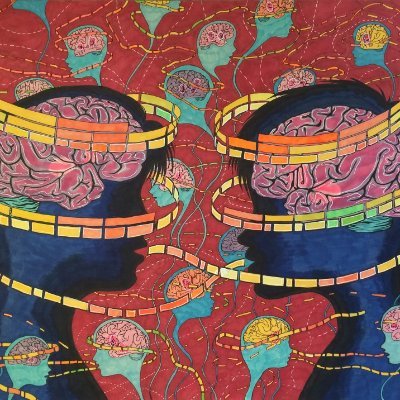
Homo sapiens were not the first artists.
We used to trace the origins of art to Stone Age cave paintings, but there is growing evidence that much earlier hominins boasted an artistic sensibility. Here are some of the artefacts that suggest art long predates our species 🧵 (1/6)
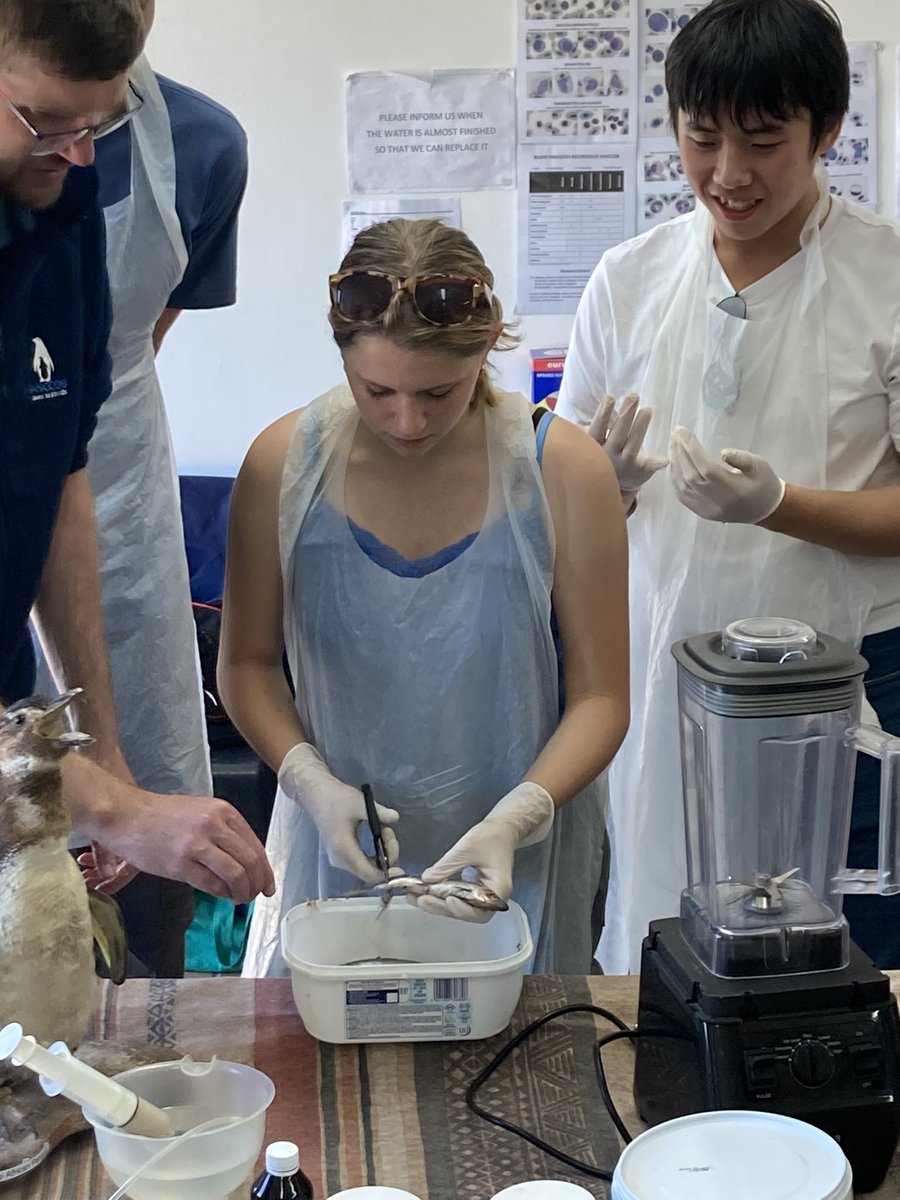
Back - safe and sound after an exceptional conservation experience at Nyosi Wildlife Reserve. Thank you to all the staff who helped us get stuck in and help wildlife over the last week, it’s been a blast!!
#nyosi#worldwideexperience@bedesnews
We are very happy to announce the six titles shortlisted for the 2023 Royal Society Trivedi Science Book Prize, which celebrates the best in popular science writing from around the world. Discover the shortlisted books below: #SciBooksroyalsociety.org/news/2023/09/b…
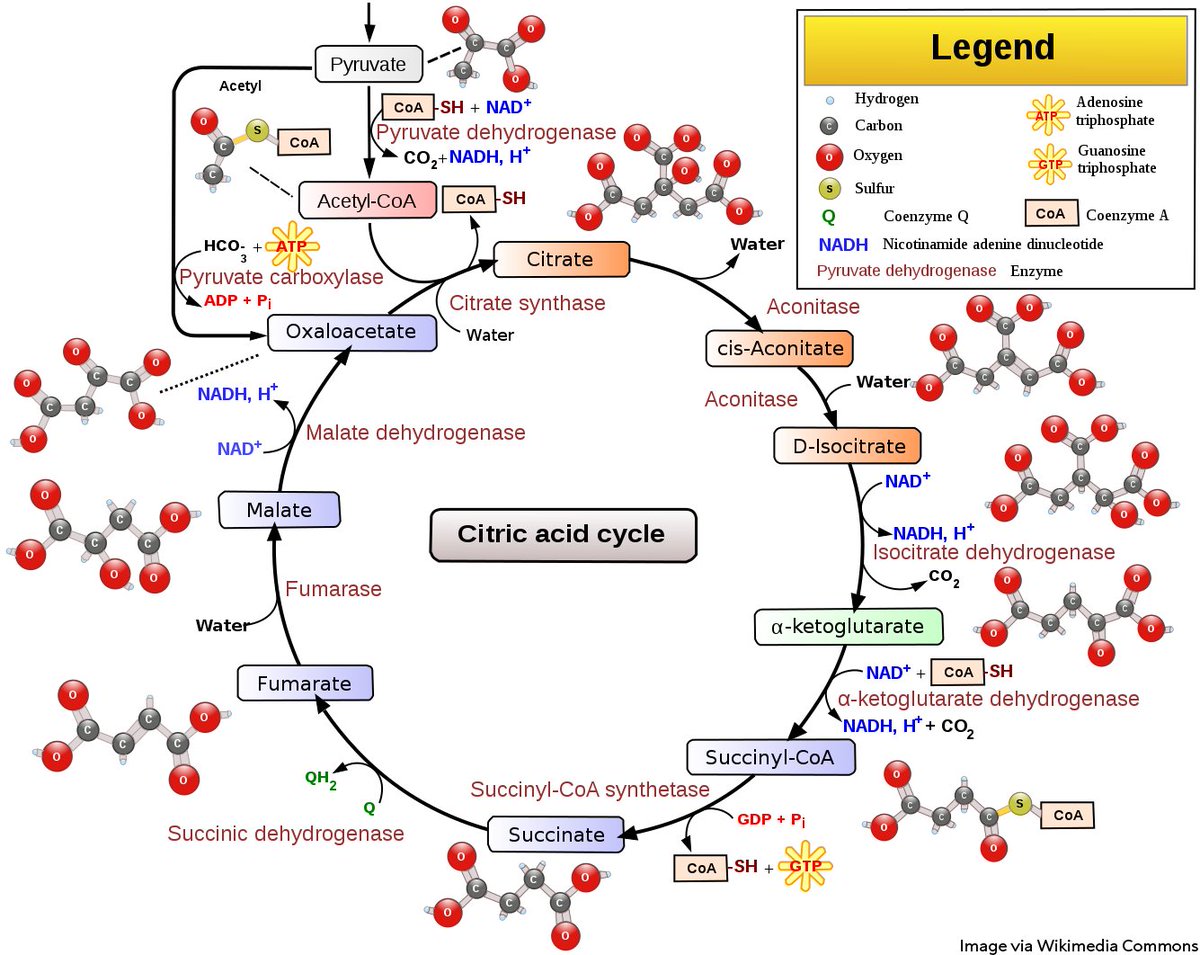
Hans Krebs identified the citric acid cycle - also known as the Krebs cycle. The cycle is a series of reactions that convert nutrients into other molecules with a large amount of chemical energy.
Do you know why it is so important?
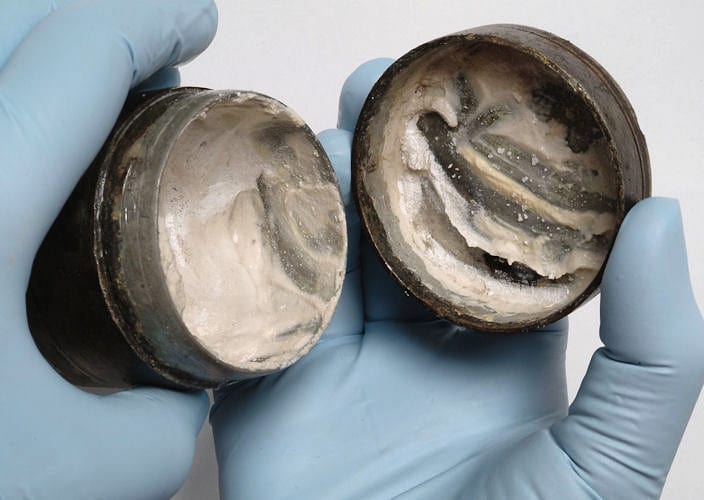
2,000-year-old face cream inside a metal container from Roman times with visible ancient finger marks.
"The cream was found to be composed of refined animal fat, starch and tin. The researchers then created their own version, made to the same recipe. When they rubbed the whitish cream into their skin, it produced a white layer with a smooth powdery texture. The latter quality was created by the starch—still used for this purpose in modern cosmetics."
According to Professor Richard Evershed from Bristol University, "White face paint was fashionable in Roman times and normally derived its colour from a lead compound. A tin compound would have been an acceptable substitute and in good supply from Cornwall."
In ancient Rome, lead was by far the most popular metal and was commonly used in cups, plates, coins, pipes, cosmetics, face powder, paints, food seasoning, and even birth control.
Scientists have even discovered that tap water from ancient Rome contained up to 100 times more lead than that of local spring water.
As a result, some historians have speculated that lead poisoning may have played a part in bringing down the Roman Empire.