Steve Coast
1.9K posts

Steve Coast
@SteveC
Maps @ https://t.co/Y77QHRu9qY (opinions mine). Founder @openstreetmap. 🤗 https://t.co/Zbvxj1MCiz 🗺️ https://t.co/1ugqrCW3gw 🗺️ https://t.co/oRdgwZb3Cg
Colorado Katılım Temmuz 2009
186 Takip Edilen2.8K Takipçiler

It's equally sad and entertaining watching oncology research ever so slowly figure out metabolic causes over orthodoxy x.com/SatchinPanda/s…
Satchin Panda@SatchinPanda
A 16-hour fasting regimen may boost cancer immunotherapy. Transient nutrient stress reshapes tumor metabolism, increasing isoleucine in the TME and enhancing CD8+ T cell function. In mice & patients, short-term fasting improved immune response—offering a feasible way to strengthen treatment. #Fasting, #immunotherapy, #cancer, cell.com/cell-metabolis…
English
login and r2 storage now work on looooom.com
now need to test stripe and add email and OpenAI...
English
added google OAuth but the site wants its own login system, because of course it does, killing that...
English

Interesting it lost environment vars I set, I think because you have to click deploy each time you add one or more :-/
English
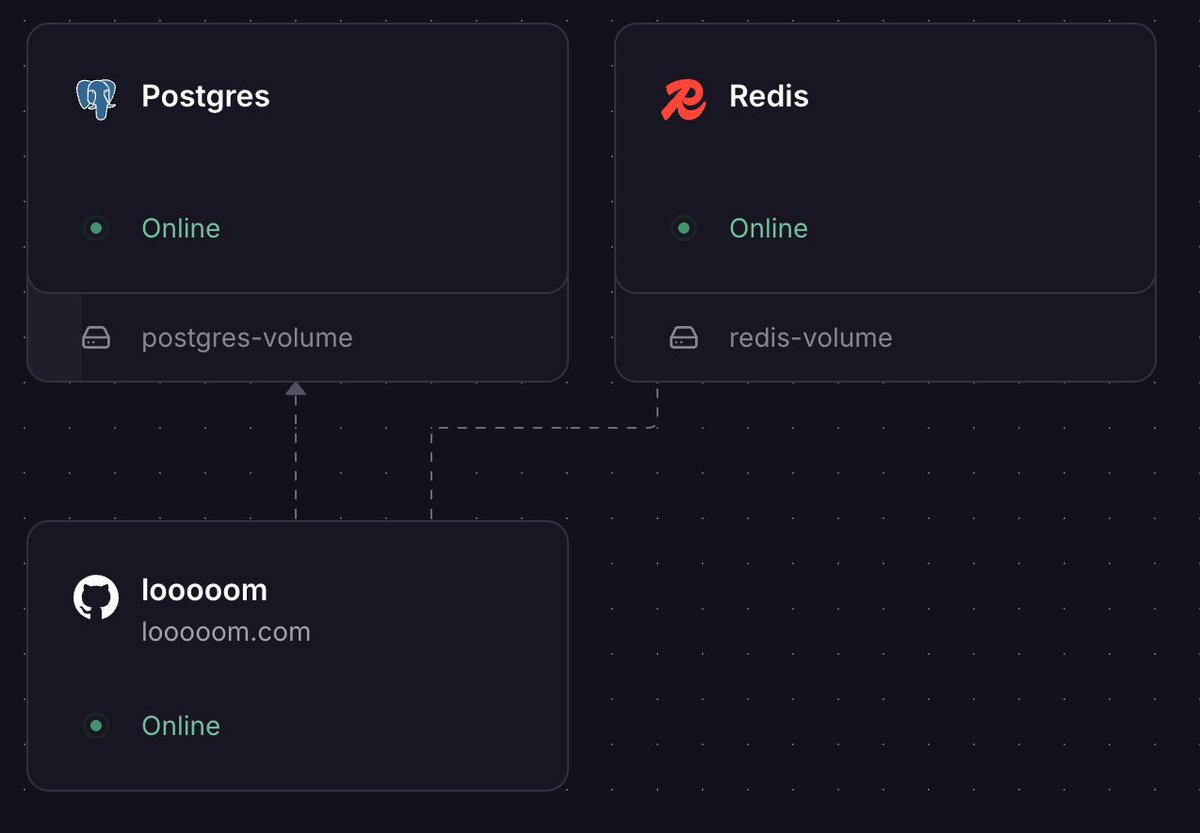
So railway is like heroku was back in the day but with a 2D metaphor
English
Today's playtime: make a self improving webapp github.com/SteveC/looooom
codex is at work, the DNS changes are propogating... I have a lot of services to set up.
English
you know things are slowing down at codex when it's updating less that twice a day
English
Hey @sotmafrica I won't be there, no budget for travel. 🫤Your emails are "noreply".
English
The more I use codex the more I realize it's ChatGPT 2.0. It looks nearly identlical but is way more powerful. Maybe it will merge or subsume 1.0?
English

Steve Coast retweetledi



@paulg They will compete with hotels, let alone flights. Go to sleep, wake up at your destination or a fun stop off enroute.
English

Whoah, self-driving cars compete with airlines. I never considered that till now.
Nahuel Hilal - TattooGuy@nahuelhilal
Yesterday I drove my @tesla 900 miles on FSD from Miami to Nashville and I realized it’s genuinely the better option. I fly that route 2 to 3 times a month. Flights are never under $400. Most times $600. Sometimes $800. Add Uber to and from both airports, or parking garage fees. Then factor in the delays, the cancellations, the security theater, the chaos, the guy next to you who hasn’t met deodorant yet. On the other hand: I pack healthy snacks, press one button, and the car just goes. I took calls. Replied to emails. FaceTimed my family. Ate without pulling over. Did everything I normally do on a travel day, except none of the stuff that makes travel days miserable. My biggest concern going in was range and charging. Here’s what actually happened: My bladder needed one extra stop the car didn’t even suggest. Most charging stops were under five minutes. Total cost for the whole trip was less than just the uber to the airport. And this was the base model Y. Now I’m thinking I should get something comfier and just make this the default.
English
So @googlemaps keeps logging me in as a random account when I use it, but I have all my saved places under only one account. This got annoying always having to switch account, so I vibed a plugin that keeps you on the user account you want to use github.com/SteveC/gmaps_u…
English
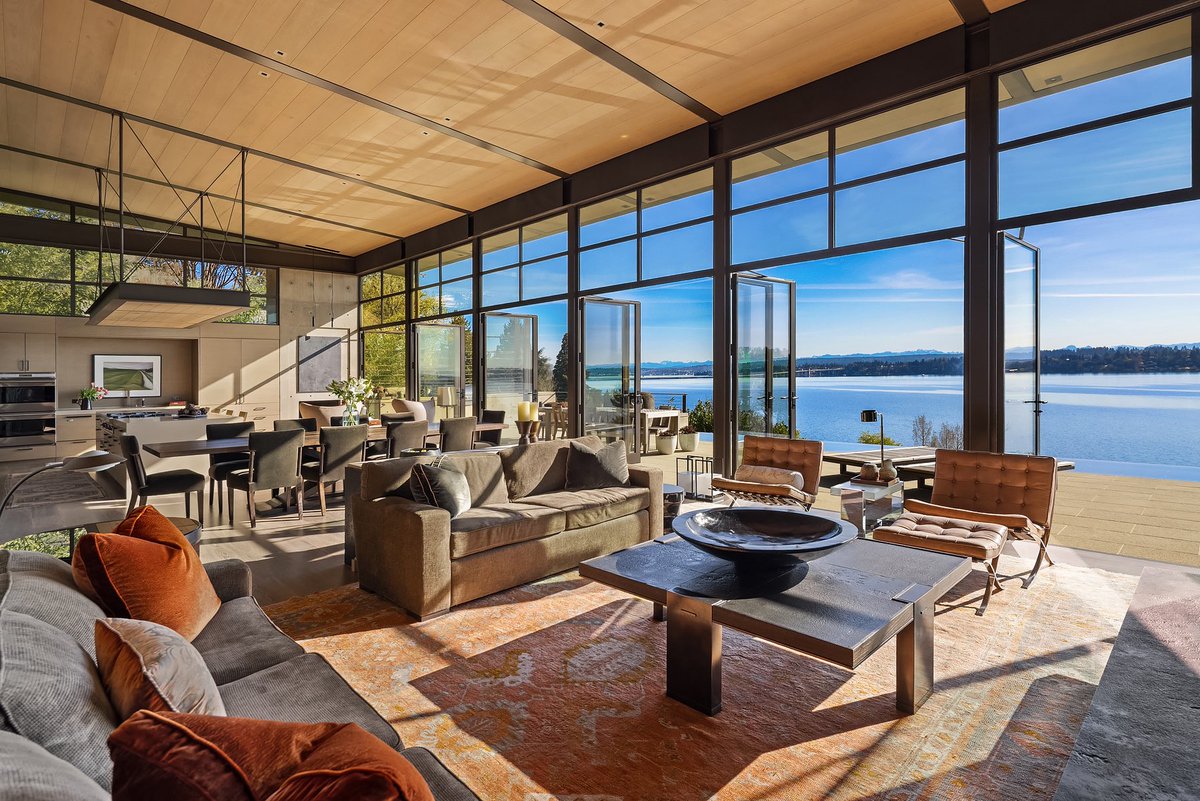
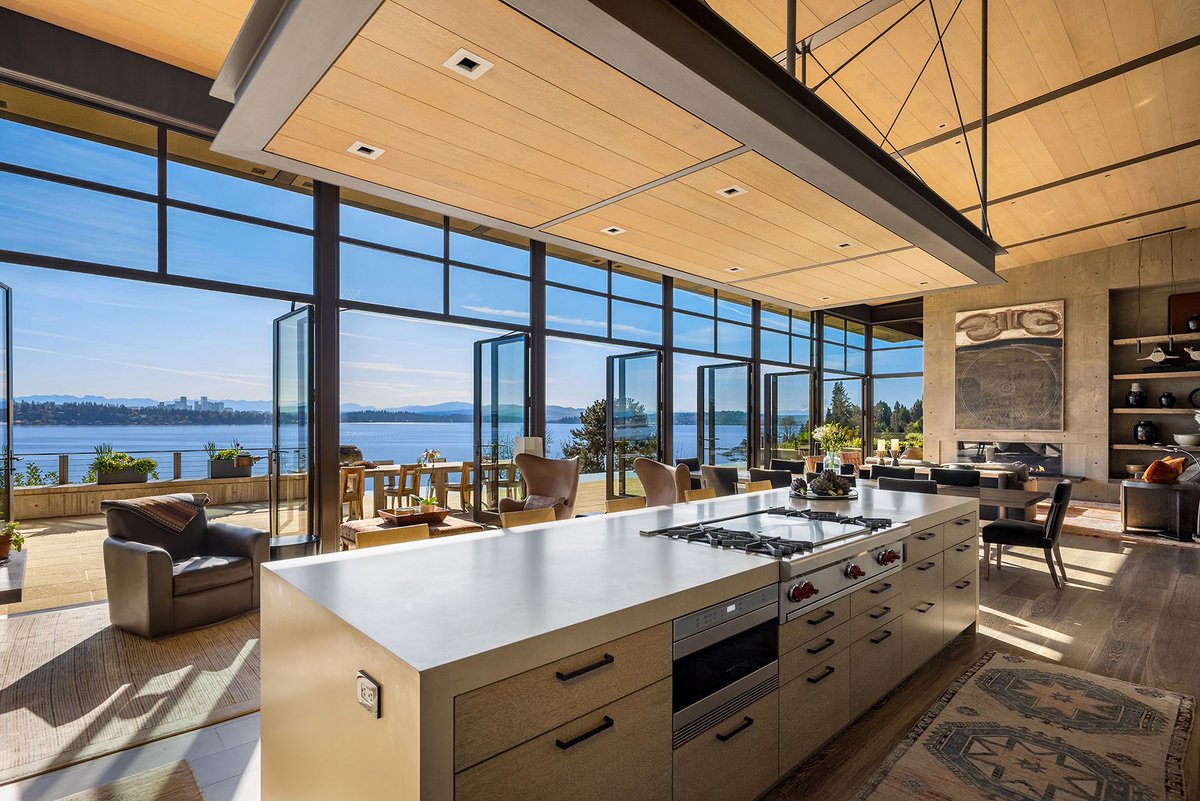
@zillowgonewild .... photographed on the 1 day a year you get a blue sky
English

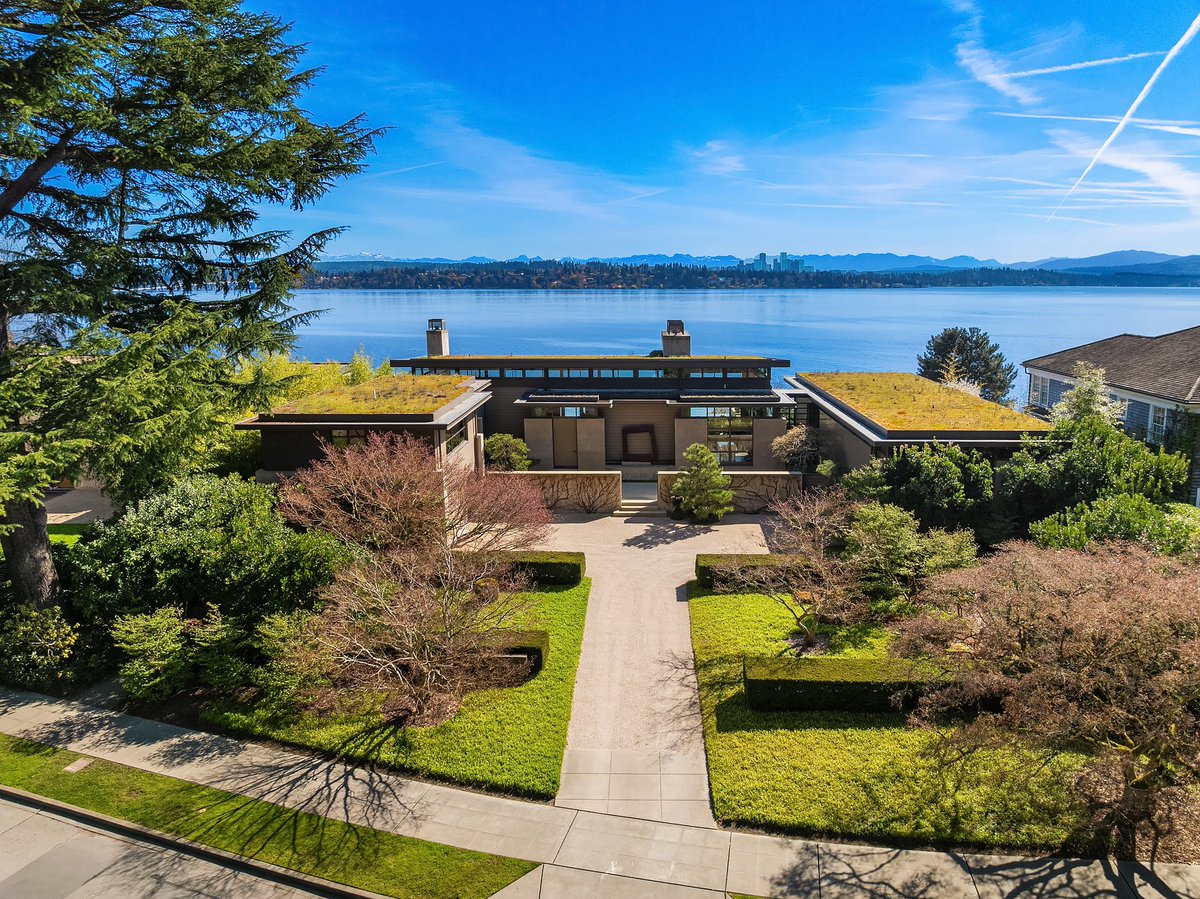
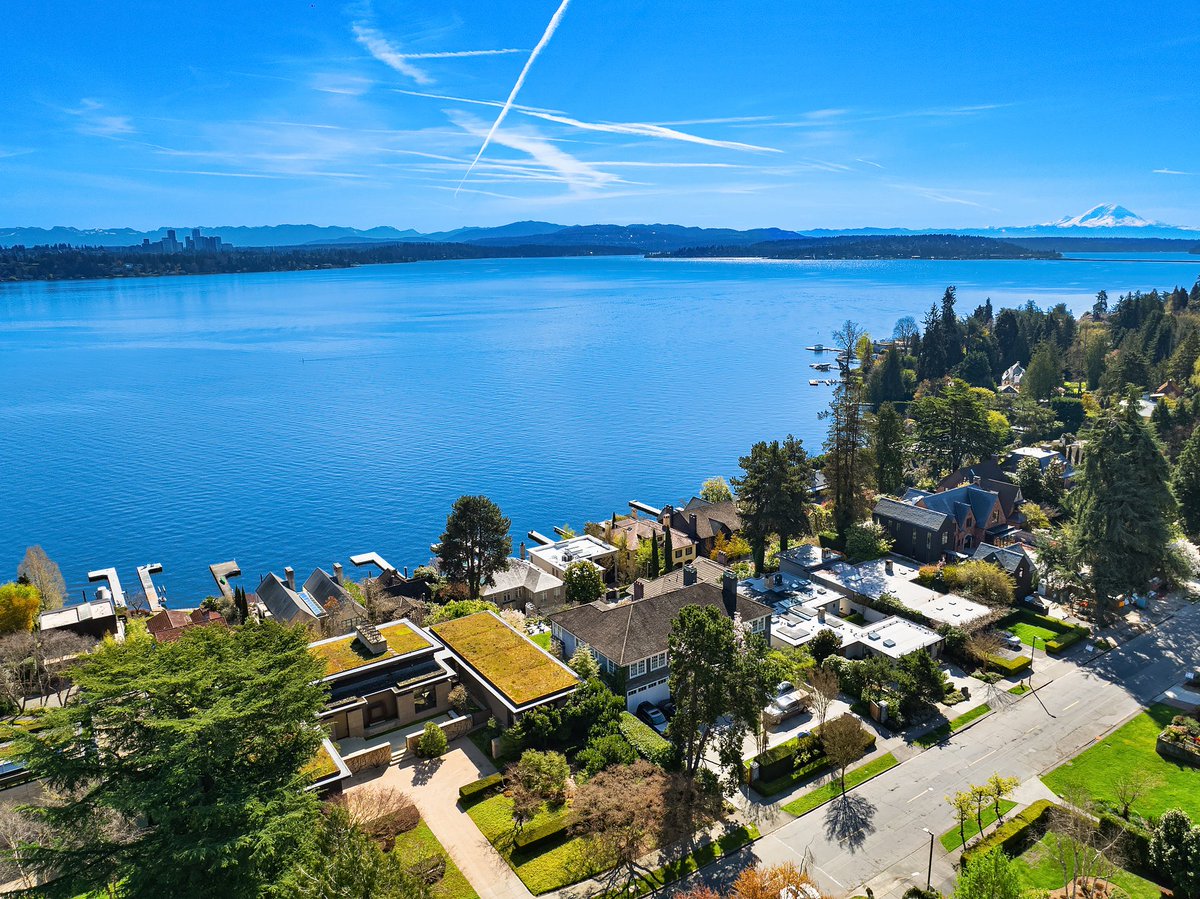
Thought this Seattle home was one of the prettiest modern homes we’ve ever seen, with views of Lake Washington, the Bellevue skyline, Mount Rainier and more. The house has a “green roof”, reclaimed Belgian oak, weathered elm timbers and more.
CLFO $15,850,000
English
Steve Coast retweetledi