
Sabitlenmiş Tweet

Until you become aware of your own trauma physiology, it will direct your life and you will call it fate.

English
Still Thinking
20.1K posts

@StillThink71645
I am, therefore I think


@WallStreetMav @SteveHiatt77 I see UK connections everywhere in my color revolution research. Some “friends.”





@RealPaulElam @shah @theantigynocen1 @ItsCompChannel @amalespace @DrSBaskerville 💯. Even incels, as a group, contribute massively to survival infrastructure for children and adults alike. If even that demographic of men were "disposed of" then we'd see an emergency in infrastructure design, creation and management that would increase death and disease.
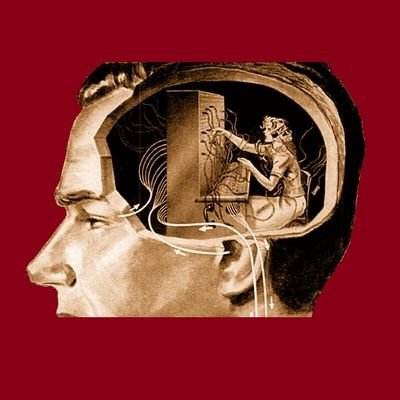










In 1973, the U.S. Navy listed 2,300+ studies showing EMF harm, then buried them. Dr. Robert O. Becker, a pioneering MD and bioelectricity researcher, went on 60 Minutes to warn the public. He was punished: lab shut down, federal funding pulled, career ended.


In 1995, a nurse broke hospital rules to place a newborn into her twin sister’s incubator. The baby was not expected to survive. Kyrie and Brielle Jackson were born 12 weeks early at a hospital in the United States. Each weighed roughly two pounds. They were placed in separate incubators, standard practice to prevent infection. Kyrie gained strength. Brielle did not. Three weeks after birth, Brielle went into critical condition. Her oxygen dropped. Her heart rate spiked. Her skin turned bluish-grey. Nurse Gayle Kasparian tried everything. She held her. She had her father hold her. She wrapped her in a blanket. Nothing worked. Kasparian remembered hearing about a practice used in parts of Europe but never tried in American hospitals. She placed Brielle into Kyrie’s incubator. Their father described what happened next: “She snuggled up to Kyrie and she was just fine. It was immediate. It was absolutely immediate.” Within minutes, Brielle’s oxygen levels were the best they had been since she was born. As she slept, Kyrie stretched her left arm across her sister’s body and held her. Photographer Chris Christo captured the moment. The image spread around the world and became known as “The Rescuing Hug.” Hospitals across multiple countries began placing premature twins together, a practice that had been resisted for decades. Both girls went home healthy. They are now 30.


In 1995, a nurse broke hospital rules to place a newborn into her twin sister’s incubator. The baby was not expected to survive. Kyrie and Brielle Jackson were born 12 weeks early at a hospital in the United States. Each weighed roughly two pounds. They were placed in separate incubators, standard practice to prevent infection. Kyrie gained strength. Brielle did not. Three weeks after birth, Brielle went into critical condition. Her oxygen dropped. Her heart rate spiked. Her skin turned bluish-grey. Nurse Gayle Kasparian tried everything. She held her. She had her father hold her. She wrapped her in a blanket. Nothing worked. Kasparian remembered hearing about a practice used in parts of Europe but never tried in American hospitals. She placed Brielle into Kyrie’s incubator. Their father described what happened next: “She snuggled up to Kyrie and she was just fine. It was immediate. It was absolutely immediate.” Within minutes, Brielle’s oxygen levels were the best they had been since she was born. As she slept, Kyrie stretched her left arm across her sister’s body and held her. Photographer Chris Christo captured the moment. The image spread around the world and became known as “The Rescuing Hug.” Hospitals across multiple countries began placing premature twins together, a practice that had been resisted for decades. Both girls went home healthy. They are now 30.

