Streetlink Homeless Support.

1.2K posts

Streetlink Homeless Support. banner
Streetlink Homeless Support.

Streetlink Homeless Support.

@StreetlinkBAC

Registered charity and non-profit organisation, focused on assertive outreach & harm reduction. RCN: 20206746 CHY: 23218

Dublin & Tipperary Katılım Temmuz 2020
391 Takip Edilen1.3K Takipçiler
Streetlink Homeless Support.
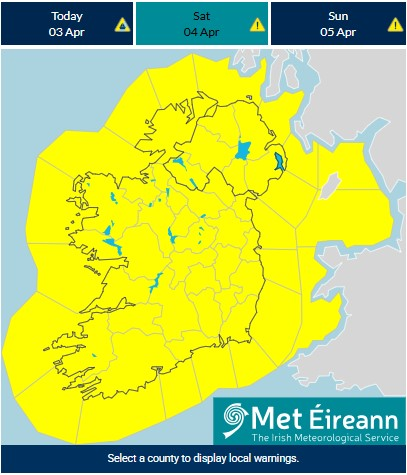
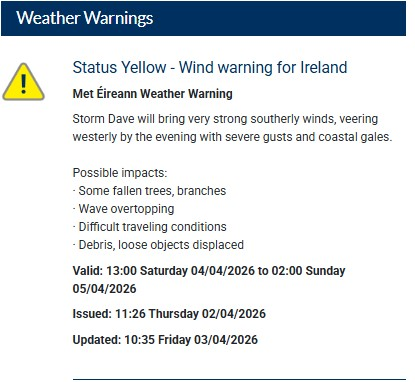
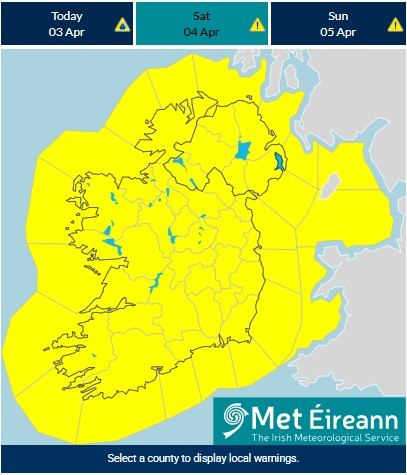
🌧️ Storm Dave Outreach Report – Streetlink Homeless Support 🌧️ During Storm Dave, our proactive outreach teams were on the ground across Dublin, ensuring that those sleeping rough were supported and safe. 💙 91 on-street engagements with individuals experiencing homelessness 💙 Supporting 76 men and 15 women 💙 25 tents distributed to provide immediate shelter 💙 36 essential items distributed 💙 Responded to 24 harm reduction requests Thankfully, Storm Dave passed with minimal disruption and had cleared by midnight, but our teams remained vigilant throughout. We want to extend a heartfelt thank you to: 💙 Caring is Sharing for supplying their outreach vehicle 💙 Ernie Campbell for generously providing tents, sleeping bags, and clothing to support this vital service Your support helps us continue this life-saving work. You can donate and make a difference here: 👉 street-link.ie/donate #homeless #dublin #ireland #housingcrisis
Streetlink Homeless Support. tweet media
English
0
0
4
175
Streetlink Homeless Support.
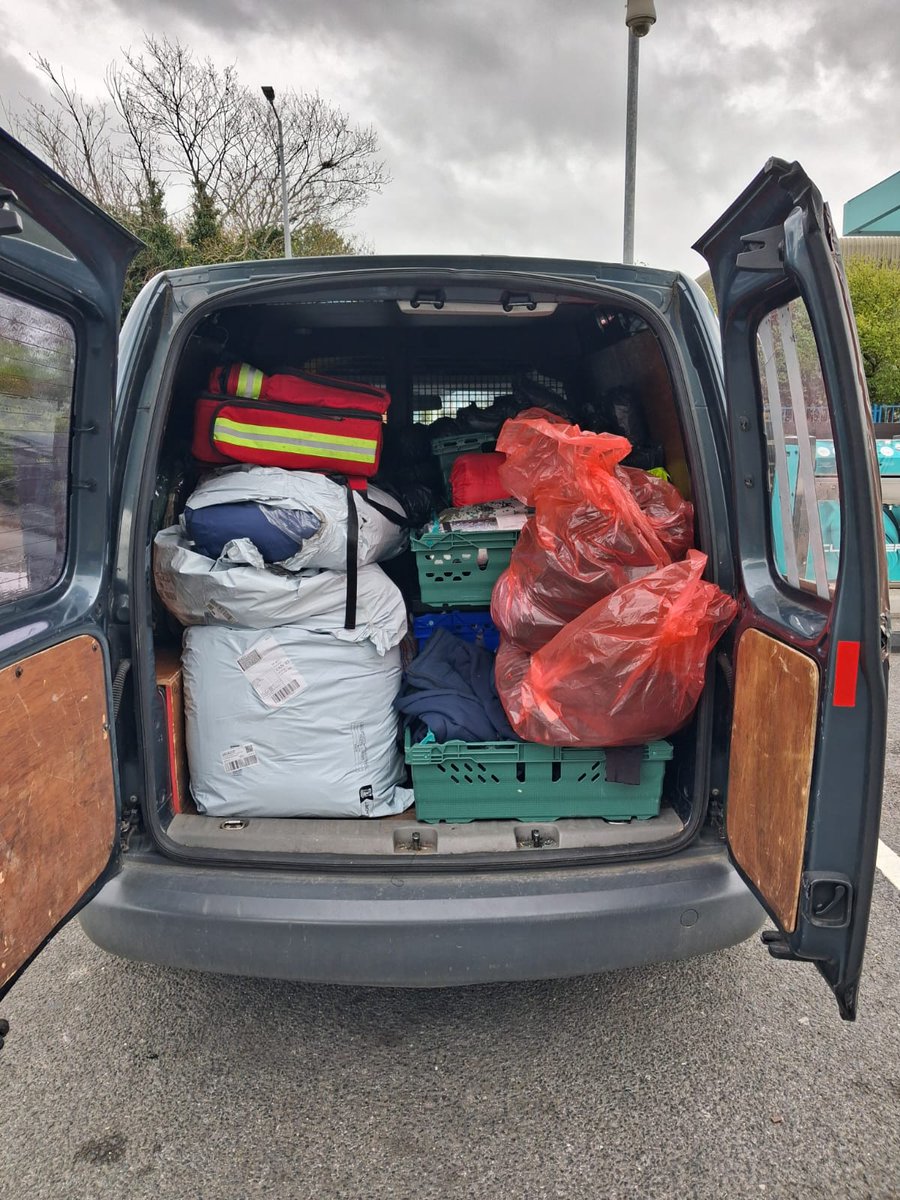
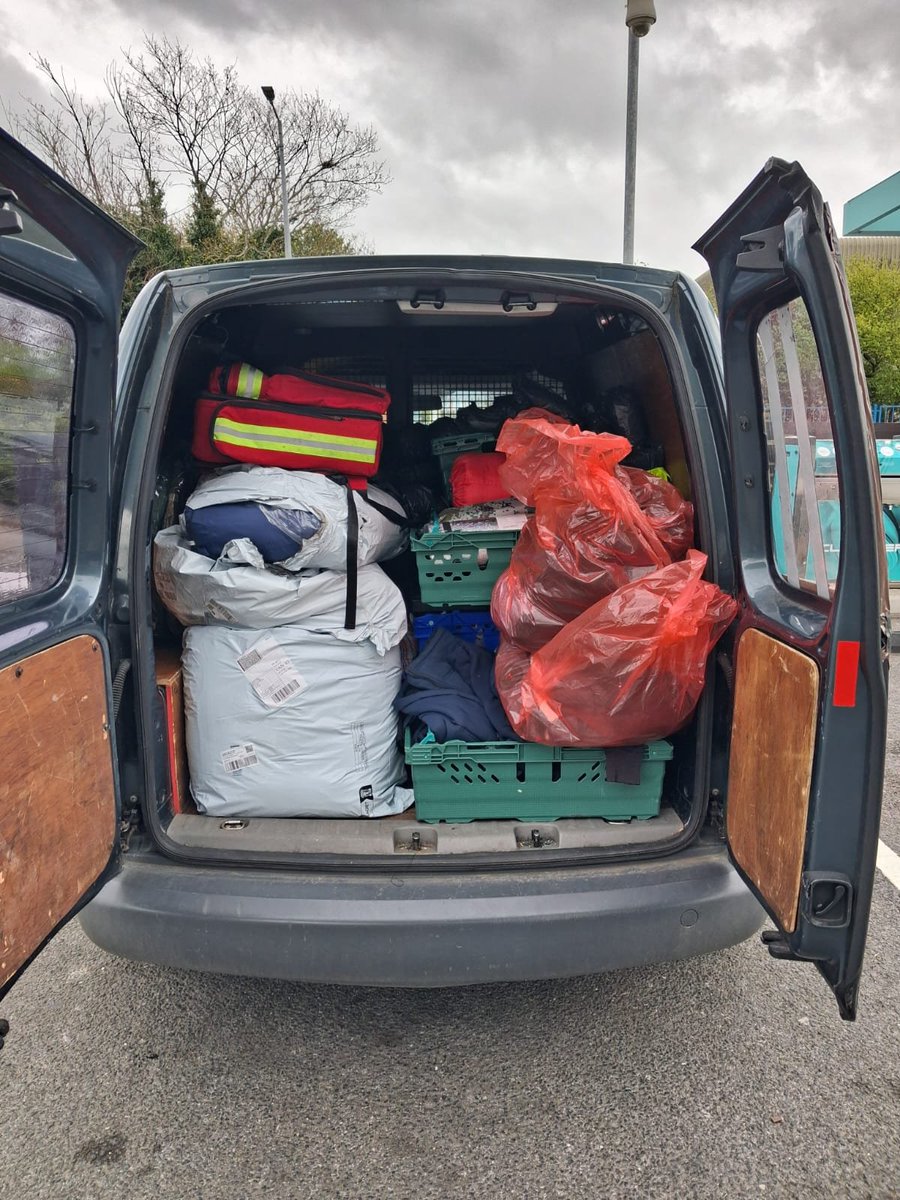
🚨 Storm Dave Response Update 🚨 Our Proactive Outreach Team at Streetlink Homeless Support is on the ground and active for the full duration of Storm Dave, providing 24-hour emergency call-out services to support those most vulnerable. If you see anyone in need of urgent assistance, please don’t hesitate to contact our outreach team: 📞 087 434 7052 We would like to extend a heartfelt thank you to: 💙 Caring Is Sharing for supplying their outreach vehicle 💙 Ernie Campbell Campbell for generously providing tents, sleeping bags, and clothing to support this vital service Your support helps us continue this life-saving work. You can donate and make a difference here: 👉 street-link.ie/donate Together, we can ensure no one is left behind during this severe weather. #Streetlink #StormDave #HomelessSupport #CommunitySupport
Streetlink Homeless Support. tweet mediaStreetlink Homeless Support. tweet media
English
0
7
17
481
Streetlink Homeless Support.
⚠️Storm Dave Response Update ⚠️ Our teams will be on the ground around the clock, actively engaging with individuals who are sleeping rough or at risk. We will be distributing essential supplies, including tents, sleeping bags, and weather protection, while also offering access to vital harm reduction supports and Naloxone to help prevent overdose and save lives for those at risk. This is a critical time for our community. Exposure to extreme weather can be life-threatening, and we are committed to ensuring that no one is left without support. If you see anyone who may be in need of assistance, please do not hesitate to get in touch with our team. We will respond as quickly as possible and dispatch outreach workers directly to the location. OUTREACH: 087 434 7052 You can also play a part in supporting this life-saving work. Your contribution helps us reach more people and provide essential resources when they are needed most. 👉 Support our mission by donating here: STREET-LINK.IE/DONATE Together, we can make sure no one is left behind during this storm. Stay safe and look out for one another. #Dublin #ireland #CommunitySupport #dubin #HomelessOutreach #Homelessn #StormDave @followers
Streetlink Homeless Support. tweet mediaStreetlink Homeless Support. tweet media
English
0
4
14
705
Streetlink Homeless Support.
Streetlink Homeless Support.@StreetlinkBAC·
Yesterday was a very sad day at Streetlink 💔 After years of dedicated service, “The Old Lady” completed her final outreach run, delivering fresh, clean clothing to Dublin’s rough sleeping community. For the past four years, she has been so much more than just a van — she has been a lifeline. Through cold nights, harsh weather, and long journeys, she carried our team across the city to reach those who needed us most, providing essential supplies, harm reduction supports, and often just a listening ear. With an incredible 235,878 miles on the clock, The Old Lady travelled twice the distance in the last four years than she did in the previous fifteen. Every mile made a difference. Every journey mattered. Her loss means we must now operate a restricted service, reaching only parts of Dublin for the time being and that’s a reality that breaks our hearts. Now, we urgently need your help. If you or someone you know can support us by sponsoring, donating, or part-sponsoring a reliable van, please get in touch. Even sharing this post can make a difference. Thank you, Old Lady, you didn’t just carry supplies, you carried hope. 💛 #Ireland #CommunitySupport #Dublin #Homelessness @followers Support our work: street-link.ie/donate
Streetlink Homeless Support. tweet mediaStreetlink Homeless Support. tweet mediaStreetlink Homeless Support. tweet media
English
1
33
59
4.2K
Streetlink Homeless Support.
Streetlink Homeless Support.@StreetlinkBAC·
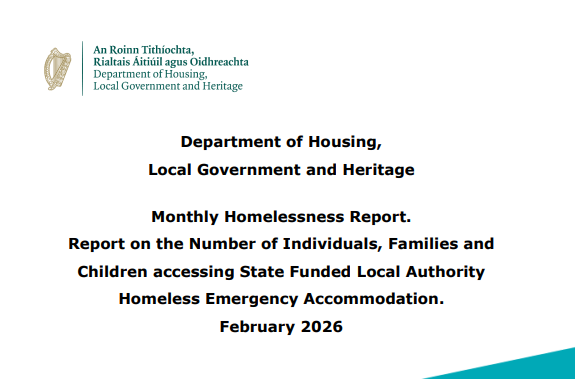
Record homelessness, fuelled by policy, not inevitability The Government’s own February 2026 report shows 17,308 people in State-funded emergency accommodation across Ireland, 11,851 adults and 5,457 children. Families now make up over a quarter of all homeless households (2,609 family households, 26% of the total), with children accounting for more than half of all people in homeless families (5,457 children out of 9,898 people in families). In Dublin alone, the Dublin Region Homeless Executive (DRHE) reports 12,317 people in emergency accommodation at the end of February 2026, an increase of 1,369 people in just one year. Families in emergency accommodation in Dublin have surged by 20% in twelve months, from 1,520 in February 2025 to 1,828 in February 2026, with 4,021 children now living in emergency settings. This is not a temporary bump. The data show a system that is trapping people for longer. By the end of February 2026, 72% of homeless families in the Dublin region had been in emergency accommodation for more than six months, and more than a quarter, 28%, had been there over two years. For single adults, 69% had been in emergency housing for more than six months, with nearly one in four stuck there for over two years. Behind every one of these numbers is a human being, a neighbour, a co‑worker, a child trying to do homework in a hotel room. A system built around emergency beds, not secure homes The Government insists progress is being made through “preventions” and “exits to secure tenancies.” Yet in Quarter 4 of 2025, the national data shows only 840 adults actually exited emergency accommodation into a secure tenancy over three months, while 964 adults were only prevented from entering in the first place by scrambling to create last‑minute tenancies. In total that quarter, 1,436 households were either prevented from entering or exited from emergency accommodation, set against over 10,000 homeless households nationally and rising. In Dublin, February 2026 figures show the churn and the failure starkly. That month, 85 families entered emergency accommodation for the first time, while only 52 families exited into tenancies. For single adults, 127 people became homeless and used emergency accommodation for the first time in February, while just 28 exited to tenancies. More people are being pushed in than are being given a way out. Meanwhile, the system leans heavily on private emergency provision. In the week of 16 to 22 February 2026, more than 8,300 adults nationwide were in private emergency accommodation such as hotels and B&Bs, compared with around 3,500 in supported or temporary emergency facilities. In Dublin alone, over 6,000 adults were in private emergency placements that week. That is public money poured into short‑term beds instead of permanent homes. Families and children pay the highest price The February 2026 figures show 5,457 children in emergency accommodation nationwide – every one of them paying for a political failure they did not create. In Dublin, 4,021 children were in emergency accommodation at the end of February, 587 more than a year earlier. The majority of family households in emergency accommodation are headed by a single parent; nationally, 1,474 of the 2,609 homeless families (over 56%) are single‑parent families. When we talk about “emergency accommodation,” we are talking about babies learning to walk in cramped rooms, teenagers trying to study in noisy corridors, and children travelling long distances to school because they have been uprooted from their communities. This is not “support”; it is managed trauma. This is everyone’s fight, social tenants, HAP and RAS households, and private renters Too often, the crisis is framed as something that only affects people in social housing or those already on homeless supports. The reality is that the same housing model is failing people right across the social and private rental sector. In Dublin, the homelessness data tells us that new family homelessness is being driven by Notices of Termination, rent arrears, and landlords selling up or renovating, the direct consequences of a market that treats homes as assets, not rights. Among single adults becoming homeless in February 2026, key reasons included leaving Direct Provision, relationship breakdown, leaving State institutions, overcrowding and rough sleeping, all made worse by the impossibility of finding an affordable, secure home. Private renters are already on the frontline of this crisis. Sky‑high rents, insecure tenancies, and constant fear of eviction are pushing thousands to the brink every month. Many households are paying unsustainable proportions of their income just to keep a roof over their heads, knowing that a rent increase, job loss, or family crisis could tip them straight into homelessness. Where is taxpayers’ money going? Irish taxpayers are repeatedly told that there is “no alternative” to the current spending on homelessness. But the structure of that spending is a political choice. The national figures show a system heavily reliant on private emergency accommodation, hotels, B&Bs and other for‑profit providers, with thousands of adults placed there every week, year in, year out. In Dublin, the largest concentration of emergency beds in the country, more than 6,000 adults were in private emergency placements during a single week in February 2026, compared with just over 2,200 in supported temporary accommodation. That means a vast share of homelessness funding is flowing straight to private operators rather than into building and maintaining public, permanently affordable homes. At the same time, local authorities continue to argue for rent hikes for social tenants, while tenants themselves report that basic repairs and maintenance have been neglected for years. Households are effectively being charged more for less, while public money props up a deeply broken rental market. Taxpayers are entitled to ask: why is so much of our money being spent sustaining a revolving door of emergency beds and subsidies to private landlords, instead of ending homelessness through large‑scale public and cost‑rental housing? Why are we bankrolling a system that rewards scarcity and speculation? Streetlink Volunteer CEO Padraig Drummond: a call to renters and taxpayers across Ireland “Every month, the official statistics confirm what people in our communities already know: Ireland is not just in a housing crisis, it is in a housing scandal,” said Streetlink Homeless Support CEO Padraig Drummond. “In February alone, over 17,000 people were trapped in emergency accommodation, including more than 5,400 children. In Dublin, more families are entering homelessness than leaving, and the majority of adults in emergency beds are housed in private, profit‑driven facilities instead of public homes. That is not an accident. That is a decision. To every renter in social housing, on HAP or RAS, and in the private sector: this is your fight too. You are being asked to pay higher and higher rents into a system that uses your hardship and your taxes to line the pockets of private landlords and corporate providers. While families are stuck for years in hotels and hubs, public money is being siphoned off to keep that misery going. We need to stand together and say: no more. No to rent hikes. No to evictions into homelessness. No to a model that treats homes as investment vehicles and people as collateral. Taxpayers should be demanding answers as loudly as tenants, because every euro spent on an emergency hotel bed is a euro not spent on building a permanent, secure home. This crisis will not end because a Minister publishes another plan or promises another review. It will end when renters, workers and taxpayers across Ireland refuse to accept this as normal, and when we force our councils and our Government to choose public homes over private profit.” @CATUdbn @CatuFingal @JamesBrowneTD @fiannafailparty @FineGael #homeless #Dublin #ireland On April 13th, ahead of the monthly Dublin City Council meeting, we are asking people from every corner of the rental sector, social, HAP, RAS and private, to join us outside City Hall from 5 p.m. This is not just a Dublin issue; it is a national warning. Department of Housing, Report: assets.gov.ie/static/documen…
Streetlink Homeless Support. tweet media
English
0
1
1
56
Streetlink Homeless Support.
Streetlink Homeless Support.@StreetlinkBAC·
Yesterday showed the power of people on the streets. From the Garden of Remembrance, a strong and determined crowd came together to say clearly: no to rent hikes, no to this housing crisis, and no to a system that puts profit before people. That rally wasn’t just a protest; it was a warning. Ordinary people are organising, and we will not accept being squeezed any further. Because the reality is getting worse. We are now facing record-breaking levels of homelessness, with more families and children being pushed into emergency accommodation every month. Evictions continue across Dublin, forcing people out of their homes and into an already overwhelmed system. At the same time, councils are pushing ahead with rent increases of up to 30%, hikes that will hit those who can least afford it. But this crisis isn’t just about social housing or those on HAP and RAS. Private renters across Dublin are being absolutely hammered, with sky-high rents, little security, and constant fear of eviction. Many are paying well over half their income just to keep a roof over their heads. And let’s be clear: it’s not just tenants paying the price. The taxpayer is footing the bill too, with public money being funnelled straight into the pockets of private landlords and corporate providers. The figures speak for themselves. The Dublin Region Homeless Executive budget has surged from around €90 million a decade ago to over €400 million today. At the same time, the majority of that spending goes to private operators, with estimates showing roughly three-quarters flowing to the private sector. That’s not a housing policy, it’s a transfer of public money into private hands. Meanwhile, councils claim rent hikes are needed for maintenance, yet tenants already pay more in rent than is spent on repairs, while homes are left in poor condition for years. This is a political choice. A single vote passed last year’s rent increase in Dublin City Council. That means it can be stopped. With organisation, with pressure, with people on the streets, we can force change. So this movement must grow. It’s not just those in council housing. It’s not just those on supports. It’s every renter, every worker, every taxpayer being forced to carry this broken system. We need a mass campaign across Dublin to reverse the hikes, stop new increases, and demand real investment in public housing. 📢 Next date for your diary: April 13th, outside City Hall from 5 pm, ahead of the monthly Council meeting. Be there. Bring someone with you. Let’s keep the pressure on. Yesterday was just the beginning. Now we build. @CATUdbn @CatuFingal @CatuBmunFinglas #ireland #dublin #homeless #housingcrisis @followers @topfans
English
0
1
9
176
Streetlink Homeless Support.
Streetlink Homeless Support.@StreetlinkBAC·
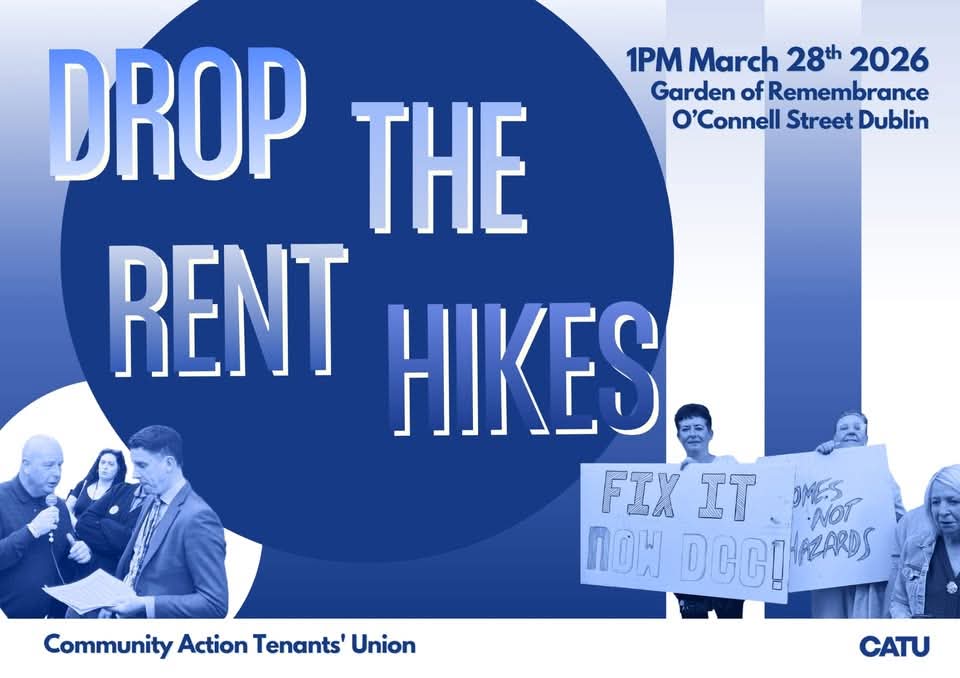
The day is upon us. This Saturday, March 28th at 1pm, we take to the streets from the Garden of Remembrance to say enough is enough. Across Dublin and beyond, people are being squeezed dry, with sky-high rents, rising homelessness, and now the biggest rent hikes in over 30 years. Families, pensioners, and workers are being told to pay more for less, while the government sits on billions. This isn’t a mistake. It’s a system that puts profit before people. But we’re not standing for it. We need your feet on the streets. Join us. Bring your friends, your neighbours, your family. Show that we won’t be ignored. ❌ No to rent hikes ✔️ Fund public housing ✔️ Homes for people, not profit A united crowd is a powerful voice, let’s make them hear it. See you there.
Streetlink Homeless Support. tweet media
English
0
10
17
531
Streetlink Homeless Support.
Streetlink Homeless Support.@StreetlinkBAC·
Clamped Conscience & Petty Tyrants You can smell it before you see it, that sour, bureaucratic rot hanging in the Dublin air. A van gets clamped, and on paper it’s nothing. A minor infraction. A tidy little act of civic enforcement. But this wasn’t some banker’s BMW nudged into the wrong space, this was Streetlinks homeless outreach vehicle, a battered chariot hauling the bare minimum required to keep people alive in a city that has long since stopped caring. Yes, it might have been sitting in an unused taxi bay. Call it a parking sin if you need the comfort. But inside that van were tents for the rain, sleeping bags for the freezing nights, harm reduction gear for those the system has already written off, and Naloxone, the last line of defence between a pulse and a body bag. And some dead-eyed functionary decided that deserved a clamp. You have to be a special kind of coward to do that. The same species that rats to management for sport, that scuttles across picket lines with its head down, that grovels happily at the feet of landlords and calls it “order.” Not powerful people, never that. Just obedient ones. The worst kind. Clamping a homeless outreach vehicle while the people it serves are scattered across doorways and alleyways, that’s not enforcement, that’s moral bankruptcy dressed up as a job. And the real punchline? The clowns doing it are closer to the edge than they think. One bad month, one missed paycheque, and they’re on the same pavement they’ve just made a little colder. Imagine being that kind of bastard. Not evil in any grand, operatic sense, just small, compliant, and utterly devoid of instinct when it comes to human decency. If there’s any justice left in this warped carnival, there’s a corner of hell reserved for that exact breed. Not fire and brimstone, nothing so dramatic. Just an endless, freezing street, and no outreach coming to help. #homeless #dublin #ireland
Streetlink Homeless Support. tweet media
English
0
2
10
504
Streetlink Homeless Support.
Streetlink Homeless Support.@StreetlinkBAC·
We're in crisis! Across Ireland, people are facing a deepening cost-of-living crisis, a worsening housing crisis, and rising homelessness. At the same time, tenants are now being hit with the steepest rent increases in over 30 years. Families, pensioners, and people with disabilities are being asked to pay hundreds more each month from April, even as many are already struggling to get by. In some cases, these increases are being imposed on overcrowded homes and properties in poor condition, with long-overdue maintenance still ignored. These rent hikes are not just happening in Dublin City; they are being rolled out across councils nationwide. They are the result of deliberate government underfunding of public housing, part of a broader strategy that treats housing as a commodity rather than a human right. Ireland has the resources. The government is running a surplus of billions, while tenants are told to pay more for less. Instead of investing in public housing and proper maintenance, the burden is being placed on those who can least afford it. Streetlink Homeless Support stands with tenants who are organising to resist these increases. Stopping the rent hikes will require a strong, collective response from communities across the city. 📍 Saturday, March 28th 🕐 1pm 📌 Garden of Remembrance, Dublin Join the protest to demand: ❌ No to rent hikes ✔️ Proper government funding for public housing ✔️ Investment in maintenance and livable homes This is about more than rent. It is about dignity, security, and the right to a safe home. If you can, come along. Bring your friends, neighbours and family. A visible, united movement is the first step to forcing change. #catuireland #housing #renthikes #homeless #ireland #dublin
Streetlink Homeless Support. tweet media
English
0
1
2
75
Streetlink Homeless Support.
Streetlink Homeless Support.@StreetlinkBAC·
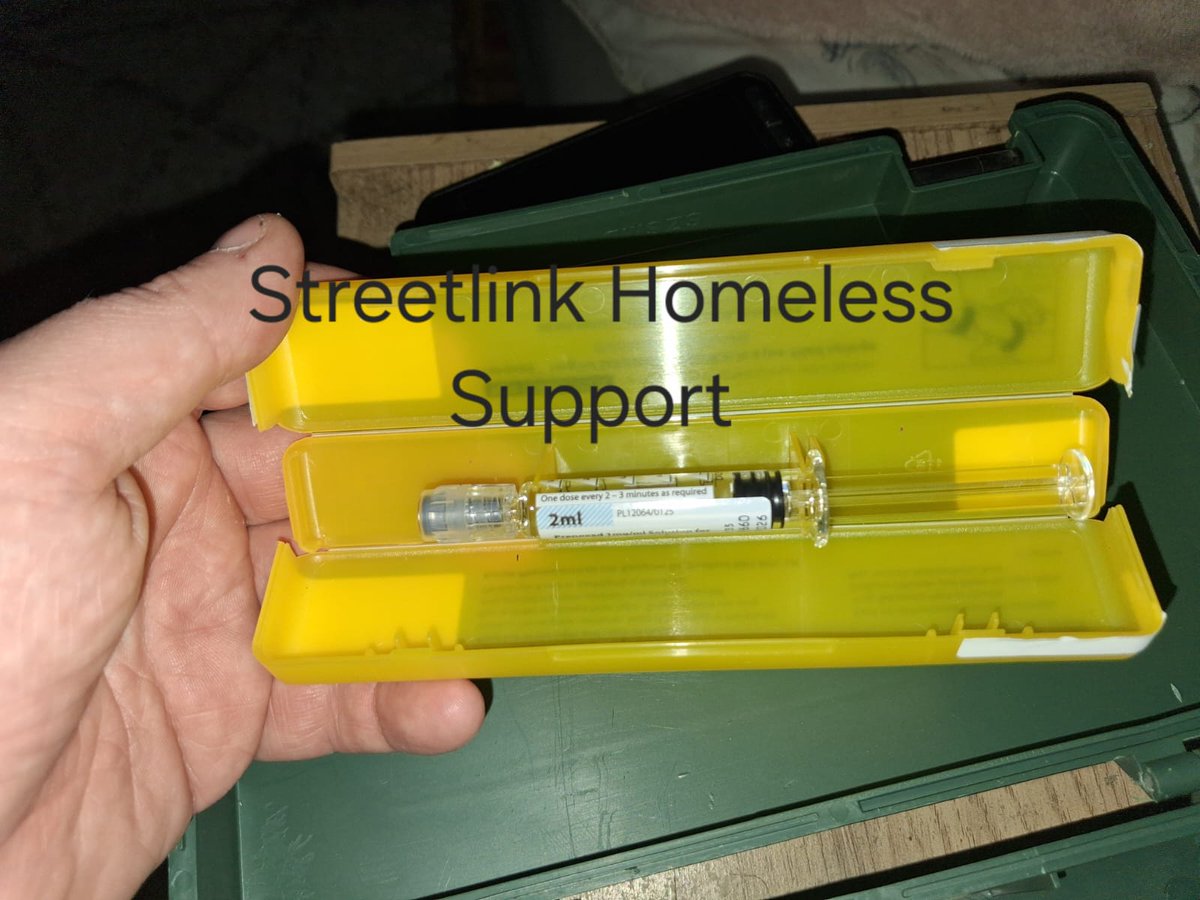
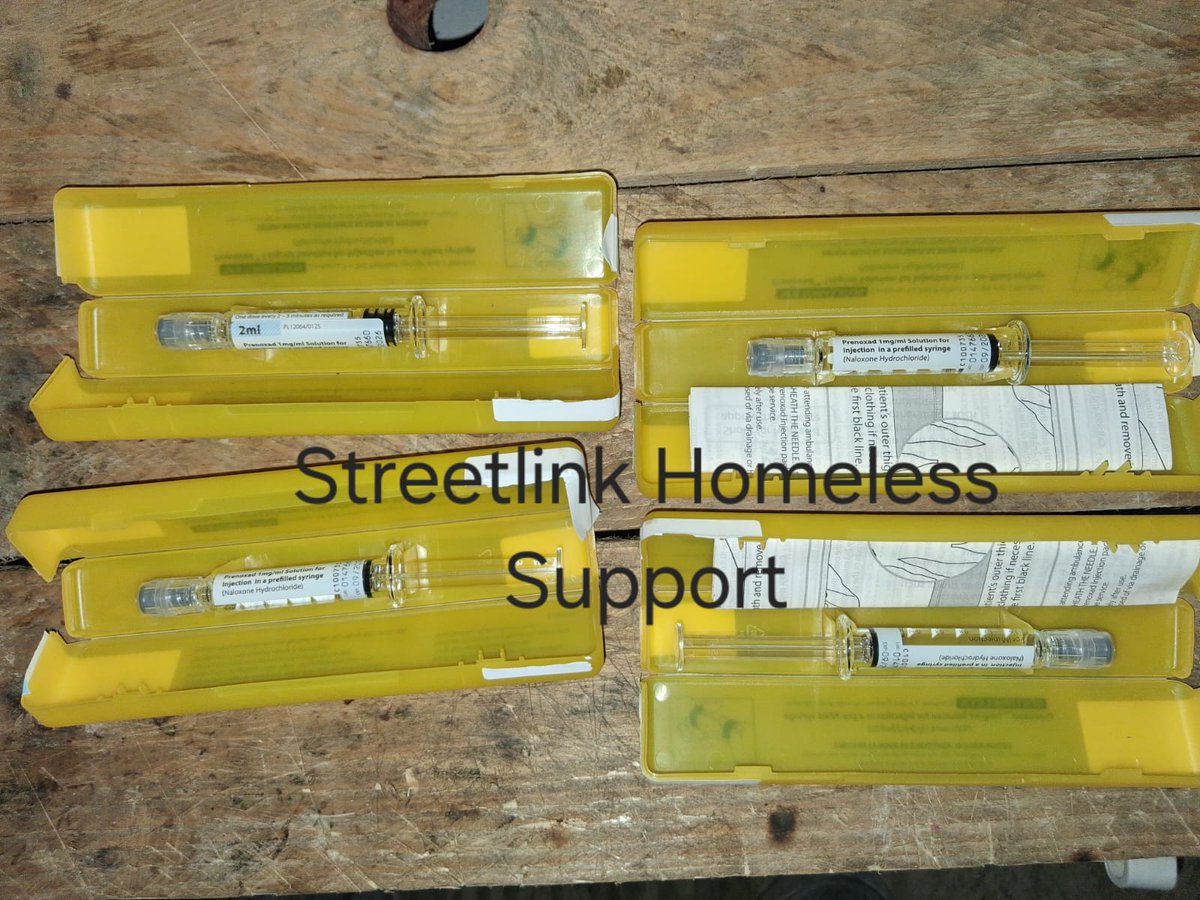
Last year, a non-fatal overdose occurred at one of the homeless encampments regularly visited by Streetlink. In the urgency of the moment, those present acted quickly to try to save the person’s life. Naloxone intramuscular was administered, but through the nasal passage rather than by injection. Later, when speaking with the individuals involved, they explained that in the panic and stress of the situation, they forgot the correct method of administration. Their focus was simply on doing whatever they could to help. Recently, a similar situation prompted Streetlink to carry out a practical overdose response and harm reduction training session. Together, we went through how to recognise the signs of an opioid overdose, including slowed or stopped breathing, unresponsiveness, and blue or grey lips, and the steps that can be taken to respond safely and effectively. We also demonstrated the correct way to administer both intramuscular Naloxone and nasal Naloxone sprays such as Ventizolve/Nyxoid, ensuring everyone had the opportunity to ask questions and practise the process. During this conversation, we discovered the real reason behind the earlier incident. It wasn’t just panic. It was a gap in services. The individuals in the encampment had no access to harm reduction exchanges. As a result, the Naloxone kits had been opened, and the sterile needles inside were taken and used for injecting heroin intravenously. When the overdoses happened, the only Naloxone available were the vials, but the proper equipment for intramuscular injection was no longer there. In the middle of an emergency, people improvised with what they had. Situations like this highlight the difficult realities many people face when they are not connected to formal services. When access to sterile injecting equipment and harm reduction supports is limited, people are forced to make unsafe choices simply to manage day-to-day survival. Streetlink was able to replace the Naloxone kits and ensure that those in the encampment once again had complete, usable overdose response supplies in case of another emergency. More importantly, the team was able to spend time building trust, sharing knowledge, and reinforcing the skills that can help save lives. But this experience is also a reminder that there is still a long way to go. People who are sleeping rough or living in encampments often fall outside the reach of traditional services. Without consistent access to harm reduction supports, overdose prevention, and basic healthcare, the risks they face increase significantly. Every interaction like this reinforces why outreach matters. Meeting people where they are, providing practical support, and ensuring lifesaving tools like Naloxone are available can and do make a difference. Streetlink will continue working to bridge these gaps, but addressing them fully requires wider support, expanded harm reduction services, and a commitment to ensuring that no one is left without access to lifesaving care. #HarmReduction #Naloxone #ireland #dublin @HSELive @HSELive @drugsdotie @HomelessDublin @JamesBrowneTD
Streetlink Homeless Support. tweet mediaStreetlink Homeless Support. tweet media
English
0
2
3
134
Streetlink Homeless Support.
Streetlink Homeless Support.@StreetlinkBAC·
Last Saturday night, a young couple and their friend sought refuge behind the pillars of the Custom House, the office building associated with the Minister for Housing and Homelessness, James Browne. With nowhere else to go, they settled in for the night in the shelter of the building’s granite columns, hoping simply to find a place that might offer some protection from the cold. On Sunday morning, they were moved on by staff from the Minister’s offices. Although beds may have been available through the Dublin Region Homeless Executive (DRHE), the accommodation offered typically involves shared dormitory-style rooms. For many people experiencing homelessness, these dormitory settings can feel unsafe due to concerns about personal security, theft, intimidation, or past traumatic experiences. Because of these safety concerns, the couple and their friend were unwilling to accept that type of accommodation. Instead, they were told to pack up and move along, no shelter here, no place to remain. They were displaced from the relative cover of the granite pillars and pushed out onto the cold pavement below. This raises a difficult question about dignity and compassion. When the only option available is accommodation that people feel is unsafe, is it truly a solution? Where is the humanity in telling people with nowhere safe to go that they must simply keep moving? More importantly, where is the commitment to provide safe, secure, and dignified accommodation for all citizens, housing that people can accept without fear, and where they can rest without worrying about their safety? Until those options exist, scenes like this will continue to play out on our streets. #irleand #Dublin #HousingForAll #Streetlink #homeless
Streetlink Homeless Support. tweet media
English
0
5
8
389
Streetlink Homeless Support.
Streetlink Homeless Support.@StreetlinkBAC·
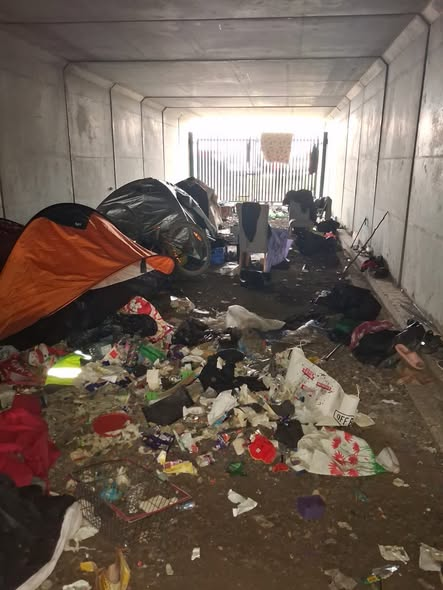
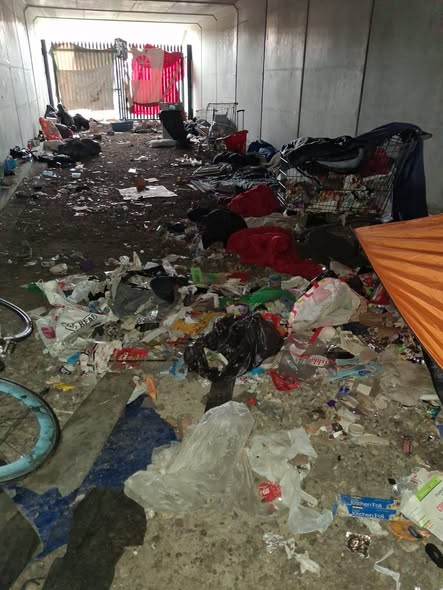
Drug addiction is not a moral failing or a lack of willpower. It is a mental health issue. Most of us have seen the damage drugs can cause. Families are hurt, communities struggle, and lives are lost. The fear around drug use is understandable, and the harm is real. But fear alone should not shape our response. We have decades of evidence showing that treating drug use primarily as a criminal issue has not reduced harm, prevented deaths, or solved the problem. The evidence consistently shows that when personal drug use is treated as a health matter rather than a criminal one, outcomes improve. Decriminalising possession for personal use while keeping trafficking and supply illegal is linked to fewer overdoses, lower rates of HIV transmission, and better access to treatment services. It encourages people to seek help without fear of arrest or lifelong criminal records. Countries that have paired decriminalisation with strong public health investment have seen measurable benefits. Overdose deaths have fallen. The spread of infectious diseases has declined. More people have engaged with treatment and recovery services. Importantly, these changes have not led to the dramatic increases in drug use that many fear. Instead, they have reduced the most serious harms. The distinction between decriminalisation and legalisation matters. Decriminalisation does not create a commercial market for drugs or make them freely available. It simply removes criminal penalties for possession of small amounts for personal use and redirects individuals to health services rather than courts. It is a shift in response, not an endorsement of drug use. Current approaches that rely heavily on criminalisation are not delivering the desired results. Record numbers of drug-related deaths and ongoing rates of unsafe injecting practices demonstrate that punishment alone does not protect public health. In many cases, criminalisation deepens stigma, drives people away from services, and reinforces cycles of marginalisation. Addiction is closely linked to trauma, poverty, mental illness, and social inequality. It is a chronic condition that often involves relapse, just like many other health disorders. We do not respond to other chronic illnesses with punishment. We respond with treatment, support, and long-term care. Drug dependence should be treated no differently. It is also unacceptable that individuals living with addiction and co-existing mental health conditions are routinely denied safe and secure emergency accommodation. Leaving someone to sleep rough, to deteriorate under a bridge or in a doorway, would not be considered acceptable for any other vulnerable person in society. It should not be acceptable in this case. Equally, placing people into crowded, dormitory-style, privately run emergency accommodation alongside others in active addiction is not a solution. It is not therapeutic, it is not accountable, and it does not create the stability required for recovery. Individuals struggling with addiction need appropriate support and, critically, their own-door accommodation, a secure and private space where they can begin to stabilise and engage with services safely. There are proven models that demonstrate this approach works. Finland’s Housing First policy, for example, prioritises providing permanent, self-contained housing as the starting point, alongside wraparound health and social supports. Housing is treated as a basic right, not something that must be earned through recovery. The result has been sustained reductions in homelessness and improved health outcomes. Criminal records do not cure addiction. Prison does not treat trauma. Stigma does not prevent overdose. And homelessness does not promote recovery. If the goal is to reduce harm, save lives, and support long-term stability, then policy must reflect evidence. Shifting from a punitive model to a health-focused one and ensuring access to secure, appropriate housing is not about being permissive. It is about recognising addiction as a complex mental health issue and responding in a way that is humane, practical, and effective. Treating drug addiction as a health condition and providing the stability of proper housing is not a soft option. It is a responsible one. @JamesBrowneTD, for context, currently there are 9 individuals living at the locations depicted below. Even though 6 were offered two-to-a-room accommodation on the 28 of December 2025. This accommodation never materialised. Today, individuals living there are now required to go through stabilisation before entering safe and secure accommodation. #homeless #dublin #ireland #addiction #addictionrecovery.
Streetlink Homeless Support. tweet mediaStreetlink Homeless Support. tweet media
English
0
0
2
48
Streetlink Homeless Support.
Streetlink Homeless Support.@StreetlinkBAC·
At Streetlink Homeless Support, we are formally recognised as a registered charity. That is the legal framework within which we operate, the structure prescribed by the state and the regulatory environment that governs our funding, reporting, and accountability. It is the parameter we are required to work within. But it is not how we define ourselves. Charitable status describes our compliance. It does not describe our purpose. We have always understood Streetlink to be a community-based solidarity organisation. Our work is rooted not in charity as benevolence, but in solidarity as shared responsibility. The people who use our services are not recipients of goodwill; they are members of our community who have been failed by systems that should have protected them. Homelessness is not a personal defect. It is not evidence of moral failure, poor character, or individual inadequacy. It is the outcome of structural conditions, housing shortages, insecure work, underfunded services, and policy decisions that leave people without safety nets. When someone is sleeping rough, sofa-surfing, or without stable accommodation, they are not a failed person in need of charity. They are a rights-bearing citizen whose rights have not been upheld. “THAT DISTINCTION MATTERS!” To see someone as a “charity case” is to place them at the margins, dependent, passive, grateful for assistance. To see someone as a community member failed by the state is to recognise their agency, dignity, and entitlement to justice. It shifts the focus from rescue to redress, from kindness to accountability. Every person who engages with Streetlink is a full citizen. They hold the same rights as anyone else, the right to housing, to safety, to healthcare, to participation, to be heard. Those rights do not diminish because someone is sleeping outside. They do not disappear because someone has experienced trauma, poverty, migration barriers, or mental ill-health. They are inherent. For that reason, our service users must be central, not peripheral, to decisions that affect their lives. We reject models that treat people as problems to be managed or statistics to be improved. Instead, we commit to approaches that place lived experience at the heart of design, governance, and advocacy. Policies about housing, outreach, safeguarding, and support must be shaped with the people most impacted by them. Solidarity demands this. Justice requires it. Operating as a registered charity is a legal necessity. Acting in solidarity with our community is a moral choice. It is the choice we make every day. Streetlink exists not to dispense charity but to stand alongside our community members in asserting their rights, challenging systemic failure, and working toward a society where no one is left without a home and no one is reduced to a label that diminishes their humanity. Pádraig Drummond Volunteer CEO, Streetlink Homeless Support. #homeless #dublin #ireland
Streetlink Homeless Support. tweet media
English
0
0
5
69
Streetlink Homeless Support.
Streetlink Homeless Support.@StreetlinkBAC·
Statement from Streetlinks on yesterday's Oireachtas Joint Committee on Drug Use Dr Richard Healy, Chairperson of Streetlink, alongside Leo Jeffries, addressed the Oireachtas Joint Committee on Drug Use as representatives of the European Network of People Who Use Drugs (EuroINPUD). Speaking on behalf of EuroINPUD, Dr Healy and Leo Jeffries advocated strongly for a health- and human–rights–based approach to drug policy, grounded in self-determination, harm reduction, equality, and the meaningful inclusion of people with recent and relevant experience of drug use. They emphasised that people who use drugs are full rights-bearing citizens and must be central, not peripheral, to decisions that affect their lives. Leo Jeffries highlighted the urgent need for drug policy to be informed by lived experience, particularly in light of the widespread use of cocaine and crack cocaine in Ireland. They warned that current data collection methods often arrive too late to be useful, while people with real-time knowledge are excluded from strategy development. They also raised serious concerns about the global rollback of harm reduction, cautioning against a shift towards abstinence-only approaches and calling for harm reduction to be firmly embedded within Ireland’s national drug strategy, with direct consultation involving people in active use. Dr Healy focused on opioid substitution treatment (OST) in Ireland, especially long-term methadone provision. He stressed that while OST can be life-saving, many people are effectively trapped in systems that offer poor quality of life, limited autonomy, and little opportunity for social reintegration. He challenged the conflation of recovery with total abstinence and highlighted how stigma, under-resourced services, and coercive practices continue to marginalise methadone service users. Both speakers urged policymakers to be brave and inclusive, to learn from international evidence, and to ensure that the forthcoming Citizens’ Assembly on drug use meaningfully addresses the needs and rights of people currently engaged in drug treatment, particularly those on methadone. They reaffirmed their willingness to work collaboratively with legislators, communities, and services to develop compassionate, effective, and evidence-based drug policies for Ireland. Streetlink Homeless Support stands in solidarity with EuroINPUD’s call for dignity, autonomy, and harm reduction to be at the heart of drug policy and practice. The full discussion can be viewed here: oireachtas.ie/.../joint-comm…
English
0
2
2
103
Streetlink Homeless Support.
Streetlink Homeless Support.@StreetlinkBAC·
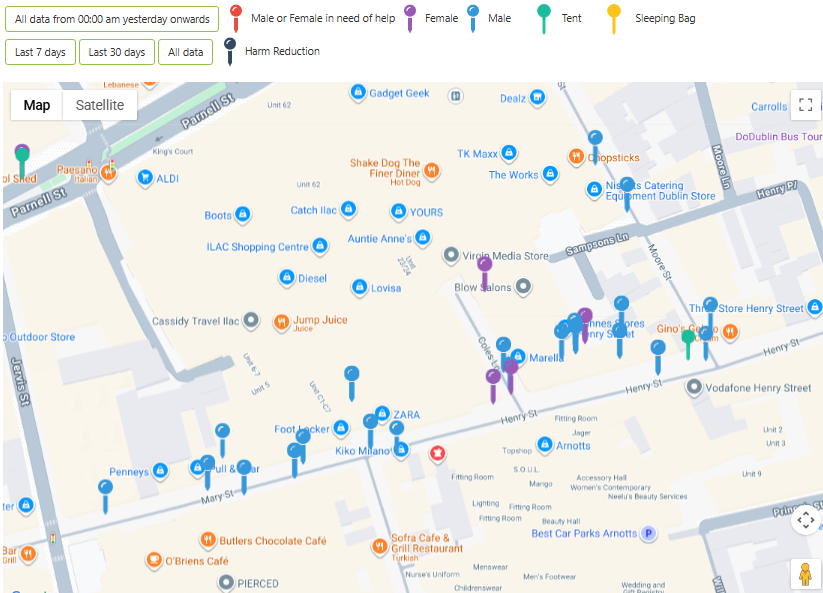
The pavement has won. The system has lost. Again. There’s something deeply wrong when you can stand on a Dublin artery night after night and watch the State’s homeless outreach vans roll past, flinging sleeping bags out the windows like communion wafers at a deranged Mass, and not a single soul rises. Not one poor bastard peels himself off the soaking concrete and heads for “emergency accommodation.” That’s not apathy; that’s a verdict. That’s not a policy hiccup, that’s the flare gun. The red alert. The unmistakable sign that the homeless care system has collapsed into a bureaucratic hallucination, still shambling forward out of pure habit. And yet the powers that be plough on regardless, eyes fixed firmly on the middle distance, issuing nothing, changing nothing, recommending nothing. No reckoning, no rethink, hell, not even the courtesy of a paper shredder to put their failed housing and healthcare policies out of their misery. The machine keeps moving, but it’s running on fumes, denial, and the quiet understanding that nobody at the top is sleeping on cold, wet stone tonight. (For context, 24 individuals slept in doorways around the Henry Street area last night; state homeless services passed through at approximately 11 pm, and at 12:30 pm, 24 individuals remained. This is a nightly routine 365 days of the year) #homeless #dublin #ireland @JamesBrowneTD
Streetlink Homeless Support. tweet media
English
0
4
5
284
Streetlink Homeless Support.
Streetlink Homeless Support.@StreetlinkBAC·
Streetlink Homeless Support condemns in the strongest possible terms the spiralling eviction crisis outlined in today’s figures, which show more than 5,000 eviction notices issued in just three months and eviction rates not seen since the 1850s. What we are witnessing is not a series of unfortunate individual cases but a systemic failure that is pushing people out of their homes and driving more families towards homelessness in a housing market already marked by record rents, dwindling supply and intense competition. In a country with Ireland’s resources and history, it is indefensible that so many tenants live with the constant threat of eviction and housing insecurity. The current situation is the predictable result of policy choices: a rental system treated as a speculative asset class rather than as people’s homes, weak protections for tenants, and a lack of genuinely affordable, secure social and cost-rental housing. Unless government and policymakers act with urgency and courage to radically rebalance the system in favour of housing as a human right, the homelessness crisis will deepen further. Streetlink Homeless Support calls for immediate, concrete measures to stop the flow of people into homelessness: robust and enforceable protections against no-fault evictions, rapid expansion of social and cost-rental housing, and emergency supports that ensure no family is left without a safe place to live. Anything less than structural change now will mean repeating the darkest chapters of our history. Streetlink’s chairperson, Richard Healy, had the following to say: “Our history has already taught us the human cost of eviction, yet Ireland is once again tolerating levels of displacement that belong to the 19th century rather than a modern republic,” “When thousands of tenants are being told each year to leave their homes, this is not just a housing problem; it is a moral failure. We cannot continue to accept a system where profit is protected, but people are disposable. The State must act decisively to end this eviction crisis, to provide real security for renters, and to ensure that homelessness is treated as an emergency to be solved, not a permanent feature of Irish life.” #homeless #dublin #ireland #housingcrisis rte.ie/brainstorm/202…
English
0
2
2
113
Streetlink Homeless Support.
Streetlink Homeless Support.@StreetlinkBAC·
This photo looks like nothing more than a cheap, bitter Maccas coffee; because that’s exactly what it is. But to me, it’s sacred. As a volunteer, you could call it payment, I suppose. A small pause in the middle of homeless outreach. A warm cup pressed into cold hands. It was bought for me last Thursday, during a short break. Bought by one of our long-term homeless friends. A quiet thank you. No speeches. No ceremony. Just coffee. It came from a man who has nothing. A man who had been sitting in the pouring rain all day. A man who still chose generosity. That cup holds more than caffeine. It holds dignity. It holds kindness that survives despite the world trying to crush it. It reminds me why I show up. #homeless #ireland #dublin #dignityatalltimes
Streetlink Homeless Support. tweet media
English
0
3
3
116
Streetlink Homeless Support.
Streetlink Homeless Support.@StreetlinkBAC·
On several occasions over the past two weeks, especially during severe weather warnings, Streetlink’s outreach team has been unable to get a response from the DRHE to book individuals into emergency accommodation. This is unacceptable from the state and a department that now has a budget of over €400 million annually. During bad weather, we require 24-hour access to emergency accommodation, not a phone line that is supposed to operate until 2am but where you can't even get an answer or a call back. #Homeless #Dublin #Ireland
English
0
6
5
263
Streetlink Homeless Support.
Streetlink Homeless Support.@StreetlinkBAC·
Unfortunately, Streetlink will be operating a restricted service tonight and will be providing call-out services only over the weekend. If you know the location of a homeless encampment or see someone in need of assistance, please get in touch with us using the details below, and we will attend the location and assist as best we can. Proactive Outreach Team T: 01 234 3752 M: 087 434 7052 E: info@street-link.ie Streetlink is a peer-led, unfunded voluntary charity and relies solely on public donations to continue our work. If you are in a position to support us, please consider making a donation. PayPal: paypal.me/streetlink Or via bank transfer: Bank of Ireland Streetlink Homeless Support IBAN: IE58 BOFI 9006 9055 5043 96 BIC: BOFIIE2D Every contribution helps us stay on the streets supporting people who need it most. #homeless #dublin #ireland
Streetlink Homeless Support.@StreetlinkBAC

Adverse Weather Outreach. Streetlink Homeless Support carried out proactive and assertive outreach across Dublin city during the period of adverse weather on 5 and 6 February 2026. The outreach covered both northside and southside routes. The purpose of this outreach was to locate, engage with, and support individuals sleeping rough in extremely dangerous weather conditions. Volunteers worked to provide immediate assistance, harm reduction supports, and referrals where possible in order to reduce risk and prevent harm. The first recorded engagement took place on 5 February at 15:21. The final engagement was recorded at 02:04 on 6 February 2026. This represents a sustained outreach operation lasting more than ten hours and continuing late into the night as weather conditions deteriorated. Outreach data recorded 101 males and 17 females sleeping rough across the city. Nineteen tents and twenty-nine sleeping bags were distrabuted. Six harm reduction interventions were carried out, including naloxone provision and overdose awareness training was provided to individuals at risk. Volunteers repeatedly encountered people sleeping in doorways, on streets, and in makeshift arrangements who were completely soaked through. In many cases, sleeping bags were saturated and no longer providing insulation, while clothing was absolutely soaked through, placing individuals at high risk of hypothermia. People were attempting to shelter in doorways and alcoves that offered little or no protection from wind and driving rain. These conditions were life-threatening. Throughout the outreach period, attempts were made to contact State homeless services for support and escalation. No response or meaningful engagement was received. This is simply not good enough when people’s lives are clearly at risk due to extreme weather. Frontline voluntary services should not be left carrying this responsibility alone while statutory services remain unreachable. The events of this outreach further highlight that the Dublin homeless care system is not fit for purpose, particularly during adverse weather conditions. The Dublin Region Homeless Executive has stated that over 80 percent of people sleeping rough are PASS card holders who have previously accessed emergency accommodation but now refuse it. The reasons for this are complex and well documented. Many individuals have experienced assault or theft in dormitory-style accommodation, or have witnessed such behaviour, creating genuine fear of returning to those environments. Others are in treatment, recently out of treatment, or attempting to stabilise, and report a significant fear of relapse when placed back into shared dormitory accommodation with people in active addiction. For many, returning to emergency accommodation means returning to the "hostel merry-go-round" and undoing progress they have worked hard to achieve. Streetlink's volunteer chairperson, Dr Richard Healy stated that: "When people choose to remain on the streets during extreme weather, this should not be dismissed as a refusal of services. It is a clear reflection of a system that does not provide safe, appropriate, or trauma-informed options." Yesterday’s outreach demonstrates both the commitment of Streetlink Homeless Supports volunteers and the serious shortcomings of the current homelessness response in Dublin. People were found in soaked clothing and bedding, exposed to severe weather, while statutory services were unresponsive. This situation places lives at risk and cannot continue. Emergency responses must be accessible, responsive, and suitable for the realities faced by people sleeping rough, particularly during adverse weather events. #homeless #dublin #ireland @followers @followers

English
0
1
0
54