Dr Suzanne Jobling retweetledi
Dr Suzanne Jobling
619 posts

Dr Suzanne Jobling
@SuCMJobling
History PhD, interest in women's history, equal pay and sex discrimination cases, ex-IT consultant, also an avid reader and cat lady
Belfast Katılım Temmuz 2011
331 Takip Edilen105 Takipçiler
Dr Suzanne Jobling retweetledi

The Original Cat Lady
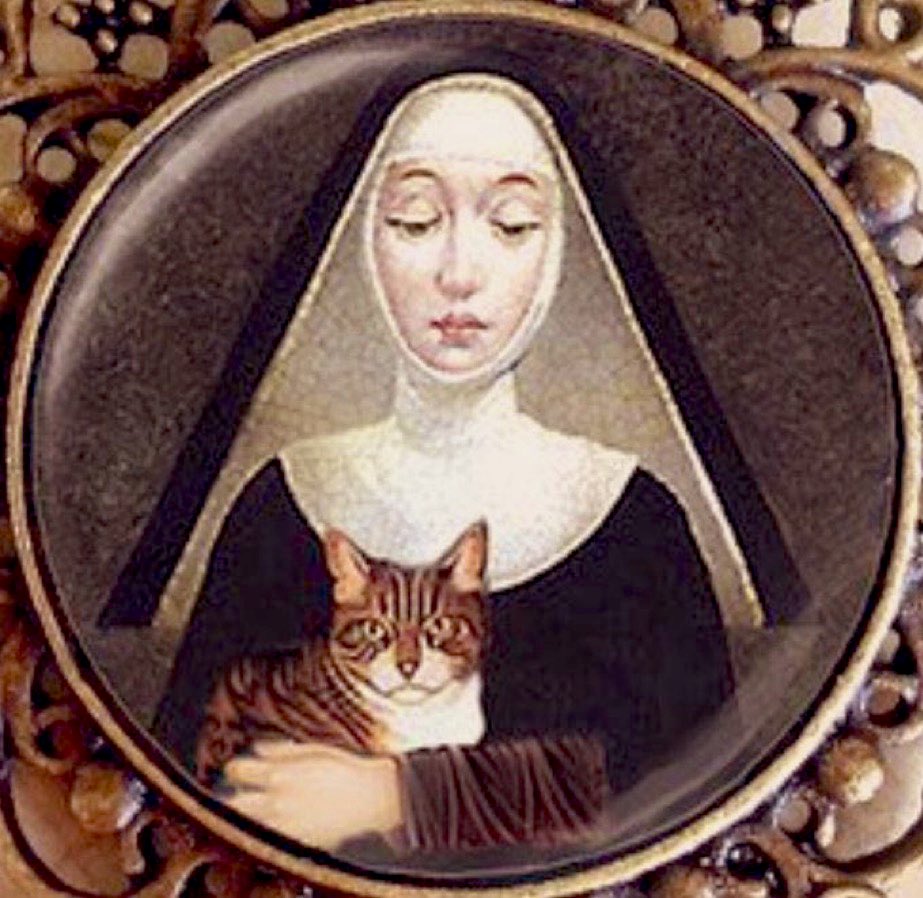
St. Gertrude of Nivelles is recognized as the patron saint of cats. She was a seventh-century abbess who founded the Abbey of Nivelles. (626-659) Her feast day is celebrated on March 17th.
#StGertrudesDay

English
Dr Suzanne Jobling retweetledi

It's so funny to me that Mary Shelley, her husband, John Polidori, and Lord Byron had a competition to see who could write the best horror story and she wrote fucking Frankenstein. Imagine losing a competition that badly. Imagine just doing a silly little competition with your friend and she basically invents a new genre and creates one of the most famous characters in fiction. Imagine being proud of your little story and then she shares one that people will still read every day in 200 years. Imagine doing a writing competition with your wife and she becomes so recognizable that you'll always be known as Mary Shelley's husband
English
Dr Suzanne Jobling retweetledi

Dr Suzanne Jobling retweetledi

@a_martin33 Or Lockwood's strange dream with the sermon at the beginning...
English

@a_martin33 That's how i see it too - it's an interpretation, I don't think it's really claiming to accurately reproduce the book - it would be very difficult to accurately represent it
English

@SuCMJobling Ive just started the book. Enjoying it but not sure why the film was so different. Maybe just a diff interpretation.
English
Dr Suzanne Jobling retweetledi

Standing tall and sharp-eyed, Ena Sharples surveys the gritty, industrial heart of early 1960s Manchester and Salford—the world of Weatherfield, where cobblestone streets echo with the rhythm of factory whistles and the smell of coal smoke hangs in the air. With her signature hairnet and no-nonsense gaze, Ena isn’t just a character; she’s the embodiment of resilience, tough love, and old-school street wisdom.
In this era of mills, terraced houses, and bustling markets, Ena’s watchful presence reminds us of a world on the cusp of change—where communities were tight-knit, secrets ran deep, and life was lived with a mix of humor, grit, and unwavering honesty. She sees it all: the triumphs, the heartbreaks, the everyday drama that would soon unfold in the legendary streets of Weatherfield.
Ena Sharples wasn’t just a matriarch; she was the guardian of a city in flux, a witness to history, and a reminder that even in the hum of factories and the haze of industry, human stories always shine the brightest.
© Historic UK
#archaeohistories

English
Dr Suzanne Jobling retweetledi

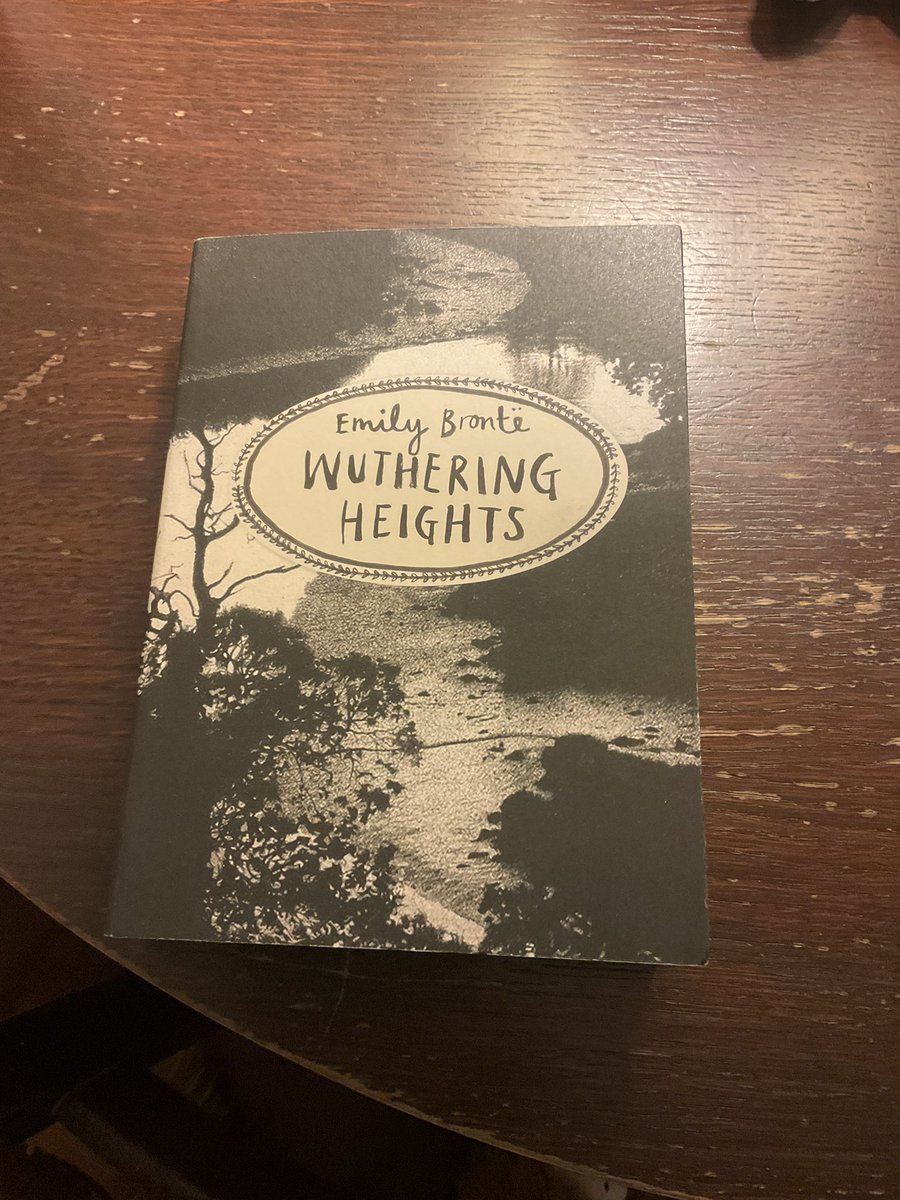
the comments on "Wuthering Heights" just seem so sad. it is evident that many/most commentators had only read Part I, not Part II; the novel is hugely ambitious in dramatizing quite an arc of experience, in fact decades. astonishing accomplishment for first-time novelist, like "Jane Eyre" by Emily's sister Charlotte Bronte.
perhaps it has just become impossible in the 21st century for readers to grasp a work of the 19th century; as a professor of literature, I think I would not even try to "teach" this today except to literary-minded undergraduates who will have little trouble understanding it.
Summer Jaeger@SummrWrites
I’m not saying that your daughters shouldn’t read Wuthering Heights, but I am saying that hopefully before they do, you will have helped them grow an immune system that will be able to recognize it for the garbage that it is.

English
Dr Suzanne Jobling retweetledi

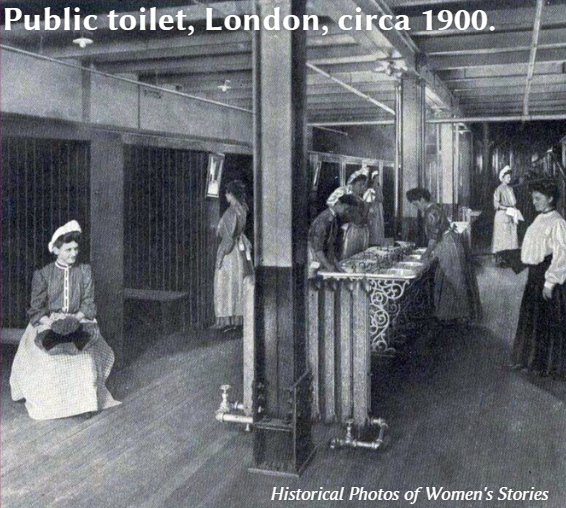
On this day, the 11th February, 1852, the first public flushing toilet for women opened at 51 Bedford Street, Strand. This marked a crucial, if tentative, step toward addressing the needs of women in public spaces.
While men's facilities had existed in rudimentary forms for centuries, women's access was severely limited, often confining them to private homes or select venues like department stores.
Separate sex toilets were essential to this revolution. Men's facilities often included urinals for quick use, while women's required cubicles for privacy during menstruation, changing sanitary products, or other needs that left users vulnerable. Mixed or inadequate provisions would have perpetuated exclusion, as women faced heightened risks of harassment, discomfort, or health issues like urinary tract infections from holding in urine. This separation ensured dignity, safety, and accessibility, allowing both sexes; but especially women, to break free from domestic confines and contribute to society.

Jennifer Thetford-Kay@JenKteach
English
Dr Suzanne Jobling retweetledi