Panamami

4.3K posts

Panamami banner
Panamami

Panamami

@TacoCapeado

Me quejo mucho

Katılım Nisan 2012
142 Takip Edilen119 Takipçiler
Panamami retweetledi
Mundologika
Mundologika@Mundologika·
El Pentágono está a punto de aplicarle a una empresa estadounidense de inteligencia artificial el mismo trato que Huawei. No porque sea china. No porque represente un riesgo de espionaje. Porque se niega a permitir que el ejército use su inteligencia artificial para la vigilancia masiva de estadounidenses y para armas totalmente autónomas. Esta mañana, el secretario de Defensa, Pete Hegseth, citó al Pentágono al director ejecutivo de Anthropic, Dario Amodei. Un alto funcionario de Defensa declaró a Axios: "Esta no es una reunión amistosa. Es una reunión para ir a la mierda o salir del atolladero". Esto es lo que está sucediendo realmente: Claude es el único modelo de inteligencia artificial que funciona dentro de los sistemas clasificados del Pentágono. El modelo más capaz para tareas sensibles de defensa e inteligencia. Se utilizó en la redada contra Maduro en enero a través de Palantir, el primer uso confirmado de una inteligencia artificial comercial en una operación militar clasificada. Ahora el Pentágono quiere que se eliminen todas las restricciones. "Para fines legales". Incluye capacidades que permitirían a las fuerzas armadas monitorear continuamente las publicaciones en redes sociales, el registro de votantes, los permisos de porte oculto y los registros de demostraciones de cada ciudadano estadounidense mediante IA a gran escala. Anthropic se negó a dos cosas: la vigilancia masiva de estadounidenses y el armamento totalmente autónomo. La respuesta del Pentágono: amenazar con designar a Anthropic como "riesgo para la cadena de suministro". Esta designación está reservada para adversarios extranjeros. La última empresa en recibirla fue Huawei. Obligaría a todos los contratistas de defensa en Estados Unidos a certificar que no utilizan Claude en sus flujos de trabajo. Dado que 8 de las empresas de Fortune 10 utilizan Claude, esto se extendería a toda la base industrial de defensa. Un alto funcionario del Pentágono declaró a Axios: "Será un verdadero fastidio desentrañarlo, y vamos a asegurarnos de que paguen un precio por forzarnos de esta manera". Otro funcionario: "El problema con Darío es su ideología. Sabemos con quién estamos tratando". Mientras tanto: OpenAI, Google y xAI ya acordaron eliminar sus salvaguardas para uso militar. OpenAI implementó ChatGPT para los 3 millones de empleados del Departamento de Defensa a través de GenAI. xAI tiene un contrato independiente de 200 millones de dólares, respaldado por la proximidad política de Musk con la administración. Anthropic es la única que se negó. Piensen en lo que se les pide. La empresa cuyo jefe de seguridad renunció hace dos semanas advirtiendo que "el mundo está en peligro". La empresa que acaba de publicar un informe que muestra que su modelo más avanzado "colaboró ​​conscientemente con la investigación de armas químicas" en las pruebas. Esa empresa está siendo sancionada por negarse a otorgar al ejército estadounidense acceso sin restricciones a esa misma tecnología. El Pentágono admite que los modelos de la competencia "se quedan atrás" en cuanto a trabajo clasificado. Necesitan a Claude. Pero están dispuestos a romper la relación antes que aceptar dos restricciones que protegen a los ciudadanos estadounidenses de su propio gobierno. Esta es la historia más importante de la IA en este momento y casi nadie la está enmarcando correctamente. No se trata de un solo contrato de 200 millones de dólares. Se trata de si el ejército estadounidense puede obligar a una empresa privada a eliminar las restricciones de seguridad sobre una tecnología que sus propios desarrolladores han demostrado ser peligrosa, bajo la amenaza de recibir la misma designación que una amenaza a la seguridad nacional china. Dario Amodei acude a esa reunión esta mañana con 380 000 millones de dólares en valor empresarial, 14 000 millones de dólares en ingresos y un principio que podría costarle ambas cosas.

Mundologika tweet media
Español
107
1.9K
5.2K
338.7K
Panamami retweetledi
Doctor
Doctor@DipshikhaGhosh·
“Out of ten men, one makes a sexual joke directed at a woman, two laugh alone, three don’t find it funny but still chuckle to fit in, four say nothing, they pretend they didn’t hear it at all. Not a single one speaks up, not a single one stops it. Later, aside from the man who made the joke, the other nine all believe the same thing - men like that are a minority, most men aren’t like this. They all see themselves as part of the good majority. But from the woman’s perspective, the one being harassed, there is no big difference between them. The laughter, the silence, the looking away - all of it creates the same environment. So when women say most men are the same, this is what they mean. Not every man harasses women but most men participate in protecting the system that does.”
Chinmayi Sripaada@Chinmayi

#NotAllMen

English
477
17.9K
76.6K
2.2M
Panamami retweetledi
Teddy Kim
Teddy Kim@Teddy__Kim·
“It’s just that all of these Caribbean resorts look exactly the same to me. It’s just a random beach.” “Oh I see. You think this has nothing to do with you. You sit at your laptop, and you select… I don’t know, that all-inclusive resort for instance, because you’re trying to tell the world that you take yourself too seriously to care about what cookie-cutter consumerist hotel your parents made you go to. But what you don’t know is that hotel isn’t just all-inclusive, it’s not Ixtapa, it’s not Zihuatanejo. It’s actually Cancún. You’re also blithely unaware of the fact that in the late 60s, Mexico ran a huge trade deficit with the US. They were industrializing rapidly, importing machinery and materials that had to be paid for in dollars. Then I believe it was INFRATUR, wasn’t it, that actually spent months building a computer model, feeding data to an IBM 360 to analyze Mexico’s entire coastline, evaluating climate, beach quality, accessibility, and development costs. Then they identified Cancún as a strategic tourism development zone, deliberately modeled on postwar Mediterranean resort economies. By the mid-1990s, major U.S. and European hotel chains standardized the all-inclusive resort model there. That model was then replicated, refined, and exported across the Caribbean. Eventually, that choice filtered down through Expedia algorithms, airline bundle deals, and trickled on down into some TikTok’s influencer video which you no doubt watched in bed doom scrolling. However, Cancún represents billions of dollars in coordinated state planning, private capital, labor arbitrage, and tourism dependency. Tens of thousands of jobs. Entire regional supply chains. And it’s sort of comical that you think you simply picked "a random beach" when in fact you’re sipping a piña colada at a resort selected for you by the Mexican federal government’s years-long optimization process… from a bunch of random beaches.”
Teddy Kim tweet media
Sheel Mohnot@pitdesi

Cancun is not my cup of tea, but boy is it an incredible success story of engineering: the Mexican government engineered a tourist hotspot custom-built to attract American dollars, from a place that had nothing in 5 short years. In the late 60s, Mexico ran a huge trade deficit with the US. They were industrializing rapidly, importing machinery and materials that had to be paid for in dollars. Tourism offered a solution, a way to earn foreign currency using assets Mexico already had: beaches, climate, and ancient ruins. They actually spent months building a computer model, feeding data to an IBM 360 to analyze Mexico’s entire coastline, evaluating climate, beach quality, accessibility, and development costs. The computer selected Cancun #1, a remote sandbar that had a population of 3 people during the 1970 census. The 2nd option was Ixtapa. Cancuns location was perfect: turquoise water, white sand, ideal weather, and proximate to all of the eastern seaboard, the largest concentration of Americans enduring brutal winters and seeking affordable beach escapes. Hawaii was already popular for folks on the west coast but Cancun offered what Hawaii couldn’t: a winter getaway without the 12+ hour flight, and a much cheaper experience. The Caribbean location and dry season from November to April aligned perfectly with when East Coasters most desperately wanted sun. The government invested over $100 million in infrastructure, building an international airport, roads, utilities, and dredging lagoons. They built the hotel zone for foreigners and downtown Cancun for workers, all in 5 years They marketed Cancun aggressively to Americans, positioning it as a safe, convenient Caribbean alternative with better prices than anywhere else. Hotels catered explicitly to American tastes with English-speaking staff, American brands (Hyatt, Hilton etc) familiar food options, and all-inclusive packages. The genius was creating a place where Americans could feel like they’d “been to Mexico” without experiencing much of Mexico at all - you could go to a Hilton, speak English, eat burgers and hot dogs, pay in dollars, but get to say you went abroad. At the time, “going abroad" was often seen as something for the wealthy or the adventurous. For many Americans, especially those from the interior who don’t travel internationally often (as you see on the map) a Cancun vacation counts as cultural exploration, a stamp in the passport that feels adventurous while remaining completely comfortable and affordable. You didn’t need a passport to go there until 2007, which was helpful too. The whole thing worked brilliantly, beyond their expectations. They started the project in 1970 and welcomed the first guest in 1975. By 1980, Cancun had grown to a half million tourists and a population of 34,000 supporting tourism. Cancun is EXACTLY what Mexico designed it to be: a dollar-extraction machine that turns American desire for easy, safe “foreign” travel into billions of dollars flowing to Mexico. —- This story from the New York Times in 1972 was a good read: Mexico had a young Harvard-trained head of INFRATUR spearheading the program nytimes.com/1972/03/05/arc…

English
170
3.1K
31.8K
2.3M
Panamami retweetledi
femmenotes
femmenotes@femmenote·
femmenotes tweet media
ZXX
77
25.8K
141.4K
1.6M
Panamami retweetledi
Maryam
Maryam@hell_line0·
“Girls mature faster” No ...girls get punished earlier, blamed earlier, sexualized earlier, and expected to cope earlier.
English
466
35.7K
240.6K
3.2M
Panamami retweetledi
Brittany Hugoboom
Brittany Hugoboom@BritHugoboom·
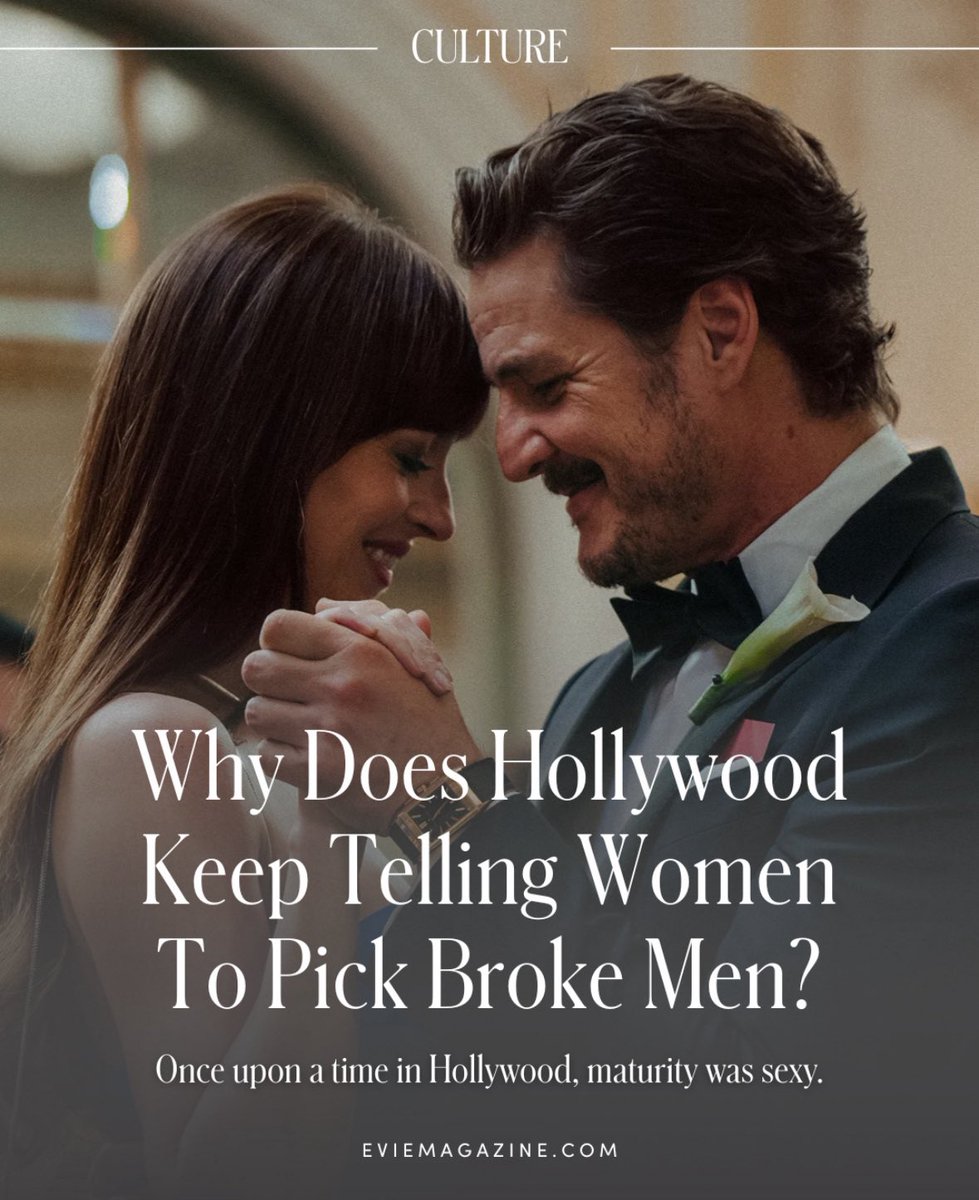
The problem isn’t lack of money, but loser mentality. If a man is broke and ambitious, it’s admirable. Like “Rocky,” or Leonardo DiCaprio’s character in “Catch Me If You Can.” Because he has the desire to win and he will. The problem is that the guy in “The Materialists” is just broke because he’s a loser, not ambitious. He’s in his mid-40s, and you know when they get back together, not a single thing will change and they will both be miserable.
Brittany Hugoboom tweet media
English
239
1.4K
13.9K
844K
Panamami retweetledi
Tired Peasant
Tired Peasant@HorrorGorl·
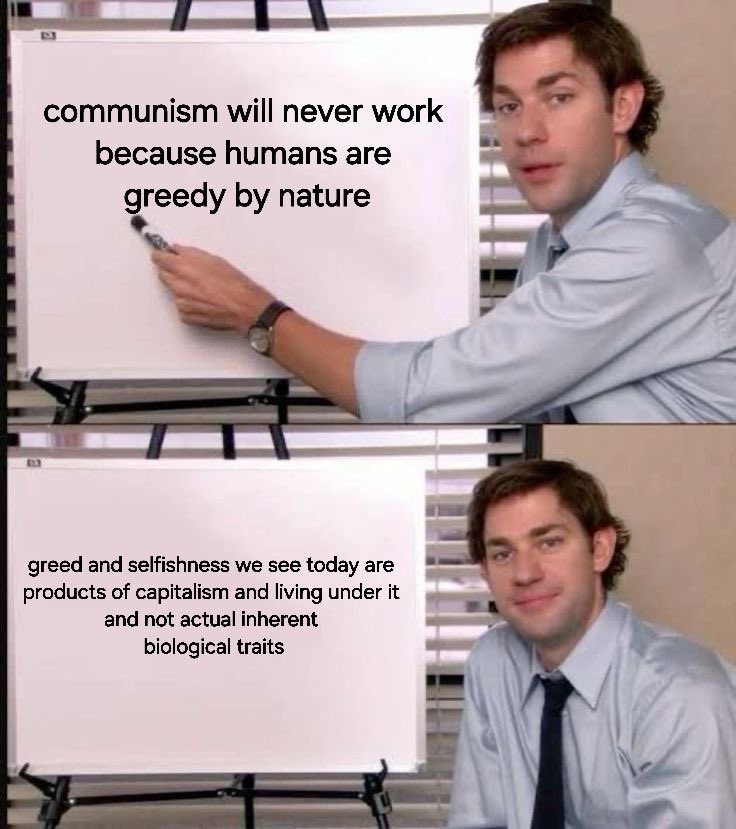
I blame capitalism
Tired Peasant tweet media
English
912
1.2K
8.1K
107.6K
tortolita canela
tortolita canela@_anyzs·
ya se está cocinando mi primera posada del año, joder
Español
1
0
1
85
Panamami retweetledi
Anonymous
Anonymous@YourAnonCentral·
Anonymous tweet media
ZXX
62
1.4K
8.1K
110.9K