Tanmaykumar Varma retweetledi
Tanmaykumar Varma
958 posts

Tanmaykumar Varma
@TanmayVarma
PhD Scholar at Department of Pharmacoinformatics, NIPER SAS Nagar MS in Pharmacoinformatics, NIPER Kolkata
Katılım Kasım 2015
170 Takip Edilen95 Takipçiler
Tanmaykumar Varma retweetledi

In #COCbenthamscience, The Review article "Synthesis of Spiro-oxindoles (Spiroindolones) via Oxidative Ring Contraction Approach." gets the easiest and the best way to synthesize spiro-oxindoles via oxidative ring contraction. DOI: 10.2174/0113852728253596230920115307
English
Tanmaykumar Varma retweetledi

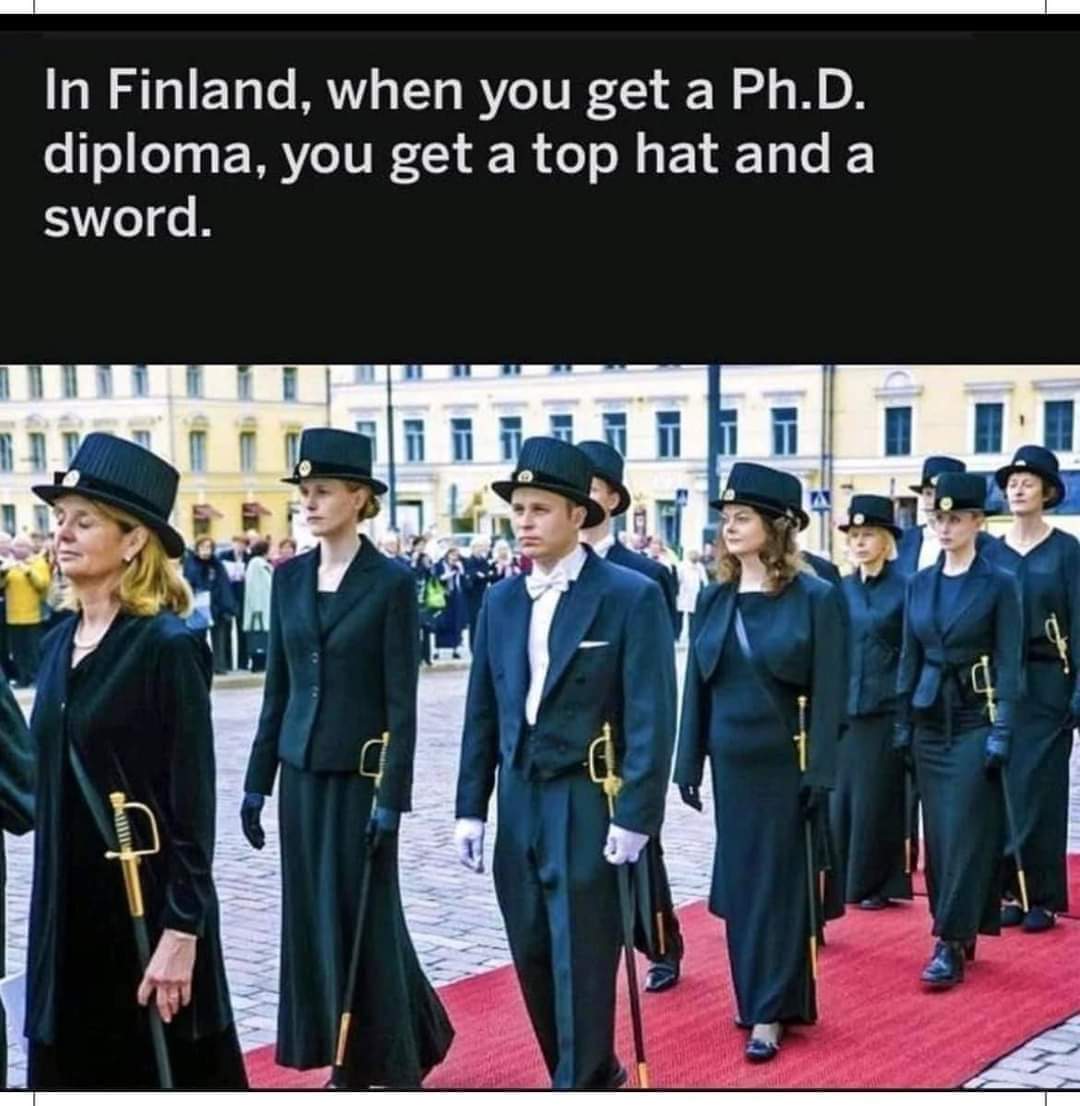
Transferring my #PhD to Finland immediately. Top hat + sword > floppy hat.
#PhdVoice #PhDLife #PhDTwitter

English
Tanmaykumar Varma retweetledi

Machine Learning-Based Drug Repositioning of Novel Janus Kinase 2 Inhibitors Utilizing Molecular Docking and Molecular Dynamic Simulation #Docking #MolecularDynamics
pubs.acs.org/doi/10.1021/ac…
#JCIM Vol63 Issue21 #MachineLearning #DeepLearning
English
Tanmaykumar Varma retweetledi

Registration to the 2024 Workshop on Free Energy Methods in Drug Design is now open:
ssl.eventilla.com/attend/d1LEq?t…
Vytas@VytasGapsys
The 2024 edition of the Free Energy Workshop will take place in Leiden, Netherlands, 13-15th May, 2024! We have not yet opened registration, but you can already book the dates in your calendars. Keep an eye on the wiki for further information: alchemistry.org/wiki/2024_Work… #alchemy2024
English
Tanmaykumar Varma retweetledi

At 1:45 AM last night, a heinous crime took place on our campus. 2 of our students were physically and sexually molested by 3 goons on motorbike. This is not isolated incident, and it's time for change.
@CMOfficeUP
@IITBHU_Varanasi @dpradhanbjp @narendramodi @PMOIndia
#IITBHU
English
Tanmaykumar Varma retweetledi

If you're interested in doing a PhD with my lab to help harness protein dynamics for drug discovery and the interpretation of variants, there's a number of PhD programs to consider!
Biochemistry & Molecular Biophysics or Genomics and Computational Biology through BGS
med.upenn.edu/bgs/phd-applic…
and Bioengineering
be.seas.upenn.edu/doctoral/admis…
English
Tanmaykumar Varma retweetledi

A difficult challenge to overcome. 😂
twitter.com/DaleRTyMG/stat…
English
Tanmaykumar Varma retweetledi

Physics teachers. A model for showing air resistance, from an idea shared by @legophysicsguy at #IOPBrecon2023 . Used @Lascells radioactivity cubes here but Lego or dice would also work 🙂
English
Tanmaykumar Varma retweetledi

Tanmaykumar Varma retweetledi

Common Probability Distributions That Occur In Nature And Why Mathematics Is The Language Of The Universe
Fundamentally the patterns of the universe repeat themselves making machine learning and AI possible.
Basically, when training ML models, including NNs we are attempting to model the patterns in the data. A good model can predict unseen data points that are part of the original data distribution.
Here are the common probability distributions and where they occur naturally
Symmetry and normal distributions - Nature loves balance. You see it in butterfly wings, faces, and even in physical laws. Natural phenomena that exhibit symmetry often fit well with a normal distribution.
The Central Limit Theorem tells us that the sum of many independent, identically distributed variables approaches a normal distribution. These distributions are characterized by a mean and a standard deviation and everything from human heights, IQ scores, and even the velocities of molecules in a gas follow a normal distribution
Log-normal distribution - If the logarithm of the variable follows a normal distribution, then the variable itself has a log-normal distribution. The distribution of financial assets, or the sizes of particles generated by grinding, blood pressure, and metabolic rates in various organisms often follow a log-normal distribution.
The Log-Normal Distribution often arises from multiplicative growth processes, where you're repeatedly multiplying by some random factor.
Uniform Distribution. This is self-explanatory. All outcomes are equally likely. In the continuous case, the probability density function is flat between the minimum and maximum values. Rolling a fair die, or picking a card from a well-shuffled deck follows uniform distributions
Poisson Distribution It describes the probability of a given number of events occurring in a fixed interval of time or space. The events must occur with a known constant mean rate and independently of each other. It is the go-to for predicting rare events.
Poisson distribution models the number of times a radioactive atom decays in a given time period, or the number of cars passing through a certain point in a given time frame.
If a particular intersection sees an average of 10 cars passing through it per minute, the Poisson Distribution can estimate the probability of 15 cars passing through in the next minute. Similarly in sports like hockey or soccer where goals are rare, you can use distribution to model the number of goals scored by each team.
Bernoulli Distribution, the binary star of the probability universe! Scientifically speaking, it's a discrete probability distribution that models a single experiment with exactly two outcomes, often termed "success" and "failure," and is characterized by a single parameter p, the probability of success.
The flip of a coin, genetic inheritance (you either have a trait or you don't), and the polarization of a single photon (either vertical or horizontal) model this distribution.
Binomial Distribution It describes the number of successes in a fixed number of independent Bernoulli trials, each with the same probability of success.
For example, The number of heads when flipping a coin multiple times, or the number of defective items in a batch of manufactured goods can be modeled with this distribution.
Exponential Distribution models the time you have to wait for the next event in scenarios where events happen independently and at a constant average rate. It's often used to describe phenomena like the time between bus arrivals or the intervals between radioactive decay events.
In essence, it's the go-to distribution for understanding "waiting times" in various natural and man-made systems.
This is a summary of the most common distributions. There are a bunch of other distributions that are related or variations on the above distributions and the image below captures some of them.
These naturally occurring distributions speak to why mathematics is the language of the universe and how you can use it to model and predict its behavior

English
Tanmaykumar Varma retweetledi

[Jobs and Events] PhD Position: Molecular Dynamics & Machine Learning at Stevens Institute of Technology:
charmm-gui.org/?doc=jobs&view…
English
Tanmaykumar Varma retweetledi

1/ 🚀 BIG NEWS in the world of biology & molecular simulations! The Molecular dynamics simulation (MDS) is about to get a major upgrade. But first, let's talk about what it is and why it matters. #MolecularDynamics #compchem #structuralbiology #protein 👇

English
Tanmaykumar Varma retweetledi

Understanding Drug Skin Permeation Enhancers Using Molecular Dynamics Simulations #MolecularDynamics
pubs.acs.org/doi/10.1021/ac…
@eriklindahl
#JCIM Vol63 Issue15 #PharamceuticalModeling
English
Tanmaykumar Varma retweetledi

We are hiring a postdoc (2 years, starting 2024) in simulations of membranes and membrane proteins.
Highly competitive salary, interdisciplinary environment and wonderful colleagues in Denmark.
Please spread the word and link:
sdu.dk/en/service/led…
English
Tanmaykumar Varma retweetledi

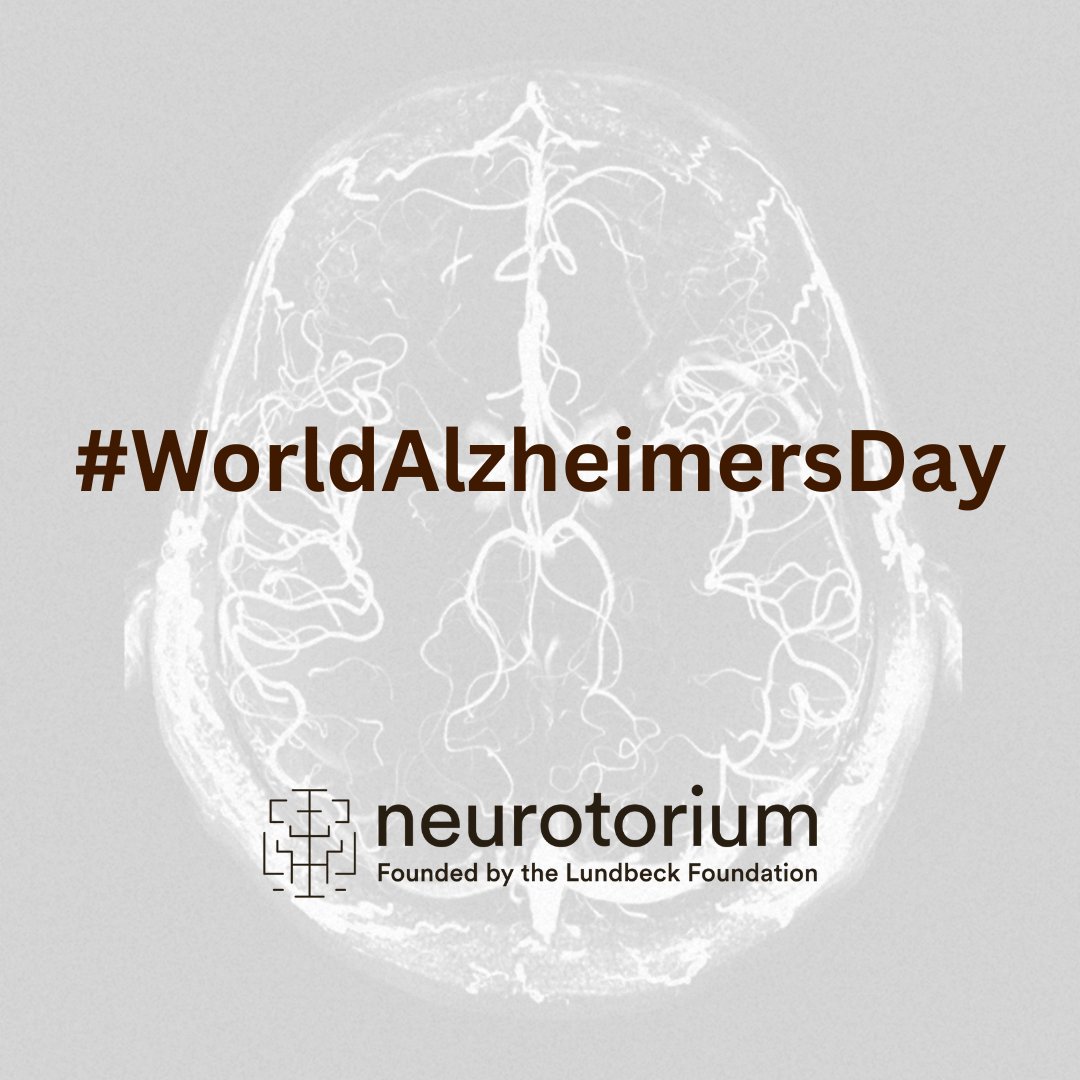
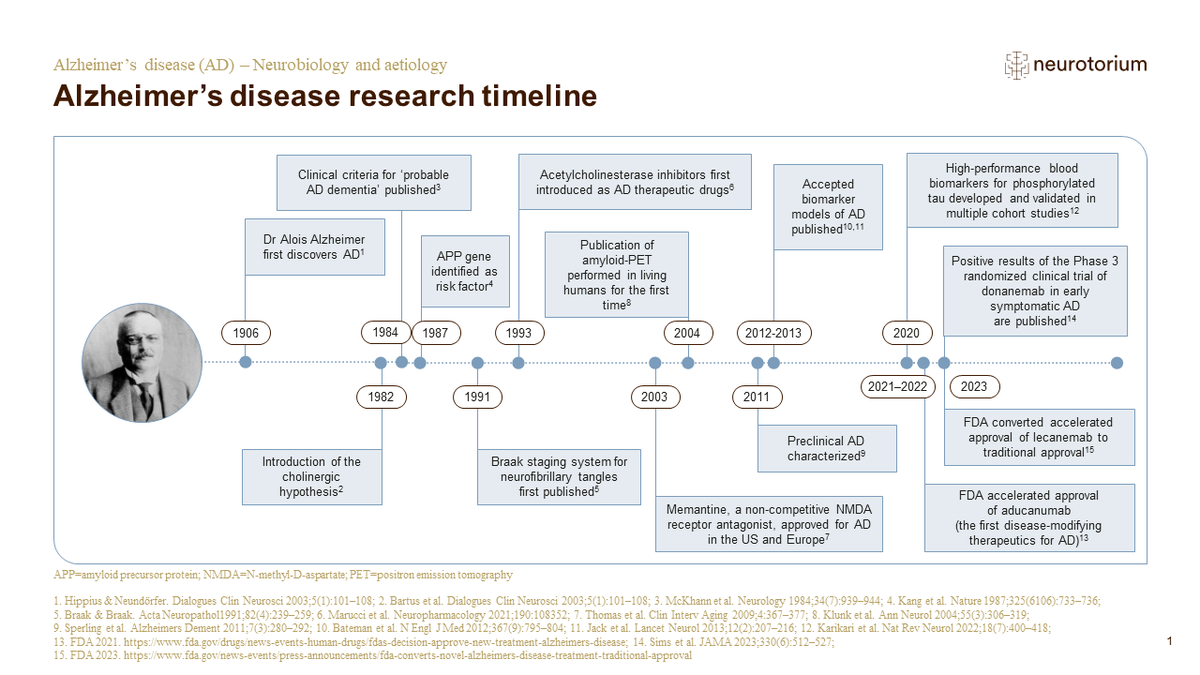
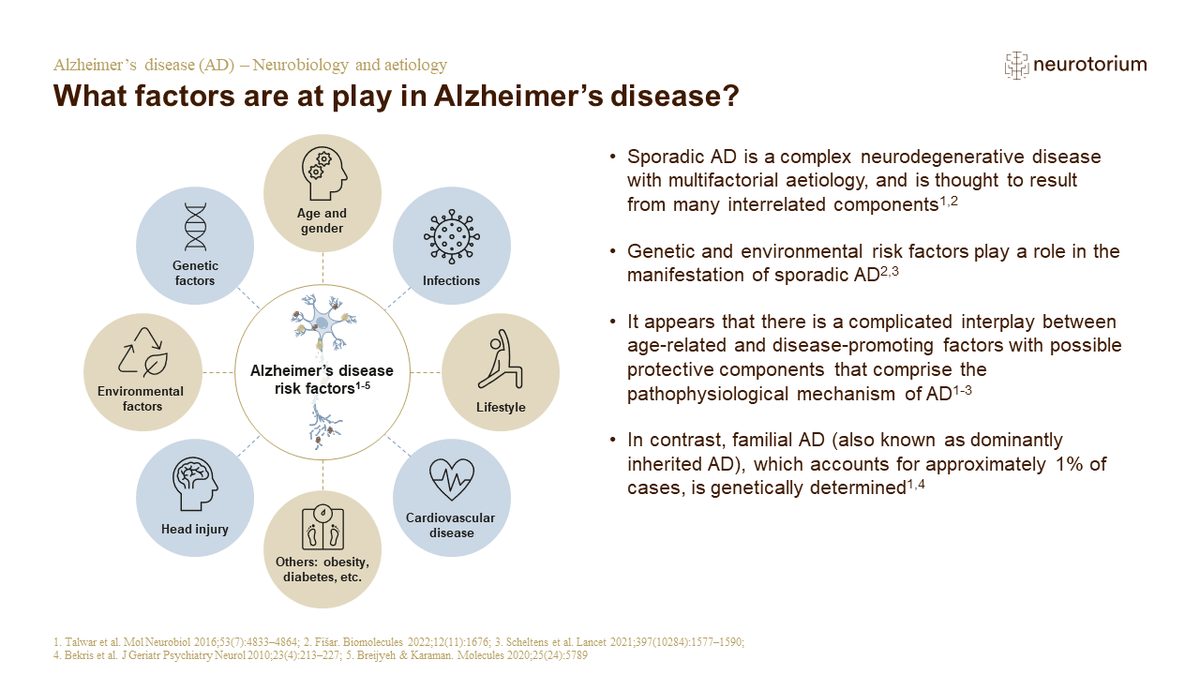
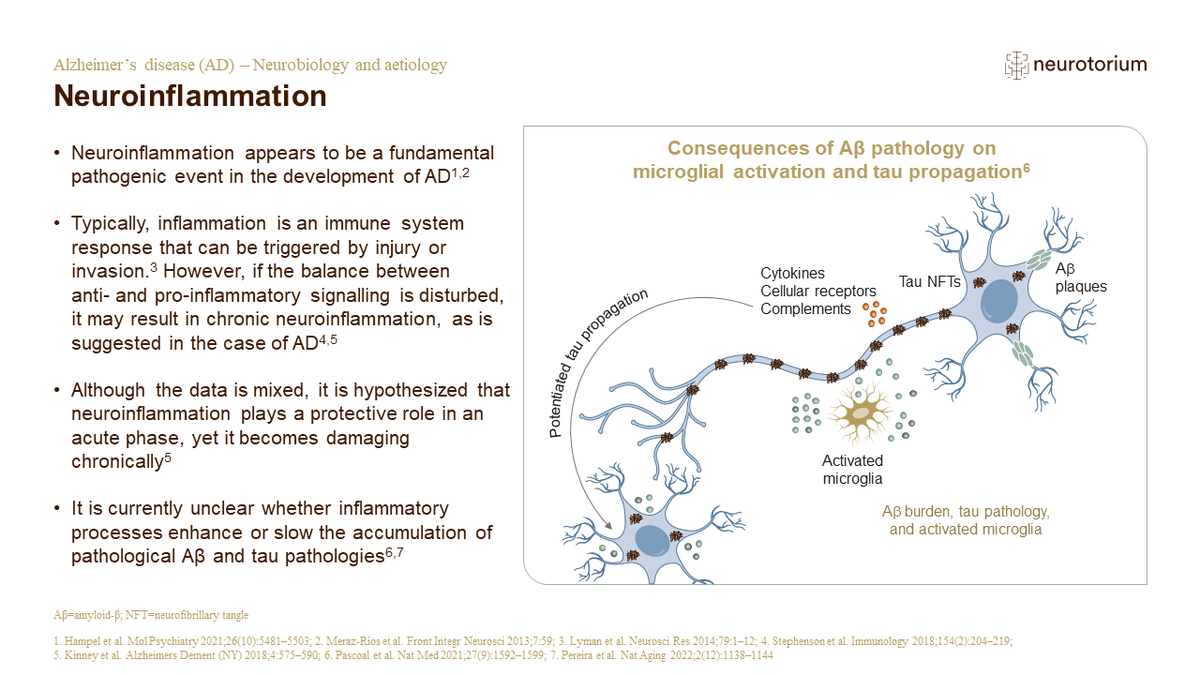
Exciting news on this #WorldAlzheimersDay!
Today, we released an open-access slide deck on the Neurobiology and Aetiology of Alzheimer’s Disease. In the slide deck we highlight the risk factors, pathophysiological hypotheses, and the development and importance of biomarkers. Join us in spreading awareness about Alzheimer's Disease! 💙
neurotorium.org/slidedeck/neur…


English