Taryn Rose Frazier

2.4K posts

Taryn Rose Frazier banner
Taryn Rose Frazier

Taryn Rose Frazier

@TarynRoseWriter

Writing SFF and contemporary | Words in @apexmag @PodCastle_org @DailySF @EnigmaticMirror @ApparitionLit @CosmicRootszine

Katılım Haziran 2019
705 Takip Edilen709 Takipçiler
Taryn Rose Frazier
Taryn Rose Frazier@TarynRoseWriter·
@Gloam71119760 @owenbroadcast An interesting assembly of famous Swedenborgians: WB Yeats, Helen Keller, Ralph Waldo Emerson, the Brownings, Eliza Tibbets, Howard Pyle, Jorge Luis Borges… Swedenborg was a holdhold name in the late 19th century.
English
0
0
6
52
Gloam
Gloam@Gloam71119760·
@owenbroadcast All I know about Swedenborg is that Johnny Appleseed was a Swedenborgian.
English
1
0
6
317
owen cyclops
owen cyclops@owenbroadcast·
i heard that before working on 'the red book', carl jung read 7 - 10 volumes of emmanuel swedenborg. this makes sense to me now as i've become more familiar with swedenborg's work. although it was 300+ years ago, he lays out a model for a present internet meme concept: the NPC
owen cyclops tweet media
English
22
76
848
86.9K
Taryn Rose Frazier retweetledi
The Cultural Tutor
The Cultural Tutor@culturaltutor·
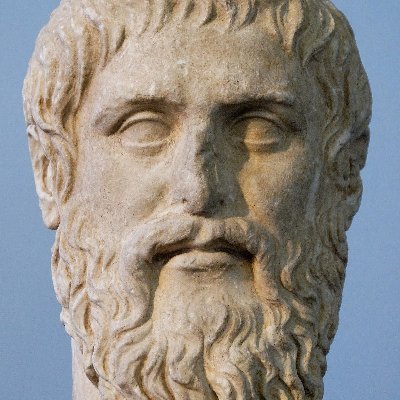
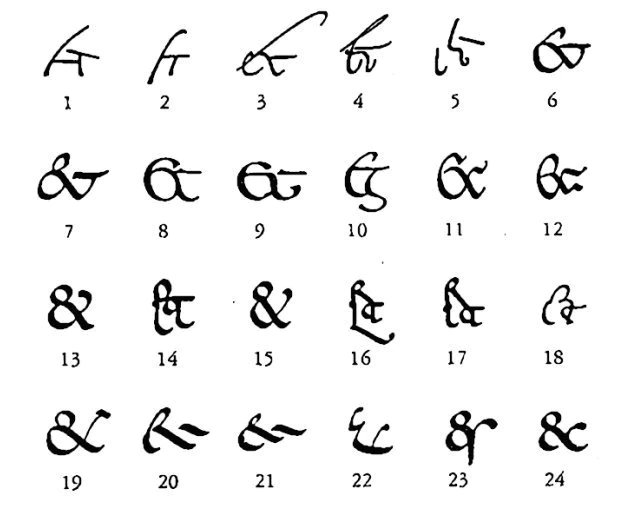
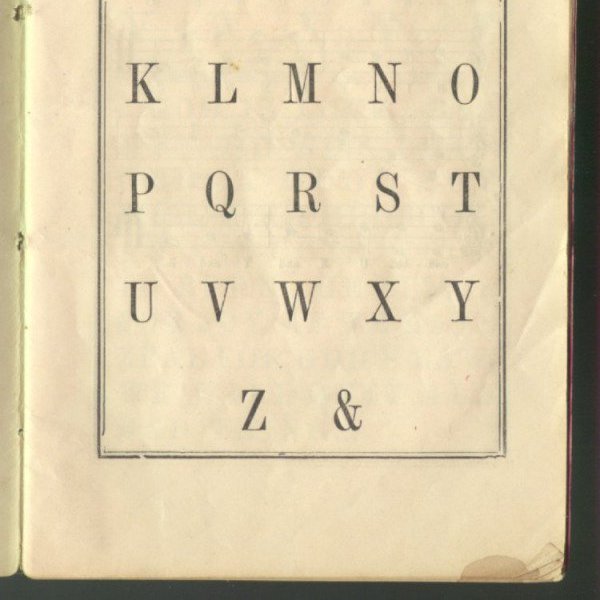
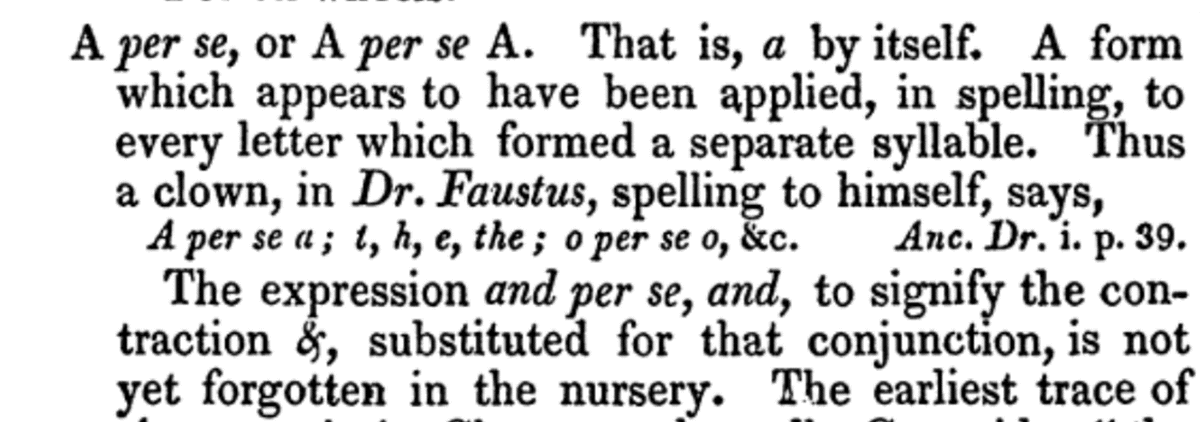
What the hell is an ampersand and why does it look like that?! The first thing you need to know is that "&" used to be the 27th letter of the alphabet... But there are three parts to this story. And the first begins over two thousand years ago in Ancient Rome with a single word: et. It's the Latin for "and". At some point Roman scribes started combining the two letters of et into a single symbol, which was the ancestor of our modern &. The earliest example of the "et" symbol is actually from graffiti in Pompeii. In any case, it did not disappear with the fall of the Roman Empire. Latin survived as the language of the Catholic Church and of scholarship in Medieval Europe. Scribes during the Dark Ages continued to use the & symbol. It evolved down the centuries, in places losing any semblance of the letters e and t whatsoever. The second part of the story is that during the 18th and 19th centuries, as education and the teaching of literacy spread, & was added to the end of the alphabet as a sort of 27th letter. On a related note, although "et cetera" is now usually just abbreviated as etc., for a long time it was instead abbreviated as "&c". The & was for et and the c for cetera. The third and final part of the story is about how the alphabet was taught to children — and how it was read out loud. As this 1822 Glossary of Words and Phrases explains, it had been normal during the Renaissance, when speaking the alphabet, to add "per se" before any letter which could also be a word on its own — "per se" means "by itself" in Latin. Take the letter A, which can also be a word of its own. When reading out the alphabet people would say "A, per se A, B, C, D, E, F, G, H, I, per se I..." and so on. O was also considered a word of its own. Which means, when people got to the end of the alphabet, with & being the 27th letter, they would say: "S, T, U, V, W, X, Y, Z, and per se &." When this old way of reading the alphabet was taught to children in the 18th century and they were reciting it aloud, they would garble "and per se " into what eventually became... ampersand. A Dic­tion­ary of Slang and Col­lo­quial Eng­lish from 1905 relates some of the many other pronunciations school children apparently came up with: "Am­persand. The sign &; am­persand. Vari­ants: Ann Passy Ann; an­pasty; an­dpassy; an­parse; aper­sie; per-se; am­passy; am-passy-ana; am­pene-and; am­pus-and; ampsyand; am­pazad; am­siam; am­pus-end; ap­perse-and; em­per­siand; am­perzed; and zumzy-zan." Well, of all the many pronunciations that might have stuck, it was "ampersand" which came to be accepted and is now the official name for &... rather than zumzy-zan. So, from hurried Roman scribes to unruly school children, that's where "&" came from.
The Cultural Tutor tweet mediaThe Cultural Tutor tweet mediaThe Cultural Tutor tweet mediaThe Cultural Tutor tweet media
English
405
4.8K
27.6K
5.6M
Taryn Rose Frazier
Taryn Rose Frazier@TarynRoseWriter·
@reverieandink @TaylorLGrothe I second checking for Lyme. I live in an area with a high incidence, and it really can look like anything from flu to fibromyalgia to schizophrenia.
English
0
0
0
28
UPDATES ONLY Taylor Grothe
UPDATES ONLY Taylor Grothe@TaylorLGrothe·
Hey guys what’s a disease that causes 8-9 level nerve pain, asthma, inexplicable allergies/inflammation, bone-deep exhaustion, and depression/anxiety? With a negative ANA panel? Because I’m running out of options and I’m so tired.
English
32
2
37
18K
Jamie M. Boyd
Jamie M. Boyd@JmeBoyd·
Here are some of my favorite writing-related podcasts if you find yourself traveling this summer with time to listen. The main list focuses on the publishing industry but includes links to fiction podcasts & craft/writing advice content, too. jamiemboyd.com/blog/listen-le…
English
1
0
1
78
Taryn Rose Frazier retweetledi
Michael Wehunt
Michael Wehunt@michaelwehunt·
As authors, we talk about writing every day. But one of the vital aspects is often glossed over: the value of time. A decade+ into my dream of being an author, here are my thin pencil shavings of wisdom about Writing Time. Maybe the solidarity will help someone feel seen. 🧵 1/16
English
20
160
709
157K
Emily Barnett
Emily Barnett@embarnettauthor·
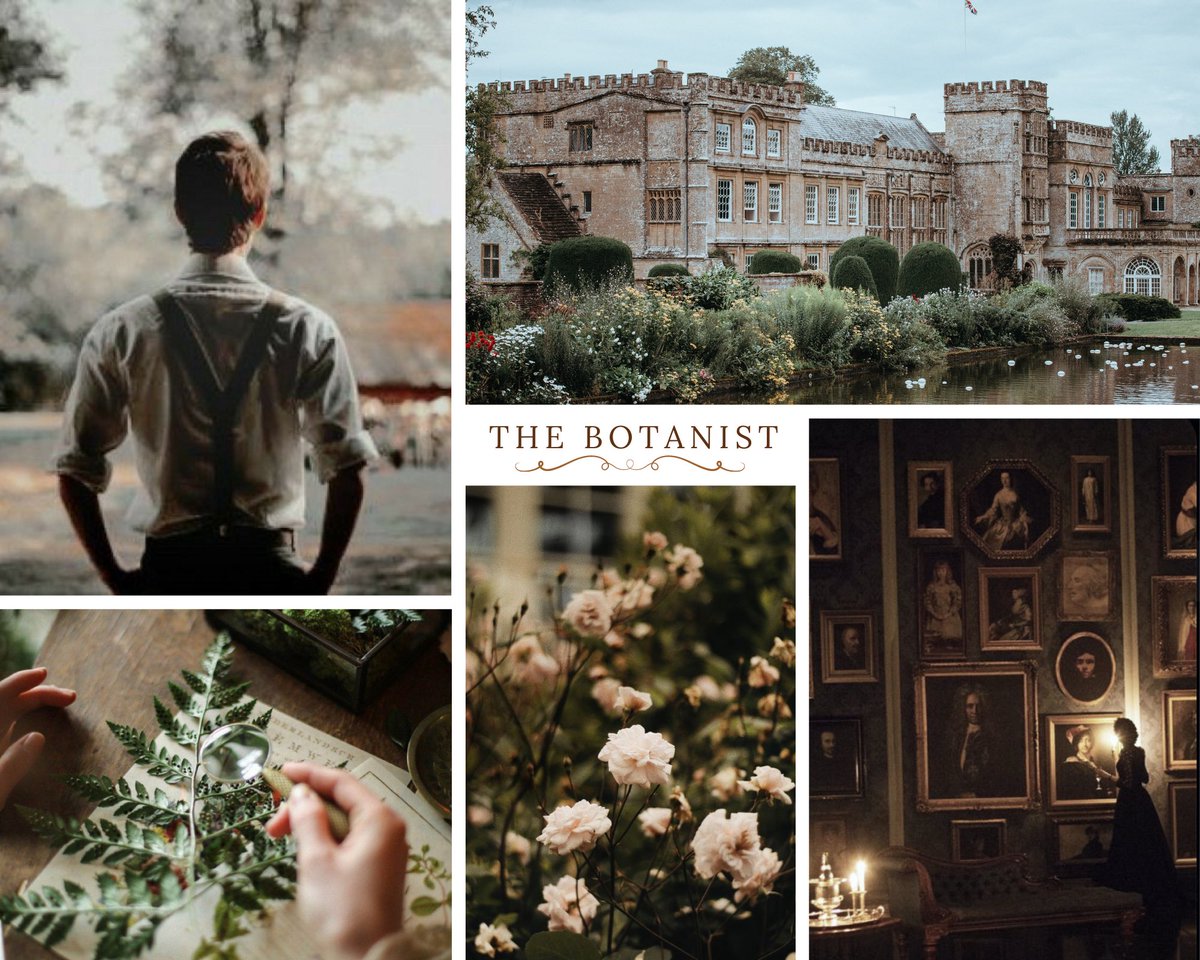
Now for the ✨NEWS✨ I’m thrilled to now be represented by @AndreaAgency at Writer’s House!!! Andrea’s care and excitement for my story about a manic and magical botanist and a girl who feels too much, floored me. I can’t wait to see where it goes! 🌿😍 #WritingCommmunity
Emily Barnett tweet media
English
64
17
389
18.1K