

中文
索德
299 posts


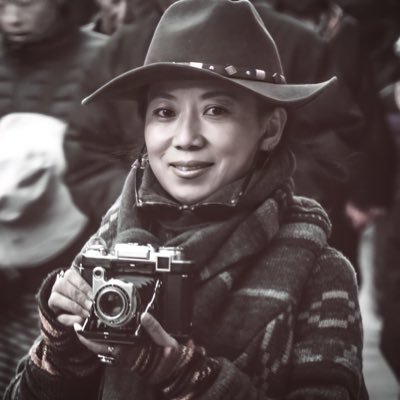
Tibetan Butter Churning Dance, a traditional folk performance that honors the daily, labor-intensive process of making yak butter, a crucial element of Tibetan life. Originating from daily household chores, the dance mimics rhythmic churning motions, symbolizing prosperity, unity, and communal joy, often performed during festivities like Losar... The dance stems from the traditional method of making yak butter using a long wooden churn, a task requiring thousands of strokes. Yak butter is not only food but also used for fuel and in butter lamps at monasteries to symbolize wisdom. Dancers in colorful attire, often in a circle, use choreographed, energetic movements to simulate the pushing and pulling of the plunger in a butter churn. It is widely performed during the Tibetan New Year (Losar) and other celebrations, representing gratitude and the preservation of culture. It represents the blending of daily survival with art, focusing on community spirit and harmony. Yak butter is essential for making traditional Tibetan Butter Tea, made from tea leaves, yak butter, water, tsampa (roasted barley flour) and salt. The history of tea in Tibet dates back to 7th Century CE, during Tang dynasty. However, butter tea did not become popular in Tibet until about 13th Century, time of the Phagmodrupa dynasty. According to legend, a Chinese princess married a king of Tibet which later helped establish trade routes between China and Tibet. These trade routes brought tea into Tibet from China. Later, butter was added to the tea that was brought from China as butter is and was a staple in Tibetan cuisine. By the 8th Century, it was common to drink tea in Tibet. In 13th Century, tea was then used in Tibetan religious ceremonies. Today, butter tea is still prevalent in Tibet, and Tibetans can drink up to 60 small cups of the tea every day. Today, this ceremonial dance based off of Tibetan tea culture. It also may speak to the lesser known Butter Tea Ceremony. While the ceremony is rarely practiced anymore it still takes place in a handful of monasteries, including one in Gomar Gompa in eastern Amdo (“Butter Tea Ceremony”). While the ceremony is not widely spread, it is still an important ritual for some Tibetans. During the ceremony, Tibetans gather in the courtyard while the tea is being prepared. Local boys often stand on the edge of roofs surrounding the courtyard and throw down bags of candy and treats, although this is not necessarily part of the ritual. Once the tea is ready, wooden buckets of butter tea are carried into the courtyard by back, each bucket holding nearly 30 liters of tea. Once the buckets are placed on the ground, individuals use ladles to distribute the butter tea to members of the community. This particular dance is so interesting because it seamlessly integrates these three practices in a modern context. The act of dancing is in itself a ritualized and sacred practice. Thus, creating a dance based on the preparation and uses of Butter Tea—a quintessential element of Tibetan culture—only further heightens the significance of tea customs by ritualizing the practice by means of dance. Drinking butter tea is a regular part of Tibetan life. Before work, a Tibetan will typically enjoy several bowlfuls of this beverage, and it is always served to guests.[citation needed] Since butter is the main ingredient, butter tea provides plenty of caloric energy and is particularly suited to high altitudes. The butter may also help prevent chapped lips. According to the Tibetan custom, butter tea is drunk in separate sips, and after each sip, the host refills the bowl to the brim. Thus, the guest never drains his bowl; it is constantly topped up. If the visitor does not wish to drink, the best thing to do is leave the tea untouched until the time comes to leave and then drain the bowl. In this way, etiquette is observed and the host will not be offended. © Discover Tibet #archaeohistories
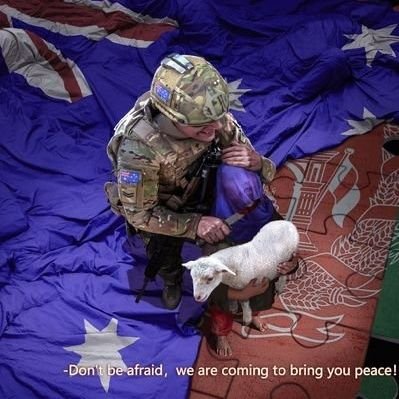



中国がチベットへ侵略した時の映像 中国はチベット・ウイグル地域での重大な人権侵害について謝罪を行い、今すぐにやめろ!


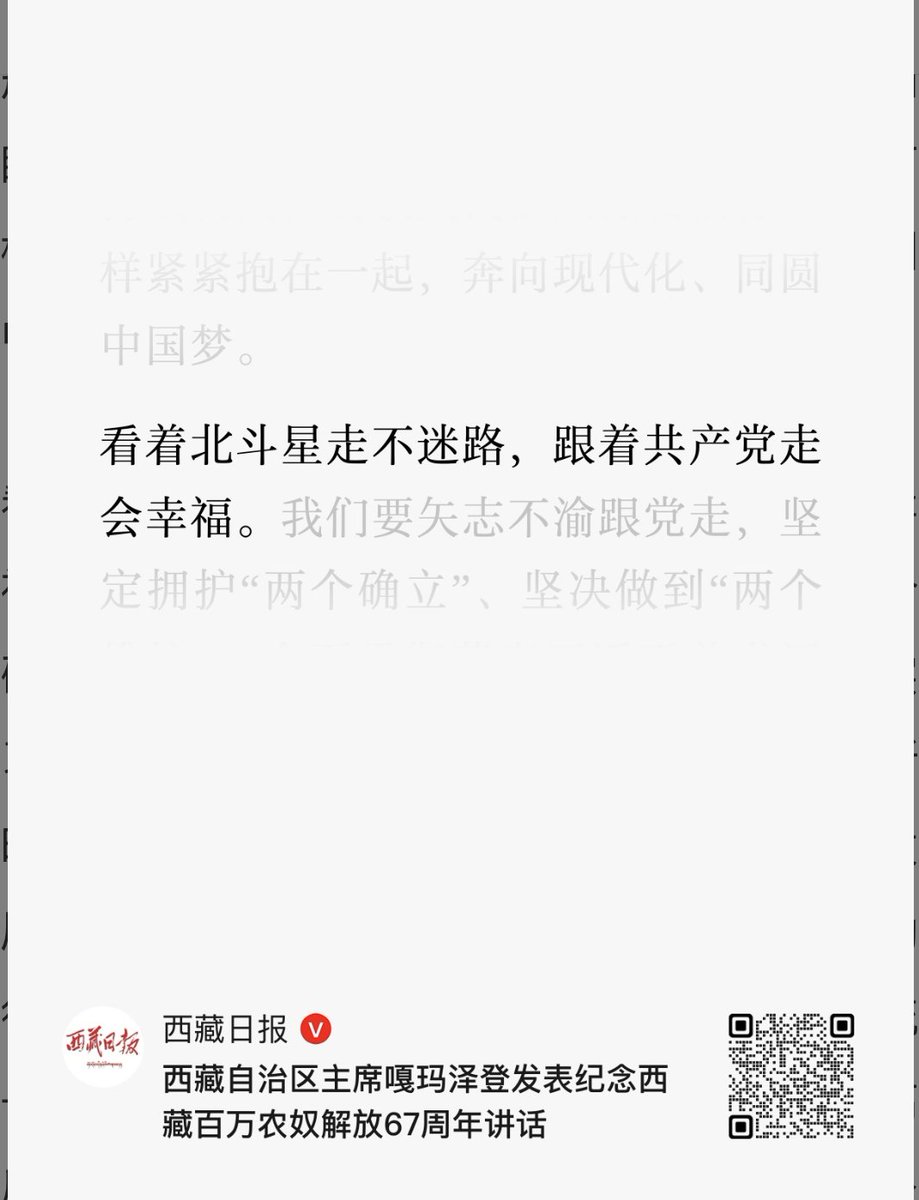

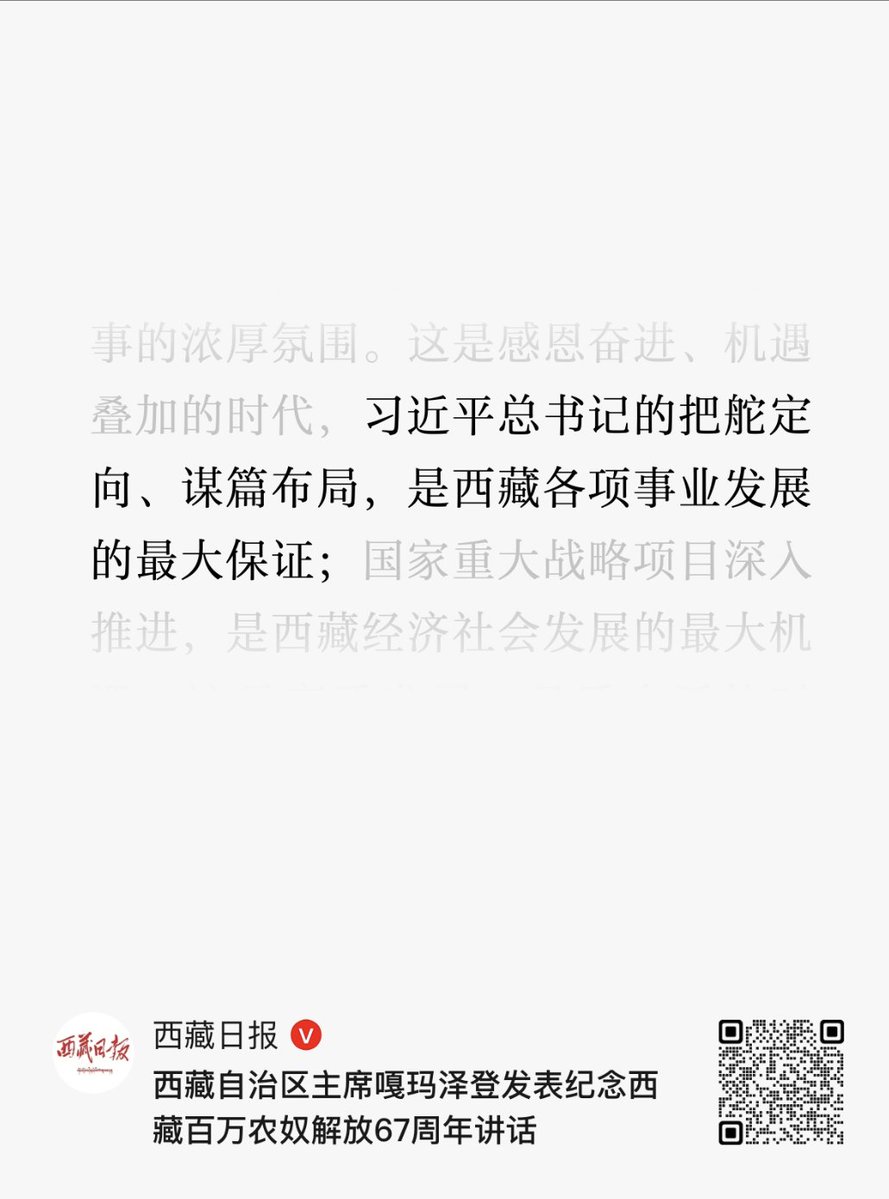
3月16日,《西藏日报》官方抖音号发布视频:“习近平”在拖拉机上喜迎春耕


