🌟Equiteez by Mavryk has announced a multi-billion dollar partnership with MB.io, Kings Orbis, and EON3 Group to bring Ghana’s legendary Ashanti gold onchain.
The initiative connects one of Africa’s most historic gold sources with institutional RWA infrastructure, physical asset backing, Dubai-based LBMA-approved custody, and a digital secondary market framework.
Equiteez RWA technology is positioned as the primary issuance engine and secondary market solution for the programme, helping transform Ashanti gold into a liquid, fractionalized digital asset backed 1:1 by physical gold.
This is a strong traction milestone ahead of the planned Q3 2026 launch and further validates Equiteez as an infrastructure platform for institutional-grade real-world asset tokenization.
🔎 Latest traction highlights
🟢 Multi-billion dollar RWA partnership
🟢 Strategic partners: MB.io, Kings Orbis, EON3 Group, and Mavryk
🟢Asset focus: Ghana’s Ashanti gold
🟢Structure: 1:1 physical gold backing
🟢 Custody: LBMA-approved vaulting in Dubai
🟢 Utility: primary issuance, secondary market, and physical redemption
🟢 Market: institutional RWA, gold tokenization, and real-world asset liquidity
📌 Investment opportunity
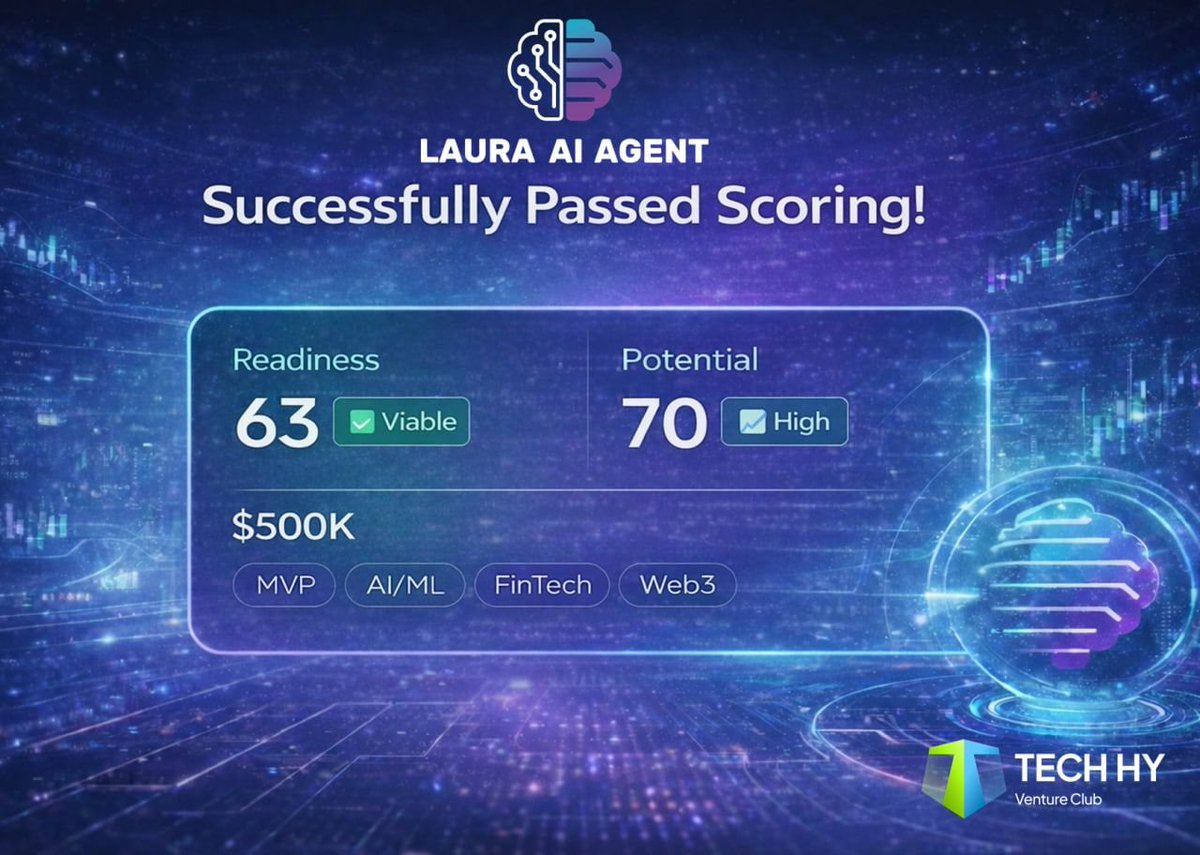
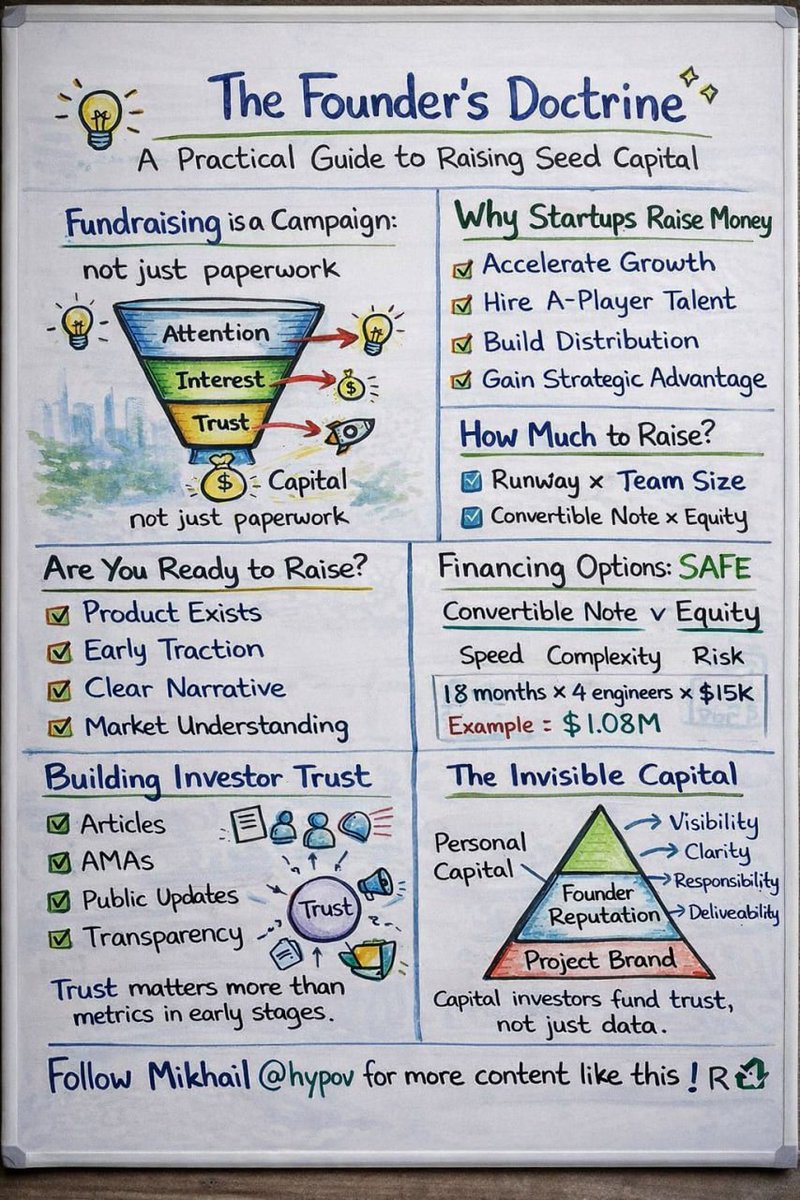
Equiteez is a verified project across the TECH HY VC incubation program and is currently in an active fundraising stage.
Fundraising details and materials are available via the links below
lnkd.in/gqwxr3aW
Interested in investing in Equiteez?
DM @mhypov for allocation details, access, and next steps

English