@moggerMark @mustreader he hasn't lost against any 2700s yet as well..
English
TheAnalyzer
390 posts


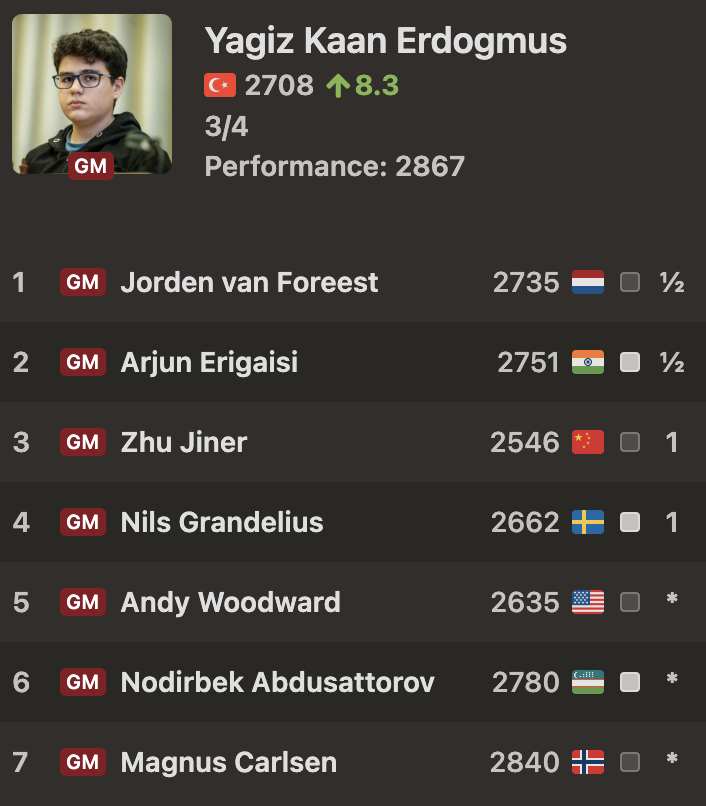

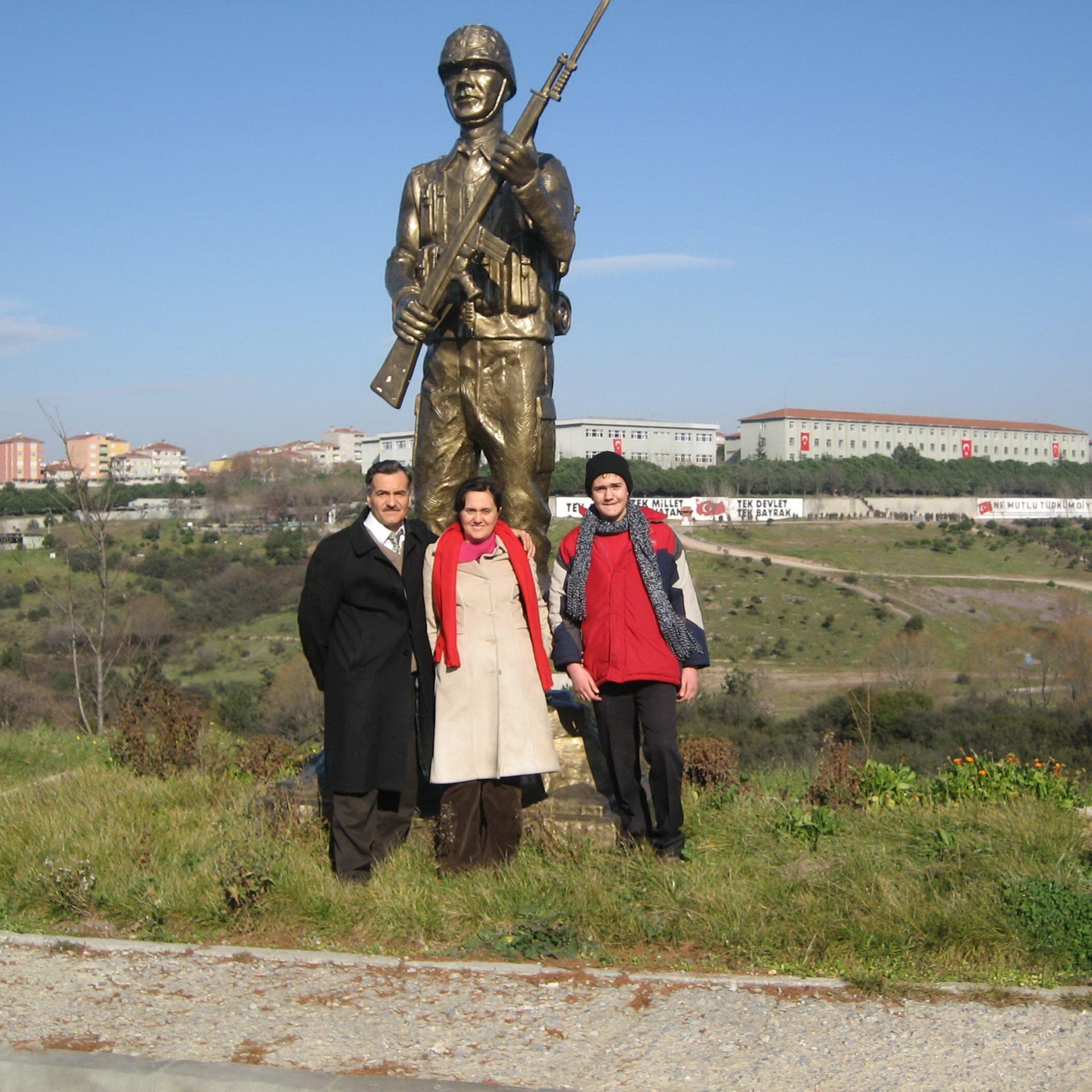

14-year-old Yagiz Kaan Erdogmus is up to 2711.9 and World no. 29 on the live rating list!

Harvard Business Review just published a super interesting piece. AI’s biggest shock may be that nobody can price the future cleanly anymore i.e. we all are staring at a "AI Fog" i.e. the range of outcomes is now so wide that people cannot tell whether today’s prized skill, product, or business model will still pay off a few years from now. AI’s first big economic effect is not automation itself, but the collapse of foresight. The hidden cost of AI may be a collapse in conviction, as its erasing the visibility that modern finance depends on. Modern capitalism runs on the assumption that tomorrow will rhyme with today closely enough to justify big, slow bets. On long bets like degrees, hiring plans, factories, software valuations, and infrastructure, and those bets work only when the future is readable. All these depend on one quiet belief: the future is legible. AI attacks that legibility before it fully rewires any one industry. That hits workers first, because a medical degree, MBA, or coding career looks weaker when AI agents may absorb diagnosis, analysis, drafting, research, and junior software work. That hits companies next, because stock prices depend on durable future cash flow, and terminal value breaks down when AI can erode moats in software, services, and even specialized manufacturing. That changes behavior fast. Students hesitate to buy expensive human capital when the job at the end may be redefined halfway through training, and companies hesitate to hire when junior work, software work, and coordination work are all moving targets. Financial markets feel the same pressure, because once AI casts doubt on a company’s durability, the terminal value carrying much of its valuation starts to look less like math and more like faith. So the immediate economic consequence of AI may be shorter horizons. Less skyscraper, more tent. Less irreversible commitment, more staged investment, modular teams, and organizations built to learn before they lock in. It points to something subtler and probably more important: when institutions cannot see clearly, they stop making the kinds of commitments that built the old economy. --- hbr .org/2026/04/the-future-is-shrouded-in-an-ai-fog





“Kış haydi kış kış kış.” Dicle’nin robot süpürgeden korkmasına kahkaha attım. 😂 #SevdiğimSensin