
@basedbinkie In the unlikely event that I do get assimilated, of course
English
Water Enjoyer
11K posts

@ThePunGun1
Male | 26 | Canadian | 🇨🇳🇨🇦 | Local dice goblin Currently trying to become a functional human being again.



30年前くらいに村上春樹のエッセイで、アメリカではコーラにピーナッツを入れて飲むのがポピュラーだと書いてあった。「ふぅん」と思ってから長い時間が経ったが、ついにやってみた。 何だこれバカ美味いんでやんの。 これ以外でもうコーラ飲みたくなくなるレベル。

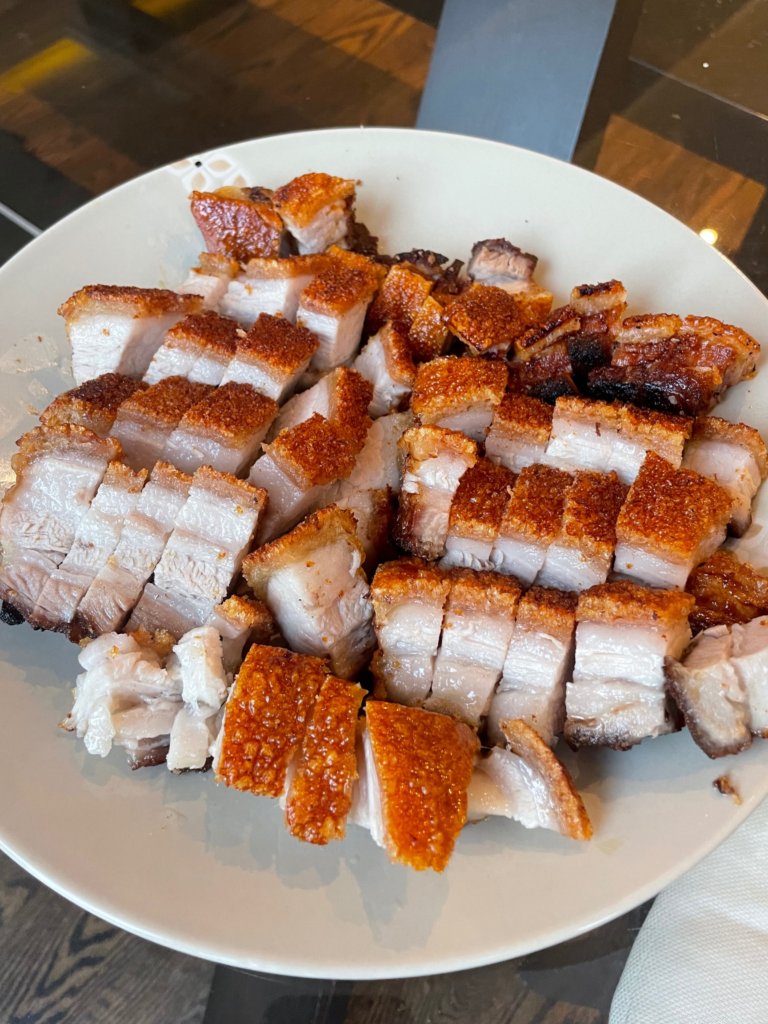


Pork gets a lot of grief in carnivore circles. It's not beef, which counts against it. It has PUFAs, which sounds damning. And it carries two thousand years of religious taboo, from Leviticus to the Quran, which has a way of embedding itself in cultural intuition long after the theology has left the room. So let's be fair about what pork actually is. Pork is a superfood. Not in the way that word has been debased by bags of goji berries in health food shops. A genuine, nutrient-dense animal food that has sustained entire civilisations. Thiamine: pork is the richest common dietary source of vitamin B1. More than beef. More than lamb. Thiamine is critical for glucose metabolism, nerve function, and cardiac health: and its deficiency, beriberi, was historically catastrophic in populations eating refined rice. The traditional populations eating whole pork alongside their rice didn't get beriberi. The ones eating polished white rice without the pork did. The pork was doing work. Selenium. Zinc. Complete protein. Choline for liver function and brain development. Carnosine. B vitamins across the board. It is an animal food. It does what animal foods do. Now the PUFA question, because it deserves a direct answer rather than a dismissal. Yes, pork fat contains more linoleic acid than ruminant fat. This is real. The pig, unlike the cow, has a simple stomach and cannot biohydrogenate polyunsaturated fat, cannot take the problematic seed fat and convert it into saturated fat the way a rumen can. What goes in largely comes out. Pigs raised on grain and soybean meal will have fattier, more linoleic acid-rich tissue than pigs raised on a more natural diet. Here's the context that changes everything. If you have already removed seed oils, you have already removed the industrial cooking oils. If you have removed legumes, you have removed soybean-derived everything. If you have removed nuts, you have removed the other major linoleic acid sources. You have, in the process of cleaning up the obvious problems, already addressed the bulk of your PUFA load. In that context, pork's linoleic acid content is not the marginal straw that breaks the metabolic camel's back. It is a manageable contribution from a whole food that was never the issue. The issue was always the bottle on the kitchen counter. The bottle is gone. And then consider: pork is the staple meat of Asia. The cooking traditions of China, Vietnam, Korea, Japan, Thailand: cuisines built on pork belly, slow-braised shoulder, trotters, ears, offal, these are not the cuisines of populations historically defined by metabolic disease. The metabolic disease arrived with the industrial food, the refined carbohydrates, the vegetable oils. Not with the pig. The religious prohibition on pork is ancient, contextual, and pre-refrigeration. The carnivore prohibition on pork is aesthetic, recent, and optional. Eat the belly. Render the lard. Use the lard to cook the rest of the pig. Beef is exceptional. Pork is not beneath it. They're different tools. Both animal. Both complete. Both doing what no bag of seeds ever managed.

確かに浮世絵を始め日本のたばこというか、煙の表現は海外の海外と比べると「クネクネとうねったり、たなびく」の模様で描かれることが多い気がする 言われてみれば、何でこういう風な表現方法になったのだろうか……?

The biggest compliment a horse can give

アメリカではコカコーラとペプシコーラの2強だと思ってたんだが…意外と群雄割拠だな

Left - Apollo 17, 1972 Right - Artemis II, 2026 Two photographs taken by one of us, of all of us, over half a century apart. What's changed?

Artemis II launch… caught in my glasses reflection

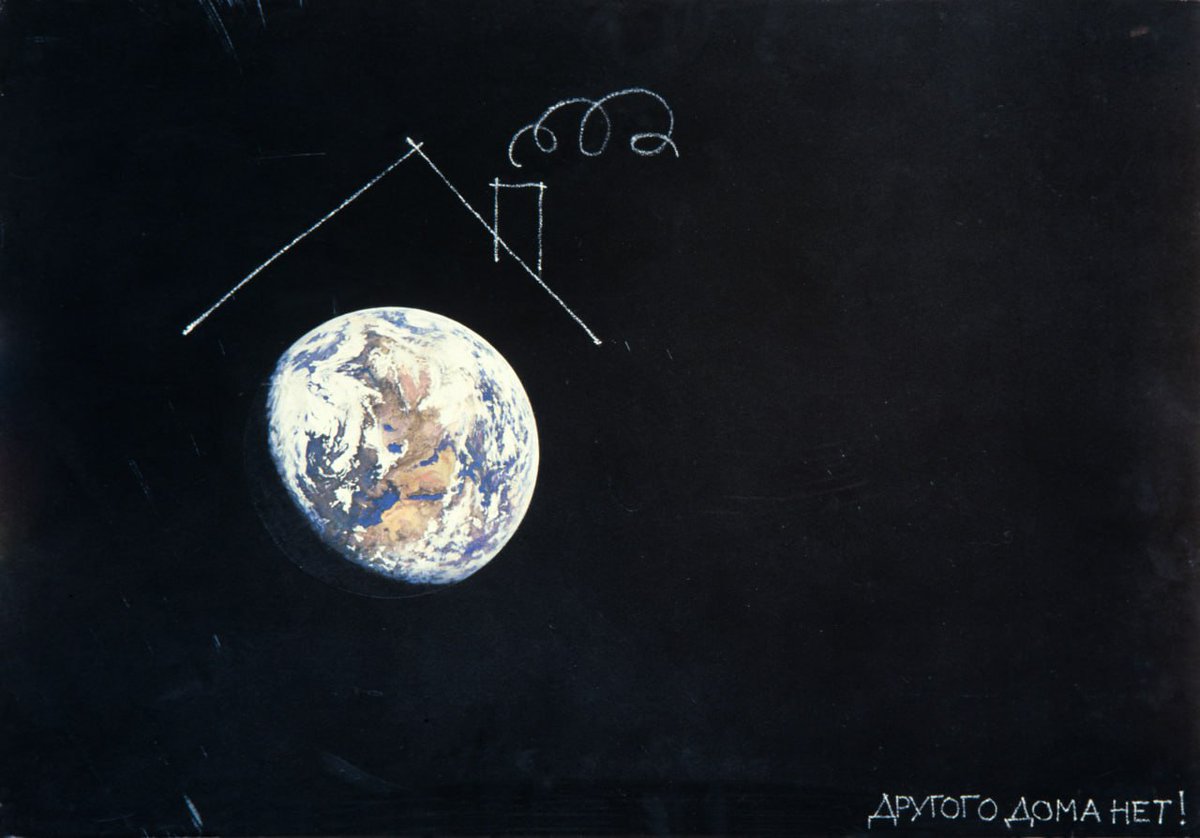
New look at Earth. (Source: Artemis II Crew)