Rich Peter@peterli34923561
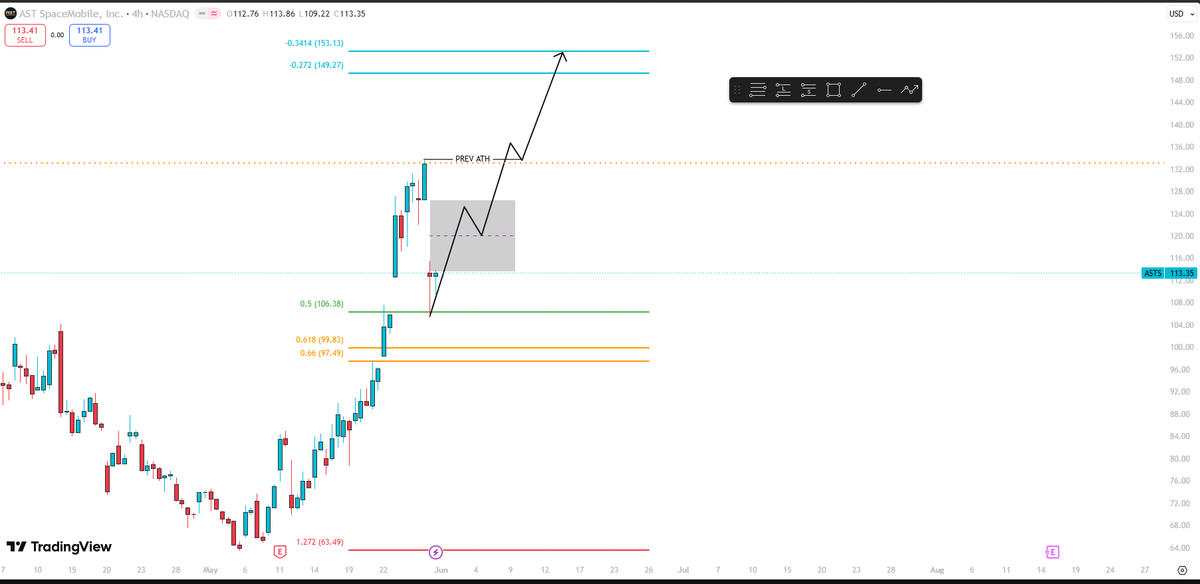
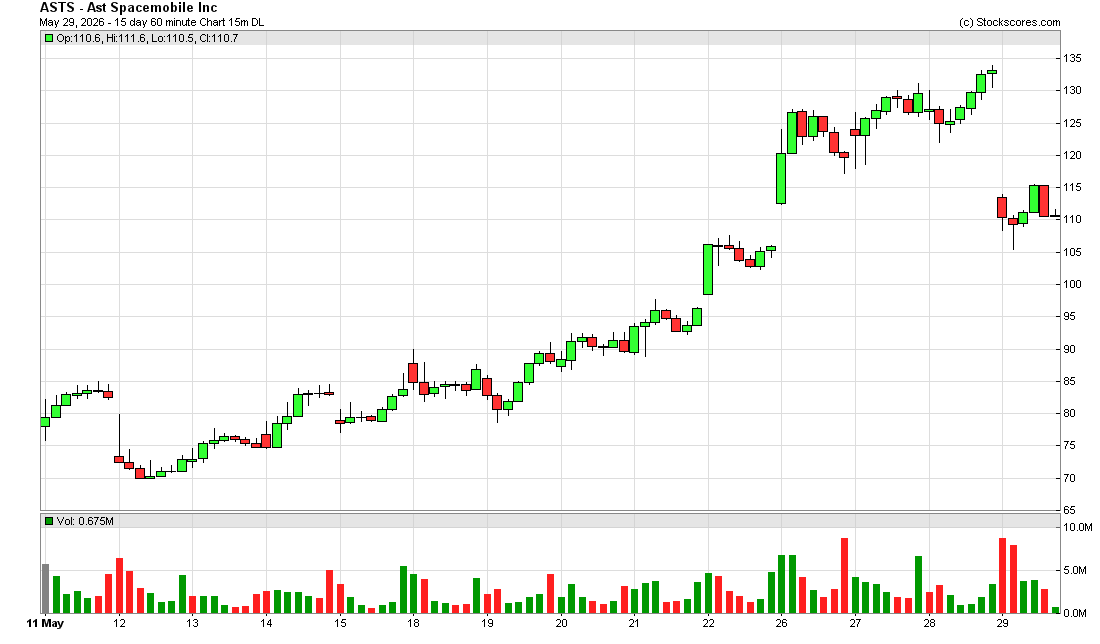
$ASTS --- On May 29, $ASTS plunged nearly 15% on heavy single-day volume. The selloff was triggered by rumors of another rocket explosion during Blue Origin’s test launch, plus Deutsche Bank downgrading the stock from Buy to Hold with a new price target of $106.
The pullback driven by the rating cut and rocket-related headlines has created a sweet spot for investors to unwind short-term speculative leverage. Should SpaceX successfully deploy BlueBird 8, 9 and 10 into their designated orbits by mid-June, market confidence in the company’s commercial viability will surge, and analysts will likely raise their outlooks once again.
1.Disruptive Technological Edge: Direct Smartphone-to-Satellite Connectivity (No Modifications Needed)
Legacy satellite communications platforms, including early Starlink and Iridium, require dedicated ground dishes or custom embedded chips to function. ASTS’ BlueBird satellites feature the largest commercial phased array antenna in low Earth orbit (LEO) — the Block 2 model spans 2,400 square feet. Thanks to its exceptional signal gain, any standard 4G/5G smartphone worldwide can connect directly to satellite broadband in cell service dead zones, with zero hardware modifications whatsoever.
2.Robust B2B2C Business Model: Recurring Revenue via Profit Sharing
$ASTS does not compete directly against mobile carriers for end users. Instead, it has partnered with top global telecom giants such as AT&T, Verizon, Vodafone and Rakuten.
Carriers offer full satellite coverage as a value-added service to their existing subscribers, typically charging an extra $5 to $10 per month.
ASTS splits revenue evenly with its carrier partners, delivering industry-leading gross margins from this 50/50 profit-sharing structure.
This model eliminates hefty customer acquisition costs (CAC) for ASTS, granting it instant access to billions of existing smartphone users across the globe.
3.Scaled Mass Production Capability
$ASTS Texas manufacturing facility has achieved 95% vertical integration, with a production capacity of up to six fully functional BlueBird satellites per month. Per the company’s roadmap, once it deploys 45 to 60 satellites in orbit (targeted for late 2026 to early 2027), continuous nationwide broadband coverage across the U.S. will go live, paving the way for full-scale commercial monetization nationwide.