Sabitlenmiş Tweet
The Wealth Ladder
13.8K posts

The Wealth Ladder
@TheWealthLadder
Exploring the philosophies, strategies, and habits of the world's wealthiest | Step into the rooms of power and wealth

Katılım Mart 2023
40 Takip Edilen30.7K Takipçiler
The Wealth Ladder retweetledi

Harvard has been studying what makes people healthy and happy for 87 years.
It's the longest study of adult life ever conducted.
The #1 predictor of health at 80 wasn't diet, exercise, or cholesterol.
It was something most people completely overlook:

English
The Wealth Ladder retweetledi

Trader Joe's has no ads, no loyalty program, no e-commerce, and no self-checkout.
They just became the #1 rated grocery store in America.
Here's the strategy breakdown:

English
The Wealth Ladder retweetledi

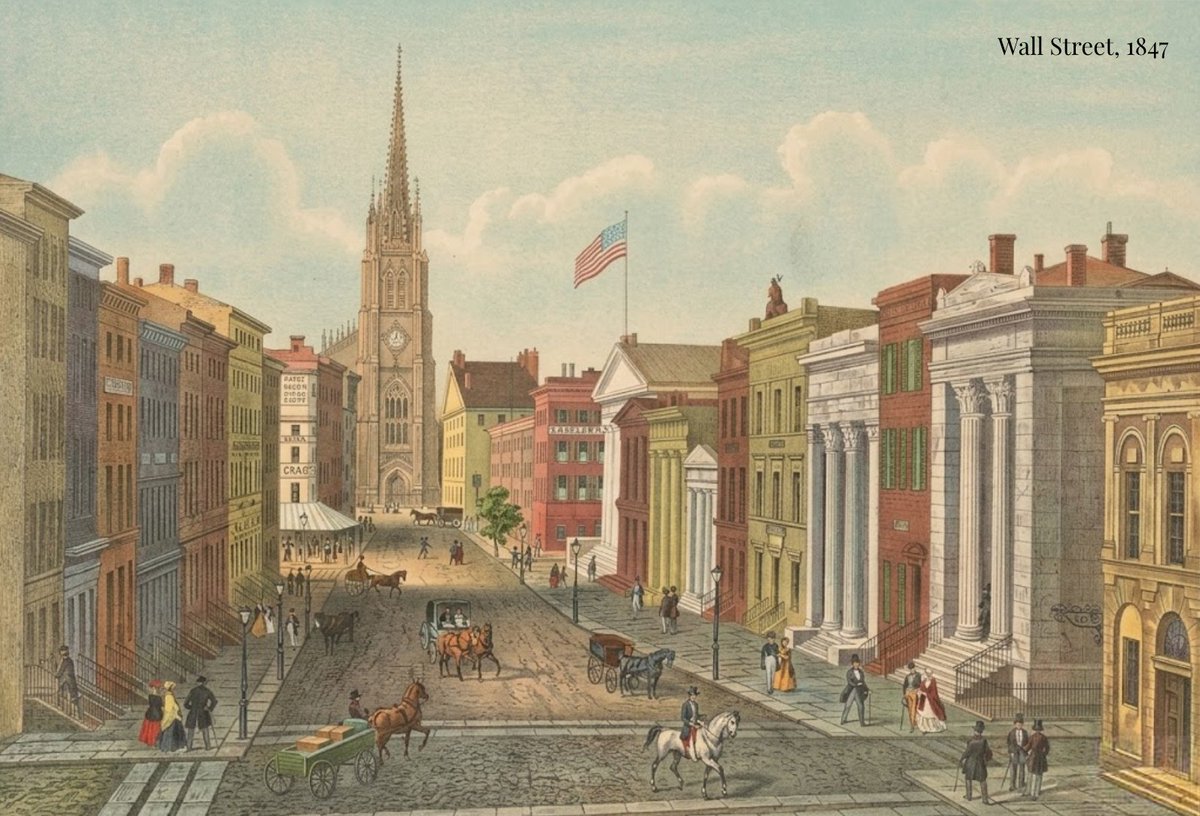
The Transcontinental Railroad took 6 years to build.
1,912 miles of track. Through mountains, deserts, and rivers. In the 1860s. With hand tools and dynamite.
Today, a school expansion in Texas can take longer to permit than that entire railroad took to build.
Here's what happened to American infrastructure ambition:
In 1862, Congress passed the Pacific Railroad Acts. The mandate was simple: connect the coasts. Lincoln signed the bill in the middle of a civil war because he understood that infrastructure wasn't a luxury. It was survival.
Two companies — Central Pacific and Union Pacific — started from opposite ends of the country and raced toward each other. They laid track through the Sierra Nevada. They tunneled through granite. They bridged rivers with timber they milled on-site.
And they finished in 1869. Six years.
The result? Property values along the route exploded. Towns that didn't exist in 1862 were thriving economies by 1870. The railroad didn't just connect two coasts - it created wealth across every mile of track.
Now consider what we're dealing with today.
Environmental reviews that take 4-7 years before a shovel hits the ground. Multi-agency conflicts where federal, state, and local permitting requirements contradict each other. Lawsuits are filed to delay projects that communities actually want.
The average time to complete a major infrastructure project in the U.S. has more than doubled since the 1970s.
I'm not saying we should skip environmental review. Process matters. Integrity of process is everything.
But there's a difference between responsible oversight and paralysis.
When the process itself becomes the obstacle — when it takes longer to approve a project than it took to build the transcontinental railroad — something has gone wrong.
America didn't become great by studying proposals. It became great by building things.
The ambition is still there. The capital is still there. The talent is still there.
We just have to get out of our own way.

English