
Sabitlenmiş Tweet
THOMAS
32.1K posts


THOMAS
@ThomasSSchmitz
Doctor of Theology (Th.D.), Practitioner of the Symbolic Arts, Paracelsian Philosophy, Classical Psychoanalysis, Onerimancy, Alchemical Integration.
Los Angeles,CA Katılım Nisan 2009
101 Takip Edilen1.1K Takipçiler


@ThomasSSchmitz
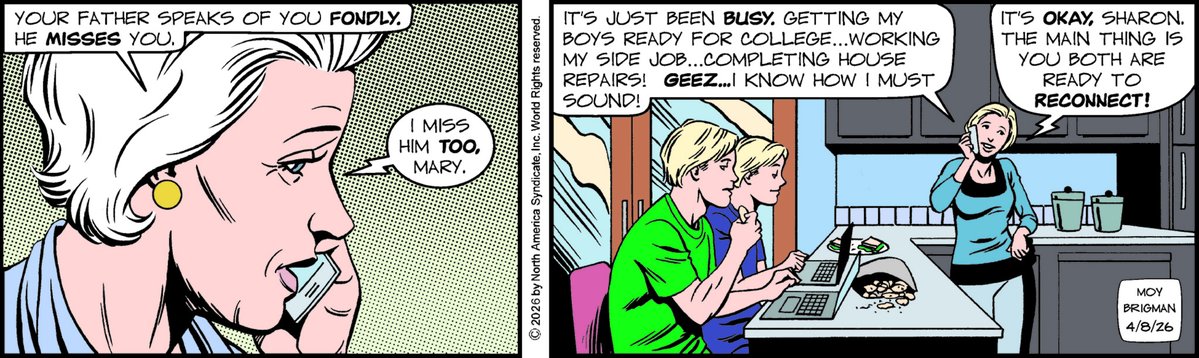
Maybe Toby could hook the boys up with parrots!
English
@ThomasSSchmitz I bet those boys eat her out of house and home. And the laundry! Yikes!
English
@ThomasSSchmitz She or he is zonked out I think she's a girl. Not sure yet.
English
@ThomasSSchmitz
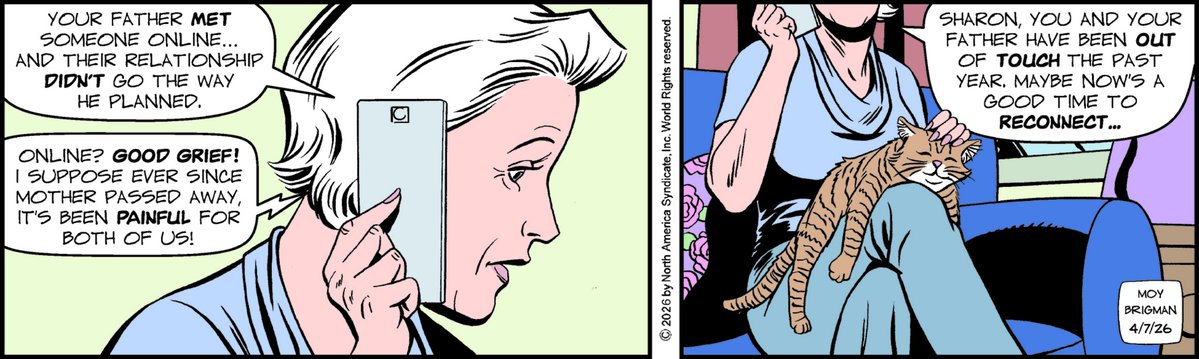
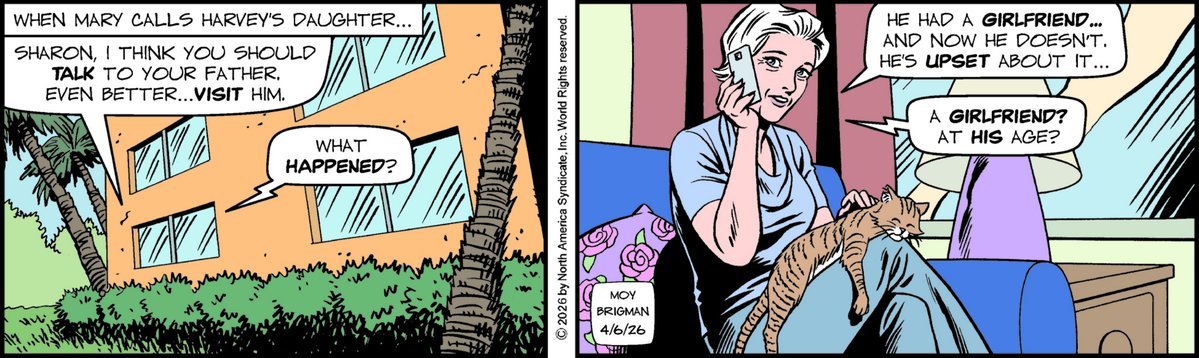
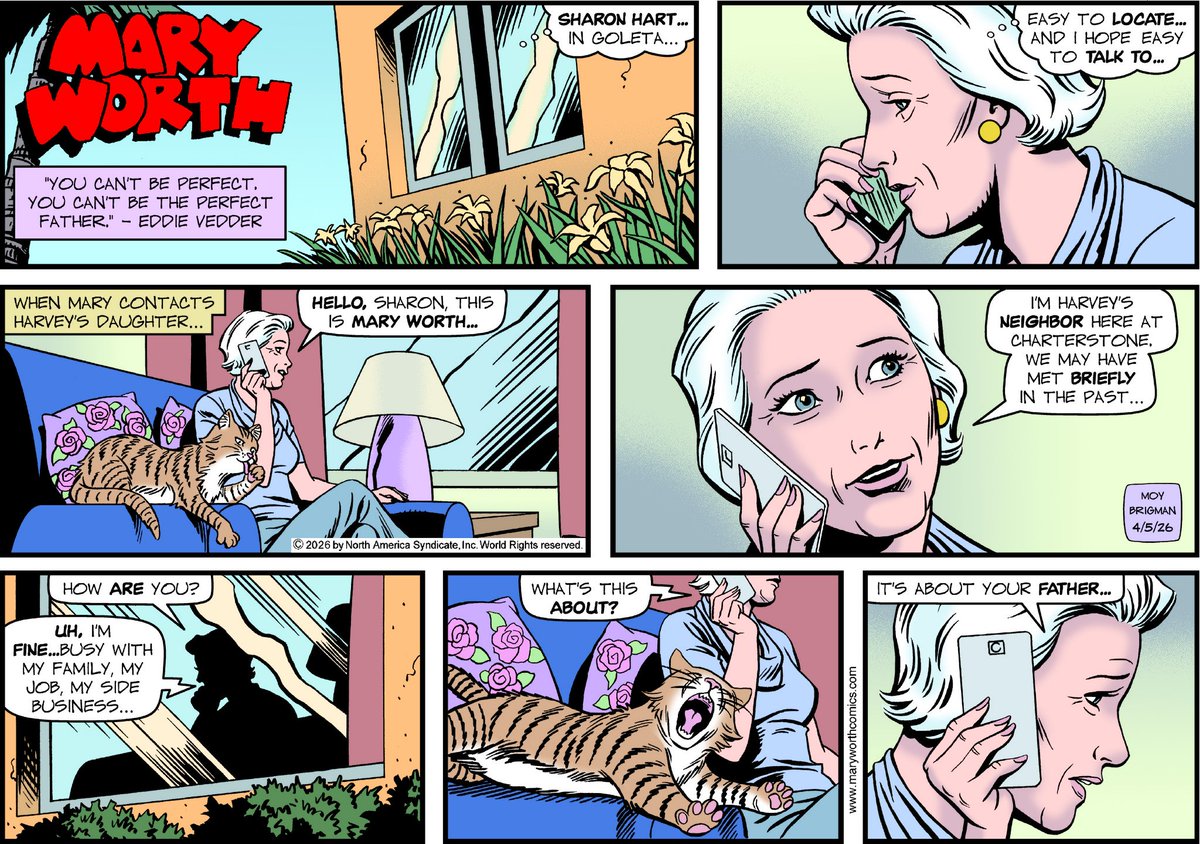
This Sharon sounds like a real B word. No wonder Harvey is lonely having her for a daughter! Maybe she will fall in love with John. One reader suggested maybe Sharon owns the bot farm that imprisoned John!
English

@ThomasSSchmitz @NewJerzeyBoy The time he had Judi Dench and Elton John together was hilarious!!!
English
English


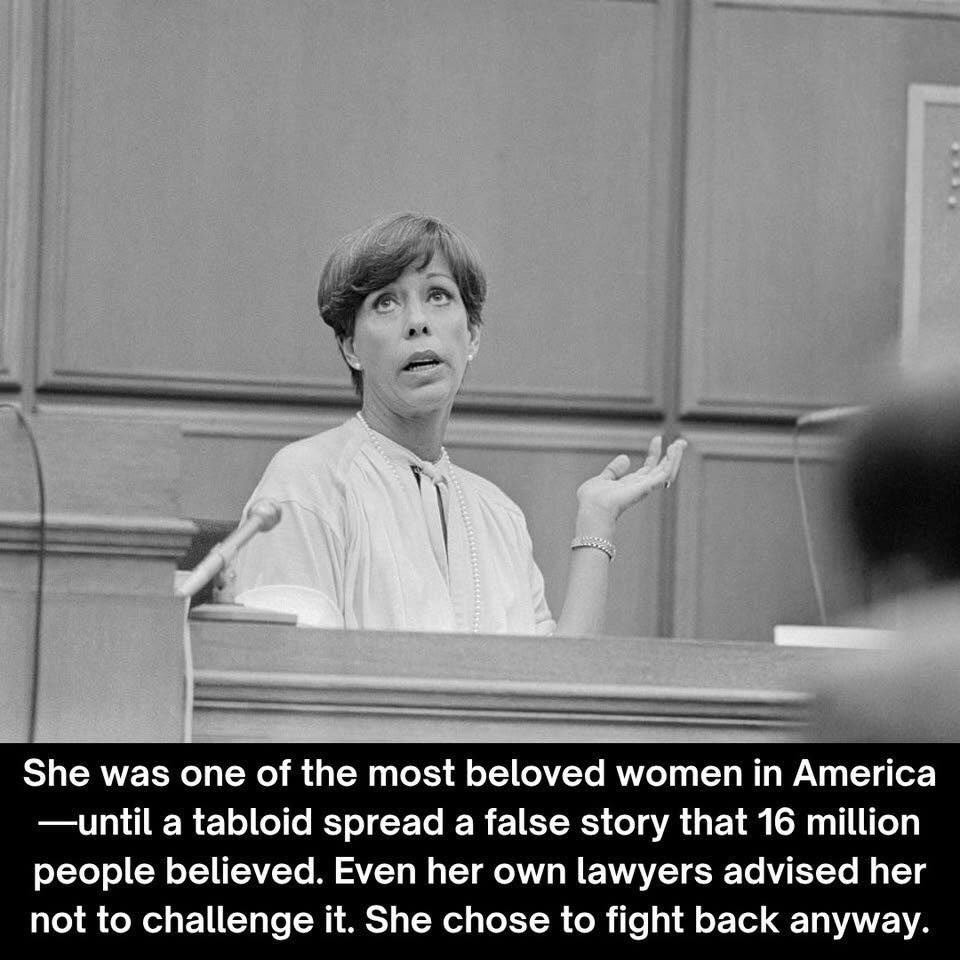
In January 1976, Carol Burnett went out for a quiet dinner in Georgetown, Washington, D.C. She shared a few glasses of wine with her husband and friends, laughed, chatted, and even offered tastes of her dessert to nearby diners—a small, generous moment. On her way out, she was briefly introduced to Henry Kissinger. They exchanged a few polite words, and the evening ended without incident.
That was all that happened.
But weeks later, millions of Americans read a very different version.
The National Enquirer published a short story portraying Burnett as loud, intoxicated, and disruptive. It claimed she had argued with Kissinger, spilled wine on another guest, and laughed it off. The account was brief—but entirely fabricated.
What readers didn’t know was that the paper’s own source had never described anything like that. In fact, he had explicitly said she wasn’t drunk. Attempts to verify the story turned up nothing. Still, the tabloid ran it.
When Burnett saw the article, it hit deeply. Both of her parents had struggled with alcoholism, and she had long spoken openly about it—not for sympathy, but to help others. Now, a false story had publicly tied her to something she had spent years addressing with honesty and care.
The impact was immediate. Strangers began treating her differently. Comments were made. Assumptions spread. A story that wasn’t true had taken on a life of its own.
When she consulted her lawyers, they warned her: taking on a publication like the Enquirer would be costly, difficult, and likely unsuccessful. The paper had a reputation for outlasting anyone who challenged it.
She chose to move forward anyway.
In court, the details emerged piece by piece—the unreliable sourcing, the lack of verification, the decision to publish regardless. After hours of deliberation, the jury reached its conclusion: the tabloid had acted with reckless disregard for the truth.
The verdict came in 1981. Burnett was awarded damages, marking a rare and significant win in a case against a major tabloid. Though the final settlement changed over time, the impact of the decision didn’t.
For many, it signaled something important—that even public figures have a right to defend the truth about themselves.
Burnett later made it clear that the case was never about money. What mattered to her was something more lasting: how her story would be remembered.
Because once something is printed, it doesn’t just disappear. It lingers—in records, in archives, in memory.
She wasn’t just challenging a lie in the present.
She was protecting the truth for the future.
English
@ThomasSSchmitz Looks like we are clear now. The tornados flew over our heads,and did not touch down!
English
@ThomasSSchmitz Dad is asleep. I am letting him sleep through it!
English


