
Tiffany Cooper retweetledi

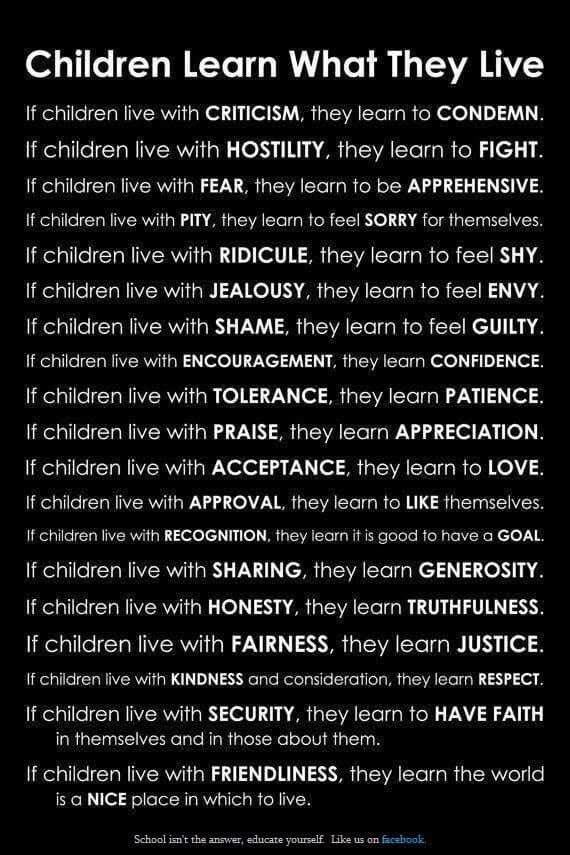
We cannot ask students to rise to their academic potential if they are weighed down by unmet needs. We cannot expect engagement, focus, or curiosity if a child is hungry, scared, unseen, or emotionally overwhelmed. Maslow teaches us that safety, connection, and belonging must come first. Before we ask a child to climb, we must first build the foundation beneath their feet.
Once that foundation is laid, Bloom reminds us of the incredible heights students can reach when challenged to think, question, analyze, and create. But even then, our work is not done. Gardner shows us that intelligence comes in many forms—and that brilliance isn’t always measured by test scores or grades. It may live in a melody, a sketchbook, a soccer field, a science lab, or the quiet kindness of a child helping a classmate.
Jung invites us deeper still—to help students discover who they are, what they value, and where they find meaning. And Goleman reminds us that emotional intelligence—the ability to manage feelings, show empathy, and connect with others—is just as vital as academic skills for success in life.
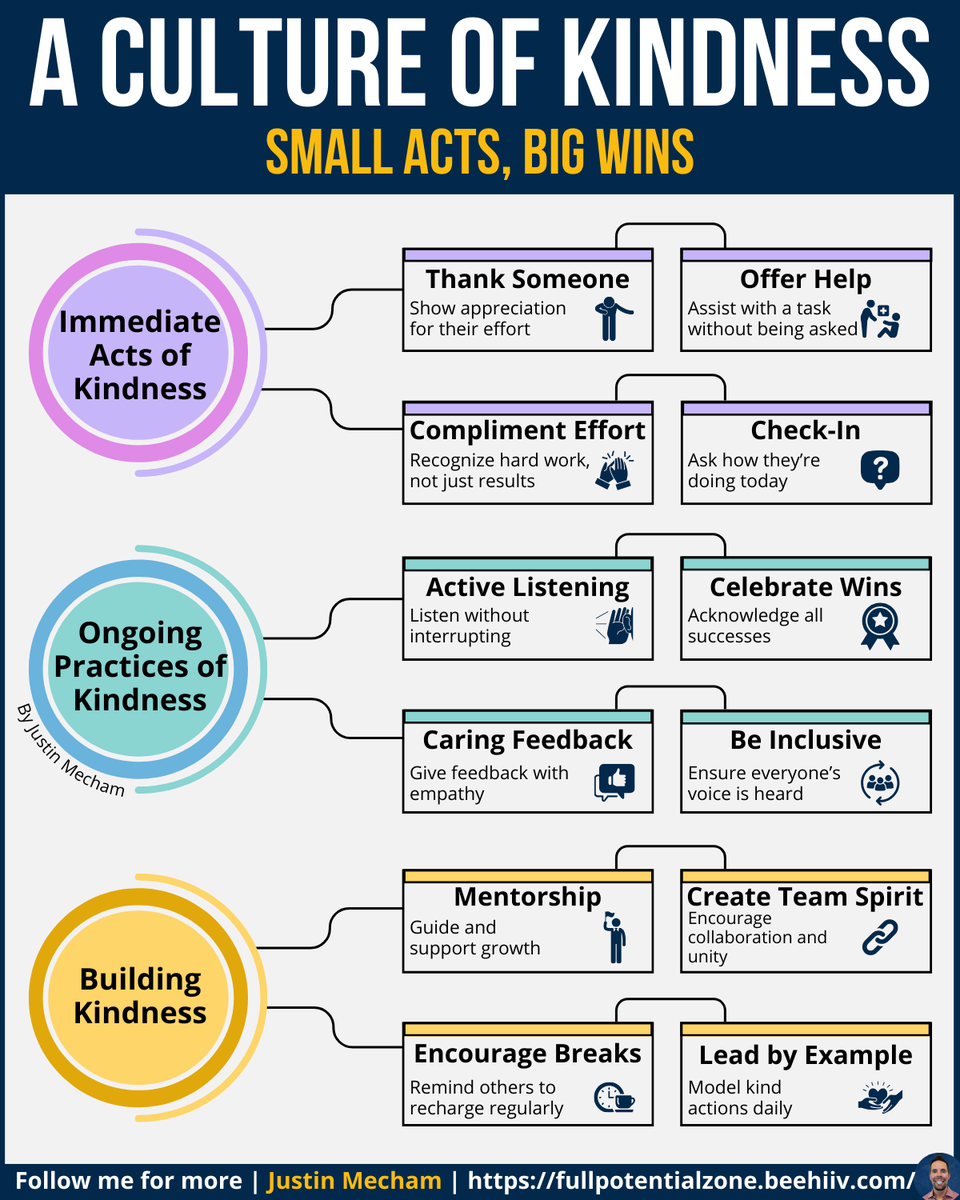
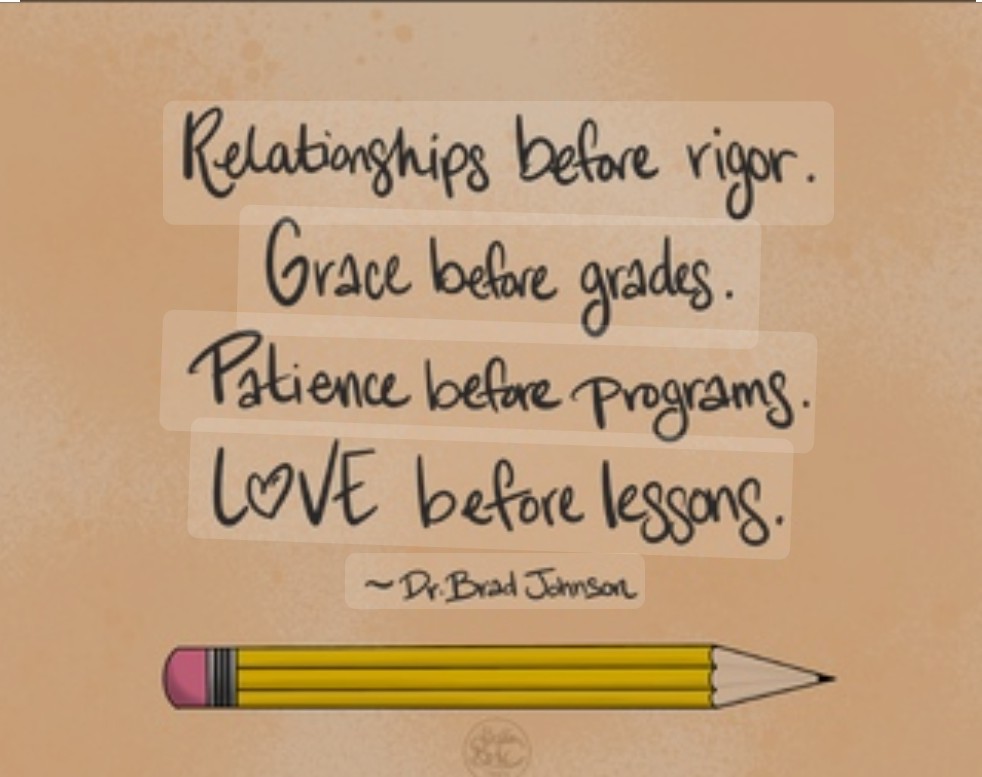
Educating the whole student means honoring every part of them—their basic needs, their diverse strengths, their inner world, and their capacity to grow into emotionally healthy, self-aware, and purpose-driven individuals. This is not soft. It is powerful. It is the work of transformation. And it begins not with curriculum, but with compassion.
English