

OutdoorCarnivore
195 posts

OutdoorCarnivore
@Tim309926597632
Student of Metabolic Health at 63. Hub,Dad,PawPaw=Happy. Literature before mantra, always.
Texas! Trinity River Basin Katılım Nisan 2023
1.1K Takip Edilen1.1K Takipçiler

You are breaking the Hippocratic oath every time you prescribe a statin.

English
OutdoorCarnivore retweetledi

Glucose is such a fickle fuel. No other nutrient experiences the swings glucose does, rising and falling dramatically throughout the day. And the brain appears to suffer the most, undergoing periods of feeding frenzies and starvation within hours of each other. pubmed.ncbi.nlm.nih.gov/39044609/
Give your brain a break. Controlling carbs not only stabilizes glucose availability, but also introduces ketones. Ketones, incidentally, are the brain's preferred fuel. If given equal access to glucose and ketones, the brain selects ketones at about 2/3 the rate of glucose.
English
OutdoorCarnivore retweetledi

Normalizing TSH levels with synthetic hormones doesn't fix the root of thyroid issues, stopping your body from working its best. Watch the full video: @drekberg/search?query=thyroid" target="_blank" rel="nofollow noopener">youtube.com/@drekberg/sear… #DrEkberg #ThyroidHealth
English
OutdoorCarnivore retweetledi

Glycation is a chemical reaction where sugar binds to proteins, fats, and DNA—without enzymes or regulation. Over time, this forms advanced glycation end products (AGEs) that stiffen tissues, disrupt cellular function, and trigger chronic inflammation.
In the nervous system, glycation damages neurons, myelin, and the blood–brain barrier, contributing to neuropathy, cognitive decline, and brain aging—often long before diabetes is diagnosed.
I break this down step by step in the latest College of Glycation episode:
youtu.be/ozHR8qEt7Xs
Metabolic health matters—especially for your brain.

YouTube
English
The paradigms of exercise nutrition are changing in real time.
Andrew Koutnik, Ph.D.@AKoutnik
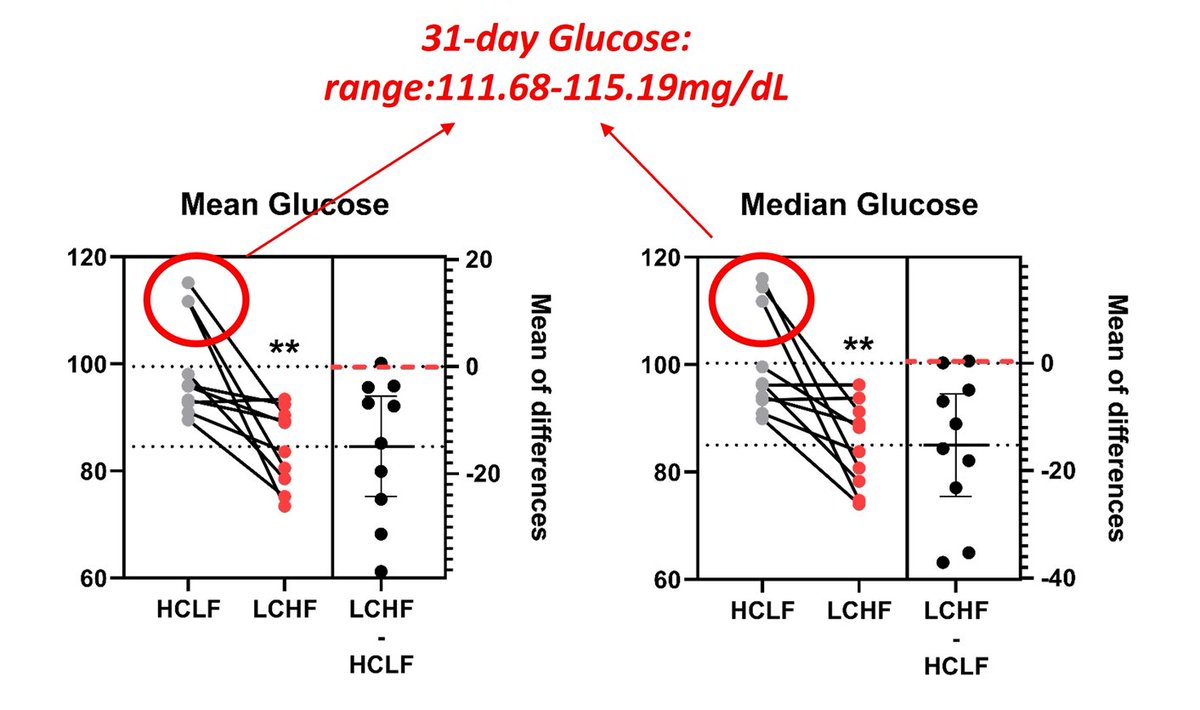
NEW STUDY: 8 Weeks of High v Low Carbohydrate Diets Patterns Produced NO DIFFERENCE in athletic performance... Yet again, when athletes adapt to a diet for >4weeks in duration, we dont see significant differences in performance metrics (all groups improved). 🍞High Carb (8 weeks): +4.6% 🥑Low Carb (4weeks) ->🍞High Carb (4weeks): +7.4% 🥑Low Carb (8weeks): +7.3% Where have we seen this before?🤔👇
English
OutdoorCarnivore retweetledi

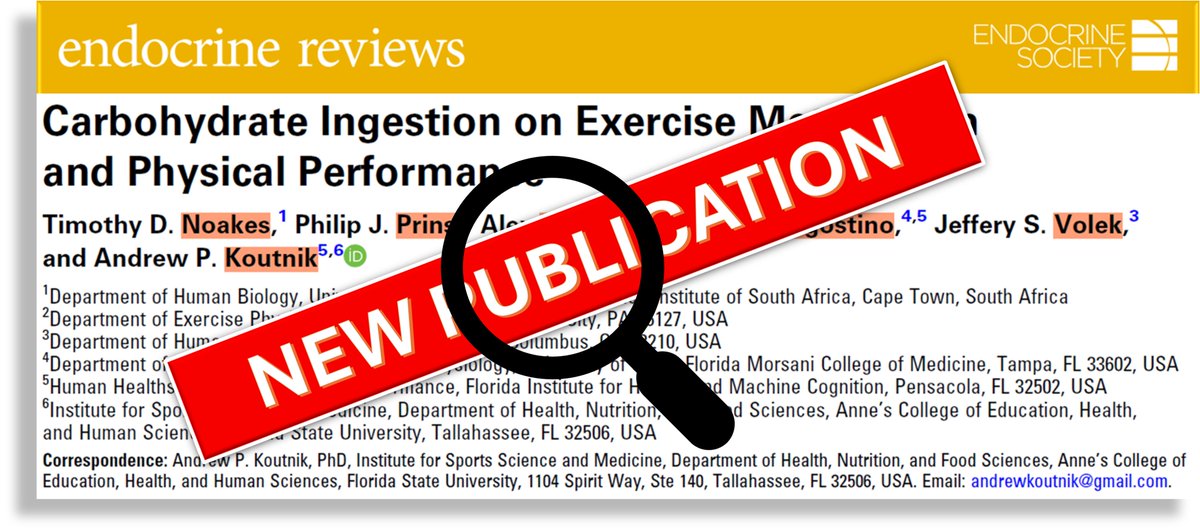
🚨Our Landmark Sport Nutrition Analysis in Endocrine Reviews — spanning 100+ years & ~600 studies🔬— challenges the foundations of the sports nutrition industry & guidelines, exposing potential harm to athletes' health.
This is the most comprehensive pub on nutrition's impact on performance (5+ years in the making). What we found is critical to athletes, coaches, dieticians, and the scientists who write guidelines with FREE study link below:
1) 🍞"Carb-loading" is misguided?
Current sport nutrition guidelines (i.e., @ACSMNews, @IntSocietySN, @Gatorade Sport Science Institute) recommend 5–12 g/kg CHO/day and 60–90 g CHO/hour. What does that mean?
📈This can push some athletes to over 1000 carbohydrates/day. Multiple meta-analyses in the report revealed that sport nutrition guidelines have over-emphasized muscle glycogen and carbohydrate oxidation levels...yet these metrics didn't consistently align with performance... so what metric predicts performance?
See #2. 👇
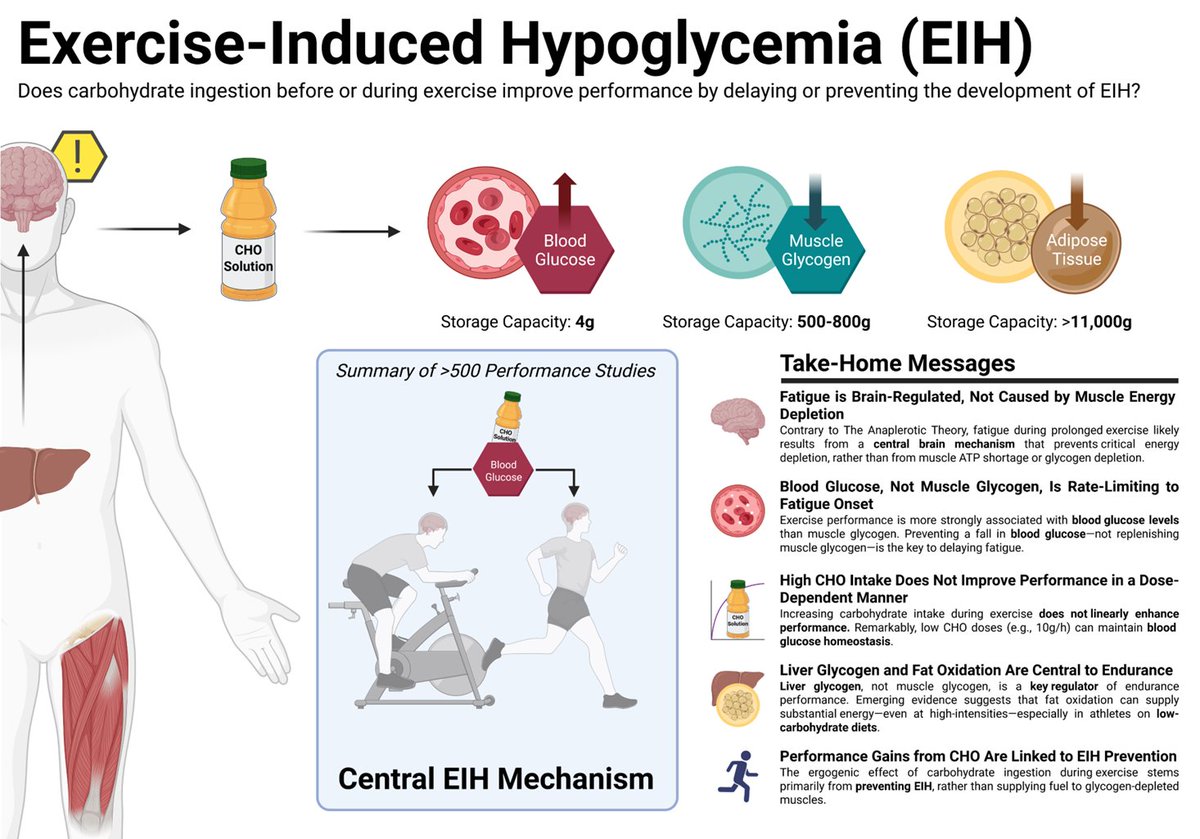
2)🧠Primary performance driver? Sustaining total brain energy (glucose + ketones + lactate)—not muscle glycogen or carb oxidation.
In >160 sports performance studies, 88% showed that carb intake only benefits performance when blood glucose plummeted in the placebo group, triggering early fatigue in non-carb athletes due to brain energy deficit. Carbs maintained blood glucose and brain energy, and this out-predicted every other metric. Yet, the brain's role has been sidelined in sports nutrition, ignoring evidence since the 1920s of its pivotal impact on performance.
3)🔥High carbohydrate intake paradoxically accelerates glycogen breakdown and suppresses fat oxidation during exercise.
This contradicts many of the sports nutrition marketing claims promoting high levels of carbohydrate supplementation (60-120g/hour) to "spare" muscle glycogen AND evidence showing that higher fat oxidation correlates with better performance.
4)🫀Health risks of sports nutrition guidelines? Emergent evidence has demonstrated that high-carbohydrate intake can lead to prediabetes in a percentage of athletes. This analysis also reveals that current sport nutrition guidelines' carbohydrate intake levels create a metabolic environment during exercise analogous to diabetes:
-⬆️circulating insulin
-⬇️fat oxidation
-⬆️glycogen breakdown
-🔒forced reliance on glucose as fuel
This is critical. We show that athletes ARE NOT immune to the metabolic problems driven by the food environment.
5)🥵Ketogenic athletes CAN "bonk" too...but not if they fuel correctly.
Contrary to claims, athletes on ketogenic diets can and do bonk—like on high-carb diets—due to dropping blood glucose. The lack of strategic carbohydrate placement was a mistake many keto-athletes made when trying to reach their peak performance. Small targeted brain-fuel supplements (10g/hour) during exercise boost peak performance without high-carb loads.
After 4-week adaptation, ketogenic performance equals high-carb performance...but BOTH high and low-carb athletes benefit from ~10g/hour carbs to maintain glucose/brain energy for exercise >60 minutes in duration, improving performance 22%. It will be interesting to see how other brain fuels can also assist (ketones and lactate).
🔗FREE Study Link: doi.org/10.1210/endrev…
📣CONCLUSIONS: This landmark analysis challenges over half a century of scientific assumptions in sports nutrition—and explains how they became embedded in official guidelines—with implications reaching beyond elite athletes to public health and chronic disease prevention.
Please share this widely with athletes, coaches, dietitians, and scientists to help optimize not just peak performance, but lifelong health. 🤝

English
OutdoorCarnivore retweetledi

✅ PTSD
✅ Bipolar
✅ Depression
✅ Anxiety
✅ BED
✅ ADHD
✅ PMDD
All gone.
12 weeks. No medications. Just therapeutic ketosis with professional and group support.
#metabolicpsychiatry #ptsd #adhd #mentalhealth @ikrt_org frontiersin.org/articles/10.33…
English

On August 8th, 2025, ET came to me suffering from what his wife Roberta described as "some form of dementia or memory decline for 10 years."
She rated his mental health at a four out of ten.
That’s when she decided to take him to us.
Within just 10 days with us, Roberta noticed something extraordinary:
"ET remembered I was at an appointment not to call. He called at 3:00 just as I had suggested the day before. That is something that he could not do 10 days earlier.”
Even his son was surprised: "Mom, Poppy is doing amazing. He is doing amazing. Everything that we talked about, he's spot on.”
Here’s the health protocols we used for ET:
• Ketogenic diet
• Exercise
• Hyperbaric oxygen therapy
• Red light therapy
• And most importantly, we created a positive environment with like-minded people all concentrating on getting ET well.
By the end of the first month with us, ET remembered things he could not do beforehand.
As Roberta beautifully put it: "I saw a difference in my husband from Friday to the following Monday like let's say 10 days later I saw a difference with him before the first hyperbaric oxygen therapy.”
English
OutdoorCarnivore retweetledi

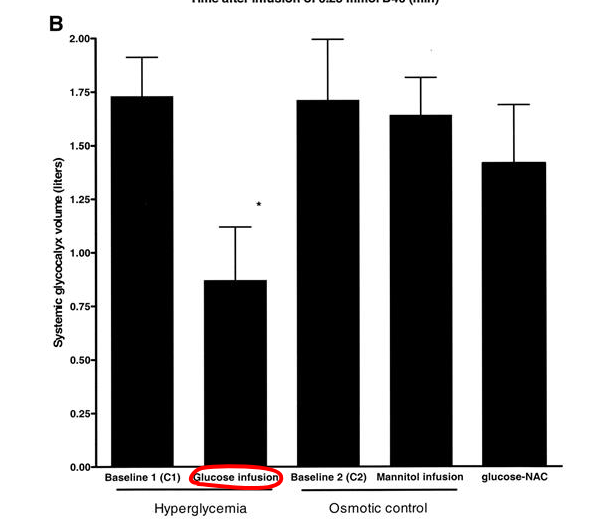
Hyperglycemia resulted in 50% destruction of the glycocalyx, the gel-like protective layer of blood vessels.
It also caused endothelial dysfunction and activation of coagulation.
Sounds like a good way to get coronary artery disease.
No cholesterol required.
Another good reason to get and stay lean and fit, so you can have normal blood sugar and avoid the destruction of the inner lining of your arteries.
PMID: 16443784
English
OutdoorCarnivore retweetledi
A systematic review of resistance training studies found that the only training variable associated with changes in muscle mass was the number of sets per workout, which was negative.
Meaning the more sets per workout, the less muscle gained.
doi.org/10.3390/ijerph…
English
OutdoorCarnivore retweetledi
I think most people have an incorrect perception of what’s required to reclaim their health. They (incorrectly) believe they would need to give up much of their free time in order to exercise, and starve themselves, or take drugs. So they do nothing instead.
English
OutdoorCarnivore retweetledi
🧵NEW STUDY: Low-carb vs high-carb pre-exercise meals
-Middle-distance runners (n=30)🏃♂️
-"Carbohydrate oxidation performance myth?!"🤯
-2X pre-exercise meal performance testing📈
Our assumptions challenged...again.
🔍CRITICAL QUESTIONS:
1) Does LOW-CARB pre-exercise meal shift to fat oxidation and impair time trial performance?
2) How do metabolite profiles like ketones and glucose differ and affect outcomes?
3) Individual variability in responses?
🔐 KEY CONTROLS:
1) ❎Randomized crossover design.
2)↔️Isocaloric meals.
3)↔️Controlled diet, activity, bodyweight.
4)✅Fed state to avoid glycogen/hypoglycemia confounders.
5) Two DIFFERENT performance tests with oxidation, metabolite, effort, fullness.
👇Is it time to change AI recommendation on carb intake...what did we find? 1/n
🔗Detailed study breakdown below


English
OutdoorCarnivore retweetledi
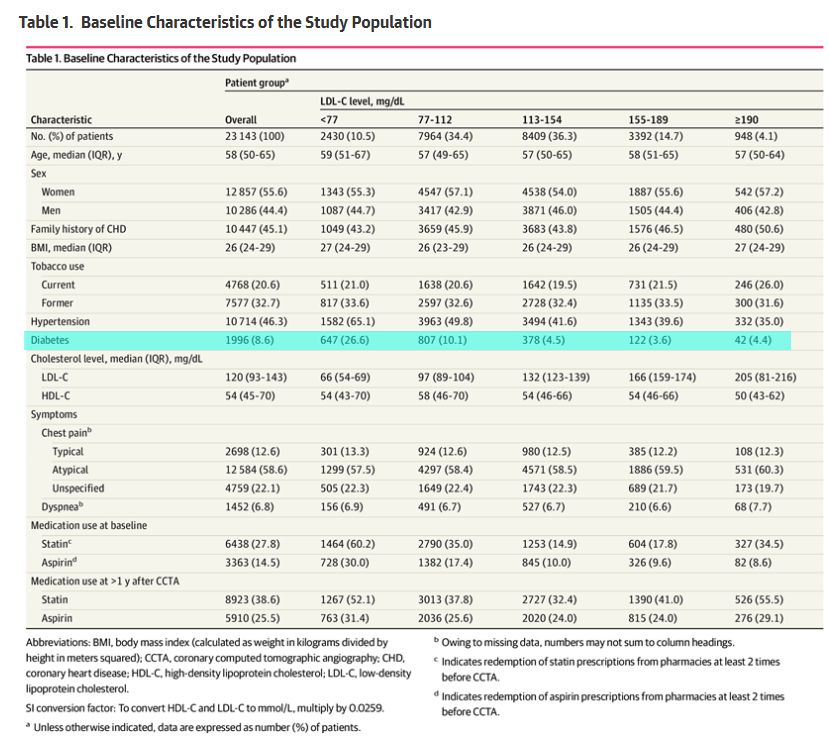
In this study, patients with low LDL (<77) had much higher rate of diabetes than those with higher LDL.
English
OutdoorCarnivore retweetledi

Creatine supplementation suppresses cancer growth in mice.
Macrophages are upregulated by increasing ATP production.

English
OutdoorCarnivore retweetledi

For years I was confused by dairy.
Ancient texts would regularly talk about the benefits of dairy.
Even the Bible describes the Promise Land as “the land flowing with milk and honey.”
Both were very good & prized food sources!
But yet, I would see so many patients in the clinic have issues with dairy.
Why?...Then I figured it out.
THREAD

English
OutdoorCarnivore retweetledi
If someone is lean and fit, meaning they’re not
•skinny-fat
•overweight
•obese
Then they’re almost surely in optimal metabolic health, and thus at very low risk for heart attacks, strokes and even most cancers.

English
OutdoorCarnivore retweetledi
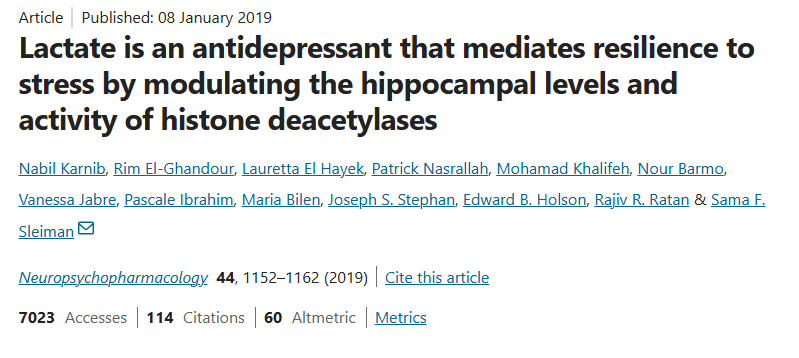
Lactate is an antidepressant
High intensity exercise increases lactate levels.
Exercise is an antidepressant.
Q.E.D.
English
OutdoorCarnivore retweetledi

If you rely on your ketones being high (3-6mmol) to manage a clinical condition..
..then it's worth knowing that polyunsaturated fatty acids (PUFA) are more ketogenic than saturated fatty acids.
The graph (from human study) shows they're 2.7x more ketogenic. Rodent studies also show the same thing.
The reasons are complicated but PUFA's burn faster in the mitochondria & seem to switch on PPAR-a which dials up fat burning more. Specifically the fatty acids called LA (Linoleic acid) and ALA (α-Linolenic acid) do this.
All this means is we get more ketones and thus a higher level of ketosis FASTER.
Now, saturated fats are still ketogenic obviously. And they taste waaaaay better. And I'm not advocating for a diet enriched with seed oils.
But...
...if maintaining super high ketones is important to you then adding in some nuts, nut butter, fatty fish and even things like flaxseed can double your ketone levels.
Animal based products that contain some of these fatty acids include:
Lamb, pasture raised eggs, wild game, duck fat, supermarket pork like bacon, steaks etc (because it's fed corn/soy).
This doesn't mean your diet should be only PUFA. That'd be silly. This doesn't mean saturated fats are bad. That's also silly. This does mean if maintaining a very high level of ketosis is important to you, consider working in some of the above foods to your daily routine.
The other way to use this is to induce ketosis FASTER if you ever drop out.
Anyway I thought this was interesting and practically useful. Hopefully you thought the same.

English

There seems to be a sudden influx of fake carnivores on X. They have carnivore sounding handles, they use steak icons. They may even post carnivore recipes.
When you start to read more closely, they aren’t carnivore at all. Nor are they truthful in their posts.
I’m getting the feeling that Big Food is paying these people to drive the narrative.
Metabology@CarnivoreKiwi
I was afraid of carbs - here's what I learned after fixing my HPA axis. For years, I was stuck in a low-carb loop! I believed insulin was the only villain and carbs were the enemy. I got lean, super lean, but that stubborn belly fat never left - like, really? My sleep was a mess, believing that I simply needed less from less inflammation. And I felt like I was always pushing through, never recovering. What changed? Everything. Once I started to understand what was actually happening under the hood. Here's what worked for me and what I wish I'd known earlier: 🔘 Long-term low-carb kept my insulin sensitivity high - great, right? But staying too low for too long depleted my liver glycogen. That pushed my body to rely on gluconeogenesis far too much, and chronically activated my HPA axis. In other words: more cortisol, all the time. 🔘 That elevated cortisol wrecked me. It disrupted my sleep (especially deep sleep), suppressed thyroid function (↓ T3), and encouraged a little fat storage, yes, right around the belly. The exact place I couldn't seem to shift. 🔘 Reintroducing carbs (strategically!) changed everything. A small amount of berries and honey was enough to refill liver glycogen, downregulate cortisol, and shift me back toward parasympathetic dominance. That's when my sleep finally clicked. 🔘 Because I'd preserved insulin sensitivity, I could handle those carbs without fat gain. Instead, I got better recovery, better hormonal balance and that stubborn fat started to melt. 🔘 Weekly slightly higher-carb refeeds helped too. They brought leptin and T3 back up, fired up mTOR, kept my metabolism humming and helped preserve muscle while torching stress-driven fat. 🔘 I'll never touch veggies again, ever. Too many plant toxins, antinutrients and gut irritants. But fruit? That's a little different. It's quickly digested and metabolically useful, especially when insulin sensitivity is high - like mine, via carnivore. 🔘 I still move between ketosis and glycolysis, deliberately. Ketosis brings its own benefits: mental clarity, fat oxidation, metabolic flexibility. But I also embrace a little glycolysis when I need energy, recovery, hormonal support and better sleep. Both systems have their place. And lipolysis? Well and truly dialed in now - yes, calories in and calories out is a thing, but only with fixed hormones. What I know: Excellent insulin sensitivity protects you. With it, carbs become a tool. They can lower stress hormones, heal your metabolism and improve body composition. I finally have abs coming through. I sleep like a rock. And I feel like a million dollars. If you've been stuck in low-carb fear - maybe it's time to reconsider. Sometimes the thing you're avoiding is exactly what your body needs to heal. So... am I still carnivore? The short answer, yes I am carnivore-based. But that's a whole post of its own. Stay tuned - I'll share exactly how I've evolved the way I eat.
English