Timepix

6.2K posts

Timepix banner
Timepix

Timepix

@Timepixuk

Loving old photos! Timepix has 50,000 #OrdnanceSurvey #GreaterManchester #1950s pics, Plus #Victorian #Edwardian #postcard also @[email protected]

Somerton, England Katılım Ağustos 2016
1.1K Takip Edilen855 Takipçiler
Timepix retweetledi
Archaeo - Histories
Archaeo - Histories@archeohistories·
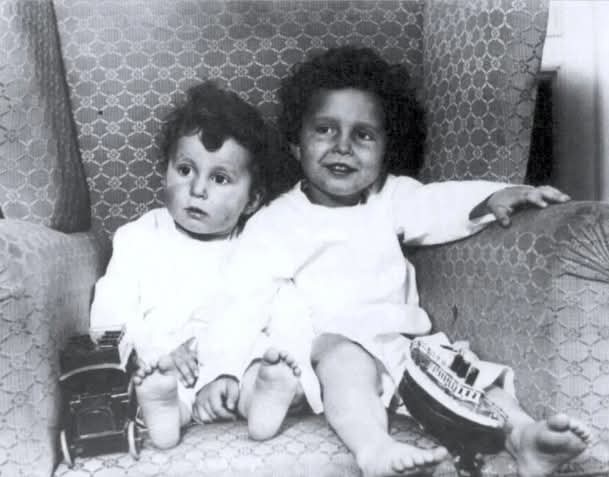
In 1912, two French brothers were kidnapped by their father and taken aboard the Titanic. When the ship sank, he placed them on a lifeboat before he died. Upon arriving in New York, no one knew who the boys were, and they remained the "Titanic Orphans" until their mother spotted them in a newspaper. Michel Navratil (age 4) and Edmond Navratil (age 2), traveling under assumed names after being taken by their father, Michel Navratil Sr. They were among the youngest passengers aboard the RMS Titanic in April 1912. During the evacuation, their father placed them into Lifeboat D, one of the last boats to leave the ship. He did not survive. After arriving in New York, the children could not identify themselves due to their age and language barrier, and their story gained widespread media attention. Their identity was confirmed when their mother recognized their photographs published in newspapers. The brothers were later reunited with her in France. Both lived long lives, Michel died in 2001 at age 92, making him the last living male survivor of the Titanic. The final survivor of the disaster, Millvina Dean, she died in 2009. © Historical Photos #archaeohistories
Archaeo - Histories tweet media
English
20
382
4.8K
383.1K
Timepix retweetledi
Alan Burnett
Alan Burnett@ABFixby·
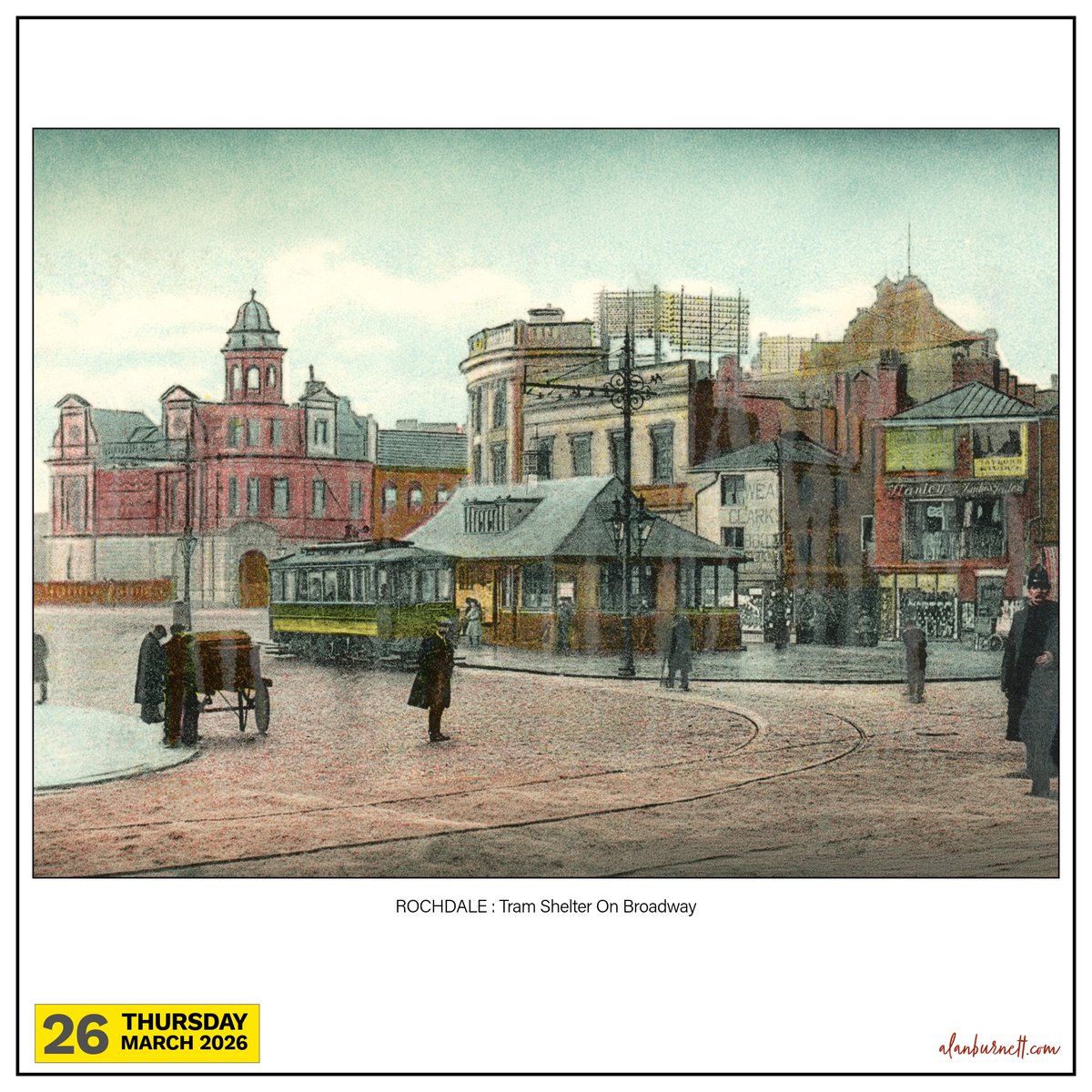
Back in the first decade of the twentieth century, picture postcards were the Facebook Posts of their day, and an almost endless supply of images was created so they could have messages attached to them, stamps stuck to them, and postcard albums filled with them. Imagine the excitement in Rochdale when a new picture of the tram shelter on Broadway became available. My Great Aunt Eliza went straight out and bought one - and here it is now.
Alan Burnett tweet media
English
1
7
39
637
Timepix retweetledi
ArchaeoHistories
ArchaeoHistories@histories_arch·
The night Florence Sabin’s mother died, the doctors gave it a neat name: “childbed fever.” Florence was seven—old enough to grasp the shape of what had happened. Her mother had gone into a room to bring life into the world and had instead been taken by an infection no one could seem to stop. Florence carried that with her. Years later, when people pictured her as a concert pianist—her hands really were that gifted—she’d quietly dismiss it. The piano was beautiful, sure. But it couldn’t answer the question that haunted her: why did the body turn against itself? So in 1896, she walked into Johns Hopkins School of Medicine—one of fourteen women surrounded by men who were certain she didn’t belong. She didn’t waste energy pleading her case. She just worked. As a student, she fixated on the brainstem of a newborn—an intricate knot of tissue so complex that flat sketches couldn’t do it justice. So she made it tangible. Using beeswax, she built a three-dimensional model, layer by painstaking layer. When she finally presented it, even the men who’d doubted her went quiet. That beeswax brain became a teaching tool for decades—and it sent a message Florence never had to say out loud: she wasn’t there to ask permission. By 1917, she was the first woman to hold a full professorship at Johns Hopkins. By 1924, she became the first woman elected president of the American Association of Anatomists. By 1925, she was elected to the National Academy of Sciences—the first woman ever, and for the next twenty years, the only one. She didn’t chase titles. She collected them the way you collect proof: through work that made denial impossible. Her research rewrote what scientists thought they knew about the lymphatic system. While others treated it like a medical afterthought, she showed that it grew outward from veins, overturning a long-accepted theory. In doing so, she helped lay groundwork for what we’d later call stem cell research—before that phrase even existed. When she left Johns Hopkins for the Rockefeller Institute, she was already famous in her field. But she wasn’t satisfied. Tuberculosis was still killing people by the thousands, and she wanted to know what happened inside the body when it fought back. For years she hunched over microscopes, tracing the behavior of monocytes—immune cells that act like foot soldiers on the front lines of infection. Her work didn’t produce a miracle cure overnight, but it gave later researchers something just as valuable: a map. And then, at an age when most people start winding down, she went back home to Colorado. She was seventy-two when the governor put her on a health committee. Later he admitted he’d assumed he was appointing a harmless elderly woman—someone respectable who wouldn’t rock the boat. He had no idea what he’d done. Sabin started digging and found Colorado’s public health laws hadn’t been updated since 1876—the year the state was founded. Raw milk was still sold. Sewage still flowed into rivers. Tuberculosis—her life’s enemy—was spreading because the system hadn’t bothered to modernize. She didn’t file a polite report and call it a day. She hit the road. She traveled to all sixty-three counties, speaking in town halls and grange halls, looking ranchers and mayors straight in the eye and telling them, “We need health to match our mountains.” She gathered data, built alliances, and pressured the state legislature with a focus so relentless it wore people out. In 1947, the Sabin Health Laws passed, transforming Colorado’s entire public health system. Tuberculosis rates fell. Disease surveillance became standard. Milk was pasteurized. She still wasn’t finished. © Historical Photos #archaeohistories
ArchaeoHistories tweet media
English
10
244
1.1K
27.5K
Timepix retweetledi
#WOMENSART
#WOMENSART@womensart1·
In the early 1900s, UK and US women often ran Tea Rooms, an acceptable form of employment in a limited world for females, which soon became subversive spaces linked to suffrage campaigns and other women's rights #WomensArt #WomensHistoryMonth
#WOMENSART tweet media
English

7
272
918
11.9K
Timepix retweetledi
ArchaeoHistories
ArchaeoHistories@histories_arch·
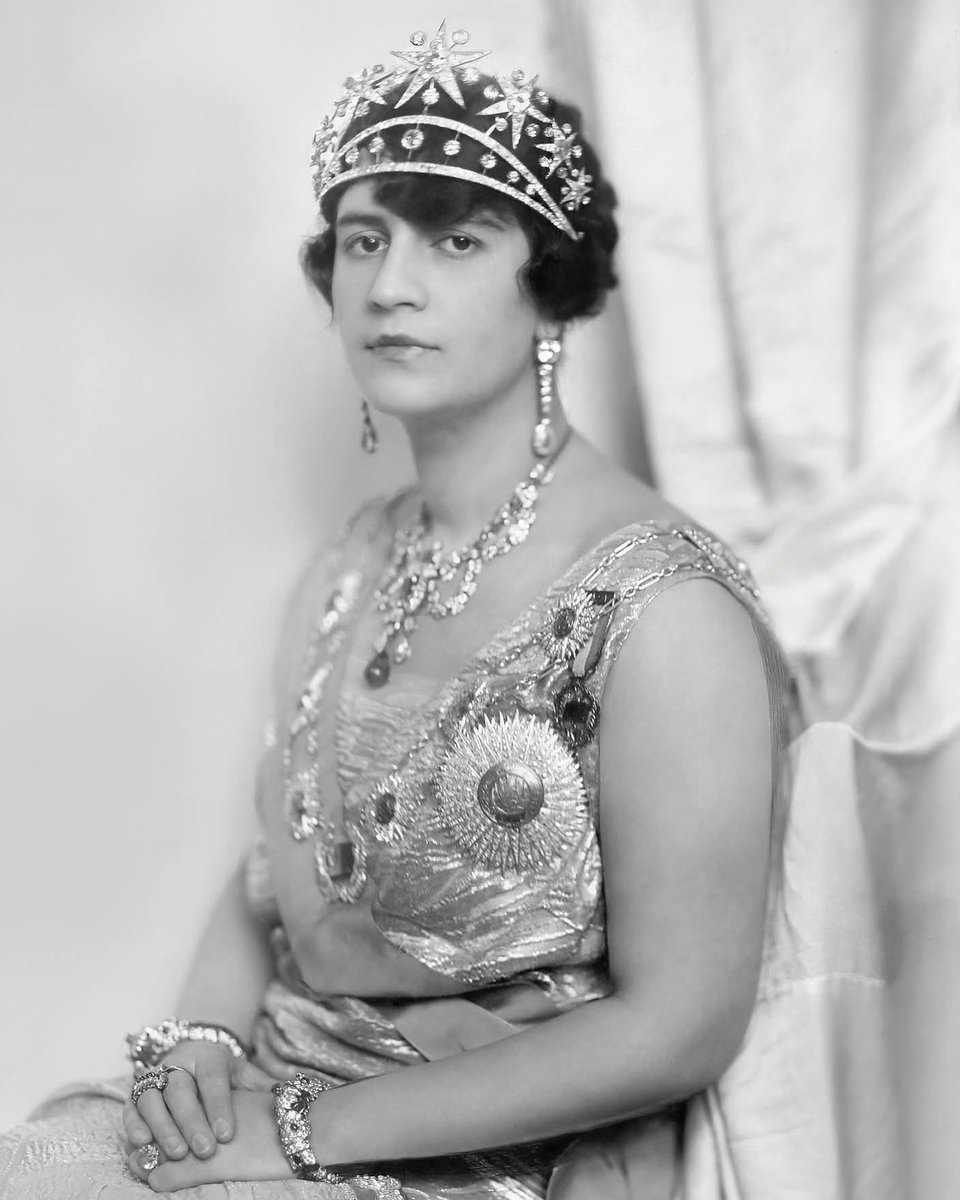
In a country where a woman’s visibility was tightly controlled—where education for girls was rare and public life even rarer—Soraya Tarzi stepped forward and did something almost unthinkable: she made herself seen. As Queen of Afghanistan in the 1920s, she stood beside her husband, King Amanullah Khan, not as a silent figure, but as an active partner in reshaping the nation. She gave speeches. She published a women’s magazine. She advocated openly for girls’ education, arguing that a country could not progress while half its population was left behind. At a time when many women were denied even basic literacy, Soraya was encouraging them to read, to think, to participate. And then there was the moment that would define her in the eyes of history. She removed her veil in public. It’s easy to underestimate what that meant now, but at the time, it was seismic. This wasn’t just a personal choice—it was a direct challenge to deeply rooted social norms. A queen, in full view, rejecting the expectation of concealment. It sent a message that rippled far beyond the palace walls: that women could exist openly, visibly, and with autonomy in public life. But progress that moves too fast often meets resistance just as quickly. What Soraya represented—modernity, reform, women’s independence—was embraced by some, but deeply threatening to others. Conservative backlash grew. Tribal leaders pushed back against rapid changes. The very reforms she championed became part of the reason the monarchy began to destabilize. By 1929, Amanullah Khan was forced to abdicate, and Soraya, once a symbol of a new Afghanistan, was pushed into exile. And just like that, the vision she helped build began to unravel. Schools for girls closed. Reforms were rolled back. The country retreated from the future she had tried to accelerate. © Women In World History #archaeohistories
ArchaeoHistories tweet media
English
10
77
274
9.7K
Timepix retweetledi
Paul Sutton-King
Paul Sutton-King@PaulSuttonKing·
A trip to #Hampshire for mystery #postcard Monday.The cards came with others located in the countryside south of Ringwood. The windows and brick banding are distinctive,the election poster says “County of Southampton”. Roy Wyatt is pictured, can anyone piece together the clues?
Paul Sutton-King tweet mediaPaul Sutton-King tweet mediaPaul Sutton-King tweet mediaPaul Sutton-King tweet media
English
3
5
36
1.2K
Timepix retweetledi
Archaeo - Histories
Archaeo - Histories@archeohistories·
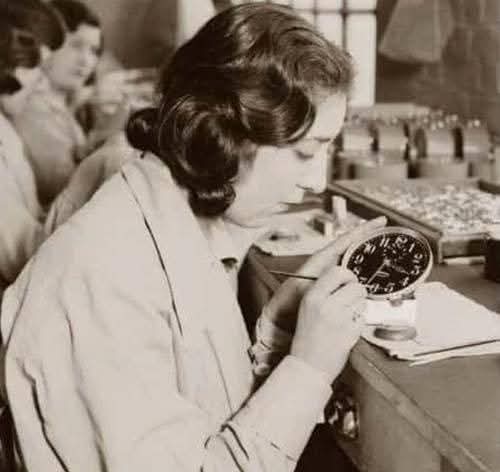
"They told us the paint was safe enough to eat. So we put the brushes in our mouths hundreds of times a day. And now our bones are still radioactive a century after we died.' They were called the Radium Girls. Teenagers who painted watch dials with glowing paint, who danced in the dark covered in their own light, who were told they had nothing to fear. Their employer knew better. They just never told the girls." Orange, New Jersey, 1917. Grace Fryer was eighteen when she walked through the doors of the U.S. Radium Corporation. The job seemed almost too good to be true: painting watch dials with luminous paint so soldiers could read their watches in the trenches of World War I. The pay was better than any factory work available to young women. The paint actually glowed. The girls painted their nails with it, their teeth, their faces—showing up to dances shimmering like something out of a fairy tale. They called themselves the Ghost Girls. Their supervisors told them the paint was perfectly safe. "You could eat it," one said with complete confidence. So they did. Every day. The technique was called "lip-pointing"—put the brush between your lips to make a fine point, dip it in radium paint, paint the number, repeat. Hundreds of times a day. Thousands of times a week. Gram after gram of radium-laced paint passed through their lips, settled permanently in their bones. The male scientists and supervisors working with the exact same paint wore full protective gear behind lead shields. They already knew what radium could do. They simply never told the women. By 1922, the sickness began. Teeth fell out. Jaws dissolved. Bones snapped from the smallest movements. And something else—something no one could explain. They glowed in the dark. At night, standing before their mirrors, their own bodies gave off pale greenish light. The radiation had buried itself so deep it was literally shining through their flesh. When Grace Fryer's symptoms appeared in 1923, she went to the company for help. U.S. Radium denied everything. Their hired doctors blamed syphilis—a deliberate, cruel strategy to label dying women as prostitutes. Grace found a lawyer in 1927. By then she could barely walk, her spine collapsing, weighing under 90 pounds. Four other dying women joined her. The company's legal strategy was simple: delay until they died. But when the women appeared in court in 1928, the public saw with their own eyes what the company had done. Grace had to be carried in. Quinta McDonald's face had sunk where her jaw was eaten away. The outrage was unstoppable. U.S. Radium settled. Each woman got about $175,000 in today's money. Grace died in 1933 at 34. By 1937, all five were gone. What they did can never be undone. Before the Radium Girls, companies faced almost no consequences for injuring workers. Their case changed everything—workers gained the right to sue for negligence, companies became legally required to warn about hazards, employers were held responsible for occupational injuries. Every warning label on a chemical container. Every required piece of protective equipment. Every workplace safety law. Five dying women built that. In 2014, researchers held a Geiger counter to Grace Fryer's grave. Ninety-one years after her death, her bones still registered radiation. They will glow for 1,600 years. "She could barely stand when she brought her lawsuit. Her spine was giving way. She knew she wouldn't survive. She sued anyway—not to save herself, but to save people she would never meet. Her bones still glow beneath New Jersey soil. Her name is written into every workplace safety law in the country. The company that poisoned her is remembered only for what it did. Grace Fryer will never be forgotten." © Tales Of Past #archaeohistories
Archaeo - Histories tweet media
English
50
1.2K
3.3K
67.9K
Timepix retweetledi
Back in Time West London
Back in Time West London@OldLondonW14·
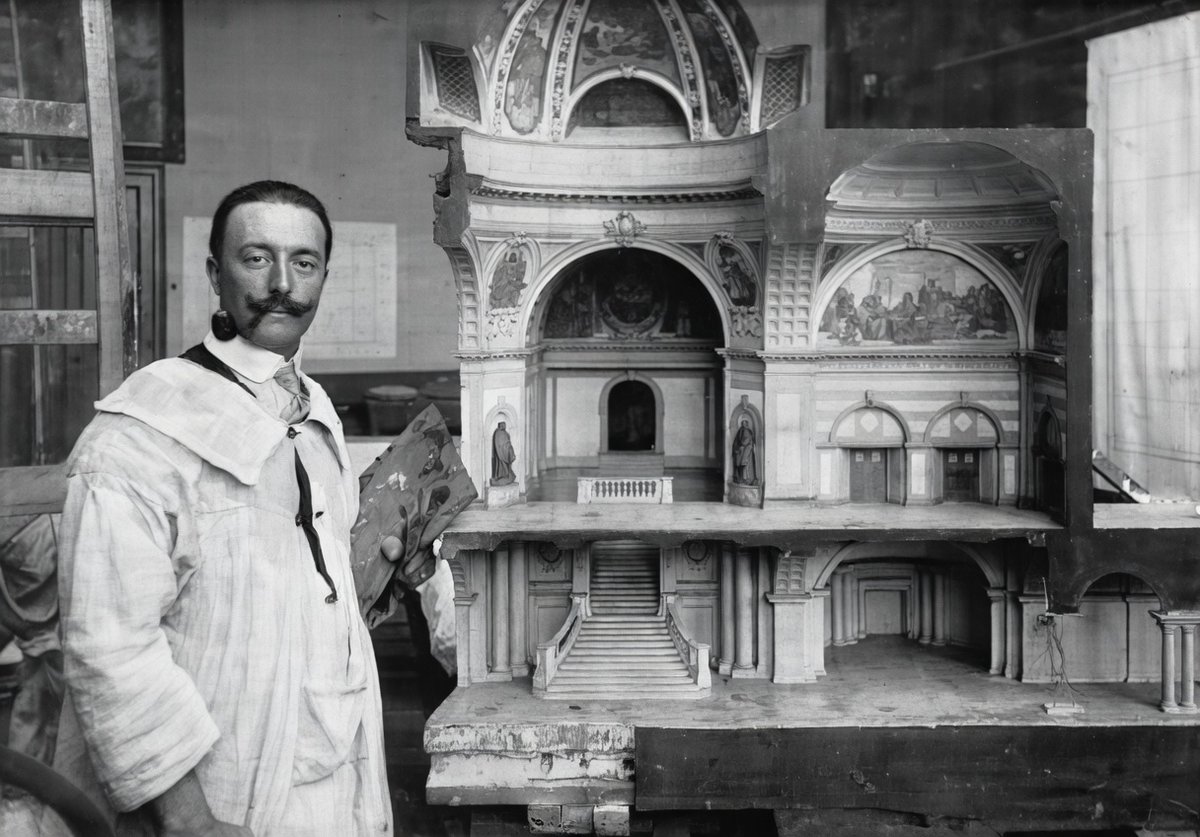
London-born painter Gerald Moira (1867–1959) was best known for his murals. Here he is in front of the Old Bailey model. He painted its domed ceilings in 1906 when it was newly built. He returned in his eighties to paint a new mural, after bomb damage was repaired.
Back in Time West London tweet media
English
0
7
21
927
Timepix retweetledi
BabelColour
BabelColour@StuartHumphryes·
Let me take you back 116 years to the summer of 1910: I've cleaned-up this astounding autochrome of young Hélène Gélibert, engrassed in her crochet and enveloped in such beautiful iridescent light! It was taken in Monplaisir, France, by the Lumiere brothers and it depicts their niece (the daughter of Juliette Lumière). It is an original colour process from 1910 and not colourised.
BabelColour tweet media
English
65
412
2.7K
36.5K
Timepix retweetledi
History Calendar
History Calendar@historycalendar·
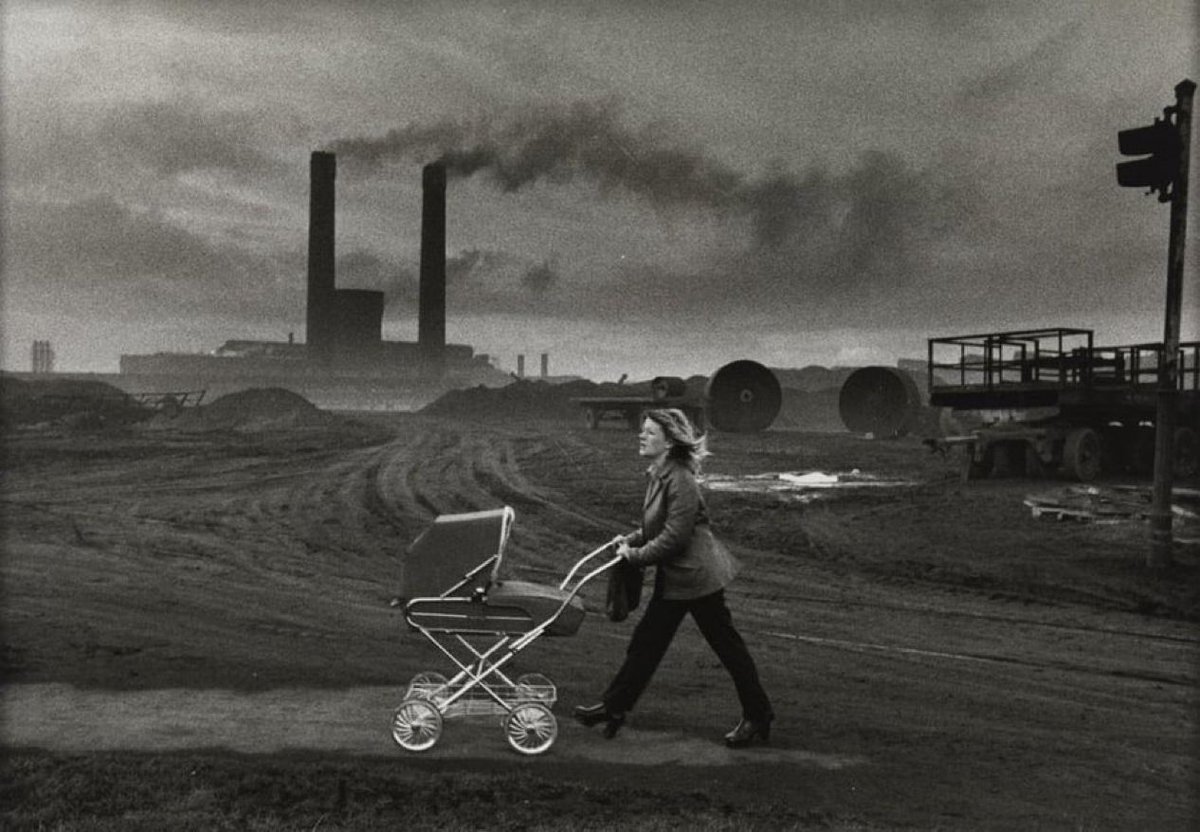
Woman with pram strolls past the local steel works. Consett, UK, 1974.
History Calendar tweet media
English
3
34
295
4.8K
Timepix retweetledi
Massimo
Massimo@Rainmaker1973·
Fun
Massimo tweet media
14
199
1K
21.7K
Timepix retweetledi
Historyland
Historyland@HistorylandHQ·
Statue of Liberty towering over Paris just before it was disassembled and shipped to New York, 1886.
Historyland tweet media
English
15
147
997
24.3K
Timepix retweetledi
BabelColour
BabelColour@StuartHumphryes·
Photographed in colour on 26th September 1909, this amazing autochrome by Léon Gimpel is entitled "The Balloons on the Esplanade des Invalides" which captures the Parisian launch of several gas balloons (as opposed to modern hot-air balloons) participating in a long-distance race organized by the Aéro-Club de France. It is an original colour process from 117 years ago and isn't colourised.
BabelColour tweet media
English
19
213
1.4K
37.7K
Timepix retweetledi
RossRadio
RossRadio@cqcqcqdx·
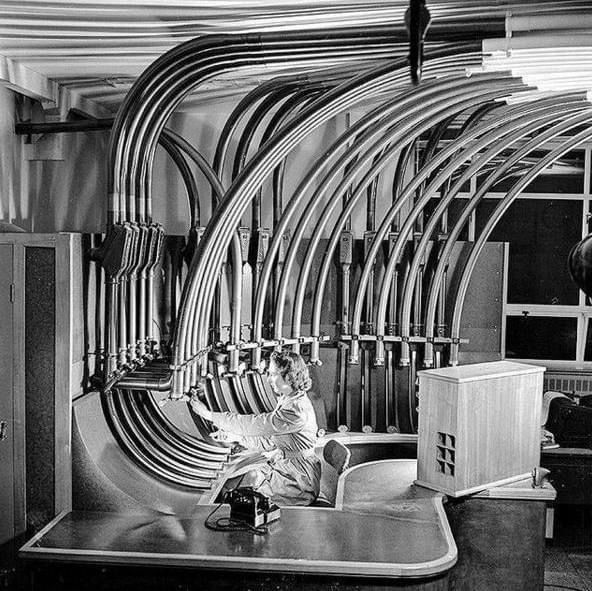
Like a scene from Metropolis, a lone worker operates the communication hub in a London typewriter factory in 1954.
RossRadio tweet media
English
15
172
906
21.3K
Timepix retweetledi
Historyland
Historyland@HistorylandHQ·
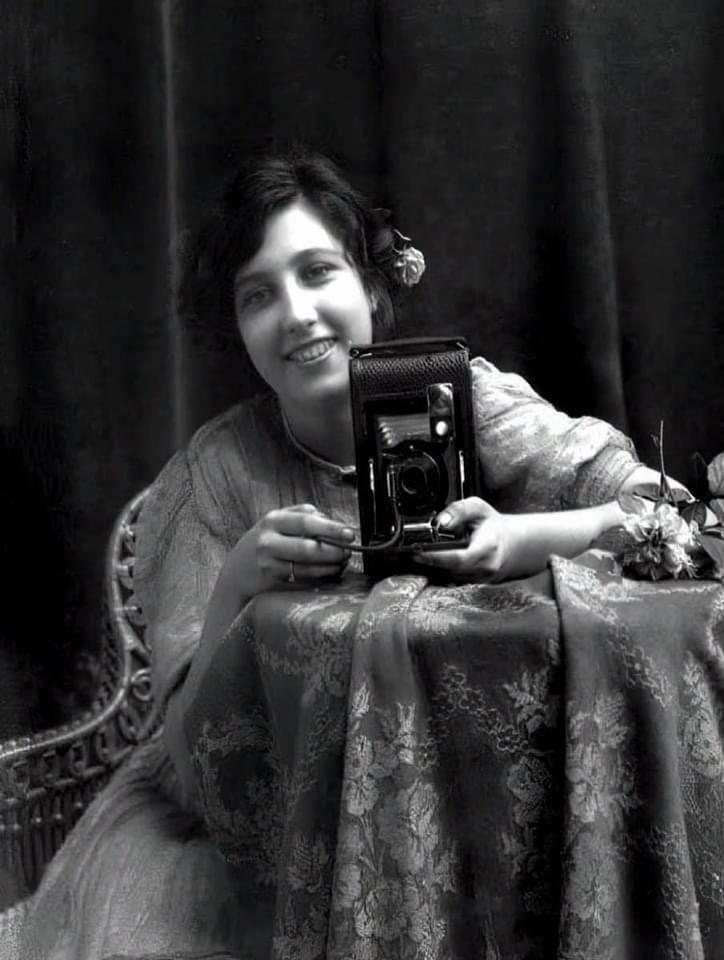
A lady from the early 1900s taking a smiling selfie in a mirror.
Historyland tweet media
English
3
38
221
3.4K
Timepix retweetledi
Lost London
Lost London@Lost___London·
If you enjoy this account, and care for the memory, and future of London, kindly follow (if you don't already) and share this post in order to help others find us. Thank you all for your support. 🤝
Lost London tweet media
English
6
165
822
16K
Timepix retweetledi
ArchaeoHistories
ArchaeoHistories@histories_arch·
Between 1915 and 1926, a strange and terrifying illness appeared in Europe and slowly spread across the world. Doctors struggled to understand it, and the public watched in fear as victims seemed to turn into living statues. The disease was known as Encephalitis lethargica, sometimes called “sleeping sickness” of the 20th century—though it was different from the African disease with the same nickname. The outbreak began quietly around the time of the World War I, but it soon grew into a global medical mystery. Over the course of a decade, more than one million people were infected, and an estimated 500,000 died. Those who survived often faced a life forever changed. The illness usually began with symptoms that seemed almost ordinary: fever, fatigue, and a sore throat. But soon the disease took a disturbing turn. Patients began experiencing double vision, severe headaches, and unusual neurological symptoms. In more severe cases, their eyes began to move in strange, uncontrollable ways. Some patients slipped into states of confusion or psychosis, while others became overwhelmingly sleepy, sometimes sleeping for days at a time. Then came the most frightening stage. Many victims gradually lost the ability to move or speak. Their bodies stiffened, their expressions froze, and they sat motionless for hours or days, aware of the world around them but unable to respond. Doctors described hospital wards filled with patients who seemed trapped inside their own bodies, silent and immobile—like statues. For physicians of the time, it was deeply unsettling. One of the doctors who studied the condition most closely, Constantin von Economo, documented the strange symptoms and tried to understand what was happening inside the brain. Yet even with careful observation, the cause remained unknown. Some researchers suspected a virus. Others believed it might have been a post-infection immune reaction. Over the decades, many theories have been proposed, but no definitive cause has ever been confirmed, and no true cure was ever discovered. In a strange twist, the epidemic eventually faded away. By 1927, new cases of encephalitis lethargica suddenly declined and then virtually disappeared. The illness that had terrified hospitals for more than a decade vanished almost as mysteriously as it had arrived. Even today, the origins of encephalitis lethargica remain one of medicine’s great unsolved puzzles. While the disease is now extremely rare, its legacy lives on in medical history—a haunting reminder of how a mysterious illness once left thousands of people awake, aware, and trapped inside bodies that could no longer move. #archaeohistories
ArchaeoHistories tweet media
English
9
29
226
29K
Timepix retweetledi
David Atherton
David Atherton@DaveAtherton20·
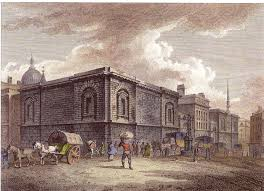
I am increasingly disillusioned with my reach on X, so I am writing about stuff I like: English idioms. From 1188 to 1902 the Old Bailey Crown Court was attached to Newgate Prison. The condemned men were taken by horse and cart to Tyburn, modern day Marble Arch, to be hung. They were allowed a pint of beer on the way. Stopping off in the Holborn area they had "one for the road". The driver of the horse and cart was not allowed to drink, as he was "on the wagon". Once hung at Tyburn to be put the person out of their misery they would yank their leg to break their neck. I am not "pulling your leg". Often famous or notorious people were hung and people wanted to buy the noose. After all it was "money for old rope".
David Atherton tweet media
English
274
793
4.4K
79.5K
Timepix retweetledi
Journal of Art in Society
Journal of Art in Society@artinsociety·
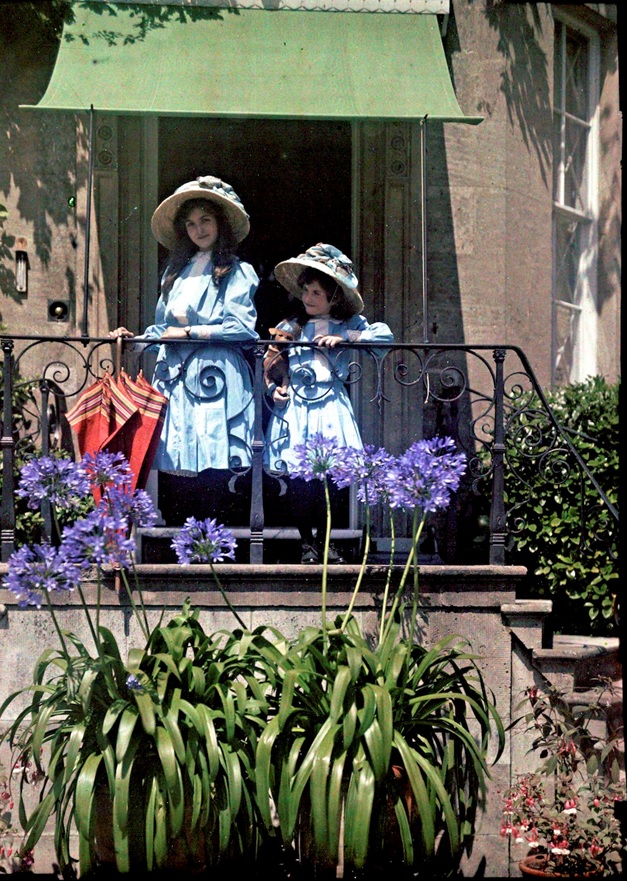
In this remarkable Autochrome image, taken more than 100 years ago, pioneering colour photographer Etheldreda Laing depicts her daughters Janet & Iris at their Oxford home. She developed her colour photos herself in a purpose-built darkroom inside the house #jsQMi9AqrZqg" target="_blank" rel="nofollow noopener">mashable.com/2015/05/02/edw…
Journal of Art in Society tweet media
English
27
442
2.8K
48K