
Sabitlenmiş Tweet
dwi
40.5K posts

dwi retweetledi

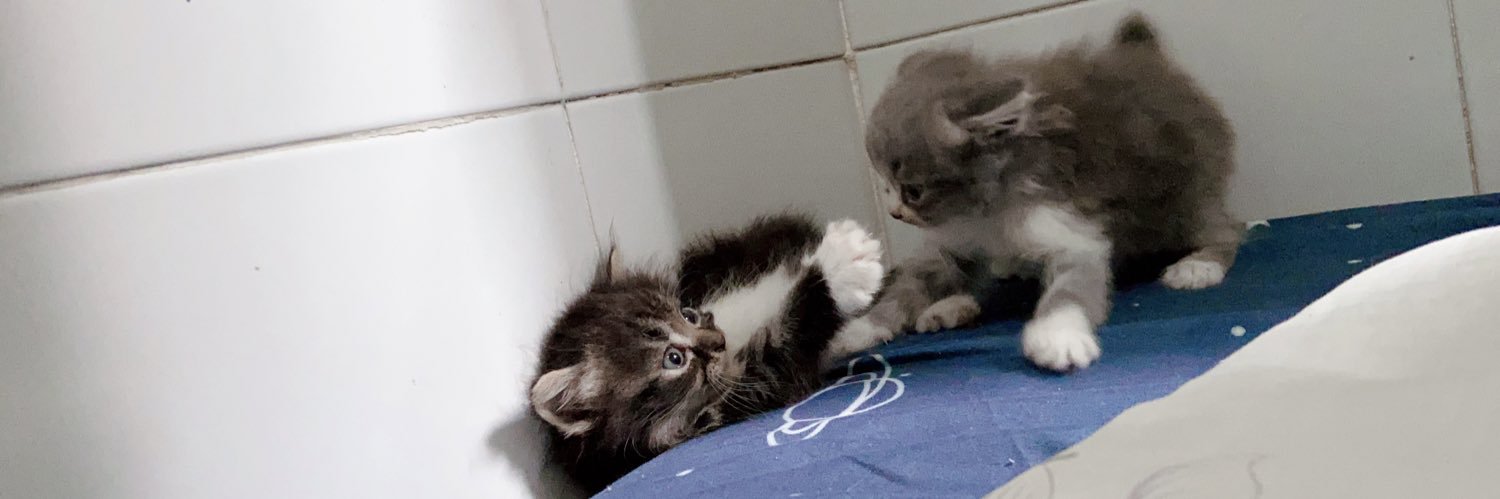
2 hari lalu mobil gue dicium Apanja,
drivernya ibu around 50.
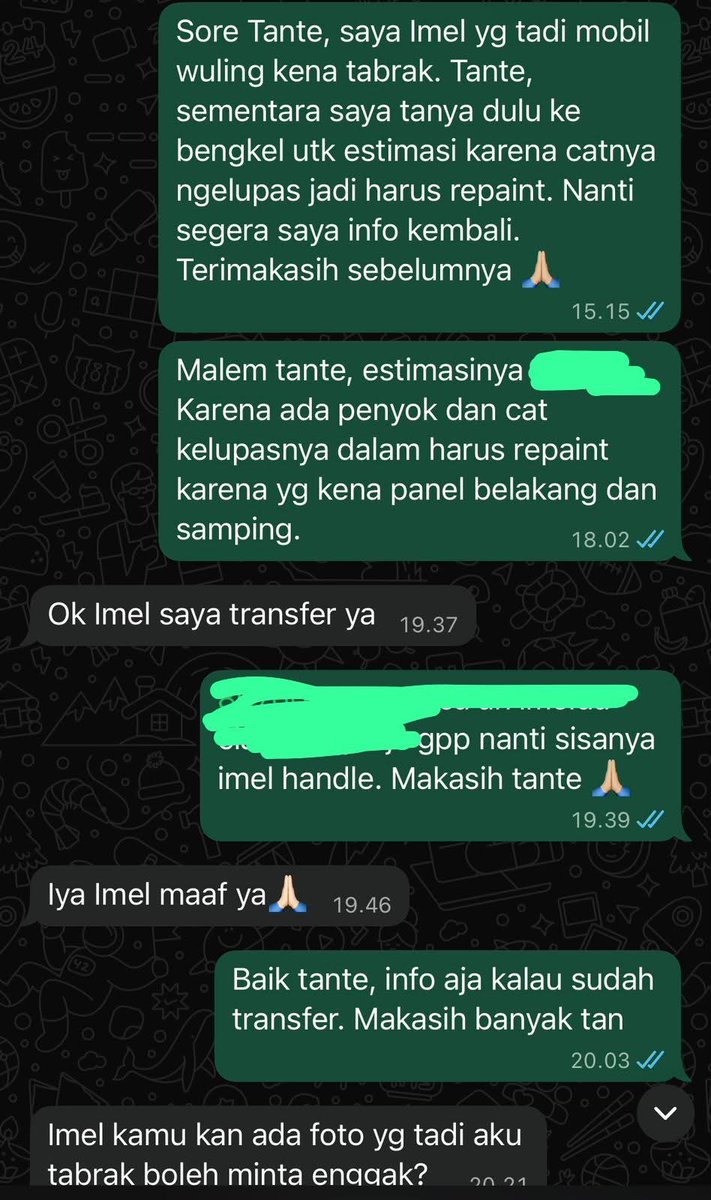
Anehnya, gue ga ngamoook padahal itu hari pertama period. Dia turun, gue turun berhubung gue ga ngerti harga reparasi yaudah gue cuma minta whatsapp dan foto ktp aja.
Sorenya gue whatsapp utk confirm Est dari bengkel sejutaan, karena harus repaint dan pujiTuhan lampu belakang ga pecah. Easy peazy lemon squeezy, Tidak ada pertikaian dan semua selesai dengan damai~
cc:threadiiimell


Indonesia
dwi retweetledi

Kabar duka dari Papua. Aliko Walia (Laki-laki, 8 tahun) meninggal dunia setelah berjuang 36 hari dengan luka tembak tembus di dada kanan. Ia menjadi korban saat operasi militer di Puncak pada 14 April lalu.
Ibunya, Wundilina Tabuni (Perempuan, 40 tahun), tewas di tempat pada hari kejadian. 🥀
Selengkapnya: jubi.id/meepago/2026/a…
#PengungsiInternalPapua #IDPsPapua #Papua #Indonesia #WestPapua #PapuanLivesMatter
jubi.id | FB: JubiNews | X: @News_jubi | IG: newsjubi | Tiktok: @jubinews | Youtube: @jubinews

Indonesia
dwi retweetledi

Children in a kindergarten in Italy napping to the sound of birds singing.
English
dwi retweetledi

Pertengahan tahun yang lalu tiap jalan atau beli makan di warteg ketika ga sengaja ngeliat layah Hp ojol ataupun orang2 di sekitar banyak banget yang pada main judol.
Tapi akhir2 ini lebih sering ngeliat mereka serius nonton dracin
Alhamdulillah maha suci Allah mending mereka kecanduan dracin dah daripada judol 😭🙏🏻

Indonesia
dwi retweetledi
kemarin malam pas gue lagi sama nyokap,
tiba2 ia ngomong "kok WA papah gak bisa di chat yah?". terus gue bingung, "hah?
maksudnya? aku gak tau sih mah,
soalnya aku terakhir ngechat papa 2 tahun lalu".
karena gue penasaran, gue pinjemlah HP nyokap buat ngecek WA nya bokap yang katanya gak bisa di chat. dan bener, WA bokap udah gak bisa di chat..
Tapi bukan itu yang bikin sedih,
yang bikin sedih adalah ternyata nyokap gue masih rutin WA bokap, setelah 2 tahun berlalu sejak bokap meninggal
cc:threadsatriandhika14


Indonesia
dwi retweetledi

Semalem gue baru belajar istilah baru
Kalian pernah denger “duck syndrome” gak?
Duck syndrome itu kondisi pas seseorang keliatannya santai, hidupnya aman2 aja. Padahal aslinya lagi capek, banyak tekanan, burnout, sama stres yang dipendem sendiri.
Kenapa dianalogiin sama bebek?
Indonesia
dwi retweetledi

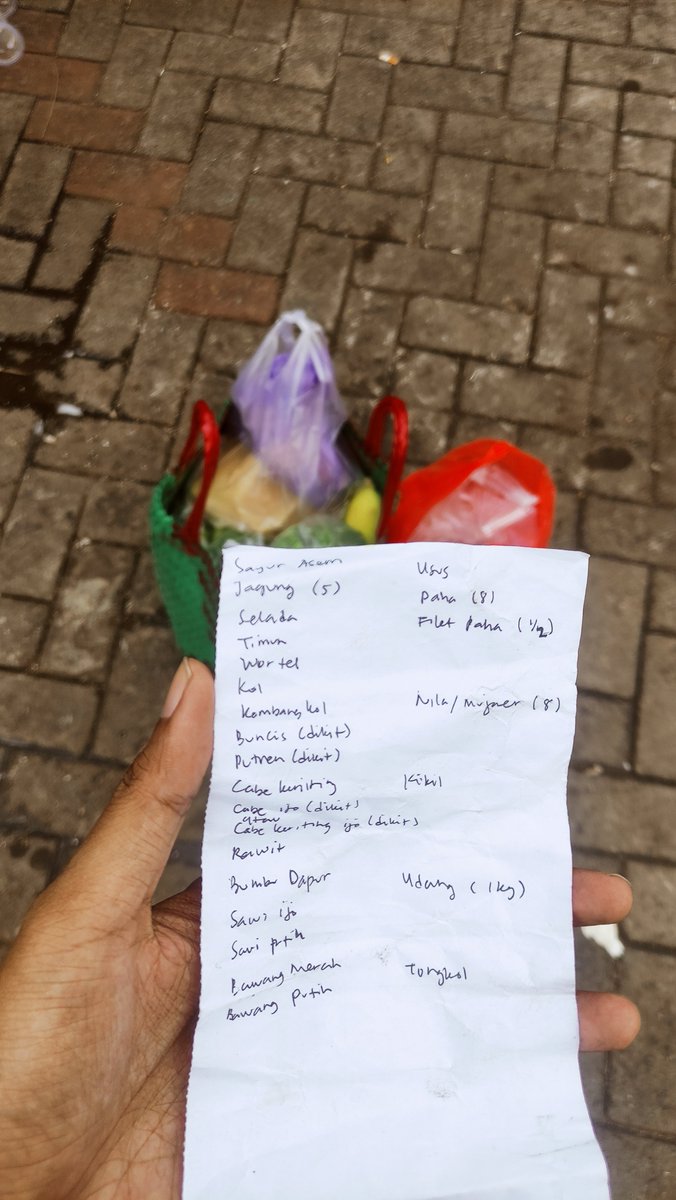
Di hari minggu ini, jam 11 siang baru berangkat ke pasar. Jelas ini sangat kesiangan.
🧒: dapat apa ke pasar jam segini, *sambil liat kertas catatan dari seorang istri
🧕: tenang, ekonomi lagi sulit. Yang belanja dikit. Semuanya masih tersedia di daftar itu
Pas sampe pasar, omongan istri 100 persen benar. Bahan-bahan di catatan semuanya kebeli. Padahal ini weekend yg pasti ramai.
Biasanya jam 10 sudah ludes, jangankan jam 10, jam 9 aja sudah kadang sudah habis.
Alarm memang buat kita semua bahwa kondisi di bawah sedang tidak baik-baik saja.
Eh tapi kan kita beli ga pake dollar, ngapaen pusing.
Indonesia
dwi retweetledi

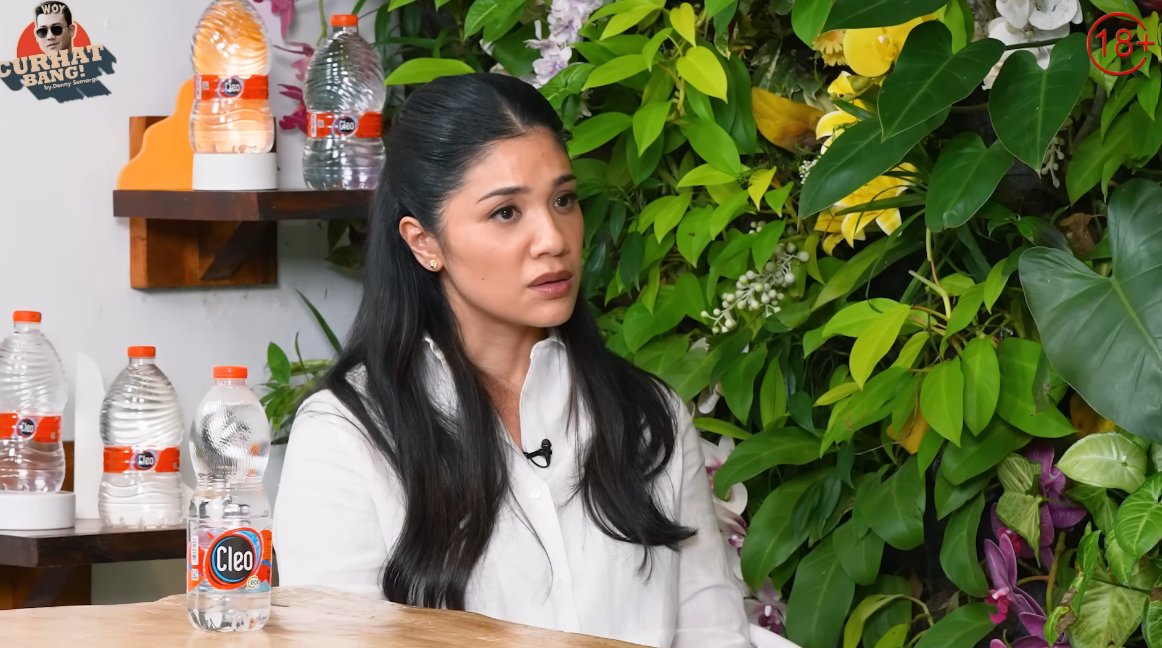
Guys, ada momen di podcast Curhat Bang Denny Sumargo yang menurut gue paling menggetarkan dan paling menyentuh yang pernah gue dengar dari siapapun yang keluarganya terjerat kasus hukum.
Franka Makarim
istri Nadiem bicara untuk pertama kalinya
di depan kamera.
Dan cara dia bicara menurut gue jauh lebih keras dari tuntutan 27 tahun yang dilempar ke suaminya.
Satu fakta yang perlu diingat dulu sebelum membaca ini:
Nadiem Makarim adalah lulusan Harvard.
CEO startup termuda yang pernah masuk daftar paling berpengaruh di Asia Tenggara.
Meninggalkan semua itu untuk jadi menteri.
Dan berdasarkan catatan pajak pribadinya hartanya tidak bertambah selama menjabat.
Justru berkurang.
PPATK sudah memeriksa.
Tidak ada aliran dana ke Nadiem dari siapapun.
Dari vendor, dari Google, dari PT manapun. Nol.
Tapi dia masih ditahan 8 bulan.
Dituntut 27 tahun. Dengan uang pengganti Rp5,6 triliun yang diambil dari nilai IPO Gojek di SPT pajak bukan dari uang yang pernah dia terima.
Dan di tengah semua itu Franka pasang badan:
Franka bukan tipe orang yang sering muncul di publik.
Selama hampir satu tahun dia diam.
Menjaga empat anak.
Hadir di setiap sidang.
Menemani dari kejauhan.
Dan ketika dia akhirnya bicara yang pertama dia katakan bukan pembelaan.
Tapi pertanyaan:
"Jadi kejahatan suami saya apa?"
Yang paling miris momen anak-anak yang tidak mengerti:
Franka cerita soal putrinya yang berumur lima tahun.
Satu hari setelah jam kunjungan habis
anaknya berdiri di pojok lobi, menangis, dan bertanya:
"Kenapa Siera enggak bisa nginep di sini sama Dada?
Emang Dada enggak punya tempat tidur di situ?"
Dia tidak mengerti kenapa ayahnya
harus tinggal di sana.
Dia pikir ayahnya hanya menginap saja.
Dan Franka tidak bisa menjelaskan kenapa.
Karena memang tidak ada penjelasan yang masuk akal untuk anak usia lima tahun soal mengapa seorang ayah ditahan untuk sesuatu yang tidak pernah bisa dibuktikan.
Yang paling mengena dari seluruh obrolan ini:
Franka ditanya:
seberapa jujur Nadiem di matanya
dalam skala 1 sampai 10?
Jawabannya: 10.
Tidak ada bohong satu pun.
Dan dia kasih bukti yang sangat konkret:
Nadiem selama 20 tahun
hanya punya satu nomor HP.
Tidak pernah ganti.
Tidak ada yang perlu disembunyikan.
"Siapapun bisa lihat.
Anak buahnya bisa buka.
Istrinya bisa buka.
Everybody can access that."
Fakta persidangan yang perlu diketahui publik:
Pertama — grup WA yang disebut berulang kali sebelum penangkapan sebagai bukti perencanaan korupsi? Tidak pernah masuk ke dakwaan.
Tidak ada.
Kedua — Nadiem hanya hadir satu kali rapat sebelum pengadaan.
Dan yang dia bilang hanya: "
Teruskan." Dia tidak menandatangani persetujuan pembelian apapun.
Ketiga — 800 miliar yang dituduhkan masuk ke Nadiem?
Di persidangan dibuktikan itu adalah transaksi internal antar PT di dalam GOTO untuk persiapan IPO masuk dan keluar di hari yang sama.
Bank statement dari Citibank menunjukkan nol aliran ke individu manapun.
Keempat — harga Chromebook yang dituduh kemahalan?
Vendor, reseller, dan distributor semua bersaksi bahwa harga yang dinilai wajar oleh BPKP dalam audit adalah harga yang akan membuat mereka rugi kalau dijual di angka itu.
Artinya harga pengadaan sebenarnya sudah kompetitif.
Kelima — petinggi Google dari seluruh dunia bersaksi secara online selama 11 jam.
Sukarela.
Membantah seluruh tuduhan kongkalikong yang ada di dakwaan.
Yang paling tidak adil dari seluruh proses ini:
Jaksa menghadirkan 55 saksi dengan 7 ahli selama 3,5 bulan.
Tim Nadiem baru mulai pembelaan satu minggu lalu proses tiba-tiba mau dihentikan dan langsung masuk tuntutan.
Franka bertanya dengan sangat tenang tapi sangat keras:
"Apakah sebagai orang yang dituduhkan, yang hidupnya diambil dan ditangkap sebelum terbukti — kok tidak mendapatkan kesempatan yang sama?"
Ada orang yang meninggalkan posisi luar biasa di sektor swasta untuk melayani negara.
Hartanya berkurang selama menjabat.
Tidak ada satu sen pun aliran dana yang bisa dibuktikan masuk ke rekeningnya. Saksi-saksi di persidangan membantah tuduhan satu per satu.
Perusahaan teknologi global dari seluruh dunia rela bersaksi 11 jam untuk meluruskan faktanya.
Tapi dia masih dituntut 27 tahun.
Dan istrinya sekarang harus menjawab pertanyaan anak berumur lima tahun:
kenapa Dada tidak bisa pulang?
Kalau sistem hukum kita tidak bisa menjawab pertanyaan itu dengan jawaban yang jujur maka yang sedang kita saksikan bukan penegakan hukum.
Itu adalah sesuatu yang jauh lebih berbahaya dari korupsi yang dituduhkan.
Indonesia
dwi retweetledi


dwi retweetledi

dwi retweetledi

Oknum TNI terekam aniaya kurir cod di sebuah gudang, dipicu pesan paket cod tapi di tunggu kurir 20 menit ga keluar akhirnya paket dikembalikan ke gudang.
Indonesia
dwi retweetledi

bro, wtf?
para cowok jepang di Indo ngincer prostitusi anak dibawah umur dan selalu keluarin di dalem?
WTF?
ada yang ampe dibuatin "koleksi"nya di akun twitter gembokan
ペドハンター谷岡@hunter_tnok
日本人男性らがインドネシアで児童買春し、未成年の少女にNN(生中出し)したと自慢している。少女を「生体オナホール」呼ばわりし、人間扱いしていない。「ヤバいだろ年齢」「16歳くらいに見えた」「17歳」などの記述から、少女らが未成年であることを明確に認識した上で、行為に及んだことがわかる。
Indonesia
dwi retweetledi

gue mau cerita sesuatu yang kejadian siang tadi.
hal kecil. tapi bikin gue nangis di dapur sendirian.
dari tadi gue laper. cemilan habis. males keluar.
terus gue denger suara dari luar. sayup-sayup. kayak orang jualan sesuatu tapi nggak jelas jualannya apa.
kepo. gue tungguin dari balik jendela.
beberapa menit kemudian lewatlah seorang kakek. kira-kira 65 tahunan. bawa dagangan roti. gue panggil.
kakeknya nyebut rasa satu-satu. gue pilih coklat keju. bayar. selesai.
gue balik masuk rumah. pintu belum sempet gue tutup.
dan tiba-tiba kakeknya bilang sesuatu yang bikin gue berbalik.
"Mbak maaf... punya nasi putih nggak? Boleh minta sedikit? Saya sakit perut dari pagi belum makan."
tangannya gemetar waktu ngomong itu.
gue berdiri sebentar. tenggorokan gue langsung berasa penuh.
tanpa banyak mikir gue langsung ke dapur. ambilin nasi. ambil lauk yang ada. sambal. beliin minum air putih.
gue taruh semuanya di depan kakeknya.
dan dia makan.
lahap banget.
gue berdiri di situ nggak bisa ngomong apa-apa.
nggak lama suami gue pulang.
dia liat ada kakek duduk di depan rumah kami.
"Itu siapa?"
gue ceritain semuanya.
suami gue diam sebentar.
matanya merah.
dia mewek.
laki-laki ini yang susah banget nangis, mewek di depan gue gara-gara cerita kakek jualan roti.
gue malah jadi ikutan nangis.
suami gue keluar. ngobrol sama kakeknya. nanya-nanya pelan.
dan ini yang bikin gue makin nggak kuat.
kakek itu baru dua minggu merantau ke sini. jauh banget dari kampung halamannya di Jawa. beliau nebeng ngekos sama temannya. nekat berangkat karena di Jawa jualannya nggak pernah laku, dan nggak ada yang mau ngurus beliau di sana.
sendirian. di kota orang. umur segitu. jualan roti keliling.
waktu kakeknya mau pamit lanjut jualan, suami gue inisiatif kasih uang pegangan.
kakeknya nolak.
"Nggak usah, nggak usah."
suami gue maksa pelan-pelan. kakeknya tetap nolak.
terus kakeknya bilang satu hal yang bikin gue langsung masuk kamar buat nahan nangis:
"Kalau mau bantu, boleh minta baju bekas aja yang sudah nggak dipakai. Baju saya cuma ini."
yang dipakainya keliatan lusuh. kusut. kayak udah lama banget nemenin beliau kemana-mana.
gue bongkar lemari suami. cariin baju yang masih layak. pilih beberapa.
dan uang yang tadi ditolak kakeknya, gue selipkan diam-diam di dalam lipatan bajunya.
biar nggak bisa dikembaliin.
kakeknya pamit.
gue berdiri di pintu nonton beliau jalan pelan-pelan sambil bawa dagangannya lagi.
dan gue mikir:
mungkin memang Allah yang bikin gue kepo sama suara jualan itu tadi. mungkin memang bukan kebetulan gue lagi di jendela pas kakeknya lewat. mungkin memang siang itu kakeknya harus makan dulu sebelum lanjut jalan.
gue nulis ini bukan buat pamer kebaikan.
gue nulis ini karena gue malu sama diri gue sendiri yang tadi lagi rebahan sambil ngeluh nggak ada cemilan.
sementara di luar, ada kakek yang jualan dari pagi dengan perut kosong dan tangan gemetar.
semoga dagangan kakek laris.
semoga beliau sehat terus.
semoga beliau nggak pernah kelaparan lagi.
aamiin. 🤲
Indonesia
dwi retweetledi

Gue pernah ngadepin rombongan penumpang ibu2 superrrr nyebelin. Mereka banyak bgt sampe 2 bangku bersebrangan full.
Mereka ngobrol berisik bangettt, teriak2. Heboh sendiri. Padahal kan di transum itu ya harusnya jaga ketertiban. Gue tegur dengan sopan, gak terima 😌 Gue lapor satpam, makin gak terima.
Yang keganggu bukan gue aja, orang2 sekitar gue juga. Banyak yang ngeliatin mereka sambil kami jg pandang2an. Tapi gak bisa ngapa2in krn respons mereka julidnya parah bgt.
Gue disindir2 sepanjang Bogor-Tn.Abang, disuruh pake headset aja. Lah kan ini transum umum? Napa jadi gue yg disuruh pake headset padahal mereka yg ganggu ketertiban umum.
Sampe udh turun di tn. Abang pun masih diomongin jelas di depan gue "Oh yang ini ya orangnya?" 😌🤣
Perilaku menggunakan transum dengan empati ini tuh kayanya emang masih belum terbentuk dengan baik ya 🥲
Ini sebenernya pernah jadi penelitian gue dan temen2 juga waktu kuliah, tadinya malah disuruh sama dosen buat diajuin ke KAI. Cuma wkt itu kaya "Hah apa sih masa ginian aja bisa jadi sesuatu" 🤣
Sesederhana, gak ngetag kursi buat temen di stasiun berikutnya atau bahkan gak ngobrol dengan suara keras. Ternyata kesadaran untuk gak mengganggu kenyamanan orang lain tuh masih kurang.
𝐒𝐚𝐢𝐧𝐭𝐋𝐮𝐱@irajenar
gerbong cewek sekarang diisi preman ya min? @CommuterLine konteks : ada cewek baru dateng dan dia dapet duduk. kebetulan tubuhnya gemuk. dibully sama gerombolan cewek : "enak amat baru dateng padahal, lo nunggu dari jam brp? dia baru sampe itu HEBAT KAN” "kalo badannya gede harusnya bayarnya 8rb", “ga usah nanggung. 80rb” "ga kuat kan lo kalo ke dorong dia" lokasi : stasiun depok vid : momz_grow_alpha
Indonesia
dwi retweetledi

Tato itu "permanen" BUKAN karena tintanya nempel di kulit terus, tapi karena 𝘀𝗶𝗸𝗹𝘂𝘀 𝗽𝗲𝗿𝗮𝗱𝗮𝗻𝗴𝗮𝗻 𝗸𝗿𝗼𝗻𝗶𝘀 𝗱𝗶 𝗸𝘂𝗹𝗶𝘁 𝘆𝗮𝗻𝗴 𝗺𝗲𝗹𝗶𝗯𝗮𝘁𝗸𝗮𝗻 𝘀𝗲𝗹-𝘀𝗲𝗹 𝗶𝗺𝘂𝗻.
Jadi saat jarum tato menembus kulit, tubuh langsung menganggap ini sebagai luka dan ancaman asing. Pigmen yang masuk langsung "dimakan" oleh sel-sel imun seperti neutrofil, makrofag, dan sel dendritik.
Tinta tato ini akan bertahan lama di makrofag karena makrofag punya mekanisme "capture–release–recapture" yang membuat tato bisa bertahan lama.
Jadi pas tinta tato itu masuk, makrofag akan berbondong-bondong menelan partikel tersebut. Namun, makrofag tidak bisa mencerna pigmen tinta, karena ukurannya besar dan tahan lama. Akibatnya, makrofag mati, melepaskan pigmen kembali ke jaringan sekitar. Lalu gelombang makrofag baru datang dan mengulangi proses yang sama.
Sederhannya tato "permanen" itu sebenarnya bukan karena tinta nempel terus, tapi karena ada relay makrofag yang terus-menerus mengambil ulang tinta yang terlepas saat makrofag lama mati.
Beberapa penelitian terkini menunjukkan bahwa penumpukan ini bisa mengganggu fungsi imun normal, termasuk respons terhadap vaksin tertentu, serta dikaitkan dengan peningkatan risiko limfoma, yaitu kanker kelenjar getah bening, dan kanker kulit.
Semoga bermanfaat!
Sumber:
Tattoo ink exposure is associated with lymphoma and skin cancers - a Danish study of twins
Massimo@Rainmaker1973
Your tattoo isn’t just decorative ink: it’s a permanent trigger that keeps your immune system locked in a lifelong cycle of chronic inflammation. As soon as the ink is injected into your skin, your body recognizes the pigment particles as foreign invaders. Immune cells called macrophages immediately swarm the area and attempt to swallow them up. But because they can’t actually break down the ink, the macrophages eventually die, releasing the pigment back into the surrounding tissue — only for a new wave of macrophages to arrive and repeat the process. This endless cycle is what keeps the tattoo permanently visible, while also maintaining a state of ongoing, low-level inflammation in the skin. Over time, some of these ink particles migrate through the lymphatic system and accumulate in the lymph nodes, placing constant stress on the body’s defense mechanisms. Emerging research suggests this internal ink buildup may interfere with normal immune function, potentially reducing the effectiveness of certain vaccines, including mRNA types. Additionally, many tattoo inks contain heavy metals like nickel and cobalt. Combined with the chronic inflammation, this has been linked to a modestly elevated risk of lymphoma and skin cancer. While tattoos remain a powerful form of self-expression, they represent a complex, decades-long biological conflict between your immune system and foreign substances embedded in your skin. [Nielsen, C., Jerkeman, M., & Jöud, A. S. (2024). Tattoos as a risk factor for systemic lymphoma: A population-based case-control study. eClinicalMedicine]
Indonesia