Great question, and I appreciate you asking it respectfully.
I think it’s a mix of environment and personal choice.
In some countries, people don’t speak out publicly not because they agree, but because:
• safety can be an issue
• laws aren’t always enforced properly
• speaking out can create personal risk and harm
So a lot of condemnation happens privately—within families, communities, and conversations—rather than publicly.
In places like the U.S. or other stable countries, it’s easier to protest and speak out because:
• there’s more legal protection
• people feel safer doing so
As for your main question—how it becomes more visible:
I think it’s already happening gradually.
• younger generations are more vocal
• social media is making voices more visible
• more Muslims are speaking out publicly than before
But change like that takes time, especially across different countries with very different systems.
In a country like the U.S., change can be more visible and faster because it’s one large, stable system where laws are enforced consistently. There’s a functioning justice system, so when something like abuse happens, it’s handled legally rather than needing public outrage every time.
In many parts of the Middle East or other regions dealing with instability or conflict, things aren’t as structured. When there are weaker institutions, corruption, or ongoing conflict, change naturally takes longer because the system itself isn’t as stable.
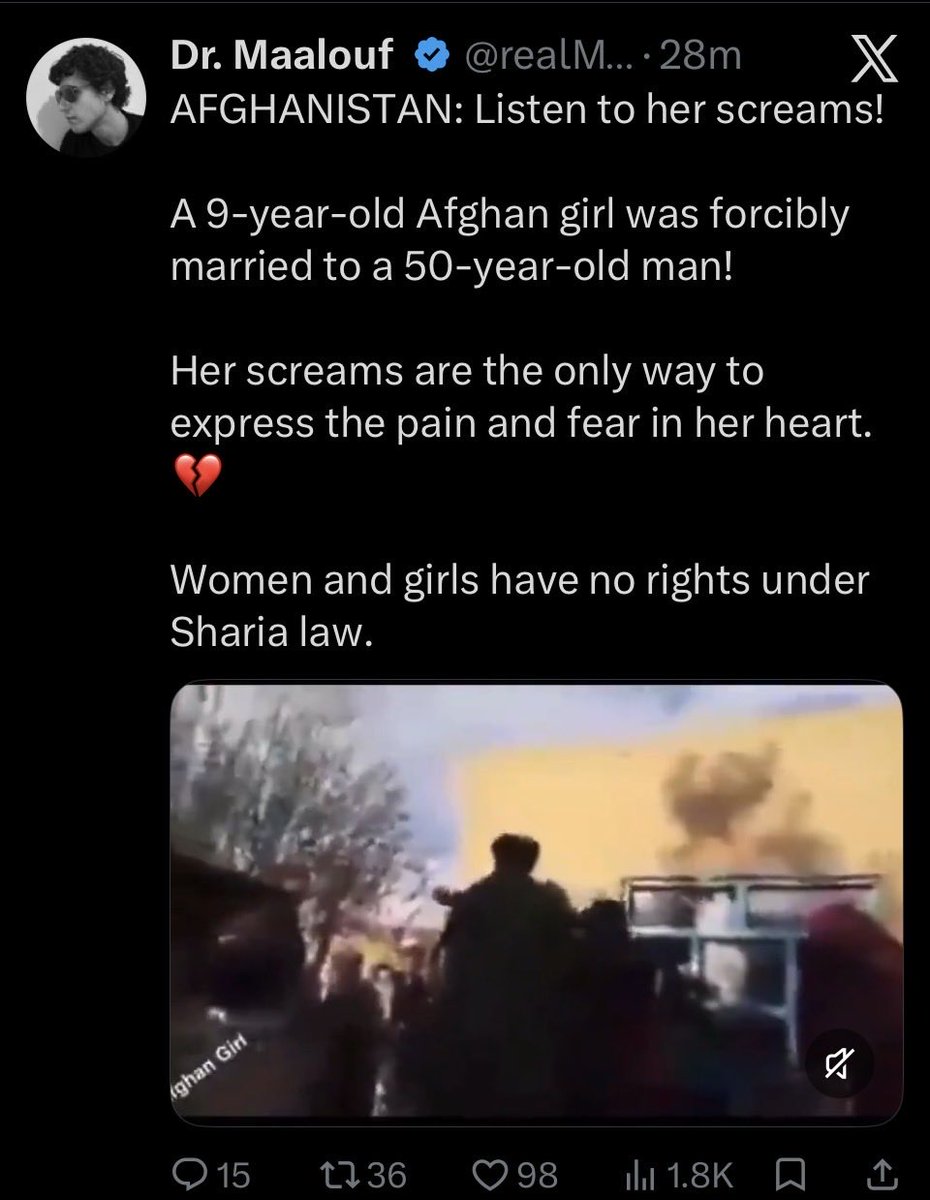
It’s also important to understand that Islam itself does not support things like rape or abuse at all. In fact, under Sharia law, those are considered serious crimes and are heavily punished.
Rape is punishable by death.
The issue isn’t the religion—it’s how laws are enforced in different countries. In places where governance is weak or unstable, even strict laws don’t always get applied properly.
That also affects how people respond. In the U.S., for example, churches often don’t need to organize protests because there’s already a legal system handling it. Communities will distance themselves, and the justice system takes over.
So the difference you’re seeing isn’t about people caring more or less—it’s about how the system works and what people are realistically able to do.
At the core though, the important thing is this: those actions are not accepted or supported by the vast majority of Muslims.
It might not always be loud, but that doesn’t mean it isn’t there and regardless of their religion or belief or anything any action such as rape or abuse do not have a place in any religion or this world.
English