Manish Bhandari

721 posts

Manish Bhandari banner
Manish Bhandari

Manish Bhandari

@TweetManishbh

Investment Manager | Falafal Lover | Novice Pianist | Failed Photographer | Thought provoking views on Investing Landscape

Mumbai Katılım Haziran 2013
125 Takip Edilen11.5K Takipçiler
Manish Bhandari
Manish Bhandari@TweetManishbh·
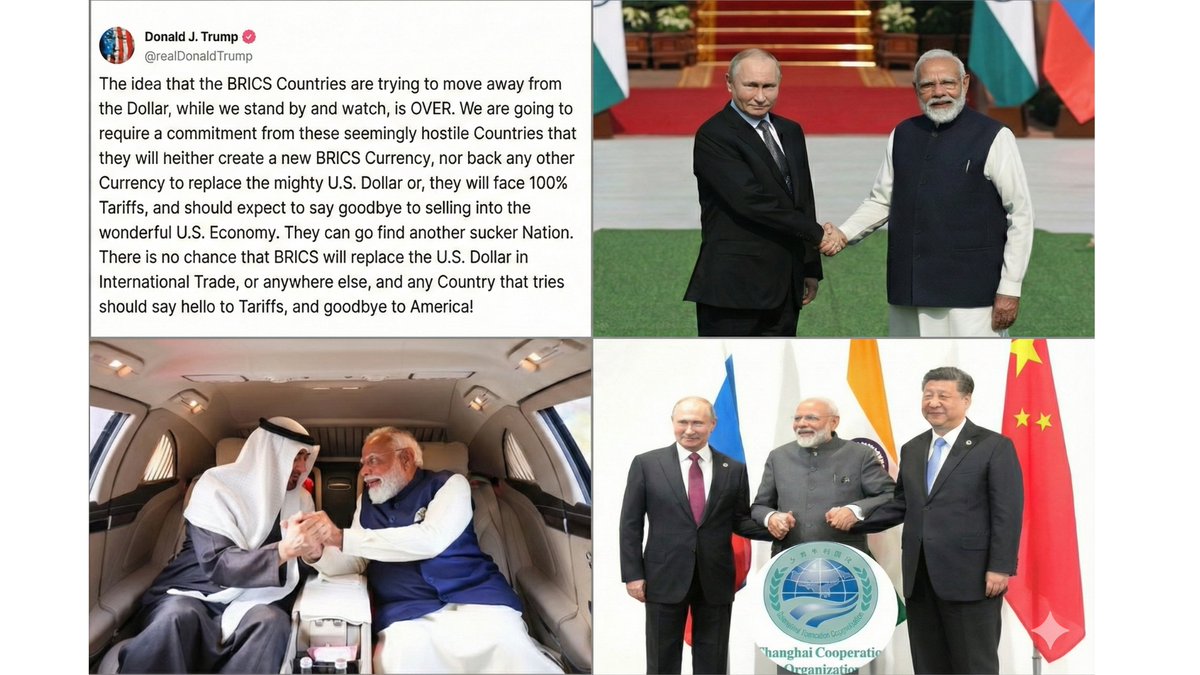
In the high-stakes theatre of international diplomacy, silence is rarely just silence. When U.S. Commerce Secretary Howard Lutnick announced this January that a landmark trade deal with India had stalled because Prime Minister Narendra Modi "did not call" President Trump to finalize the terms, the explanation was as convenient as it was implausible. To the casual observer, it painted a picture of bureaucratic hesitation. But to those watching the flow of global capital, the silence on the phone line masked a thunderous shift in the global economic order. While Washington focused on tariffs and trade deficits, New Delhi quietly engineered a financial mechanism that the United States has historically treated as a red line: the ability to buy oil without the dollar. A rigorous analysis of regulatory filings, central bank data, and geopolitical signalling reveals that the trade impasse of early 2026 is not about almonds or steel. It is the first major casualty of the "Petro-Rupee," a strategy that has placed the world’s oldest democracy and its largest democracy on a collision course over the future of financial sovereignty. The "Red Line" and the Greenback To understand the gravity of the rift, one must look past the current headlines to the foundation of American power. Since 1974, when the Nixon administration struck a pact with Saudi Arabia, the global oil trade has been denominated effectively exclusively in U.S. dollars. This "Petrodollar" system forces nations to hold vast dollar reserves, which are recycled back into U.S. Treasury bonds, financing American deficits and cementing the dollar's global supremacy.   History has been unkind to those who challenge this arrangement. When Saddam Hussein switched Iraqi oil sales to the Euro in 2000, or when Muammar Gaddafi proposed a gold-backed African currency in 2011, the geopolitical consequences were severe. As former Federal Reserve Chairman Alan Greenspan candidly noted in his memoirs, the Iraq war was "largely about oil"—a resource inseparable from the currency used to buy it.  So is the case with Venenzula and Iran today, which are pricing their oil outside the US dollar system. For decades, this was a line no ally would cross. But in the shifting landscape of 2026, India has done just that. The Smoking Gun: August 2025 Picture tells thousand words. The deterioration of economic relations can be traced precisely to mid-2025. While public attention was fixed on diplomatic pleasantries, the Reserve Bank of India (RBI) was dismantling the "Rupee Trap" that had hindered its trade with Russia in Rupee. For months, Moscow had been accumulating billions in Indian Rupees from oil sales that it couldn't spend. Then, on August 12, 2025, the RBI issued a quiet but revolutionary circular. It authorized foreign holders of "Special Rupee Vostro Accounts" (SRVAs) to invest their surplus balances into Indian Government Securities and Treasury Bills.   In a move that alarmed U.S. strategists even more, India and the UAE—two key American partners—began operationalizing a Local Currency Settlement system. The Indian Oil Corporation paid for a million barrels of Abu Dhabi crude in rupees, proving the concept worked. By 2025, this corridor had deepened, with the UAE pumping $22.84 billion in foreign direct investment into India to balance the currency flows, and the Abu Dhabi Investment Authority setting up shop in Gujarat's GIFT City. This was the smoking gun. By allowing Russia to recycle its oil revenue directly into Indian sovereign debt, New Delhi created a closed-loop financial system. Russian oil profits were no longer chasing U.S. Treasuries; they were funding Indian infrastructure. The reaction from Washington was swift. Within weeks, the U.S. imposed tariffs of up to 50 percent on select Indian goods—a punitive strike that signal the partnership was in jeopardy. By late 2025, this alternative financial architecture had expanded far beyond a wartime necessity for Russian oil. The RBI had permitted 123 correspondent banks from 30 countries—including the United Kingdom, Germany, Israel, and Singapore—to open 156 Special Rupee accounts. The Last Straw: India Takes the Wheel at BRICS While the "Petro-Rupee" laid the kindling, the spark that finally burned the bridge was India’s bold assumption of leadership within the BRICS currency project. As the host of the 2026 BRICS Summit, New Delhi has moved beyond passive participation to active architecture. The Reserve Bank of India has formally proposed linking the Central Bank Digital Currencies (CBDCs) of member nations—a project dubbed the "BRICS Bridge." Building on the 2025 Rio de Janeiro declaration, India is pushing for a proprietary, interoperable payment rail that would allow Russia, China, India, other BRICS members to settle trade instantly in digital local currencies, completely bypassing the U.S. banking system. This is not merely a theoretical exercise; with the RBI actively pilot-testing the e-Rupee’s cross-border capabilities, India is effectively building a "digital SWIFT" immune to Western sanctions. For the Trump administration, this was the final provocation. It wasn't just evasion; it was replacement. Conclusion: A Monetary Mutiny This aggressive push for a parallel financial system became the veritable last straw on the camel's back for the stalled trade deal. In December 2024, President-elect Trump issued a blunt ultimatum: any move by BRICS nations to create a new currency or back an alternative to the dollar would be met with 100 percent tariffs. Washington views India’s 2026 agenda not as economic modernization, but as a "monetary mutiny." The sages who studied the rise and fall of kingdoms would chuckle today, for the lesson is ancient: money is the hard-earned fruit of labor, while currency is merely the paper promise that it still tastes good. Money—like gold and silver—is the crystallized effort of real work. Currency, however, is its excitable younger cousin: useful for trade, but spoiled the moment rulers discover the printing press. India has chosen to bear the cost of tariffs rather than surrender the sovereignty of its "crystallized effort." The trade deal may be officially "stalled" due to a missed phone call, but in reality, it lies buried under the foundation of the new BRICS financial architecture—a foundation India is now actively pouring concrete for better future. Manish Bhandari, CIIA, founder of Vallum Capital Advisors, a Portfolio Management firm managing equity investments Based in Mumbai. Full Article & Research Document Available Below economictimes.indiatimes.com/markets/us-sto… #Geopolitics #Macroeconomics #USIndiaTrade #BRICS2026 #GlobalEconomy #ForeignPolicy #TradeWar #DeDollarization #InternationalRelations
Manish Bhandari tweet media
English
117
590
1.9K
277.1K
Manish Bhandari
Manish Bhandari@TweetManishbh·
यदा यदा हि धर्मस्य ग्लानिर्भवति भारत। अभ्युत्थानमधर्मस्य तदात्मानं सृजाम्यहम्॥ Chapter 4 verse 7 Has IEX stock this week finally decoupled from Market coupling? | We said this - linkedin.com/posts/manish-b… Finally, the order is out - sebi.gov.in/sebi_data/atta…
0
0
5
1.1K
Manish Bhandari
Manish Bhandari@TweetManishbh·
@TataPower @sinha_praveer We’ve been facing a complete internet outage at Kanakia Wall Street again. This is the 2nd time in 10 days and this is severely impacting our operations. We were promised 24/7 reliable internet — this is far from it. Immediate action needed
English
1
0
0
66
Manish Bhandari
Manish Bhandari@TweetManishbh·
Weekly insights from Vallum Capital Advisors : This week’s edition explores storytelling in cinema, real-time trust in business, and reflections on cosmic meaning—three standout reads (and one pizza tracker) that blend emotion, transparency, and scale. – September 06, 2025 From lead character deaths to galaxies beyond sight, these pieces remind us how narrative shapes experience—across screens, brands, and the universe itself. 🔗 zc.vg/zNA1L?m=0 #WhatVallumRead #Storytelling #Transparency #CustomerExperience #CosmicPerspective #Cinema #Dominos #BigThink #VallumCapital #WeekendReading #StrategicThinking
English
0
0
9
1.8K
Manish Bhandari
Manish Bhandari@TweetManishbh·
@TataPower @sinha_praveer We have been facing a complete internet outage at Kanakia Wallstreet - Andheri, Mumbai for the past 5 hours, and no technician has shown up to resolve it. This is severely impacting our operations. We were promised 24*7 reliable internet - this is far from it.
English
1
0
0
104
Manish Bhandari
Manish Bhandari@TweetManishbh·
Weekly insights from Vallum Capital Advisors : This week’s reading list navigates platform monopolies, ancient Indian ethics, compounding edge, industrial consolidation, and the power of detachment—five reflections that cut across time, markets, and mindset. – August 16, 2025 From Chanakya to Charlie Munger, this curation maps enduring truths in a rapidly shifting world. 🔗 zc.vg/iSZ7y?m=0 #WhatVallumRead #PlatformPower #IndianPhilosophy #Compounding #Consolidation #MentalModels #ChanakyaNeeti #CharlieMunger #VallumCapital #LongTermThinking #StrategicInsight
English
0
0
5
1.8K
Manish Bhandari
Manish Bhandari@TweetManishbh·
The world is watching a new growth axis take shape: India’s digital strength, China’s manufacturing scale, and Russia’s energy resources are aligning into what could be a $54 trillion economic force. This isn’t abstract — it’s a convergence of tech + production + energy that directly challenges today’s supply chain order and dollar dominance. India is playing a pivotal role: building global digital infrastructure, deepening trade with China, and securing energy partnerships with Russia. Together, this trio isn’t just complementing each other — they’re rewriting the rules of global growth. For a detailed breakdown backed with data, here’s the full article: economictimes.indiatimes.com/markets/stocks… Or linkedin.com/posts/manish-b…
English
0
0
2
123
Tanvi Ratna
Tanvi Ratna@tanvi_ratna·
The Russia-India-China axis is heating up—and Trump’s tariffs just turned up the pressure Indian commentary is stuck debating political postures & intent. What it's missing is the long game and the difficult economic coercion being forced on all 3 countries. A breakdown 🧵
Tanvi Ratna tweet media
English
41
80
450
93K
Manish Bhandari
Manish Bhandari@TweetManishbh·
The world is watching a new growth axis take shape: India’s digital strength, China’s manufacturing scale, and Russia’s energy resources are aligning into what could be a $54 trillion economic force. This isn’t abstract — it’s a convergence of tech + production + energy that directly challenges today’s supply chain order and dollar dominance. India is playing a pivotal role: building global digital infrastructure, deepening trade with China, and securing energy partnerships with Russia. Together, this trio isn’t just complementing each other — they’re rewriting the rules of global growth. For a detailed breakdown backed with data, here’s the full article: economictimes.indiatimes.com/markets/stocks… Or linkedin.com/posts/manish-b…
English
0
0
1
116
Zorawar Daulet Singh
Zorawar Daulet Singh@Z_DauletSingh·
The material foundation - GDP figures, industrial output, international trade etc - is not what’s holding India back. In absolute terms, India will reach or even surpass the leading economies on many metrics in the next few decades. Yet, if we speak of not just wealth creation but technological innovation, industrial transformation and human capital excellence, India has a structural challenge on its hands. This may sound politically incorrect — the main reason why India has and will struggle to leverage the opportunity from the US, and globalization more broadly, is because of its institutional and political economy context. China leveraged the US, often against the latter’s will, to emerge as an economic superpower and not stay confined as an MNC offshoring assembly centre for advanced economies. Why? In China, the state is the organizing force for comprehensive national development and it creates an ecosystem for private and public enterprises to flourish but also compete. In India, the state lacks the capacity and vision to be that organizing force that can channel or mobilize the private sector in a strategic direction, and, where necessary assume the burden of capability development itself in some sectors. The US did not help China and will not assist India is acquiring real economic and technological capabilities. That can only emerge from internal dynamics and choices.
Graham Allison@GrahamTAllison

Will India surpass China to become the next superpower? As I recently argued in @ForeignPolicy, four inconvenient truths make this unlikely foreignpolicy.com/2023/06/24/ind…

English
9
60
187
34K
Manish Bhandari
Manish Bhandari@TweetManishbh·
The world is watching a new growth axis take shape: India’s digital strength, China’s manufacturing scale, and Russia’s energy resources are aligning into what could be a $54 trillion economic force. This isn’t abstract — it’s a convergence of tech + production + energy that directly challenges today’s supply chain order and dollar dominance. India is playing a pivotal role: building global digital infrastructure, deepening trade with China, and securing energy partnerships with Russia. Together, this trio isn’t just complementing each other — they’re rewriting the rules of global growth. For a detailed breakdown backed with data, here’s the full article: economictimes.indiatimes.com/markets/stocks… Or linkedin.com/posts/manish-b…
English
0
0
0
48
Manish Bhandari
Manish Bhandari@TweetManishbh·
The world is watching a new growth axis take shape: India’s digital strength, China’s manufacturing scale, and Russia’s energy resources are aligning into what could be a $54 trillion economic force. This isn’t abstract — it’s a convergence of tech + production + energy that directly challenges today’s supply chain order and dollar dominance. India is playing a pivotal role: building global digital infrastructure, deepening trade with China, and securing energy partnerships with Russia. Together, this trio isn’t just complementing each other — they’re rewriting the rules of global growth. For a detailed breakdown backed with data, here’s the full article: economictimes.indiatimes.com/markets/stocks… Or linkedin.com/posts/manish-b…
English
0
0
0
102
Bloomberg
Bloomberg@Bloomberg·
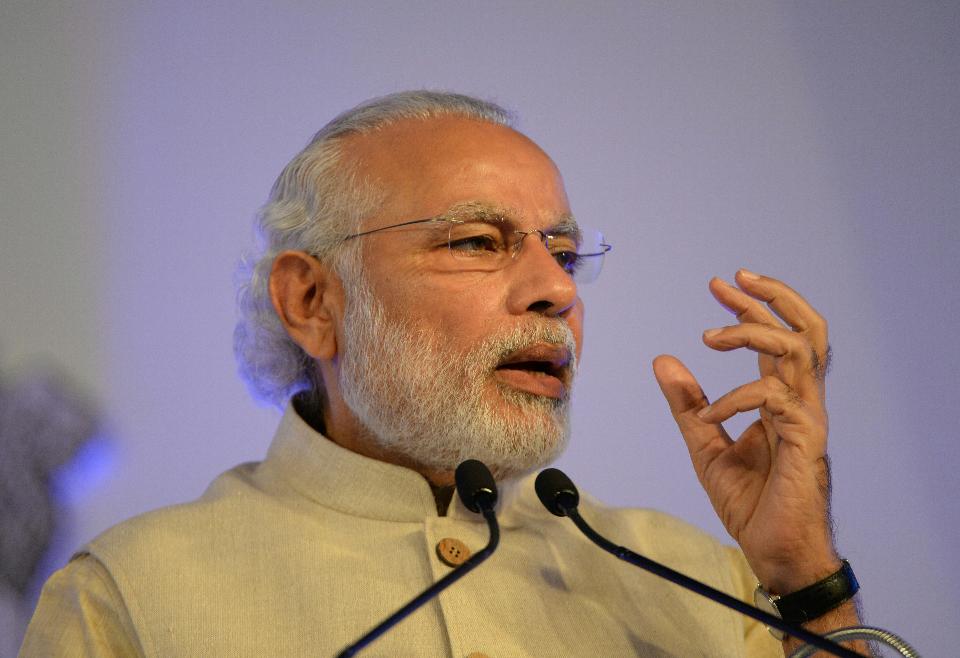
Stock pickers in developing economies who base investment decisions on social parameters have generated substantial above-market returns in the past few years. #EarthMonth bloom.bg/2GE5nl5
English
24
870
14.1K
0
Manish Bhandari
Manish Bhandari@TweetManishbh·
The world is watching a new growth axis take shape: India’s digital strength, China’s manufacturing scale, and Russia’s energy resources are aligning into what could be a $54 trillion economic force. This isn’t abstract — it’s a convergence of tech + production + energy that directly challenges today’s supply chain order and dollar dominance. India is playing a pivotal role: building global digital infrastructure, deepening trade with China, and securing energy partnerships with Russia. Together, this trio isn’t just complementing each other — they’re rewriting the rules of global growth. For a detailed breakdown backed with data, here’s the full article: economictimes.indiatimes.com/markets/stocks… Or linkedin.com/posts/manish-b…
English
0
0
0
94
Manish Bhandari
Manish Bhandari@TweetManishbh·
The world is watching a new growth axis take shape: India’s digital strength, China’s manufacturing scale, and Russia’s energy resources are aligning into what could be a $54 trillion economic force. This isn’t abstract — it’s a convergence of tech + production + energy that directly challenges today’s supply chain order and dollar dominance. India is playing a pivotal role: building global digital infrastructure, deepening trade with China, and securing energy partnerships with Russia. Together, this trio isn’t just complementing each other — they’re rewriting the rules of global growth. For a detailed breakdown backed with data, here’s the full article: economictimes.indiatimes.com/markets/stocks… Or linkedin.com/posts/manish-b…
English
0
0
0
89
Forbes
Forbes@Forbes·
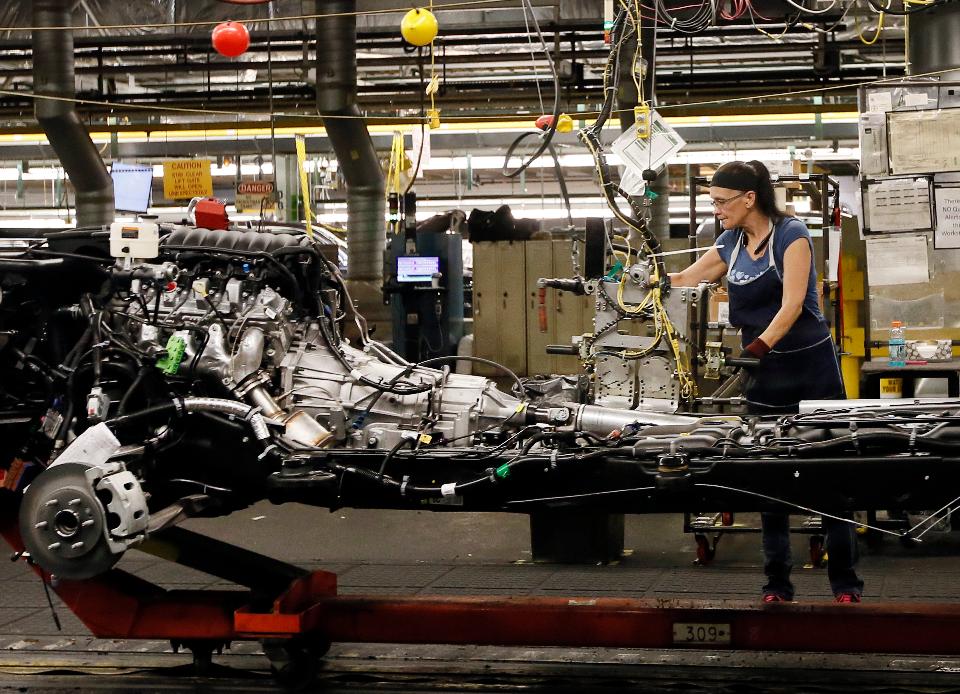
China is the world's top manufacturing destination, but interest is shifting to the U.S. onforb.es/1VlCOdu
Forbes tweet media
English
14
116
132
0
Manish Bhandari
Manish Bhandari@TweetManishbh·
The world is watching a new growth axis take shape: India’s digital strength, China’s manufacturing scale, and Russia’s energy resources are aligning into what could be a $54 trillion economic force. This isn’t abstract — it’s a convergence of tech + production + energy that directly challenges today’s supply chain order and dollar dominance. India is playing a pivotal role: building global digital infrastructure, deepening trade with China, and securing energy partnerships with Russia. Together, this trio isn’t just complementing each other — they’re rewriting the rules of global growth. For a detailed breakdown backed with data, here’s the full article: economictimes.indiatimes.com/markets/stocks… Or linkedin.com/posts/manish-b…
English
0
0
0
81
Reuters
Reuters@Reuters·
Watch: Central banks managing trillions in reserves are planning to increase their exposure to gold, the euro and China's yuan, while cutting back on the dollar responding to geopolitical tensions, according to an upcoming report reut.rs/45D9ny5
English
32
96
238
219.2K