Sabitlenmiş Tweet
UPSC Map
758 posts



🚨 Last 60 Days Left For UPSC Prelims
Doing PYQs is important. Doing them topic-wise in a structured way is what actually matters in the last 60 days before Prelims.
That’s why Marks UPSC App is becoming a go-to right now, & it's Free. The topic-wise segregation of 30 years of PYQs is clean and well thought out, and the explanations are detailed enough to help you revise concepts while solving. This is exactly what you need in this phase.
Combine this with a 60 Days Planner, and your preparation becomes more clear and easy to follow, while others are still wasting time figuring out what to study in these final 60 days.
Sharing APP link below in comment section 👇👇


English
UPSC Map retweetledi
Why No Direct Retaliation from Gulf Countries Against Iran?
Gulf countries are hesitant to directly attack Iran primarily because of regime survival concerns.
If they openly confront Iran, the conflict could quickly be framed as Gulf monarchies aligning with Zionist or Western powers against a country that portrays itself as defending Islam, Palestine, and Gaza. This narrative is powerful and could resonate strongly among their domestic populations.
Such a perception may trigger internal dissent, protests, or political instability—something Gulf regimes are particularly sensitive to. As rentier states with limited political participation, their stability depends heavily on maintaining public acceptance and avoiding ideological backlash.
In fact, Iran’s positioning on issues like Palestine can sometimes generate more emotional appeal among sections of the Gulf population than their own government’s policies.
Because of this, Gulf countries find themselves in a strategic dilemma: responding forcefully to Iran risks not just external escalation, but also internal challenges to their legitimacy.
English

UPSC Map retweetledi
The Abraham Accords and the Changing Power Politics of West Asia
The current conflict involving the United States, Israel, and Iran cannot be fully understood without examining the geopolitical transformation that began with the Abraham Accords. These agreements significantly reshaped alliances in West Asia and contributed to a new strategic rivalry in the region.
Early Arab Recognition of Israel
For decades after the creation of Israel in 1948, most Arab countries refused to formally recognize the Israeli state. Only two Arab countries had established diplomatic relations with Israel before the Abraham Accords.
Egypt became the first Arab country to recognize Israel, signing the Egypt–Israel Peace Treaty on 26 March 1979 following the Camp David Accords.
Later, Jordan normalized relations with Israel through the Israel–Jordan Peace Treaty on 26 October 1994.
For nearly three decades after Jordan’s agreement, the diplomatic landscape in the Arab world remained largely unchanged.
The Abraham Accords: A Strategic Shift (2020)
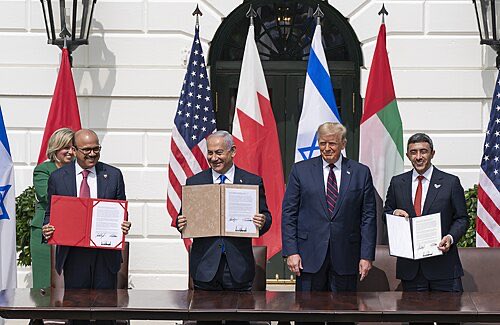
A major turning point came in 2020 with the signing of the Abraham Accords. Under this framework, several Arab countries normalized relations with Israel. Among the most prominent signatories were the United Arab Emirates and Bahrain.
The agreements were widely celebrated as a historic diplomatic breakthrough. Supporters argued that increased economic cooperation, technology partnerships, and security coordination between Israel and Gulf countries would bring stability and prosperity to the region.
However, the accords also had deeper geopolitical implications.
Iran viewed the agreements as a US–Israel–Gulf alignment that threatened its regional influence.
Expanding Normalization and Regional Tensions
Following the accords, discussions reportedly began between Israel and other Arab states regarding normalization. Among them, Saudi Arabia was widely believed to be close to joining the normalization process.
However, the trajectory changed dramatically after the October 2023 attack on Israel by Hamas. Many analysts believe the escalation disrupted the momentum toward further normalization between Israel and Arab states.
More recently, political changes in Syria have revived discussions around the Abraham Accords. After the fall of Bashar al‑Assad’s government, reports indicate that the new leadership under Ahmed al‑Sharaa may consider engaging with the normalization framework, though the situation remains uncertain.
The Current Conflict and Gulf Vulnerability
In the current confrontation involving Iran and the US–Israel alliance, the Gulf region has become one of the most vulnerable theatres of conflict.
Among all countries affected, the UAE appears to have experienced the most direct pressure. According to the country’s defence ministry, more than 1,700 missiles and drones have been launched toward the UAE since the conflict began, although more than 90 percent were intercepted by air defence systems, fighter jets, and helicopters.
In some cases, projectiles have landed near major civilian locations. Images of fires near international hotels in Dubai or within the grounds of Dubai International Airport quickly captured global attention. While there were no casualties in these incidents, the psychological and economic impact has been significant, particularly in a country that hosts millions of expatriates and tourists.
Economic Interdependence with Iran
Despite geopolitical tensions, the United Arab Emirates remains one of the largest trading partners of Iran, second only to China. Bilateral trade reached about $28 billion in 2024,continuing to grow even amid strict United States sanctions on Iran.
In this sense,The Abraham Accords did not directly cause the conflict but significantly reshaped alliances and intensified the geopolitical rivalry in West Asia.
English
UPSC Map retweetledi
From Four Prelims Failures to Civil Services Success: Inspiring UPSC Journey of Hearing-Impaired Aspirant
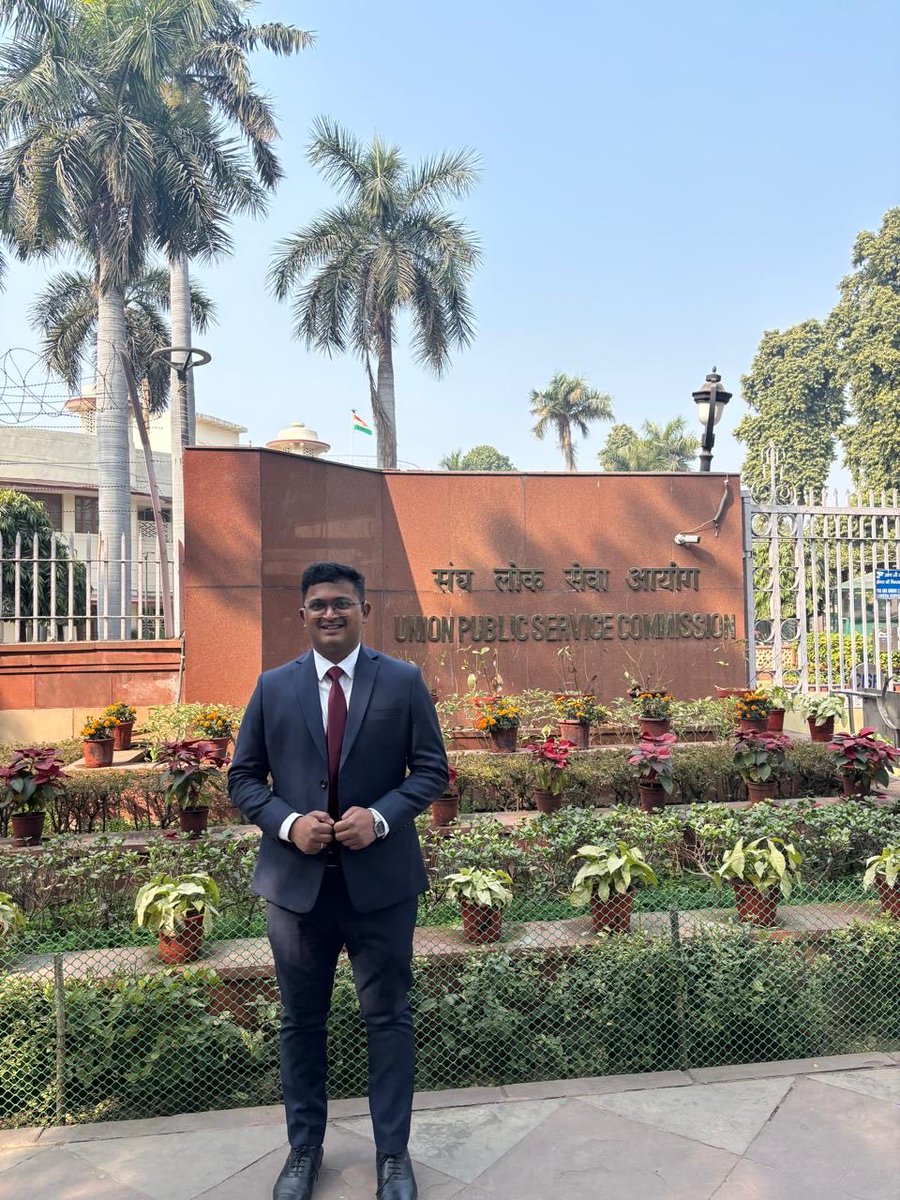
A hearing-impaired differently-abled candidate, Sanjay S., has secured All India Rank (AIR) 953 in the Union Public Service Commission (UPSC) Civil Services Examination 2025, overcoming multiple challenges during his preparation journey.
Sanjay cleared the prestigious examination after facing four consecutive failures in the Preliminary stage. In his fifth attempt, he successfully cleared the Prelims and went on to qualify the Mains and Personality Test (Interview) in the same attempt, eventually securing AIR 953.
One of the major hurdles in his journey was the Civil Services Aptitude Test (CSAT). His marks in the paper show a gradual improvement over the years. In his earlier attempts, he scored 31, 48.6, 51.3, and 63.8 marks, before finally improving to 74.68 marks in the attempt in which he cleared the examination.
Sanjay comes from a single-parent family and was raised by his mother, who works as a tailor. His grandmother, a fruit vendor, also contributed to supporting his education despite financial constraints. Due to his hearing impairment, he relied on a hearing aid, which was arranged by one of his seniors and played a crucial role in helping him continue his studies.
Currently, Sanjay is working as a Group C official in the Income Tax Department. Alongside his professional responsibilities, he has also been actively involved in community service through the Rotaract movement.
During his tenure as President of his Rotaract Club, he led several initiatives including anemia awareness programmes for women and activities supporting persons with disabilities. For his leadership and service, he received the Best President Award. He also organized the first sports meet for differently-abled persons in his district, aimed at promoting inclusion and empowerment.
Sanjay was also recognised as an Inspired Icon Awardee for his contributions during the 2018 Kerala floods relief efforts, where he actively participated in humanitarian activities.
He attributes his success to the constant support and encouragement from his mother, grandmother, teachers, friends, and well-wishers, who stood by him throughout his journey.
His achievement highlights a story of perseverance, resilience, and determination in overcoming personal and academic challenges to achieve success in one of India’s most competitive examinations.
English
UPSC Map retweetledi
🚨 Major Israel–Arab Wars and Conflicts:
✅ 1948 Arab–Israeli War
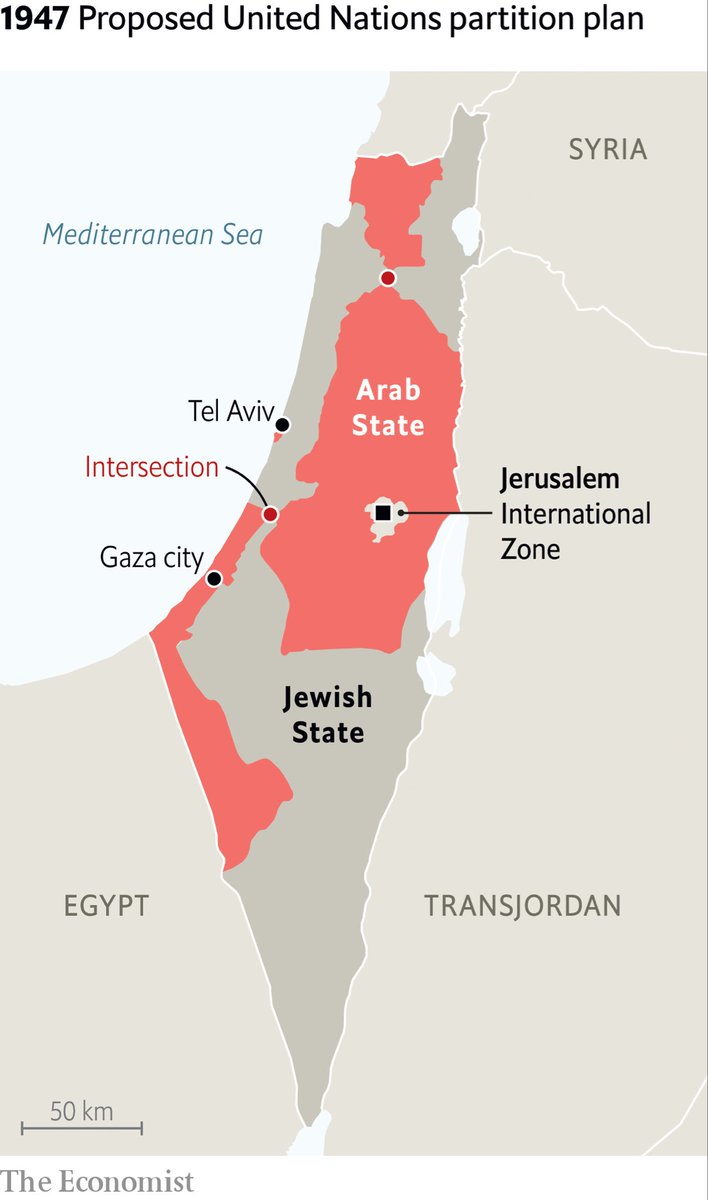
After the United Nations proposed partitioning Palestine into Jewish and Arab states in 1947, Jewish leaders declared the creation of Israel in May 1948. Soon after, neighboring Arab countries — Egypt, Jordan, Syria, Iraq, and Lebanon — launched military attacks against the new state. The war ended in 1949 with Israel controlling more territory than originally allocated by the UN plan. Around 700,000 Palestinians were displaced during the war, an event known among Palestinians as the Nakba (catastrophe).
✅ 1956 Suez Crisis
In 1956, Egypt under Gamal Abdel Nasser nationalized the Suez Canal, which had previously been controlled by British and French interests. Israel, along with Britain and France, launched a coordinated military campaign against Egypt. Israeli forces quickly captured the Sinai Peninsula. However, strong diplomatic pressure from the United States and the Soviet Union forced the invading forces to withdraw, and the Sinai returned to Egyptian control.
✅ 1967 Six-Day War
In June 1967, tensions between Israel and neighboring Arab states escalated dramatically. Israel launched a preemptive strike against Egypt, followed by fighting with Jordan and Syria. Within six days, Israel achieved a decisive victory and captured several strategic territories: the Sinai Peninsula and Gaza Strip from Egypt, the West Bank and East Jerusalem from Jordan, and the Golan Heights from Syria. This war dramatically changed the map of the region and placed Jerusalem’s major holy sites under Israeli control.
✅ 1973 Yom Kippur War
On the Jewish holy day of Yom Kippur in October 1973, Egypt and Syria launched a surprise attack on Israel to regain territories lost in 1967. Egyptian forces crossed the Suez Canal while Syrian troops attacked the Golan Heights. Although Israel initially suffered heavy losses, it eventually pushed back both armies. The war ended with a ceasefire brokered by international powers. It later led to diplomatic negotiations, including the 1978 Camp David Accords and peace between Egypt and Israel.
✅ 1982 Lebanon War
Israel launched a large-scale invasion of Lebanon in 1982. The goal was to remove the Palestine Liberation Organization (PLO), which had been launching attacks against Israel from southern Lebanon. Israeli forces reached Beirut, and the PLO leadership was forced to leave Lebanon. However, the conflict also contributed to the rise of Hezbollah, a Shia militant group backed by Iran that later became a major opponent of Israel.
✅ 2006 Israel–Hezbollah War
In 2006, Hezbollah fighters captured two Israeli soldiers along the Israel–Lebanon border. Israel responded with extensive airstrikes and a ground invasion into southern Lebanon. Hezbollah launched thousands of rockets into northern Israel during the conflict. The war lasted about 34 days and caused heavy damage on both sides before a UN-brokered ceasefire ended the fighting.
✅ Israel–Hamas Conflict in Gaza
Several wars have taken place between Israel and Hamas, which controls the Gaza Strip. Major conflicts occurred in 2008–09, 2012, 2014, and most dramatically in 2023 after Hamas launched a large attack inside Israel. Israel responded with extensive military operations in Gaza. These conflicts have involved rocket attacks, airstrikes, and ground operations and have caused significant civilian casualties and humanitarian crises.
✅ Twelve Days war in June 2025
The Twelve-Day War (June 13–24, 2025) was a massive direct conflict that saw Israel and the U.S. launch thousands of strikes against Iranian nuclear and military infrastructure. Triggered by Iranian nuclear violations, Israel’s Operation Rising Lion killed top IRGC leaders and crippled air defenses, while Iran retaliated with nearly 2,000 missiles and drones targeting Israeli cities like Haifa and Tel Aviv.
English
UPSC Map retweetledi
🚨Abrahamic Religions and the Geopolitical Roots of the Present-Day USA–Israel–Iran Conflict
Abrahamic religions are faith traditions that trace their spiritual roots to Prophet Abraham (Ibrahim), who is regarded as a model of faith and obedience to one God. Because these religions share a common origin in Abraham, they are grouped together under the term Abrahamic religions.
The three major Abrahamic religions are:
1.Judaism
2.Christianity
3.Islam
Although they developed in different historical periods and have distinct beliefs and practices, they share some core principles:
•Belief in One God (Monotheism): All three religions worship a single, all-powerful God.
•Belief in Prophets: They believe that God sent messengers or prophets to guide humanity.
•Holy Scriptures: Each religion has sacred texts believed to contain divine guidance (Torah, Bible, Quran).
•Day of Judgment: They teach that humans will be judged by God for their actions.
✅ The Promised Land
In Jewish tradition, God made a covenant with Abraham, promising the land of Canaan to his descendants.
Later:
•Moses received the Ten Commandments.
•The Israelites entered the land.
•Around 1000 BCE, King David made Jerusalem the capital.
•His son, King Solomon, built the First Temple in Jerusalem.
The Temple became the spiritual center of Judaism. In 586 BCE, the Babylonians destroyed it and exiled the Jews.
✅ The Second Temple and Jewish Diaspora
The Jews later returned and built the Second Temple (516 BCE). In 70 CE, the Romans destroyed the Second Temple.
After this, many Jews were dispersed across Europe, North Africa, and the Middle East — beginning centuries of diaspora.
Jerusalem remained central in Jewish prayer and identity.
✅ Islamic Era – Al-Aqsa Mosque
In 638 CE, Muslims captured Jerusalem.
Islamic tradition holds that Prophet Muhammad made his Night Journey to Jerusalem.
In the late 7th century:
•The Dome of the Rock was built.
•The Al-Aqsa Mosque was established.
For Muslims, Al-Aqsa became the third holiest site in Islam.
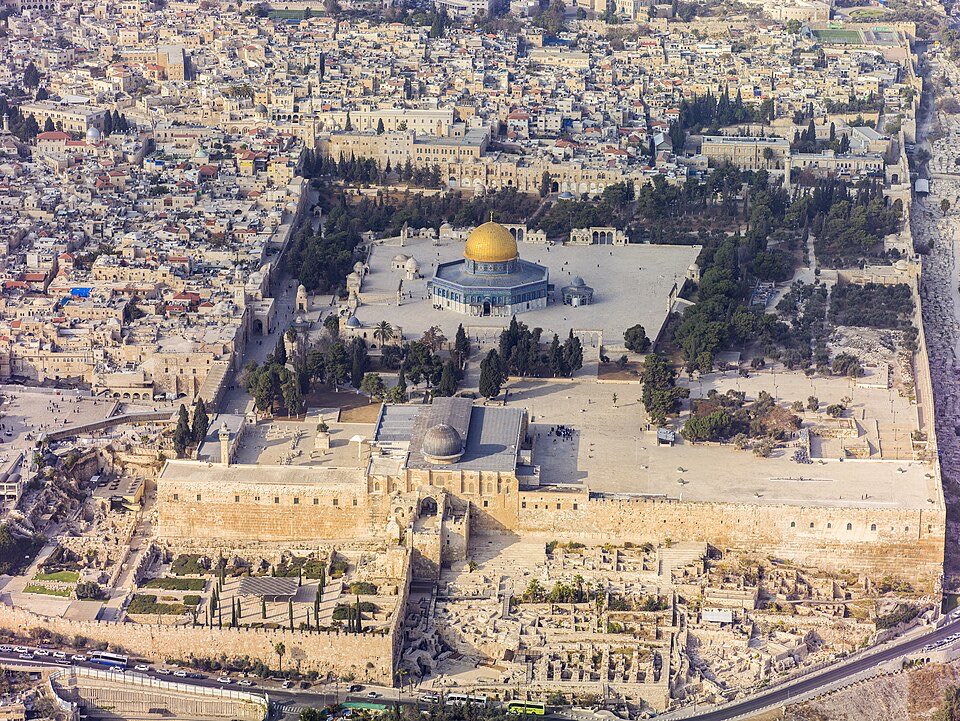
The same land — known to Jews as the Temple Mount and to Muslims as Haram al-Sharif — became sacred to both religions.
✅ Temple Mount
The Temple Mount is a raised platform in the Old City of Jerusalem.
It is one of the most sacred and disputed religious sites in the world because it is holy to Jews, Muslims, and Christians.
Jews call it the Temple Mount.
Muslims call it Haram al-Sharif (The Noble Sanctuary).
✅ Jewish Significance
For Jews, the Temple Mount is the holiest place in Judaism.
According to Jewish tradition:
•It is the site where Abraham prepared to sacrifice his son Isaac.
•It is where King Solomon built the First Temple around 957 BCE.
•It is where the Second Temple stood until it was destroyed by the Romans in 70 CE.
The Temples were the center of Jewish worship.
After the Roman destruction, Jews were dispersed.
The Western Wall, located below the Temple Mount, is the closest accessible remnant of the Second Temple and is now the holiest prayer site in Judaism.
For many Jews, the Temple Mount represents:
•Divine covenant
•Ancient sovereignty
•Spiritual center of Jewish identity
✅ Islamic Significance
For Muslims, the same site is known as Haram al-Sharif.
It includes:
•Al-Aqsa Mosque
•The Dome of the Rock
In Islamic belief:
•Prophet Muhammad made the Night Journey (Isra) from Mecca to Jerusalem.
•From this site, he ascended to heaven (Mi’raj).
Al-Aqsa is considered the third holiest site in Islam, after Mecca and Medina.
For Muslims, it represents:
•Sacred trust
•Religious honor
•Islamic historical presence in Jerusalem
✅ Christian Significance
Jerusalem is important for Christians because it is the city where Jesus Christ spent his final days, was crucified, buried, and, according to Christian belief, rose from the dead.
Visit on our profile to read Part- 2 👇 or check below thread 🧵 👇
English
UPSC Map retweetledi
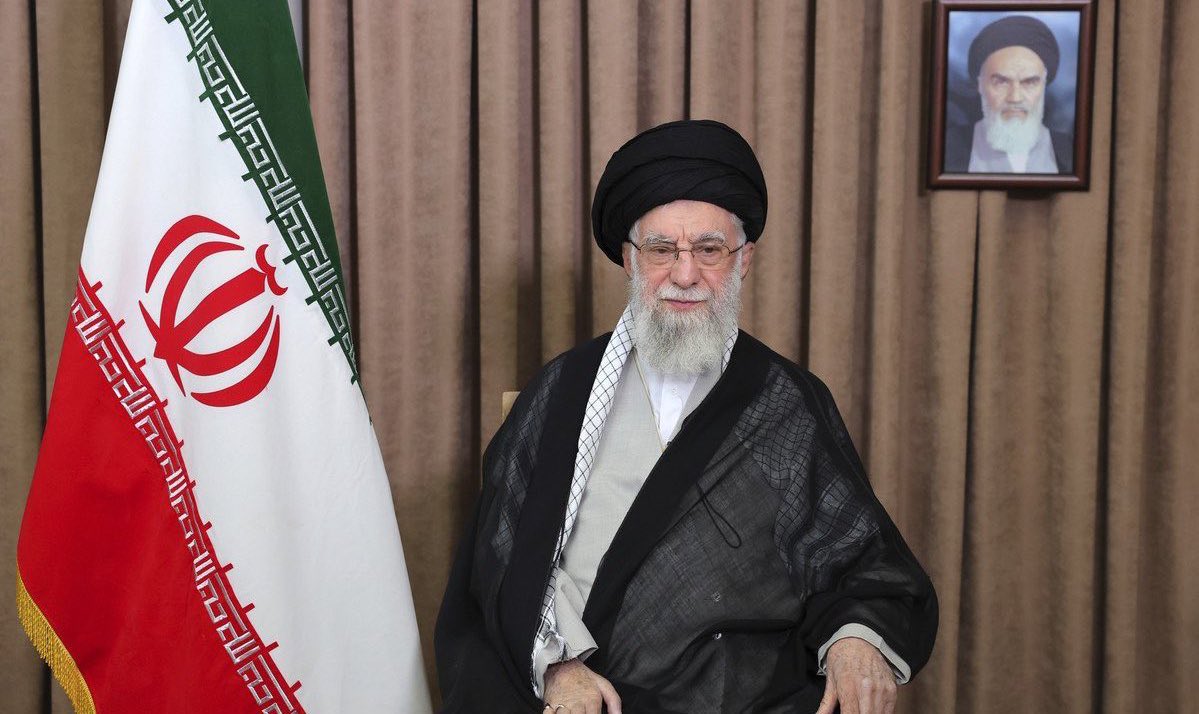
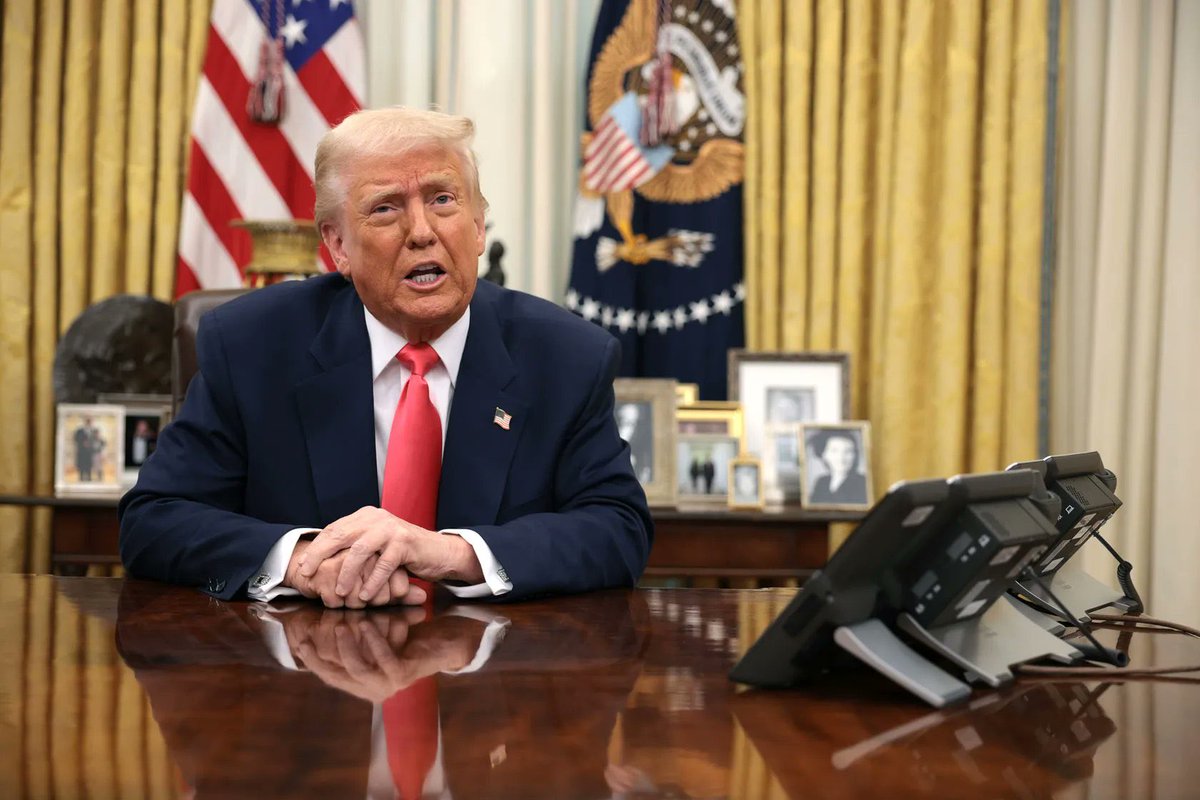
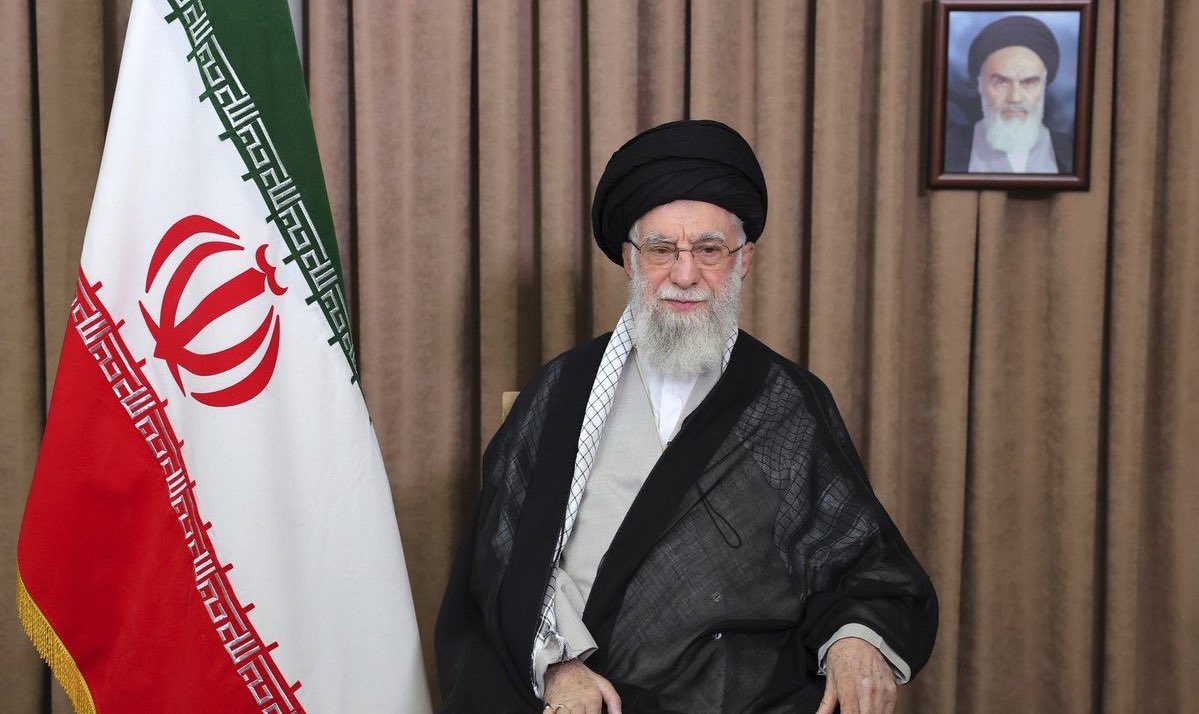
Is this the first time that the USA has killed a head of state in a direct attack without following a fair trial?
Indeed, the United States has targeted foreign leaders, planned assassinations, and carried out regime change operations in many countries.
But this time it was a direct attack that killed the head of state of Iran — “the Supreme Leader of Iran”.
English
UPSC Map retweetledi
What Are the Strategic Interests of the United States in the Middle East, and Why Is It in Confrontation with Iran?
✅ First reason - Protection of Israel
First and foremost, one of the core strategic interests of the United States in the Middle East has been ensuring the security and survival of Israel as a sovereign state. Since the 1979 Islamic Revolution in Iran, Israel has faced sustained hostility from Tehran, which rejects Israel’s legitimacy and has consistently supported anti-Israel actors in the region.
Following the 1978 Camp David Accords, only a few adversarial states remained in the Arab world: Iran, Iraq, Syria, and Libya.
Over the past two decades, these threats have been systematically neutralized:
• The 2003 U.S. invasion of Iraq eliminated the threat posed by Saddam Hussein.
• The 2011 Arab Spring and subsequent revolution resulted in the removal of Muammar Gaddafi in Libya.
• The fall of the Assad regime in late 2025 eliminated Syria as a direct state threat.
Today, Iran remains Israel’s principal state adversary in the region. Tehran has developed what is often called the “Axis of Resistance” — a network of allied non-state actors and militias aimed at countering Israel and U.S. influence.
These include:
•Hezbollah in Lebanon
•Hamas and Palestinian Islamic Jihad in Gaza
•Houthi movement (Ansar Allah) in Yemen
•Various Shia militias in Iraq and Syria
✅ Second reason is Natural Resources
Iran holds approximately 9–10% of the world’s proven oil reserves, ranking 3rd or 4th globally.
Even more significant is Iran’s position in natural gas. It ranks 2nd in the world in proven natural gas reserves, after Russia, possessing nearly 16–17% of global reserves
Beyond hydrocarbons, Iran also possesses substantial mineral wealth, including copper, iron ore, zinc, and uranium, placing it among the top ten countries in several mineral reserve categories.
✅ Third reason is strategic location
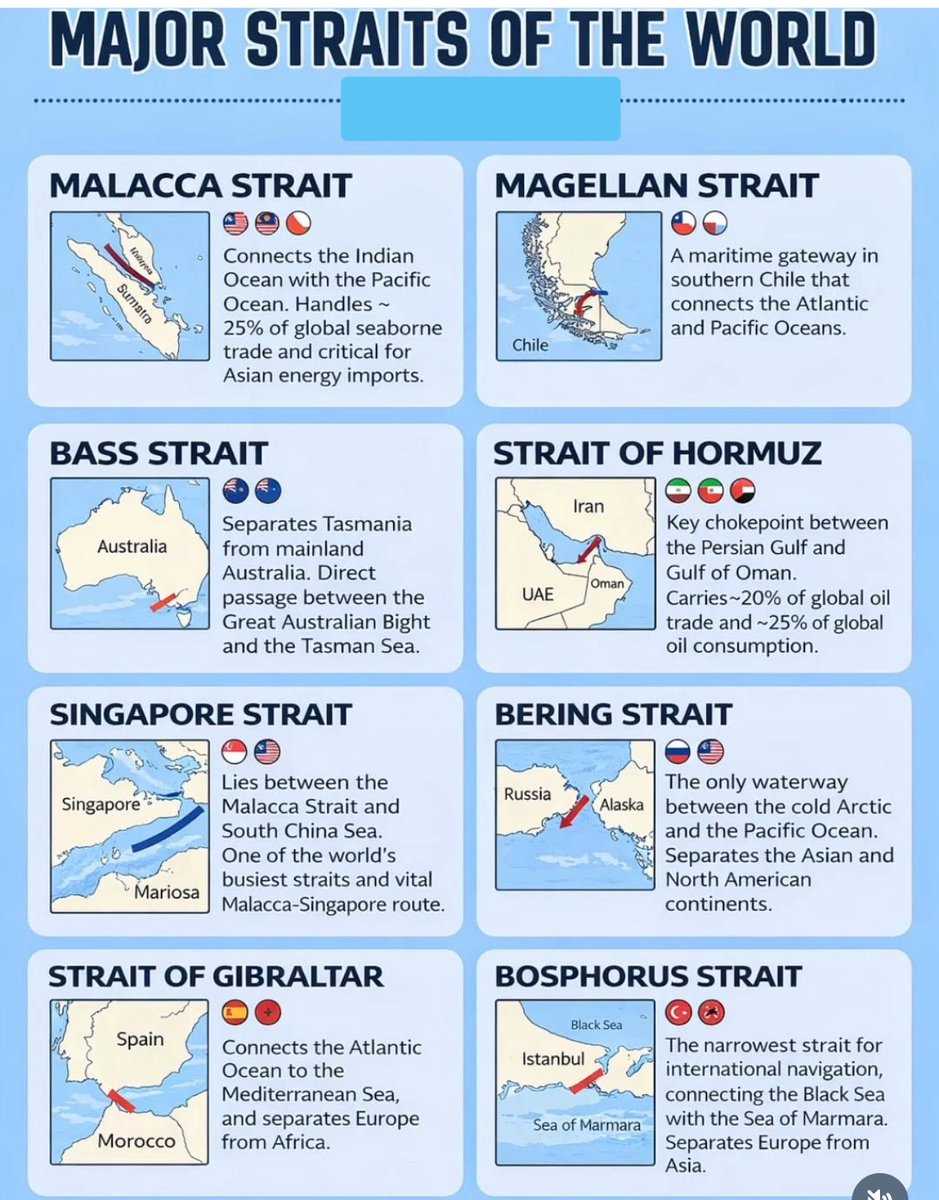
Geographically, Iran’s strategic leverage is amplified by its control over the northern coast of the Strait of Hormuz. This narrow maritime chokepoint connects the Persian Gulf to the Arabian Sea and carries roughly 20–25% of global seaborne oil trade and a significant share of global LNG exports. It is widely regarded as the world’s most important energy transit chokepoint.
Because of this, any instability in the region directly affects global energy prices and international security dynamics. Iran’s combination of resource wealth and geographic positioning makes it one of the most strategically significant states in West Asia.
✅ Fourth reason is regional stability & peaceful Middle East for their allies
Although major Arab powers oppose any military action against Iran because they know it would destabilise the entire region, they also consider Iran a major threat to their own security. Publicly, they support de-escalation, but privately many would prefer the weakening or fall of the Islamic regime in Iran. Most Gulf countries are allies of the United States and host U.S. military bases on their territory, reflecting their dependence on American security guarantees.
In simple terms, the U.S.–Iran confrontation is about security and power in the Middle East. The United States wants to protect Israel, secure energy routes, and support its Gulf allies. Iran’s growing influence and strategic position make it a challenge to these goals, which keeps tensions between the two countries alive.
English

UPSC Map retweetledi
🚨 Why Iran Stands Alone Against Israel and the U.S. While Other Muslim States Align with Washington
Before 1979, Iran under Mohammad Reza Pahlavi was actually a close U.S. ally and had quiet relations with Israel.
Everything changed after the Islamic Revolution led by Ruhollah Khomeini.
The new regime defined itself on three pillars:
•Opposition to Western domination
•Rejection of Israel’s legitimacy
•Governance based on Shia Islamic political theology
So hostility toward the U.S. and Israel became part of the state identity, not just foreign policy.
✅ Religious Identity:-
Iran is the largest Shia Muslim-majority nation in the Middle East, whereas most Arab countries are predominantly Sunni Muslim.
The Sunni–Shia split began in 632 CE after Prophet Muhammad’s death — it was originally about who should lead the Muslim community.
•Sunnis believed leadership should go to the most capable companion (Abu Bakr).
•Shias believed leadership belonged to the Prophet’s family, specifically Ali.
Over centuries, this political disagreement became theological.
Today:
•~85–90% of Muslims globally are Sunni
•~10–15% are Shia
•Iran is ~90–95% Shia
•Most Arab states (Saudi Arabia, Egypt, Jordan, etc.) are Sunni-majority
✅ What Makes Shia Political Thought Different?
Shia Islam has a concept absent in Sunni theology:
👉 The Hidden Imam
Twelver Shias believe the 12th Imam disappeared and will return as Mahdi.
This created a political problem:
Who rules in the absence of the Imam?
For centuries, Shia scholars avoided direct political rule — they guided society morally but did not govern.
That changed in 1979.
✅ Velayat-e Faqih – The Radical Shift
After the revolution, Ruhollah Khomeini introduced the doctrine of:
Velayat-e Faqih (Guardianship of the Islamic Jurist)
His argument:
Since the Imam is absent, a senior Shia jurist must govern to ensure Islamic justice.
This created:
•A Supreme Leader
•Clerical oversight over elected institutions
•A state built explicitly on Shia jurisprudence
This model is unique in the Muslim world.
No Sunni-majority state has an equivalent clerical supremacy system.
✅ Why This Creates Regional Tension
Now we move from theology to geopolitics.
Because Iran’s state is built on Shia political theology:
•It sees itself as protector of Shia communities
•It supports Shia movements in Iraq, Lebanon, Yemen
•It frames politics as resistance against injustice and “oppression”
Sunni monarchies — especially Saudi Arabia — see this as:
•A challenge to their legitimacy
•A threat to Sunni dominance
•A potential source of internal unrest (since they have Shia minorities)
So what looks like “sectarian conflict” is actually:
Religious identity + political legitimacy + power competition
✅ Persian vs Arab Identity Layer
There’s also a civilizational factor.
Iran is:
•Persian (non-Arab)
•Has its own language (Farsi)
•Has imperial history older than Islam
Most Middle Eastern states are Arab.
So Iran is different in:
•Ethnicity
•Language
•Historical memory
•Religious orientation
This compounds the sense of separateness.
✅ Why Most Muslim States Don’t Confront the U.S.
This is not mainly about religion — it’s about regime survival.
🇸🇦 Saudi Arabia
•Sunni monarchy
•Security partnership with U.S.
•Oil–security bargain since 1945
•Prioritizes regime stability over ideological confrontation
🇯🇴 Jordan
•Small, resource-poor state
•Depends heavily on U.S. aid
•Seeks stability
🇪🇬 Egypt
•After Camp David (1978), aligned strategically with U.S.
•Receives significant military aid
These states are not necessarily ideologically pro-Israel —
they are strategically aligned with Washington for survival and economic stability.
Iran also competes with Sunni powers for regional leadership.
For example:
•Saudi Arabia sees itself as leader of Sunni Islam.
•Iran positions itself as leader of “resistance.”

English
UPSC Map retweetledi
A song from Rajasthan that helped shape India's RTI movement
This powerful line from a street performance by Mazdoor
Kisan Shakti Sangathan captures the moral core of the Right to Information struggle.
At a time when villagers were being denied minimum wages and access to basic entitlements, the demand was simple yet radical. Show us the records. Show us the muster rolls. Show us where the money went. The song rejects consumer goods one by one and asserts something deeper. What people wanted was accountability.
What they demanded was the right to know.
The movement began in rural Rajasthan in the 1990s, led by activists like Aruna Roy, Nikhil Dey and cultural mobilisers like Shankar Singh. Through public hearings known as jan sunwais, villagers collectively audited government records and exposed corruption in wage payments and development works. These grassroots processes built public pressure that eventually shaped the national framework of the Right to Information Act, 2005.
What started as a fight for daily wages became one of the strongest transparency laws in the world, institutionalising the citizen's right to access state information from the village panchayat to the Union government.
English