Umer Azaz retweetledi

Umer Azaz
4.6K posts



The group wants Section 154A split into 2 categories: genuine independent exporters keep 0.25%, while remote employees of foreign firms are taxed separately. At Rs 500,000 monthly pay, P@SHA says the current gap is Rs 105,500.



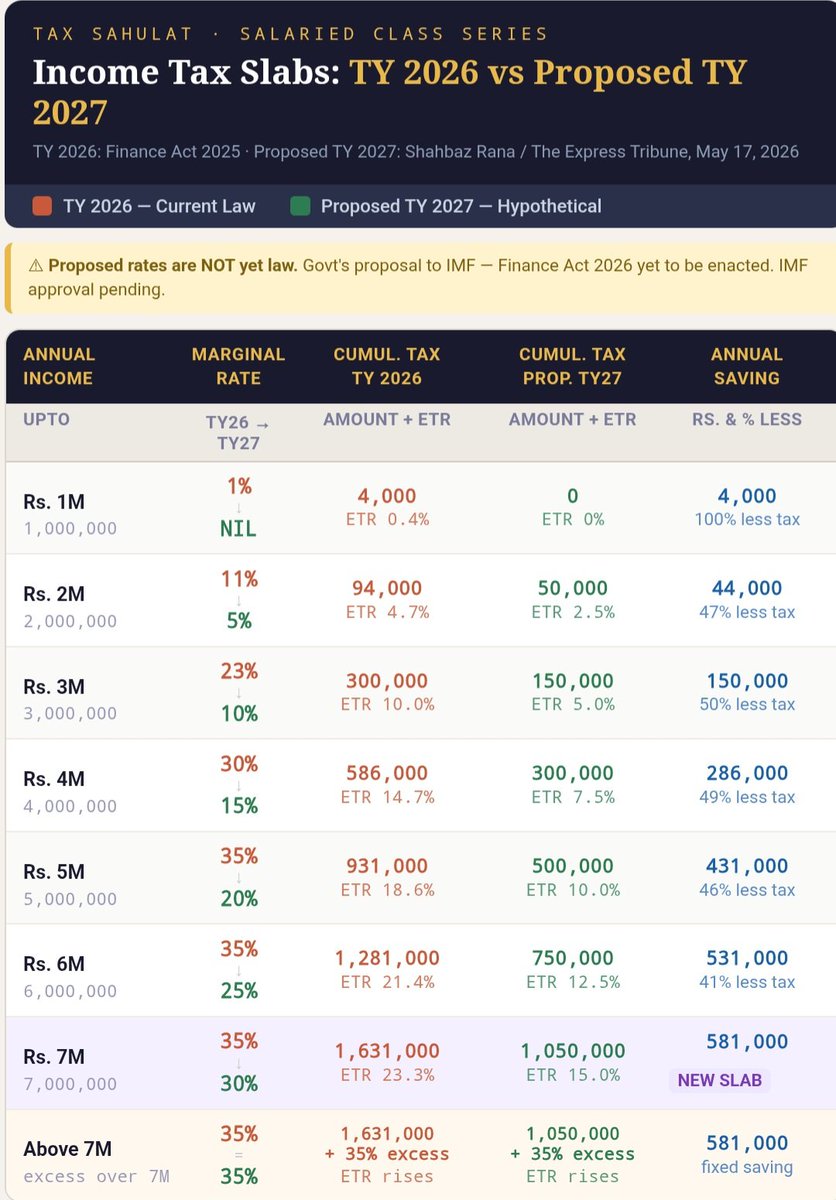
Govt awaits IMF nod of tax cuts! The government has shared its plan with the International Monetary Fund (IMF) to reduce salaried and corporate income tax rates, as it also considers recovering an additional Rs50 billion in the next fiscal year by charging sales tax on fast?moving consumer goods (FMCGs) on their printed market price. tribune.com.pk/story/2608536/…









پاور ڈویژن کی درخواست پر نیپرا نے 25کلوواٹ اور اس سے کم سولر صارفین کیلئے لائسنس کی شرط ختم کردی۔ شکریہ نیپرا

(اس تحریر کو آخر تک پڑھیں، اور جانیں کے BRT Red Line میں ٹھیکیدار کو کیسے قربانی کا بکرا بنایا گیا) #کراچی میں ریڈ لائن بی آر ٹی منصوبے کی سائٹ سیل کیے جانے کے معاملے پر ٹھیکیدار سندھ ہائیکورٹ پہنچ گیا۔ درخواست میں انکشاف کیا گیا ہے کہ سندھ حکومت نے منصوبے کا ڈیزائن ٹھیکیدار کو ڈھائی سال بعد فراہم کیا، جبکہ سائٹ 30 ماہ کی تاخیر سے کنٹریکٹر کے حوالے کی گئی عدالت نے سماعت کے دوران سائٹ کی صورتحال جانچنے کیلئے ناظر سندھ ہائیکورٹ کو کمشنر مقرر کرتے ہوئے ہدایت دی کہ وہ مشینری کی تفصیلات پر مبنی رپورٹ پیش کریں۔ ناظر کی فیس 2 لاکھ روپے مقرر کی گئی ہے جو درخواست گزار ادا کرے گا سندھ ہائیکورٹ نے فوری ڈی سیل کرنے کی استدعا مسترد کرتے ہوئے ٹرانس کراچی، حکومت سندھ، پولیس اور دیگر متعلقہ حکام کو نوٹس جاری کر دیے ہیں جبکہ کیس کی مزید سماعت 29 اپریل تک ملتوی کر دی گئی ہے۔ درخواست گزار کے مطابق تنازعاتی بورڈ پہلے ہی تاخیر کا ذمہ دار حکومت سندھ کو قرار دے چکا ہے اور ٹھیکیدار کو 3.7 ارب روپے اضافی اخراجات دینے کا فیصلہ بھی دیا گیا تھا Source: @AtifTalks

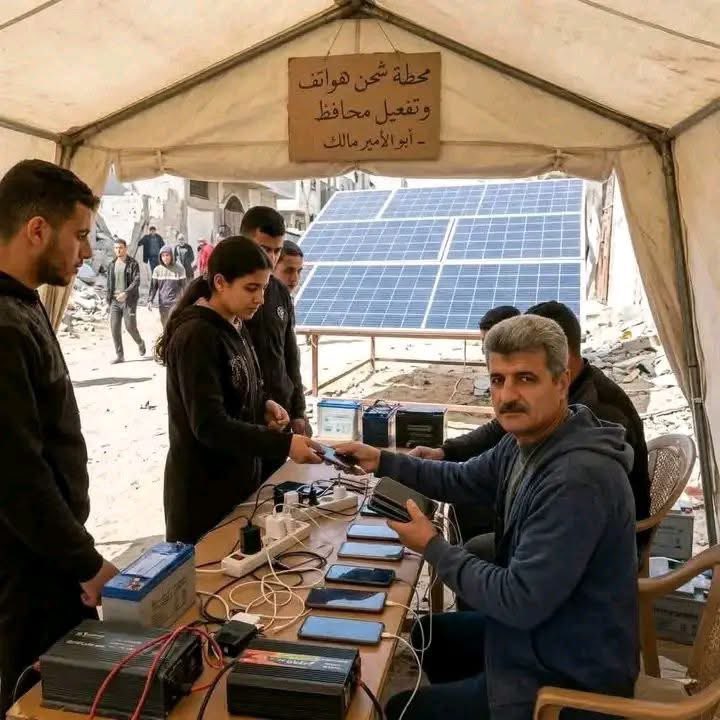
🚨BREAKING : In a new massacre, Israeli drones directly targeted a phone-charging point run by civilian Imad Miqdad moments ago in the Sheikh Radwan neighborhood of Gaza City, killing him along with other civilians. With no electricity infrastructure left in displacement camps, solar-powered and improvised energy points have become essential for survival, yet they are being deliberately targeted, cutting civilians off from even the most basic means of living.

Pakistan’s most dangerous division Here’s the hard truth: Pakistan’s Power Division has the power to bankrupt the economy. Yes, the Power Division has formally announced more than two hours of daily loadshedding. Lo and behold, Pakistan does not have a power shortage, Pakistan has a power management failure. Pakistan has an installed capacity of around 45,000 MW. Peak demand rarely crosses 25,000-28,000MW. That is a surplus of 17,000-20,000MW. And yet, the Power Division is switching off power. Why? The Power Division offers a justification. Loadshedding, it says, is to “reduce the use of costly fuels” and “prevent a sharp increase in tariffs.” This is a deeply flawed argument. To begin with, it confuses price with cost. Switching off cheaper available electricity during peak hours does not eliminate cost. It merely reallocates cost. Capacity payments, now exceeding Rs 2 trillion annually,do not disappear when plants are shut. They continue to accrue. The truth the Power Division won’t state: This policy does not control tariffs. It guarantees higher tariffs over time.The Power Division has made demand destruction its explicit policy. It admits the system can meet full demand. It cuts power regardless. Call it what it is: not load shedding, not shortage management, deliberate curtailment. Electricity exists, the Division simply decides you cannot have it. Pre-2006, circular debt was essentially zero. In 2006, it stood at Rs111 billion. Today, power sector circular debt stands at around Rs2 trillion, with total energy sector debt (power plus gas) exceeding Rs5 trillion. That is a 17-fold increase in 20 years. The reality: Circular debt has been compounding at an annual rate of 15 per cent per year for two decades straight.At its current rate of growth, Pakistan’s circular debt will cross Rs8 trillion by 2030. No war, no flood, no external shock, just 25 years of the same policy, compounding at 15 per cent a year. That is what makes the Power Division the most dangerous institution in Pakistan. The Power Division is running a parallel fiscal deficit. It is hollowing out the federal budget. It is killing growth. None of this is abstract. Electricity at Rs50 per unit has pushed large parts of industry to the edge. Textiles, steel, chemicals -- scaling down. Households choosing between food and electricity -- scaling down. Pakistan is not facing a power problem. It is facing an economic contraction. And the Power Division is driving it. Red alert: The Power Division is not just draining rupees. It is destroying dollar-earning capacity.Pakistan is not running out of electricity. Pakistan is running out of paying consumers. Pakistan is not running out of electricity. Pakistan is running out of money -- and the Power Division sits at the centre of that drain.