Usman Hanif

4.8K posts

Usman Hanif banner
Usman Hanif

Usman Hanif

@UsmanHaniff

Business Journalist Pakistan @etribune, @TribuneBiz| Ex @geonews_english| @profitpk| Business: Economy @CEJatIBA @EastWestCenter @ChevPakistan SAJP

Katılım Mart 2012
2.9K Takip Edilen3.4K Takipçiler
Sabitlenmiş Tweet
Usman Hanif
Usman Hanif@UsmanHaniff·
I look at Karachi's high-rises with amazement after learning that 8 out of every 9 jobs in Pakistan's real estate sector are informal. This means that most of the people who built these towering structures likely had no formal education or professional training, yet the buildings continue to stand tall against the skyline. Another fact that has stayed with me is that 3 out of every 4 jobs are informal. Most of these jobs exist in the small and medium enterprise (#SME) sector, which contributes around 25% of Pakistan's exports. Despite their significant contribution to the economy, these workers have little or no social protection to support them during difficult times. These days, the business community and economists are urging the government to provide direct subsidies. If any group deserves such assistance, it is these workers—not as an act of charity, but as a matter of right. The facts are drawn from Dr. S. Akbar Zaidi's (@EDIBAKarachi) book, Issues in Pakistan's Economy. #PakistanEconomy
Usman Hanif tweet media
English
1
0
2
280
Usman Hanif
Usman Hanif@UsmanHaniff·
Govt hikes petrol by Rs5.44 to Rs316.15/ltr & diesel by Rs31.05 to Rs354.35/ltr effective today. Switched to daily pricing amid fresh Iran-US conflict & Hormuz closure risks. Another blow to transport, farmers & households already facing inflation. Hope stability returns soon. #PakistanEconomy
Usman Hanif tweet media
English
0
0
0
32
Usman Hanif retweetledi
farrukh saleem
farrukh saleem@SaleemFarrukh·
1. PSO buys the oil. 2. PSO declares the price. 3. No one checks. 4. No one audits. 5. No one verifies. 6. OGRA takes its word for it. 7. PSO makes Rs38 billion. 8. Attock Petroleum makes Rs14 billion. 9. PRL makes Rs10 billion. 10. NRL makes Rs7 billion. 11. Govt makes Rs1.4 trillion. 12. 240 million finance it all. Who decides what you pay at the pump? Every minister, adviser and spokesperson will tell you the same thing: Pakistan’s petrol price is based on a rolling Platts/Oilgram average -- an objective international benchmark. Transparent. Scientific. Beyond manipulation. Not true. Pakistan’s petrol pricing formula has a secret. Ministers won’t mention it. Spokespersons may not know it. And Ogra’s weekly notifications are carefully designed to obscure it. The rolling Platts/Oilgram average -- that objective international benchmark they keep citing -- is not what actually determines what you pay at the pump. Every minister, adviser and spokesperson will tell you petrol prices in Pakistan are set by an objective international benchmark -- the Platts/Oilgram rolling average. Verifiable. Beyond politics. They are telling you half the story. The other half costs you Rs350 billion a year. Here is the math: 123 million barrels imported per year. An average of $10 per barrel overpaid. Converted at today’s exchange rate. Rs 350 billion. Every year. Gone. Here is the whole truth: The primary input into Pakistan’s petrol pricing formula is not Platts. Not an independent benchmark. Not a global average. It is a government-owned oil marketing company’s (OMC) own declared import price. The Platts/Oilgram average only kicks in when the OMC’s price is unavailable. That price is almost never unavailable. The reality: The OMC is Pakistan’s largest oil importer. Its declared purchase price is the primary input into the national petrol pricing formula. It is a state-owned company whose profits flow directly to the government that sets the petroleum levy. It just posted a 149 per cent jump in profits. Cold truth: The referee is also the player. The player is also the scorekeeper. And the scorekeeper works for a government that collected Rs 2.725 trillion in the petroleum levy in just two years -- more than the combined value of both IMF loan programmes. Next year’s target: Rs 1.727 trillion. The year after: Rs 1.915 trillion. By 2031: Rs 2.637 trillion. Red alert: This is not a pricing formula. It is an extraction machine. And the OMC, whose declared purchase price feeds that formula, posted a profit of Rs38 billion up from Rs15 billion last year. Think about what this means. The OMC buys the oil. It declares what it paid. That declared price becomes your pump price. Its profits then flow to the government that sets the levy on top of that price. There is no independent check at any stage. No outside auditor. No verification of its declared import cost. Look closer: The formula is not broken. It is working exactly as designed -- for the oil companies, for the government. For everyone except the 240 million who pay for it.Red alert: The cost of this arrangement: Rs350 billion a year -- Rs10,000 out of every Pakistani family’s pocket, every year, for a formula that was never what they said it was. Here is the current arrangement. The OMC buys the oil. It declares the price. No one checks. No one audits. No one verifies. Ogra takes its word for it. The pump price follows. The oil companies pocket the difference -- PSO Rs38 billion, Attock Petroleum Rs14 billion, PRL Rs10 billion and NRL Rs7 billion. And every minister, adviser and spokesperson goes on television and says: the price is based on a transparent international formula. thenews.pk/print/1426444-…
English
31
386
800
49K
Usman Hanif
Usman Hanif@UsmanHaniff·
BYD Pakistan receives its largest-ever shipment of over 2,000 EVs at Karachi Port. Mega Motor Company strengthens electric mobility push with enhanced vehicle availability and sustainable transport solutions. @BYDCompany
Usman Hanif tweet media
English
0
0
2
35
Usman Hanif
Usman Hanif@UsmanHaniff·
US assistance to Pakistan in last 2.5 decades!
Usman Hanif tweet media
English
0
1
2
84
Usman Hanif
Usman Hanif@UsmanHaniff·
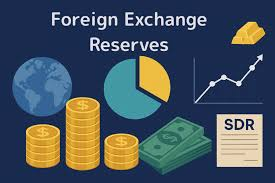
SBP foreign exchange reserves decreased by $1.245 billion to $17.226 billion in the week ended July 10, 2026, due to external debt repayments. Total liquid reserves stood at $22.676 billion.
Usman Hanif tweet media
English
0
0
0
24
Usman Hanif
Usman Hanif@UsmanHaniff·
@Arshadyousafzay Do they still live in Kashmir? I have heard stories about them and interestingly I have seen videos from India, who migrated from Rawalakot side, speaking our language in the particular way that nobody else can speak, even though our language is very near to Punjabi.
English
2
0
1
214
Arshad Yousafzai
Arshad Yousafzai@Arshadyousafzay·
Pashtun Sikhs are a beautiful reminder of our shared heritage. The way they sing in the traditional style is soulful, authentic, and deeply moving. Their music carries the spirit of the mountains, history, and resilience. Absolutely love it. ❤️
English
12
40
199
17.8K
Usman Hanif
Usman Hanif@UsmanHaniff·
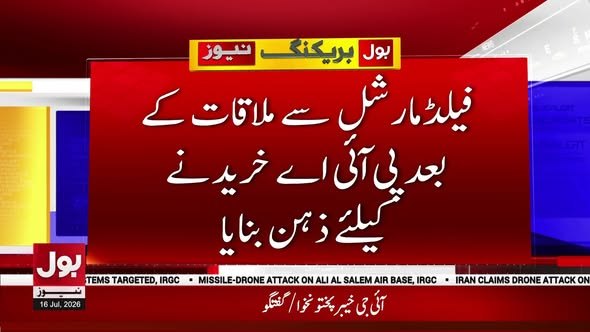
Uncertainty in Pakistani media landscape!
Usman Hanif tweet mediaUsman Hanif tweet media
Indonesia
0
0
0
41
Usman Hanif
Usman Hanif@UsmanHaniff·
Sonam Wangchuk, the Ladakhi engineer, educator, and climate activist who inspired Aamir Khan's character Rancho (Phunsukh Wangdu) in 3 Idiots, began an indefinite hunger strike on June 28, 2026, at Delhi's Jantar Mantar. -He is protesting NEET-UG 2026 paper leak scandal -Demands Education Minister Dharmendra Pradhan's resignation -Joined Cockroach Janta Party youth protest at Jantar Mantar -Highlights education system failures affecting millions of students -Also seeks Sixth Schedule status for Ladakh protection
English
0
0
0
140
Usman Hanif
Usman Hanif@UsmanHaniff·
Arif Habib the great!
Usman Hanif tweet media
English
0
0
0
44
Usman Hanif retweetledi
Aadil Nakhoda
Aadil Nakhoda@EconomistAadil·
My comment published in @etribune authored by @UsmanHaniff. tribune.com.pk/story/2618521/… "[Aadil Nakhoda] warned that Pakistan's economy faces a deeper structural crisis beyond incentives. An economy where remittances out-earn exports reflects decades of failure to build productive capabilities. Despite numerous rebates, zero-rating, and concessionary schemes, the country suffers from an anti-export bias in its tariff regime that shelters the domestic market and undermines competitiveness. Remittances, he noted, finance consumption rather than production and mask underlying weaknesses."
English
0
1
4
218
Usman Hanif
Usman Hanif@UsmanHaniff·
MA graduate gets job of sweeping streets The Federal Constitutional Court has described the case of an MA-qualified individual working as a sweeper in Khyber Pakhtunkhwa as a “tragedy,” directing the provincial government to provide him alternative employment matching his qualifications after dismissing an appeal. by @appcsocialmedia
English
0
0
1
95
Usman Hanif
Usman Hanif@UsmanHaniff·
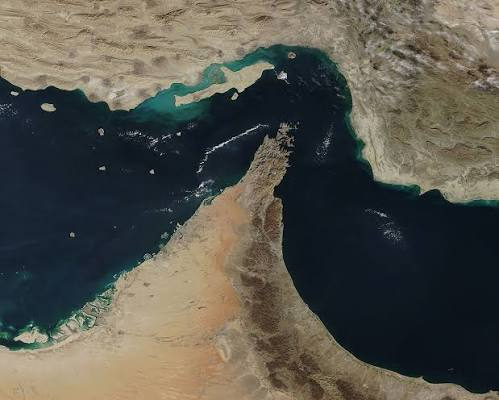
Iran claims attacks on US military bases in Kuwait and Jordan following American strikes, escalating Middle East tensions with potential fallout for global oil supplies and regional economies.
Usman Hanif tweet media
English
0
0
0
73
Usman Hanif retweetledi
Nouman Younas
Nouman Younas@Noumaan22·
ہر شخص دوڑتا ہے یہاں بھیڑ کی طرف پھر یہ بھی چاہتا ہے اسے راستا ملے
اردو
0
1
1
148
Usman Hanif
Usman Hanif@UsmanHaniff·
NTP 2025-30 sparks debate over new tariff arrangements 1-Auto sector warns against hasty tariff reforms. 2-NTP 2025-30 risks dismantling vendor manufacturing base. 3-Four decades of capabilities may face irreversible losses. 4-High taxes not tariffs drive low car ownership. 5-Sector generates massive indirect tax revenues. 6-India uses conditional policy for localisation success. 7-Pakistan has full automotive value chain strength. 8-New entrants failed meaningful localisation efforts. 9-Big Three achieved 60-70 percent localisation. However, @EconomistAadil argues 1- Complex tariffs inflate showroom prices significantly. 2- Tariffs worse than taxes due to cascading effect. 3- Cannot oppose tariffs while supporting their protection. 4- India produces 4.4 million vehicles with strong competition. 5- Pakistan lacks Tier-1 producers and meaningful R&D. 6- India liberalises through FTAs for future competitiveness. 7- Demand productivity certifications over tariff protection. 8- Move beyond perpetual protection for competitive industry. Full article: tribune.com.pk/story/2618281/…
English
0
1
2
147
Usman Hanif
Usman Hanif@UsmanHaniff·
@Saif_KSU Pakistan media landscape has reached to the point, as everywhere, where people want to read news in three lines without leaving that social media platform😀
English
0
0
0
36
SAIF NASSER
SAIF NASSER@Saif_KSU·
سعدت اليوم بزيارة مقر صحيفة Arab News في إسلام آباد، ولقاء الأستاذ بكر عطياني، واطلعت على تجربة الصحيفة، والحديث حول المشهد الإعلامي في باكستان وفرص الاستفادة من التجارب المهنية. كل الشكر له على حفاوة الاستقبال، وأتطلع إلى استمرار التواصل وتبادل الخبرات بما يسهم في تعزيز الفهم الإعلامي وبناء جسور التعاون. I was pleased to visit the Islamabad office of Arab News today and meet Mr. Baker Atyani. During the visit, I had the opportunity to learn more about the newspaper’s experience and exchange views on Pakistan’s media landscape and the value of learning from professional media practices My sincere thanks to Mr. Atyani for his warm hospitality. I look forward to continuing our professional engagement and exchanging expertise in ways that strengthen media understanding and foster closer cooperation آج اسلام آباد میں Arab News کے دفتر جانے اور محترم استاد بکر عطیانی سے ملاقات کا موقع ملا۔ اس ملاقات کے دوران مجھے اخبار کے پیشہ ورانہ تجربات سے آگاہی حاصل ہوئی، جبکہ پاکستانی میڈیا کے منظرنامے اور صحافتی تجربات سے باہمی استفادے کے امکانات پر بھی مفصل تبادلۂ خیال ہوا۔ ان کی پُرتپاک میزبانی پر دل کی گہرائیوں سے شکر گزار ہوں۔ امید ہے کہ آئندہ بھی یہ رابطہ برقرار رہے گا اور تجربات کا یہ تبادلہ میڈیا کی بہتر تفہیم اور باہمی تعاون کے مضبوط تعلقات استوار کرنے میں معاون ثابت ہوگا۔
SAIF NASSER tweet media
Islamabad, Pakistan 🇵🇰 العربية
8
4
18
2.2K
Usman Hanif
Usman Hanif@UsmanHaniff·
The proposed overhaul of tariffs under the National Tariff Policy (NTP) 2025-2030 has sparked intense debate within Pakistan's auto industry, with manufacturers warning that the changes could dismantle the vendor base and manufacturing capabilities built over four decades, potentially leading to irreversible losses in jobs, investment, and localisation.
Aadil Nakhoda@EconomistAadil

My comments in the following article published in @etribune by Usman Hanif: tribune.com.pk/story/2618281/… [Dr. Aadil Nakhoda] acknowledged that the complex tariff structure has inflated showroom prices and the upcoming NTP aims to address this. However, he cautioned against equating tariffs with taxes. "A tariff is worse than a tax. Customs duties and ACD add onto the price, increasing the base at which other taxes are calculated," he observed. Nakhoda contrasted Pakistan's situation with India's, which produces over 4.4 million passenger vehicles annually with dozens of original equipment manufacturers (OEMs) operating at efficient scales amid intense domestic competition. Indian auto parts' makers export products worth over $20 billion and engage in R&D, while Pakistan lacks Tier-1 producers and significant R&D. He argued that cascading tariffs and local content requirements have shielded an unproductive oligopoly rather than building global competitiveness. "India is liberalising through FTAs (free trade agreements) with the EU and Asean, shaping its industry for future competitiveness," Nakhoda said. Pakistan's industry, he added, should lobby for productivity-enhancing certifications and standards-based non-tariff measures to integrate into global value chains instead of seeking perpetual protection.

English
0
0
1
104
Aadil Nakhoda
Aadil Nakhoda@EconomistAadil·
My comments in the following article published in @etribune by Usman Hanif: tribune.com.pk/story/2618281/… [Dr. Aadil Nakhoda] acknowledged that the complex tariff structure has inflated showroom prices and the upcoming NTP aims to address this. However, he cautioned against equating tariffs with taxes. "A tariff is worse than a tax. Customs duties and ACD add onto the price, increasing the base at which other taxes are calculated," he observed. Nakhoda contrasted Pakistan's situation with India's, which produces over 4.4 million passenger vehicles annually with dozens of original equipment manufacturers (OEMs) operating at efficient scales amid intense domestic competition. Indian auto parts' makers export products worth over $20 billion and engage in R&D, while Pakistan lacks Tier-1 producers and significant R&D. He argued that cascading tariffs and local content requirements have shielded an unproductive oligopoly rather than building global competitiveness. "India is liberalising through FTAs (free trade agreements) with the EU and Asean, shaping its industry for future competitiveness," Nakhoda said. Pakistan's industry, he added, should lobby for productivity-enhancing certifications and standards-based non-tariff measures to integrate into global value chains instead of seeking perpetual protection.
English
2
1
3
515